Home / Blog / Vocabulary / Shopping & Money Vocabulary

Shopping & Money Vocabulary

This page collects 98 English shopping words. Every word comes with a real photo, pronunciation audio, a clear meaning and an example sentence, so you can see and hear each word in context. Each card links to the daily lesson where the word was taught, so you can read the full conversation and practice shadowing.

Words are grouped by topic: Shops & Stores (7 words), Shopping (33 words), Money & Banking (16 words), Personal Finance (22 words), Economy & Globalisation (19 words) and More Shopping & Money Vocabulary (1 word). They cover all six CEFR levels, from beginner words like bakery, market, shop to advanced words like affluent, diversification, hedge. Use the audio on each card to check your pronunciation, then test yourself with the quiz below.

Quiz: Test Yourself

Choose the correct answer for each question, then check your score.

Q1. Which word means 'the place in a store where you pay for your items'?
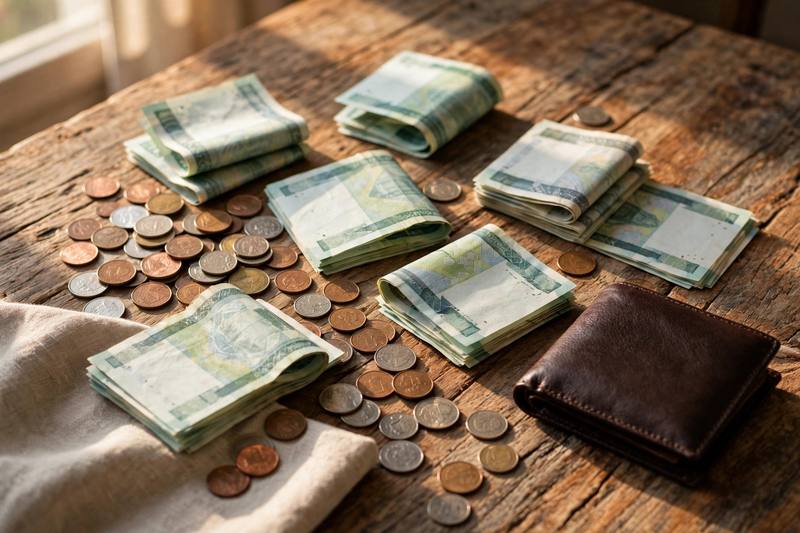
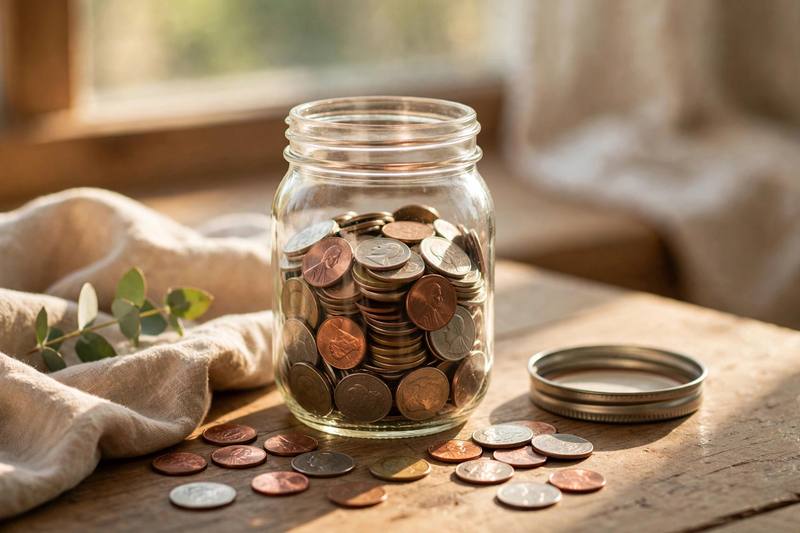
Q2. Which word means 'a small round metal piece of money'?
Q3. Which word means 'government spending or policy measures aimed at boosting the economy'?
Q4. Which word means 'a place where people sell food and other things'?
Q5. Which word means 'money you get back after you pay'?
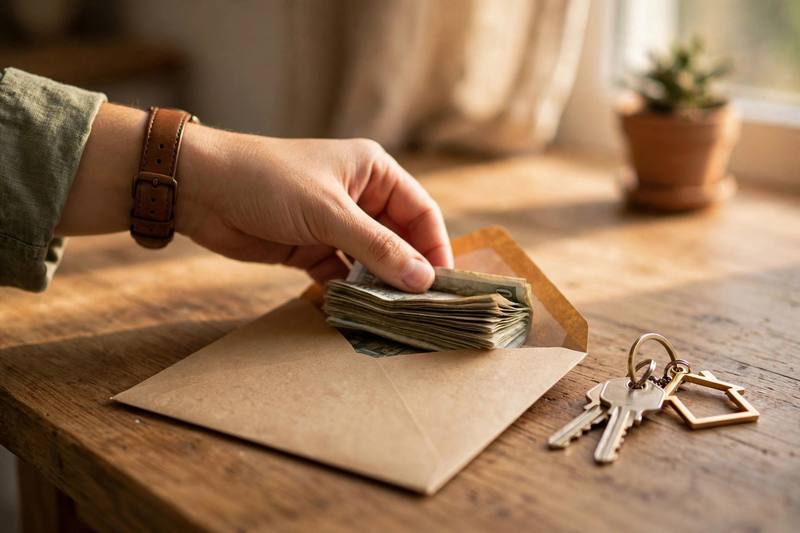
Q6. What is this?
What is this?
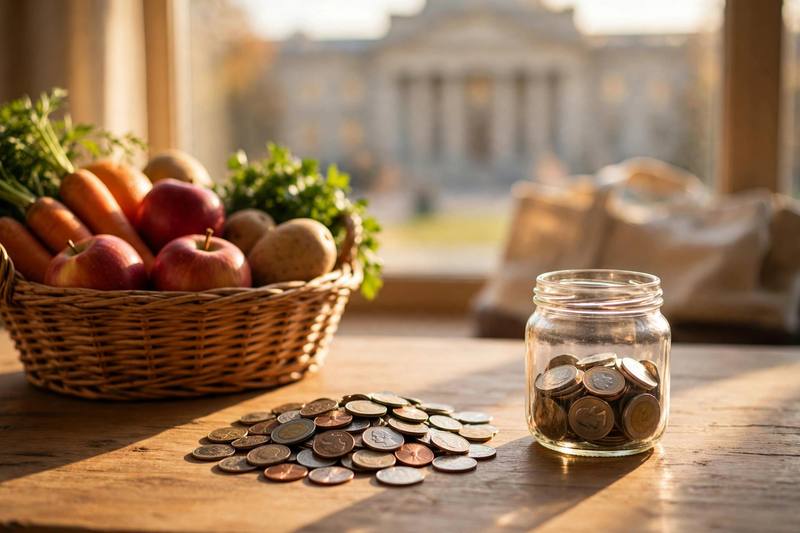
Q7. What is this?
What is this?
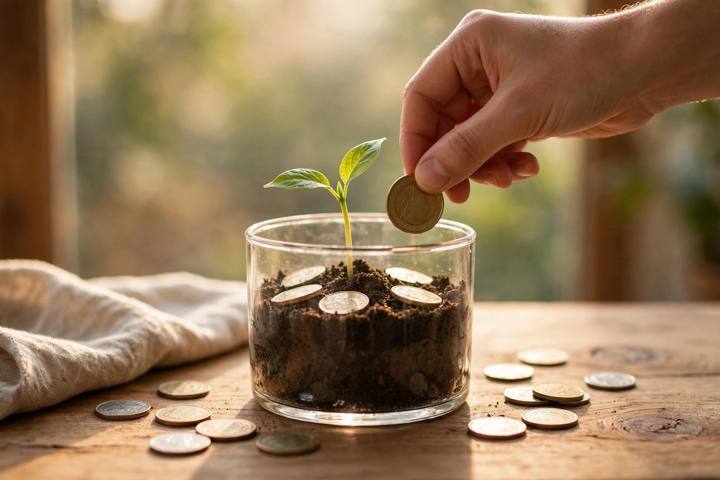
Q8. What is this?
What is this?
Q9. What is this?
What is this?
Q10. What is this?
What is this?

Shops & Stores (7 words)

A1
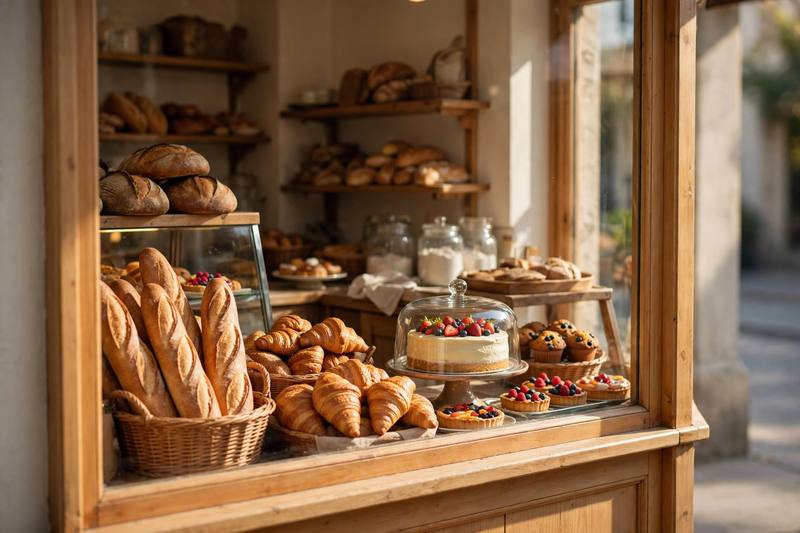
bakery: a shop that sells bread and cakes
bakery noun · A1
BAY-kuh-ree
a shop that sells bread and cakes
The bakery near us has warm bread.
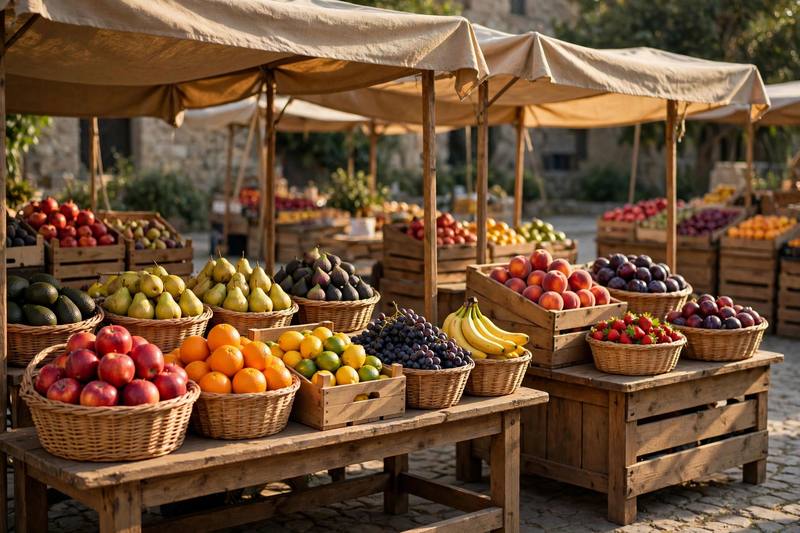
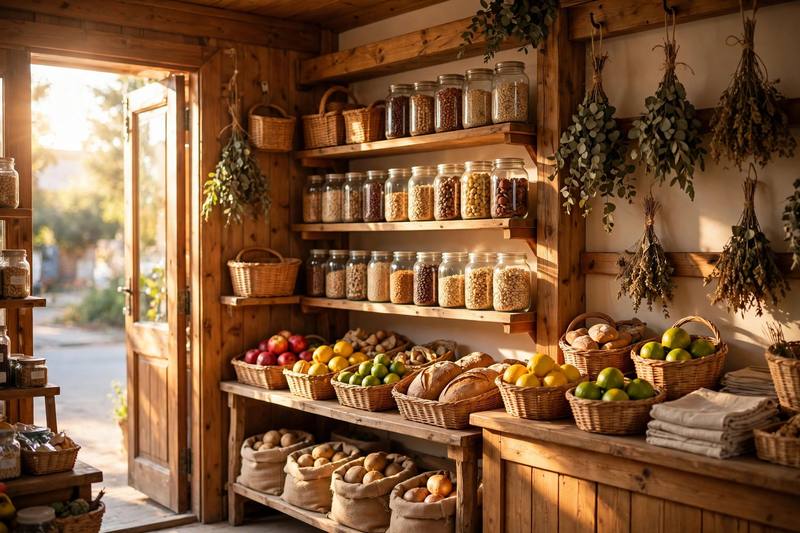
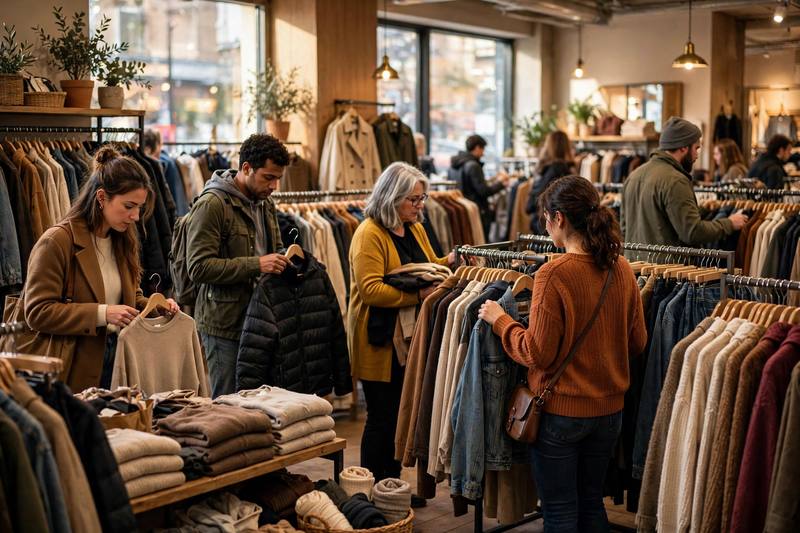
market: a place where people sell food and other things
market noun · A1
MAR-kit
a place where people sell food and other things
We buy fresh fruit at the market.
shop: a small store where you buy things
shop noun · A1
SHOP
a small store where you buy things
I buy bread at the shop near my house.
A2
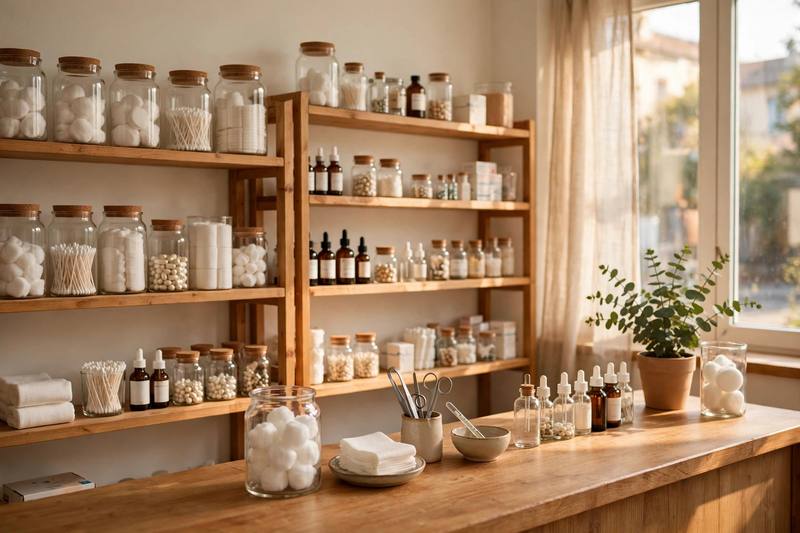
pharmacy: a shop where you buy medicine
pharmacy noun · A2
FAR-muh-see
a shop where you buy medicine
The pharmacy near my house is open late.
B2
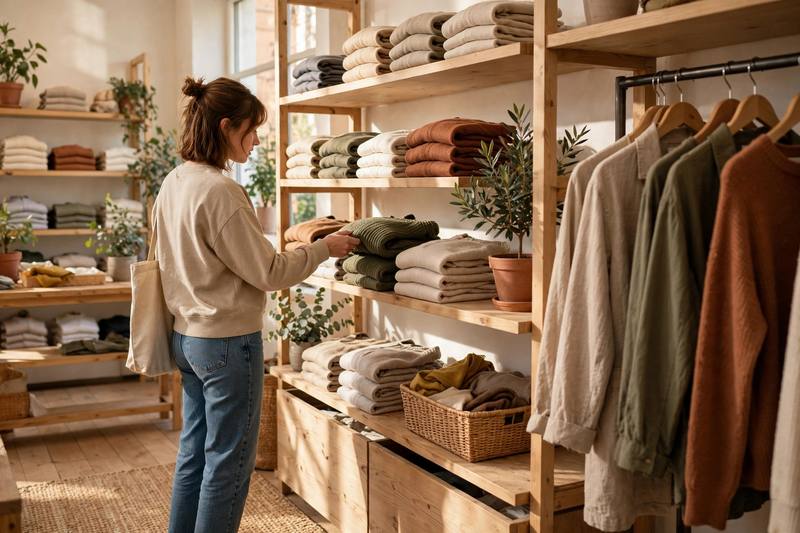
boutique: a small shop that sells fashionable clothes
boutique noun · B2
boo-TEEK
a small shop that sells fashionable clothes
She bought the scarf in a small boutique in Milan.
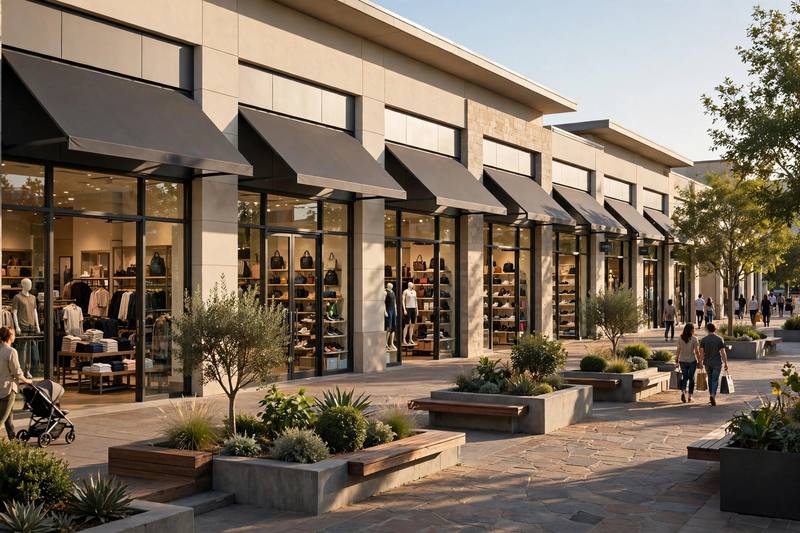
outlet: a shop that sells famous brands at lower prices
outlet noun · B2
OUT-let
a shop that sells famous brands at lower prices
We bought cheap shoes at the outlet mall outside the city.
retail: the sale of goods directly to customers in shops
retail noun · B2
REE-tail
the sale of goods directly to customers in shops
The retail price of the jacket is two hundred dollars.

Shopping (33 words)

A1
buy: to get something by giving money
buy verb · A1
BY
to get something by giving money
I buy bread every day.
cheap: costs little money
cheap adjective · A1
CHEEP
costs little money
This shirt is cheap.
expensive: costs a lot of money
expensive adjective · A1
ik-SPEN-siv
costs a lot of money
This car is expensive.
pay: to give money for something
pay verb · A1
PAY
to give money for something
I pay for my food.
price: how much money a thing costs
price noun · A1
PRYS
how much money a thing costs
The price is ten dollars.
sell: to give something and get money
sell verb · A1
SEL
to give something and get money
They sell bread in the shop.
A2
bill: the paper that shows how much money you must pay
bill noun · A2
BIL
the paper that shows how much money you must pay
The waiter brings the bill to our table.
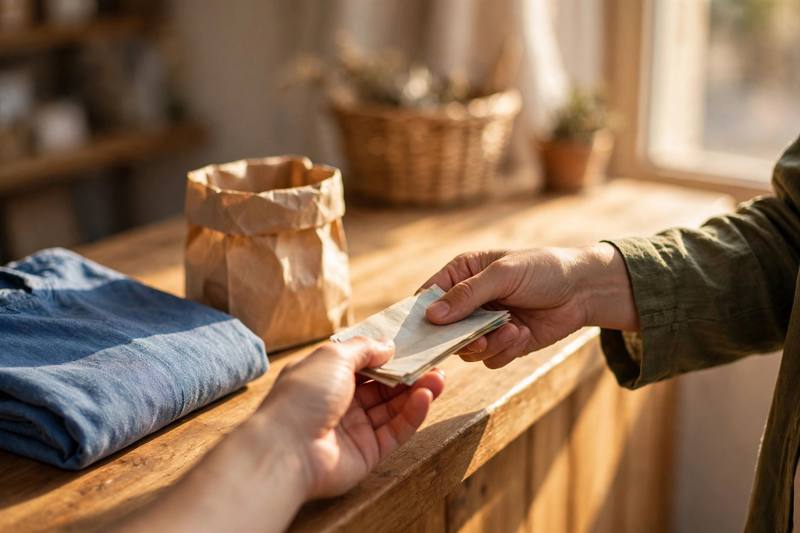
change: money you get back after you pay
change noun · A2
CHAYNJ
money you get back after you pay
The shop gave me fifty cents in change.
customer: a person who buys things or services
customer noun · A2
KUS-tuh-muhr
a person who buys things or services
The customer was happy.
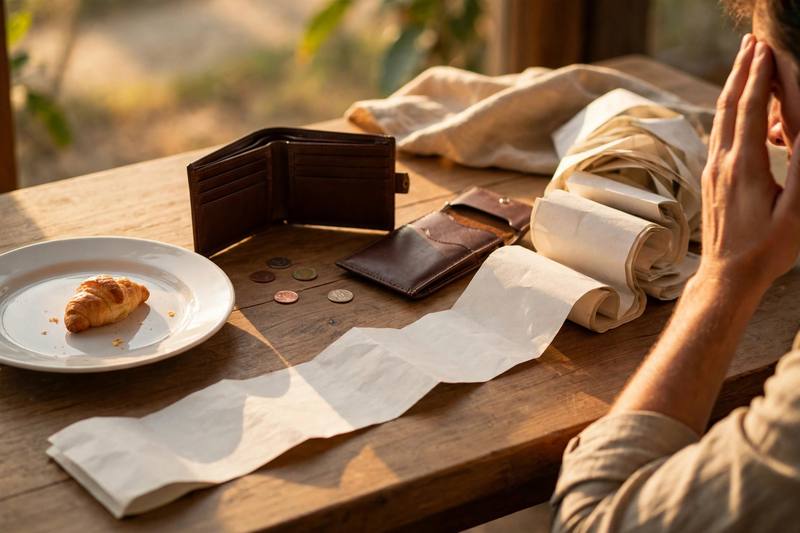
receipt: a small paper that shows you paid for something
receipt noun · A2
ruh-SEET
a small paper that shows you paid for something
She kept the receipt to return the shoes.
B1
bargain: something you buy for a very good, low price
bargain noun · B1
BAR-gin
something you buy for a very good, low price
something sold for a very good price; to argue with a seller to get a lower price

I got this jacket for forty dollars. What a bargain!
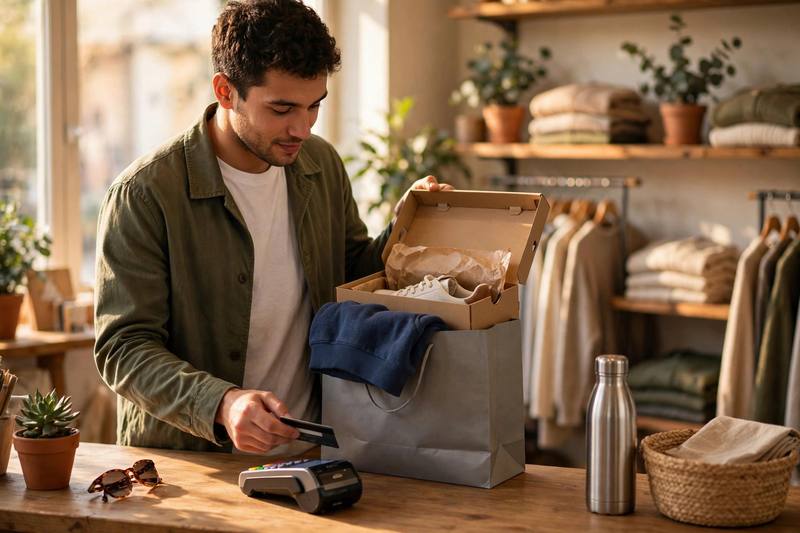
cashier: the person at a store who takes your money
cashier noun · B1
ka-SHEER
the person at a store who takes your money
The cashier scanned my items and gave me change.
checkout: the place in a store where you pay for your items
checkout noun · B1
CHEK-out
the place in a store where you pay for your items
There was a long line at the checkout.
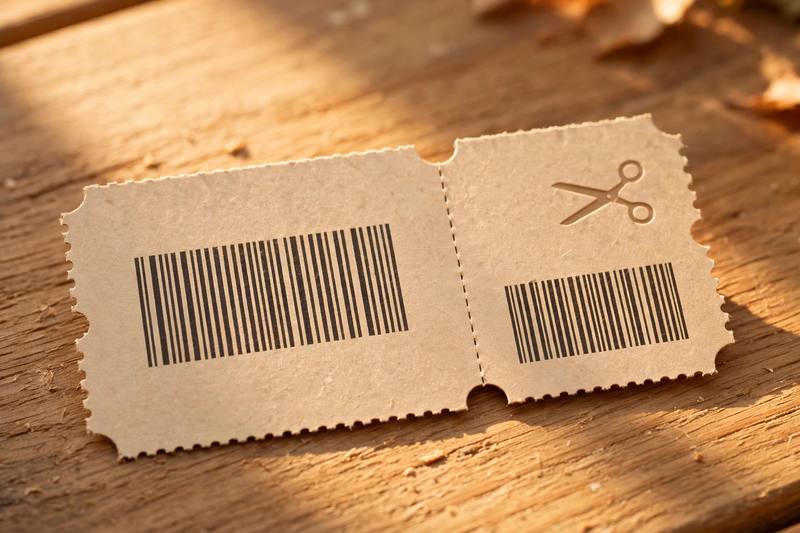
coupon: a ticket or code that gives you a discount
coupon noun · B1
KOO-pon
a ticket or code that gives you a discount
I used a coupon and saved fifteen dollars on groceries.
discount: money taken off the normal price
discount noun · B1
DISS-kownt
money taken off the normal price
The store gave me a twenty percent discount on shoes.
exchange: to take something back and get a different item
exchange verb · B1
iks-CHAYNJ
to take something back and get a different item
to give one thing and get another; to change money of one country into money of another
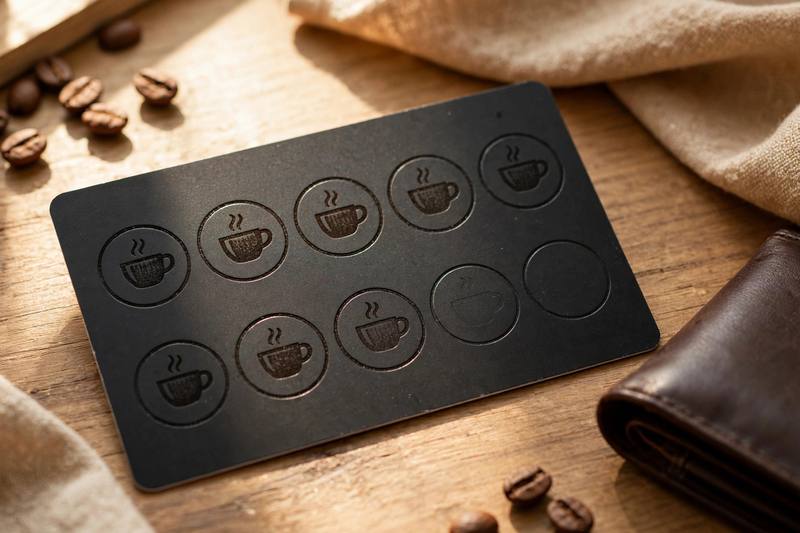
These shoes are too small. Can I exchange them?
loyalty: a store program that rewards regular customers
loyalty noun · B1
LOY-ul-tee
a store program that rewards regular customers
Show your loyalty card to get extra points.
overpriced: costing too much money for what you get
overpriced adjective · B1
oh-vur-PRYST
costing too much money for what you get
Twenty dollars for a cup of coffee is overpriced.
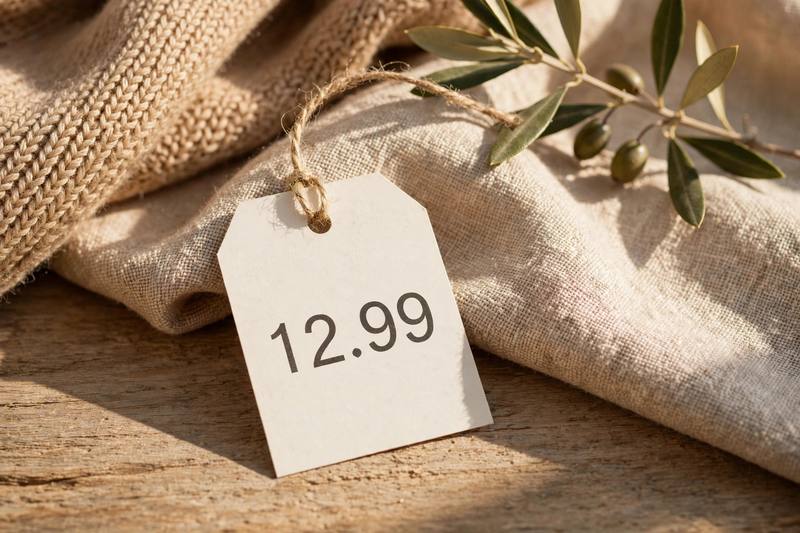
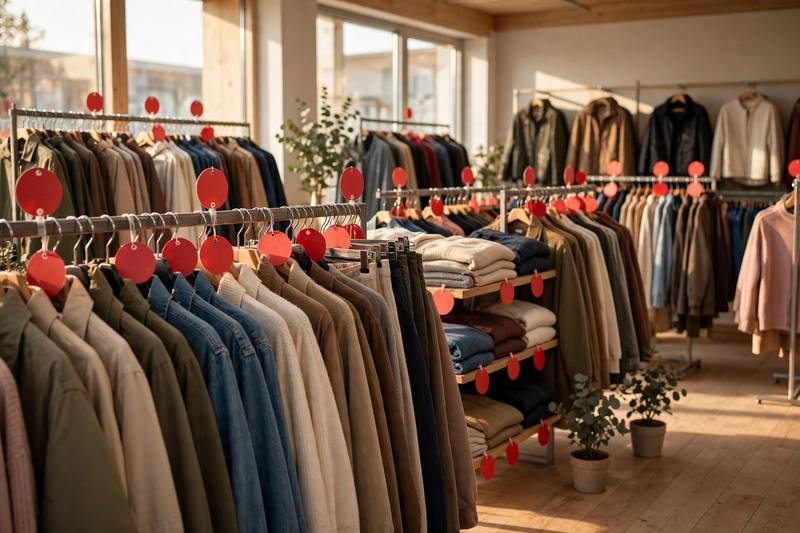
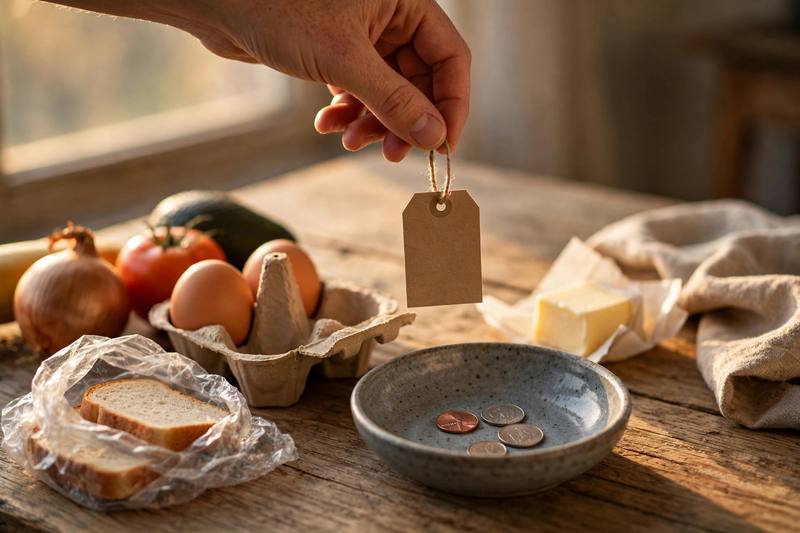
price tag: the label on a product that shows its price
price tag noun · B1
PRYSS tag
the label on a product that shows its price
Check the price tag before you go to the cashier.
purchase: to buy something
purchase verb · B1
PUR-chiss
to buy something
She purchased a new laptop yesterday.
refund: money a store gives back to you after a return
refund noun · B1
REE-fund
money a store gives back to you after a return
money given back to you when you return something you bought

I got a full refund when I took the jacket back.
return: to take something back to the store
return verb · B1
ree-TURN
to take something back to the store
I decided to return the sweater because it didn't fit.
sale: a time when a store sells things at lower prices
sale noun · B1
sayl
a time when a store sells things at lower prices
All coats are half price in the winter sale.
try on: to put on clothes in a store to see if they fit
try on verb · B1
TRY on
to put on clothes in a store to see if they fit
Can I try on these jeans in the fitting room?
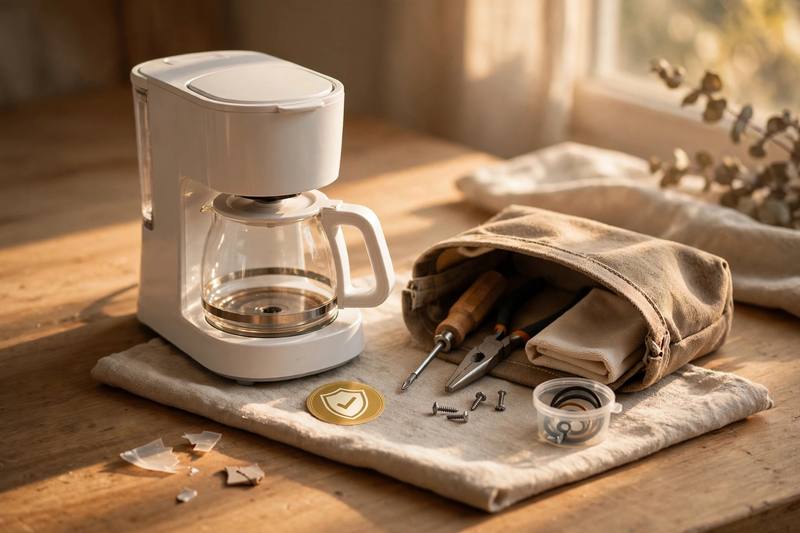
warranty: a promise to repair or replace a product if it breaks
warranty noun · B1
WAR-un-tee
a promise to repair or replace a product if it breaks
The TV comes with a two-year warranty.
window shopping: looking at shop windows without buying anything
window shopping noun · B1
WIN-doh SHAH-ping
looking at shop windows without buying anything
We went window shopping but didn't spend a dollar.
B2
clearance: a sale to sell old stock at very low prices
clearance noun · B2
KLEER-uns
a sale to sell old stock at very low prices
The electronics store is holding a big clearance sale this weekend.
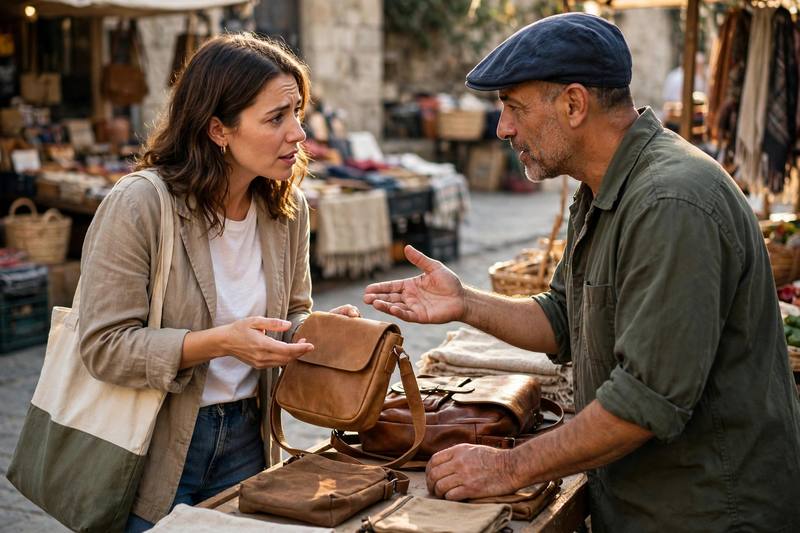
haggle: to argue with a seller about the price of something
haggle verb · B2
HA-gul
to argue with a seller about the price of something
We haggled with the street seller for ten minutes and got the bag much cheaper.
C1
exorbitant: unreasonably high; much too expensive
exorbitant adjective · C1
ig-ZOR-bi-tunt
unreasonably high; much too expensive
Tourists complained about the exorbitant taxi fares.
lavish: very generous and expensive; showing a lot of money spent
lavish adjective · C1
LAV-ish
very generous and expensive; showing a lot of money spent
They threw a lavish wedding that cost a small fortune.
markup: the extra amount added to the cost price when selling
markup noun · C1
MARK-up
the extra amount added to the cost price when selling
The boutique adds a hefty markup to imported handbags.
peddle: to sell goods persistently, often going from place to place
peddle verb · C1
PED-ul
to sell goods persistently, often going from place to place
He used to peddle cheap watches on the street before opening his own shop.
C2
extortionate: far too expensive; like robbery
extortionate adjective · C2
ek-STOR-shuh-nit
far too expensive; like robbery
The hotel charged extortionate rates for a bottle of water, knowing guests had no alternative.

Money & Banking (16 words)
A1
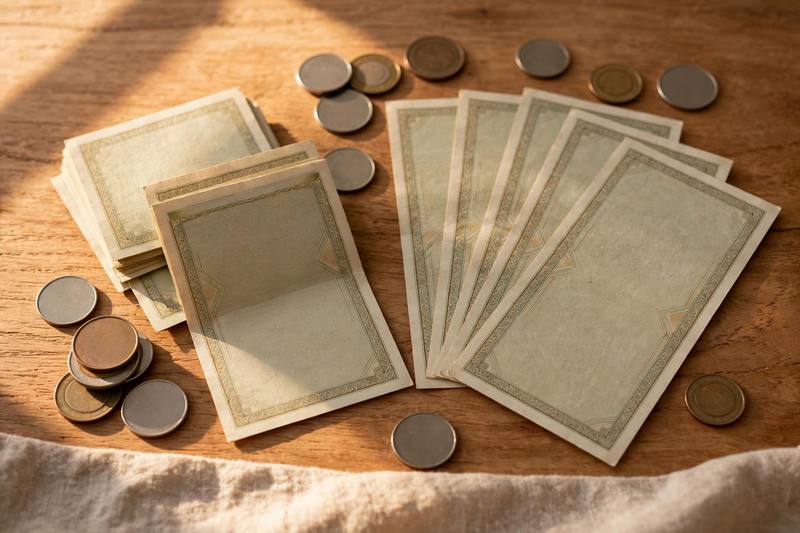
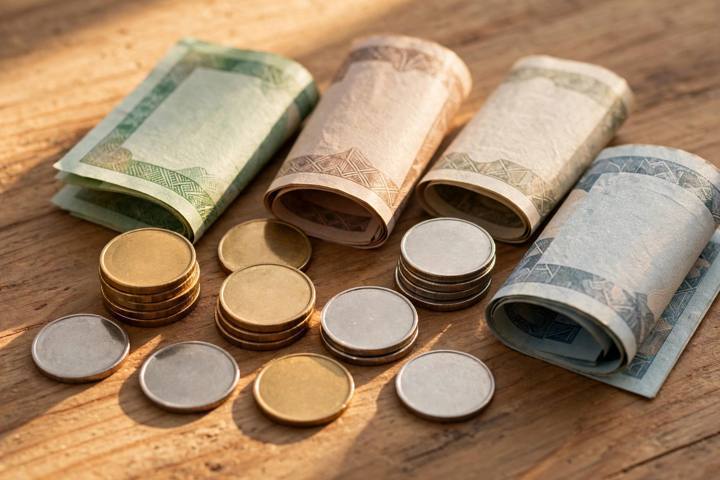
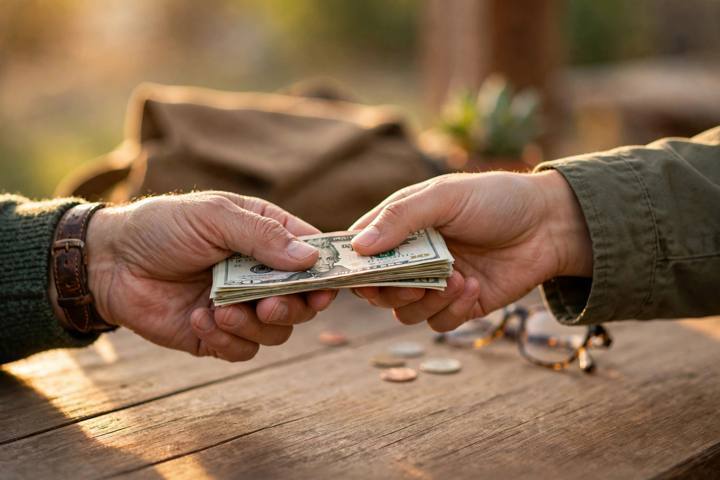
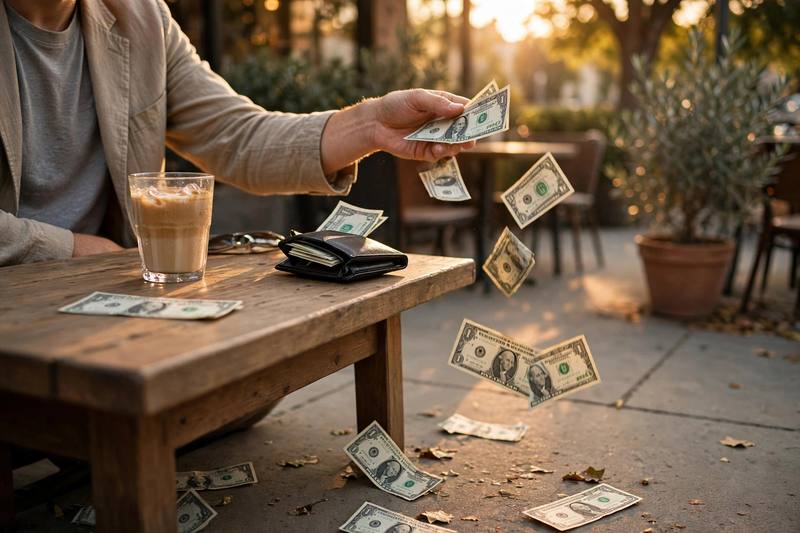
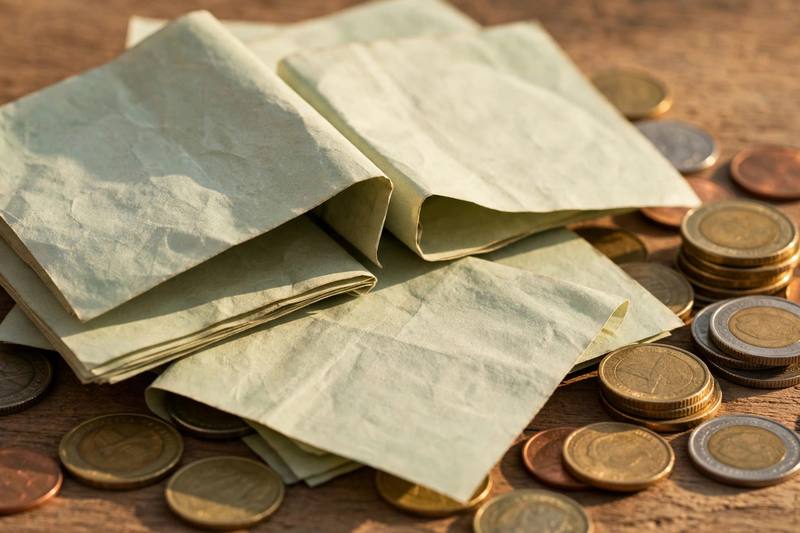
cash: money in paper and coins
cash noun · A1
KASH
money in paper and coins
I pay with cash.
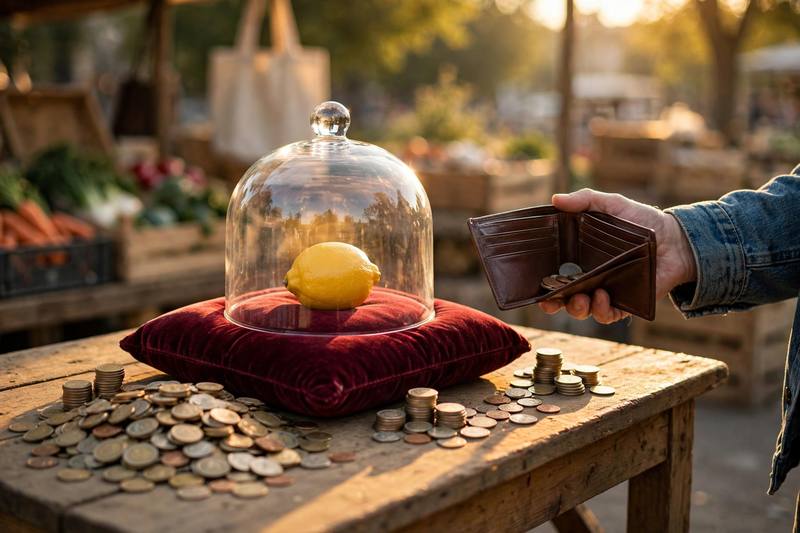
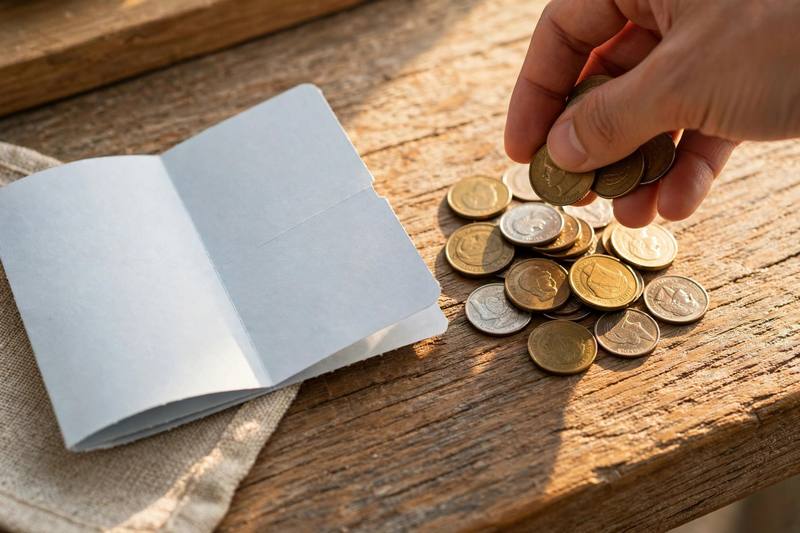
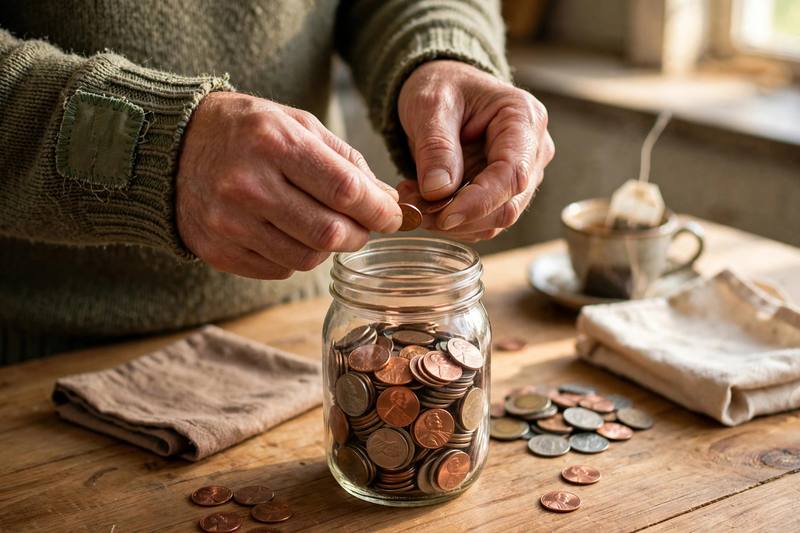
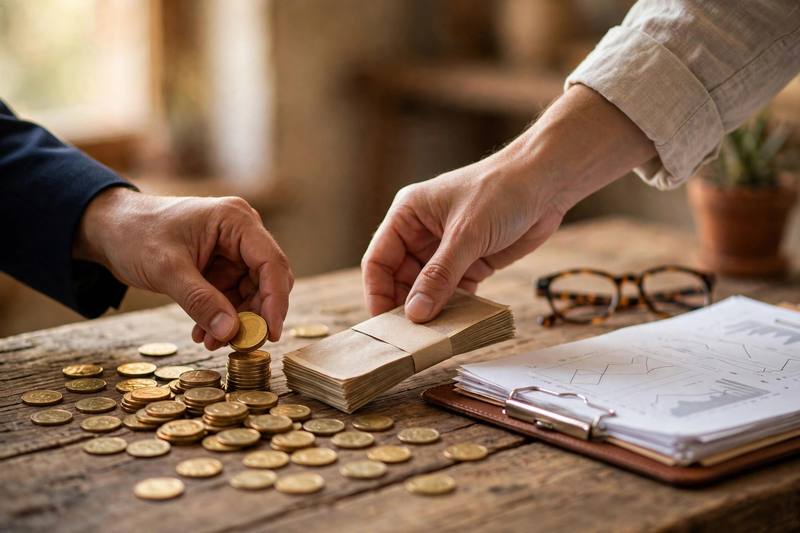
coin: a small round metal piece of money
coin noun · A1
KOYN
a small round metal piece of money
This coin is small.
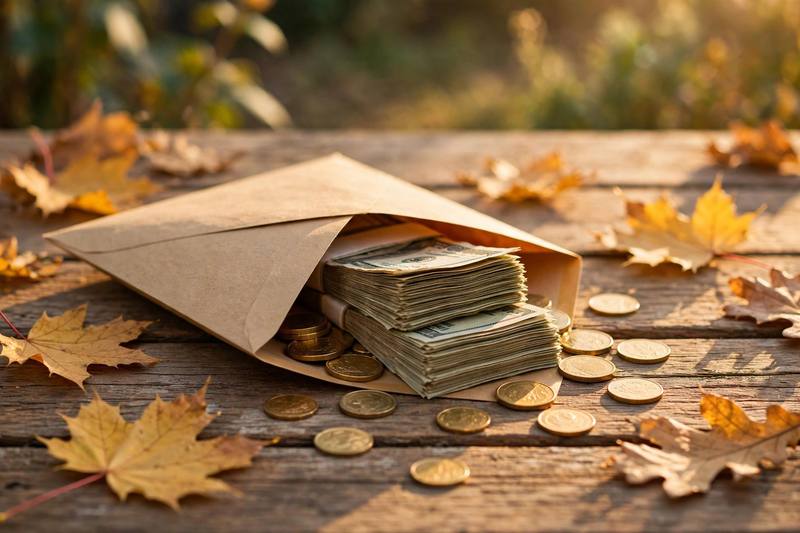
money: paper and coins you use to buy things
money noun · A1
MUH-nee
paper and coins you use to buy things
I use money to buy food.
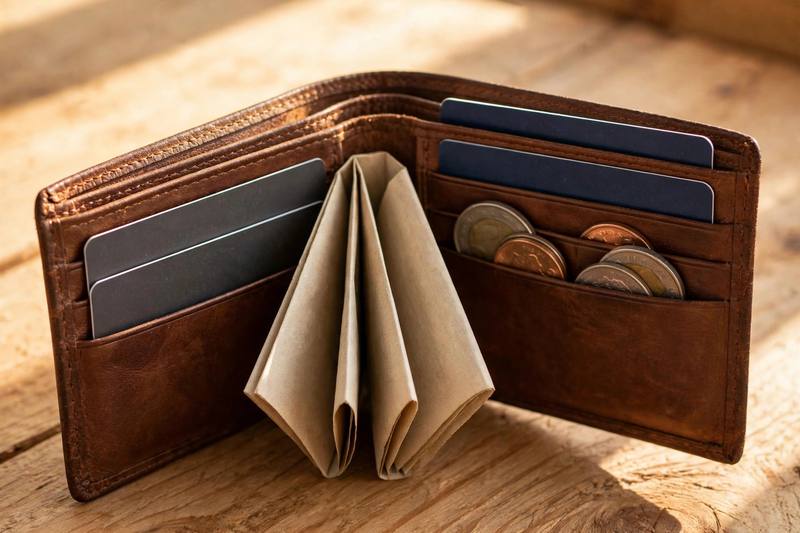
wallet: a small case you keep your money in
wallet noun · A1
WAH-lit
a small case you keep your money in
My money is in my wallet.
A2
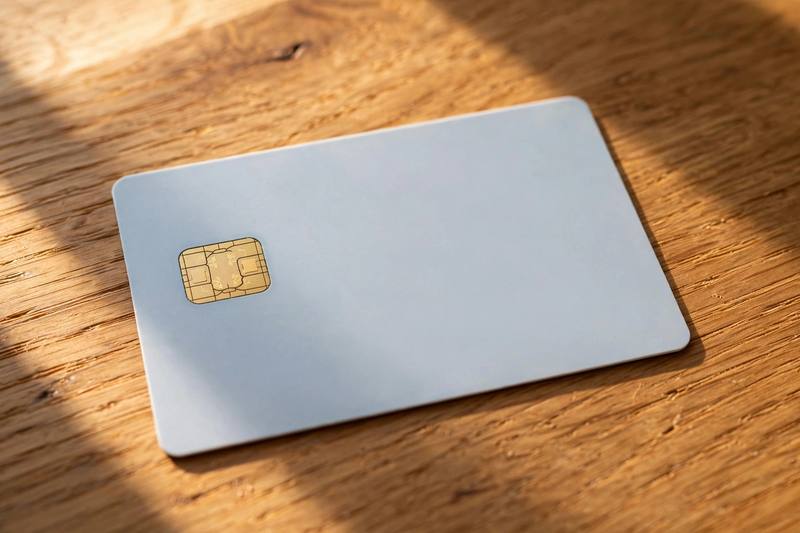
card: a small plastic thing you use to pay instead of cash
card noun · A2
KARD
a small plastic thing you use to pay instead of cash
She pays with her card, not cash.
B1
fee: money you pay for a service
fee noun · B1
fee
money you pay for a service
The bank charges a monthly fee for the account.
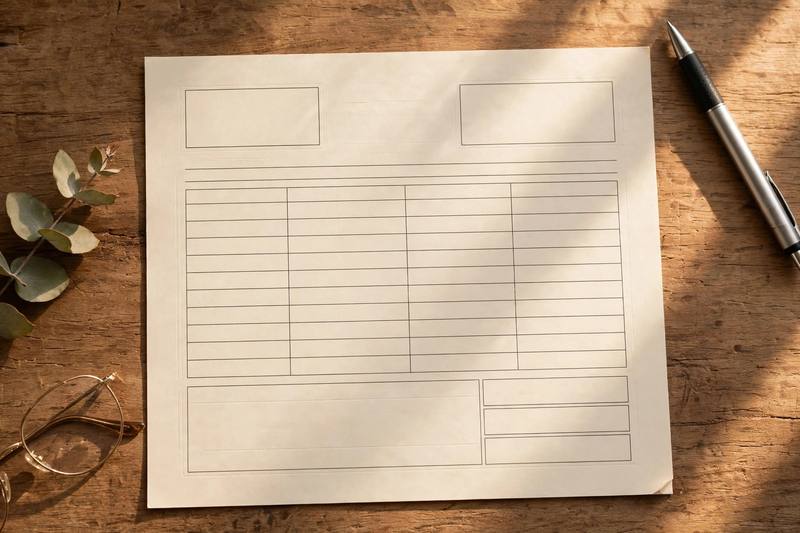
invoice: an official paper or email that asks you to pay
invoice noun · B1
IN-voys
an official paper or email that asks you to pay
The company sent me an invoice for the repair.
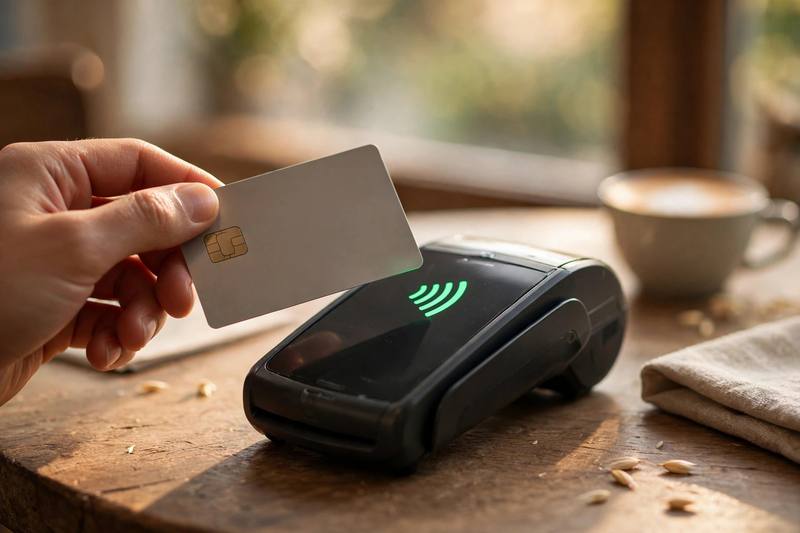
payment: the act of paying money for something
payment noun · B1
PAY-ment
the act of paying money for something
You can make the payment by card or in cash.
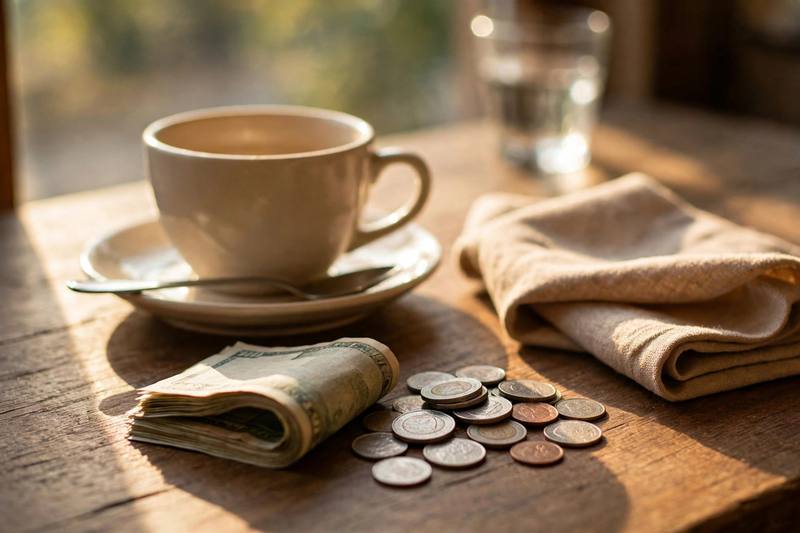
tip: extra money you give a server for good service
tip noun · B1
tip
extra money you give a server for good service
We left a ten-dollar tip for the waiter.
B2
currency: the type of money used in a country
currency noun · B2
KUR-un-see
the type of money used in a country
The currency of Japan is the yen.
loan: money you borrow and must pay back later
loan noun · B2
lohn
money you borrow and must pay back later
They took out a loan to buy a house.
surcharge: an extra charge added to the normal price
surcharge noun · B2
SUR-charj
an extra charge added to the normal price
The airline added a fuel surcharge to every ticket.
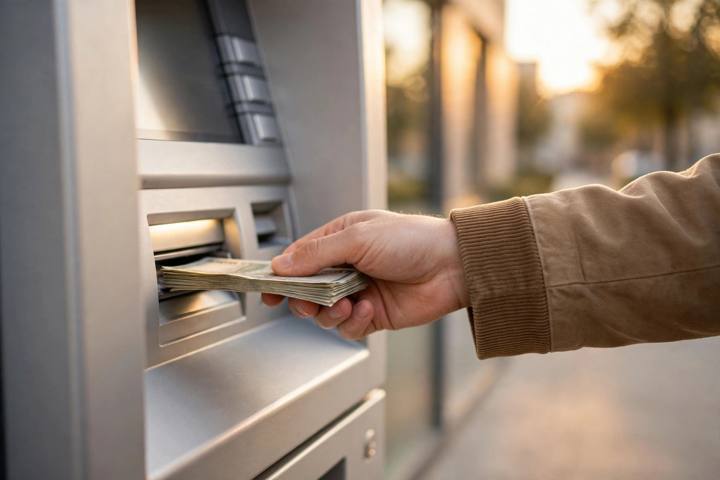
withdraw: to take money out of your bank account
withdraw verb · B2
with-DRAW
to take money out of your bank account
I withdrew two hundred dollars from the ATM.
C1
collateral: an asset pledged as security for a loan, seized if the borrower defaults
collateral noun · C1
kuh-LAH-tuh-rul
an asset pledged as security for a loan, seized if the borrower defaults
The bank demanded collateral before approving the mortgage.
pecuniary: relating to money
pecuniary adjective · C1
pi-KYOO-nee-uh-ree
relating to money
The scandal had serious pecuniary consequences for the bank.
C2
usurious: charging unfairly high interest on a loan
usurious adjective · C2
yoo-ZHOOR-ee-us
charging unfairly high interest on a loan
The payday lender's usurious rates trapped borrowers in endless debt.

Personal Finance (22 words)

B1
afford: to have enough money to pay for something
afford verb · B1
uh-FORD
to have enough money to pay for something
We can't afford a new car right now.
budget: a plan for how much money you can spend
budget noun · B1
BUH-jit
a plan for how much money you can spend
We made a budget so we don't spend too much this month.
debt: money that you owe to someone else
debt noun · B1
det
money that you owe to someone else
She worked hard to pay off her credit card debt.
deposit: money you pay in advance to keep a service or place
deposit noun · B1
duh-PAH-zit
money you pay in advance to keep a service or place
money you put into your bank account; to put money into an account

We paid a deposit to rent the apartment.
installment: one of several small payments you make over time
installment noun · B1
in-STAHL-ment
one of several small payments you make over time
I bought the phone in twelve monthly installments.
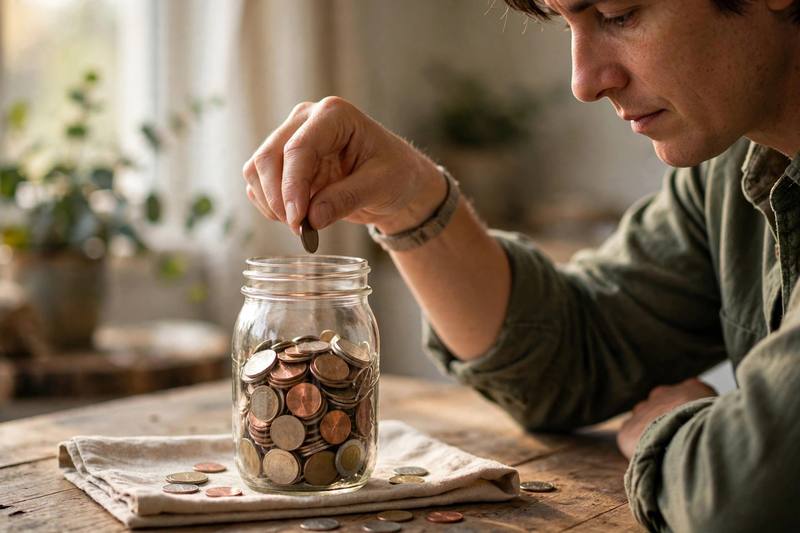
savings: money you keep for the future instead of spending
savings noun · B1
SAY-vingz
money you keep for the future instead of spending
money you keep and do not spend

We put ten percent of our pay into savings every month.
tax: money you pay to the government on things you buy
tax noun · B1
taks
money you pay to the government on things you buy
The price includes eight percent tax.
B2
frugal: careful not to waste money
frugal adjective · B2
FROO-gul
careful not to waste money
He is frugal and cooks at home instead of eating out.
invest: to put money into something to make more money later
invest verb · B2
in-VEST
to put money into something to make more money later
She decided to invest in real estate.
splurge: to spend a lot of money on something nice you don't really need
splurge verb · B2
SPLURJ
to spend a lot of money on something nice you don't really need
On her birthday, she decided to splurge on a designer dress.
thrifty: careful and wise with money; not wasteful
thrifty adjective · B2
THRIF-tee
careful and wise with money; not wasteful
My thrifty grandmother compares prices before she buys anything.
C1
affluent: wealthy; having a lot of money
affluent adjective · C1
AF-loo-unt
wealthy; having a lot of money
The affluent district is full of designer shops and luxury cars.
diversification: spreading investments across different assets to reduce risk
diversification noun · C1
dih-vur-sih-fih-KEY-shun
spreading investments across different assets to reduce risk
Diversification protected her portfolio during the market crash.
hedge: to make investments that reduce the risk of financial losses
hedge verb · C1
HEJ
to make investments that reduce the risk of financial losses
Investors hedge against inflation by buying gold.
parsimonious: extremely unwilling to spend money
parsimonious adjective · C1
par-si-MOH-nee-uss
extremely unwilling to spend money
The parsimonious millionaire still darned his own socks.
recoup: to get back money you have spent or lost
recoup verb · C1
ri-KOOP
to get back money you have spent or lost
The company hopes to recoup its losses by raising prices.
scrimp: to spend as little money as possible, saving by cutting costs tightly
scrimp verb · C1
SKRIMP
to spend as little money as possible, saving by cutting costs tightly
They had to scrimp for a year to afford the down payment on the house.
squander: to waste money carelessly
squander verb · C1
SKWON-dur
to waste money carelessly
He squandered his inheritance on luxury cars and exotic holidays.
windfall: an unexpected gift or amount of money
windfall noun · C1
WIND-fawl
an unexpected gift or amount of money
The tax rebate was a welcome windfall for the young couple.
C2
frugality: careful, thrifty management of money
frugality noun · C2
froo-GA-lih-tee
careful, thrifty management of money
His frugality bordered on the eccentric; he darned his own socks for decades.
indebtedness: the state of owing money
indebtedness noun · C2
in-DET-id-ness
the state of owing money
Easy credit had trapped the country in a cycle of rising indebtedness.
opulence: luxurious display of great wealth
opulence noun · C2
OP-yoo-lents
luxurious display of great wealth
The boutique hotel's lobby dripped with opulence, all marble floors and crystal chandeliers.

Economy & Globalisation (19 words)

B2
bankrupt: having no money left; unable to pay your debts
bankrupt adjective · B2
BANG-krupt
having no money left; unable to pay your debts
The company went bankrupt last year.
C1
arbitrage: buying cheap in one market and selling higher in another for a nearly risk-free profit
arbitrage noun · C1
AR-bih-trahzh
buying cheap in one market and selling higher in another for a nearly risk-free profit
Algorithmic traders profit from arbitrage between different exchanges.
austerity: government policies of strict spending cuts intended to reduce deficits
austerity noun · C1
aw-STEH-ruh-tee
government policies of strict spending cuts intended to reduce deficits
Austerity measures sparked protests across the capital.
bailout: an emergency financial rescue of a failing company or economy
bailout noun · C1
BAYL-out
an emergency financial rescue of a failing company or economy
The airline received a government bailout to avoid bankruptcy.
bubble: a rapid rise in asset prices far above their real value, followed by a crash
bubble noun · C1
BUH-bul
a rapid rise in asset prices far above their real value, followed by a crash
The housing bubble burst in 2008, wiping out trillions in wealth.
deficit: the amount by which spending exceeds income or revenue
deficit noun · C1
DEH-fih-sit
the amount by which spending exceeds income or revenue
The government ran a deficit of two percent of GDP last year.
dividend: a share of a company's profits paid out to its shareholders
dividend noun · C1
DIH-vih-dend
a share of a company's profits paid out to its shareholders
The company raised its dividend for the fifth consecutive year.
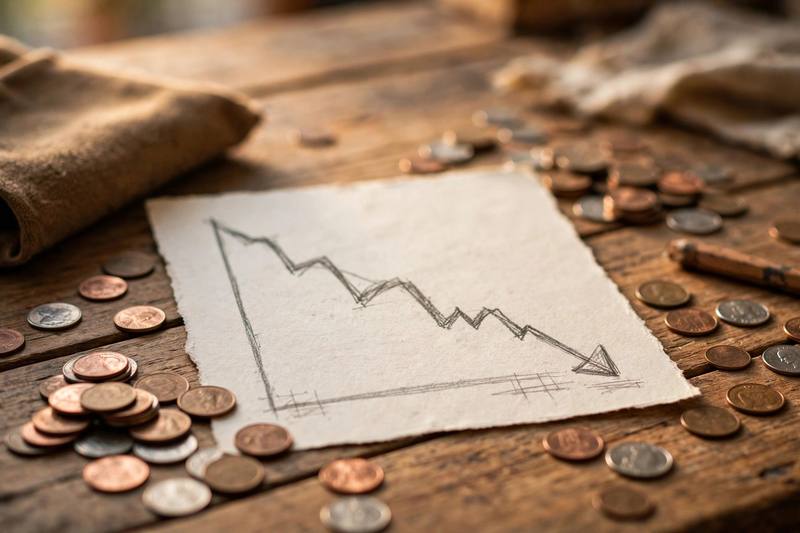
downturn: a decline in economic or business activity
downturn noun · C1
DOWN-turn
a decline in economic or business activity
Retail sales fell sharply during the economic downturn.
equity: the ownership value in a company or asset after all debts are subtracted
equity noun · C1
EH-kwih-tee
the ownership value in a company or asset after all debts are subtracted
His equity in the startup grew tenfold after the public offering.
inflationary: causing or relating to inflation; tending to raise prices
inflationary adjective · C1
in-FLAY-shuh-neh-ree
causing or relating to inflation; tending to raise prices
Printing too much money to fund spending is inflationary.
insolvent: unable to pay one's debts
insolvent adjective · C1
in-SOL-vent
unable to pay one's debts
After the lawsuit, the once-thriving retailer became insolvent.
leverage: to use borrowed money or influence to increase the potential scale of gains (and losses)
leverage verb · C1
LEH-vuh-rij
to use borrowed money or influence to increase the potential scale of gains (and losses)
The firm used leverage to buy far more assets than its cash alone would allow.
liquidity: how quickly and easily an asset can be converted to cash without losing value
liquidity noun · C1
lih-KWIH-duh-tee
how quickly and easily an asset can be converted to cash without losing value
Real estate has much lower liquidity than stocks or bonds.
recession: a prolonged period of economic decline, typically two quarters of shrinking output
recession noun · C1
rih-SEH-shun
a prolonged period of economic decline, typically two quarters of shrinking output
Economists fear a global recession could begin next year.
speculation: investment in risky assets in the hope of making a large profit
speculation noun · C1
speh-kyuh-LEY-shun
investment in risky assets in the hope of making a large profit
Pure speculation drove the meme stock to absurd levels.
stimulus: government spending or policy measures aimed at boosting the economy
stimulus noun · C1
STIH-myuh-lus
government spending or policy measures aimed at boosting the economy
The central bank announced a stimulus package to revive growth.
subsidize: to financially support an industry or product so its price falls
subsidize verb · C1
SUB-sih-dyz
to financially support an industry or product so its price falls
The state subsidizes renewable energy to encourage adoption.
surplus: an amount left over after spending; the excess of income over expenses
surplus noun · C1
SUR-plus
an amount left over after spending; the excess of income over expenses
The trade surplus reached a record high this quarter.
volatility: the degree of rapid, unpredictable price changes in a market
volatility noun · C1
vah-luh-TIH-luh-tee
the degree of rapid, unpredictable price changes in a market
Oil price volatility makes long-term budgeting difficult for airlines.

More Shopping & Money Vocabulary (1 word)

C1
upsell: to persuade a customer to buy something more expensive or additional
upsell verb · C1
UP-sel
to persuade a customer to buy something more expensive or additional
The salesman tried to upsell us to the premium package.