
📖 What is Muse English?
Muse English is a free English learning app with daily lessons across all 6 CEFR levels (A1 Beginner to C2 Proficient). Every day brings new vocabulary, a real podcast conversation, shadowing practice, grammar and quizzes — all at museenglishapp.com.
📚 Vocabulary
5 new words Learn new words with real examples and audio.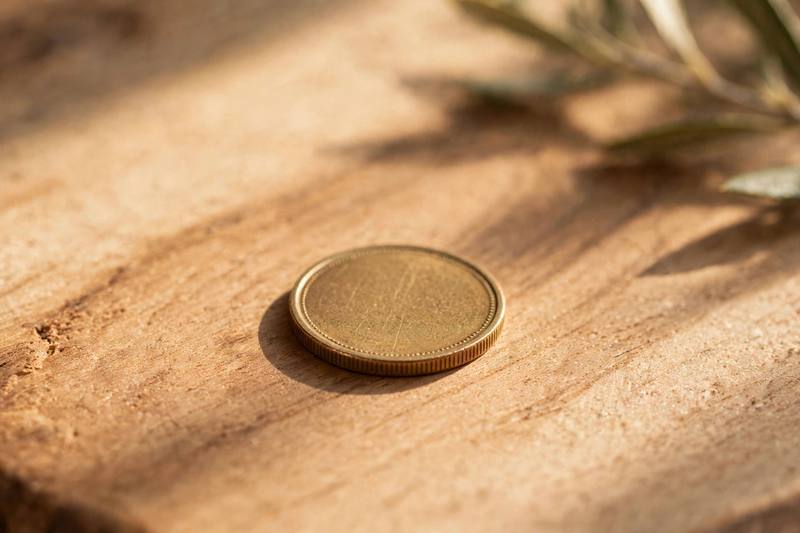



Podcast: Money & Shopping
Listen to today’s conversation.
📝 Podcast Transcript
Hello everyone, and welcome to Muse English! I'm Maya.
And I'm Lena. Hi, friends. Today we are talking about money and shopping.
Yes. Shopping is something we do every day. We buy food, we buy clothes, and we pay for many things.
That's right. Today we will learn five useful words: coin, pay, bill, card, and expensive. Let's start with coin.
A coin is a small round piece of metal money. It is money, but it is not paper money. It is metal.
Right. In many countries, small things cost only a coin. For example, you can buy a candy for one coin.
I always have a few coins in my pocket. Yesterday I found a coin on the street. It was a lucky coin.
A lucky coin. I love that. But one coin is not enough for big things. A coin is only good for small things.
True. When you want to buy something, you must pay. To pay means to give money for something you buy.
Yes, to pay. When you pay for your lunch, you give money to the restaurant. When you pay for a bus ticket, you give money to the driver.
Every day we pay for many things. I pay for my coffee in the morning. I pay for my groceries in the evening.
And how do we pay? Sometimes we pay with cash. Sometimes we pay with a card.
Let's talk about the bill. The bill is the paper that shows how much money you must pay.
Right. In a restaurant, after you eat, the waiter brings the bill to your table. The bill shows the price of your food.
The bill is important. You read the bill, you see the total, and then you pay.
I always check the bill. One time the bill was wrong. It showed an extra coffee. I was happy that I read the bill.
Good idea. Always read the bill before you pay.
Before we continue, friends, let me tell you about the Muse English app. It is a free app for learning English.
Every day it gives you new words with photos and pronunciation. You can listen to this podcast, practice shadowing stories, and take fun quizzes. You also earn points and climb the leaderboard. Download the Muse English app today and make English a daily habit.
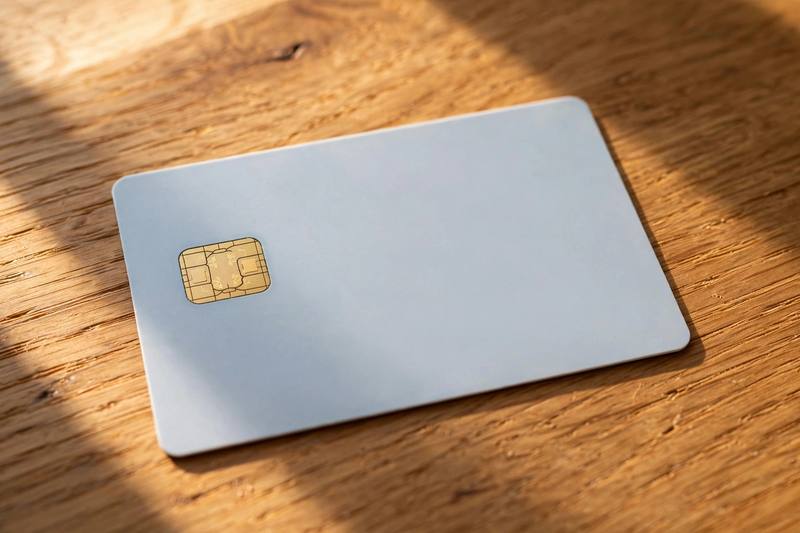
Thanks, Lena. Now, the card. A card is a small plastic thing. You use it to pay instead of money.
Yes. A bank card. You do not need cash when you have a card. You just give the card, and the money comes from your bank.
I use my card every day. I pay for my lunch with my card. I pay for the bus with my card.
A card is easy. But be careful with your card. Do not lose your card. And never tell other people your card number.
Good advice. Now the last word: expensive. Something is expensive when it costs a lot of money.
Right. A small candy is not expensive. But a new car is expensive. A big house is very expensive.
Yesterday I saw a beautiful watch. I wanted to buy it, but it was too expensive for me. The watch was expensive, so I did not buy it.
I understand. When something is expensive, we must think. Do I really need it? Is it worth the money?
Let's remember a story. Last week I went shopping with my friend Sara. We had lunch in a small restaurant.
Did you pay for the lunch?
We split the bill. First, the waiter brought the bill. The bill was not too big. Then Sara wanted to pay with her card, but she forgot her card at home.
Oh no. So how did you pay?
I paid with my card. It was easy. After lunch, we walked to a shop. Sara saw a bag. It was a beautiful bag, but it was expensive. Very expensive.
Did she buy it?
No. She said, "It is too expensive. I will not pay that much for a bag." So we left the shop. On the way home, I found a coin on the sidewalk. A small coin. I gave the coin to Sara. I said, "This coin is for your next small shopping."
Ha. A lucky coin. That is a nice story. You used all our words: coin, pay, bill, card, and expensive.
Yes. Let's say them one more time. Coin, pay, bill, card, expensive.
Coin, pay, bill, card, expensive. Good job, everyone.
Friends, if you like this podcast, try the Muse English app. It is free, and it helps you learn every day.
In the app you get new words with clear photos and pronunciation audio. You can practice speaking with shadowing stories and test yourself with grammar quizzes. You earn points, keep your streak, and climb the leaderboard. Install the Muse English app now and learn a little English every day.
That's all for today. Practice your words, and see you tomorrow on Muse English. Bye.
Bye.
🎙 Try Shadowing free sample
Listen and repeat along with the studio audio. Full shadowing practice with pronunciation scoring is in the app.
My Saturday Shopping
I went to the big market on Saturday morning.
I took one coin from my pocket.
Train your speaking
Shadow every sentence with studio audio and get your pronunciation scored — only in the Muse English app.
📝Grammar: Third conditional (imagining a different past)
We use the third conditional to imagine a different past. The past is real, but we dream about another result. The form is simple: **If + past, would have + past participle**. The if-part shows the imaginary past. The **would have** part shows the imaginary result. Imagine yesterday: I saw an expensive watch, but I did not buy it. We say: **If it was cheap, I would have bought it**. The result did NOT really happen. I did not buy the watch. The sentence only imagines it. You can also use **could have** or **might have** for a less sure result. Example: **If she had the card, she might have
Master this grammar in the app
Get clear explanations, more examples and interactive exercises.
Keep learning every day
New lessons, podcasts and quizzes daily — free in the Muse English app.