

📖 What is Muse English?
Muse English is a free English learning app with daily lessons across all 6 CEFR levels (A1 Beginner to C2 Proficient). Every day brings new vocabulary, a real podcast conversation, shadowing practice, grammar and quizzes — all at museenglishapp.com.
📚 Vocabulary
10 new words Learn new words with real examples and audio.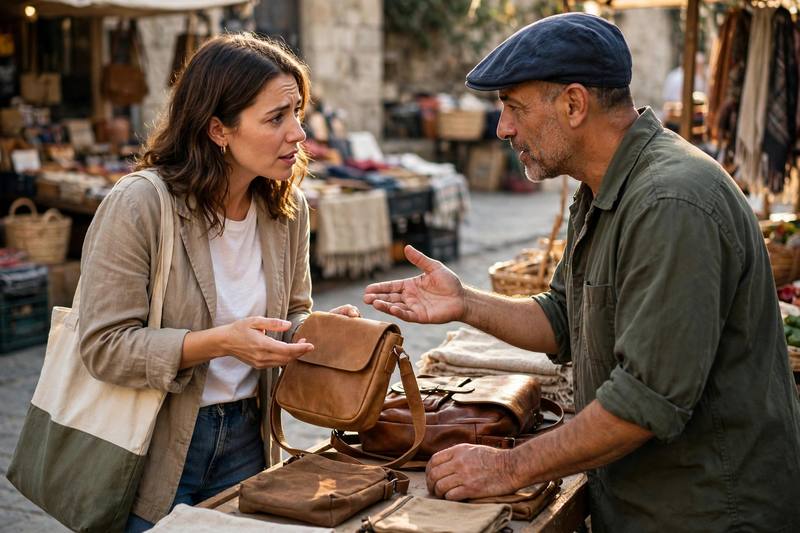

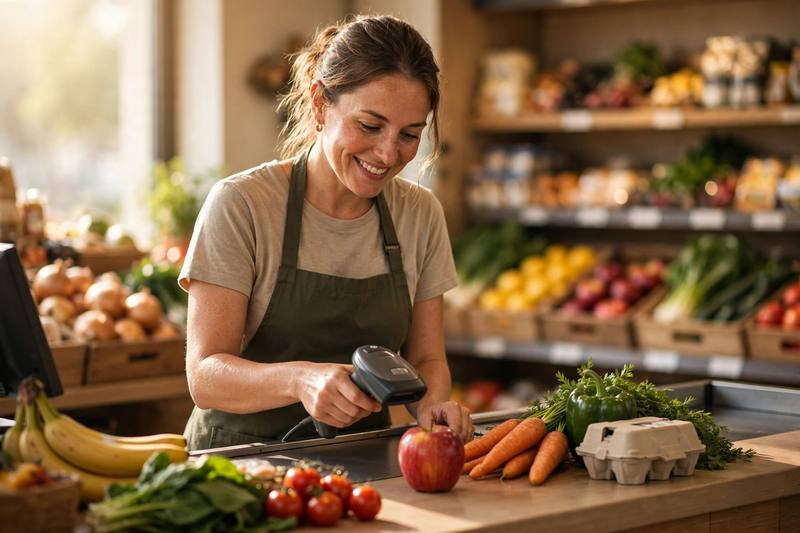
Podcast: Money & Shopping
Listen to today’s conversation.
📝 Podcast Transcript
Hello everyone, and welcome back to Word Kitchen, the show where we cook up ten delicious new English words every day. I am Maya.
And I am Lena, and today our kitchen smells like fresh coffee and new clothes, because our theme is money and shopping.
That is right. Ten words about how we spend, save, and talk about money. And our first word is a classic: haggle.
Haggle. I love that word. To haggle means to argue with the seller about the price, to try to pay less.
Exactly. When you haggle, you say, hmm, that is too expensive, and the seller says something back, and you go back and forth until you agree.
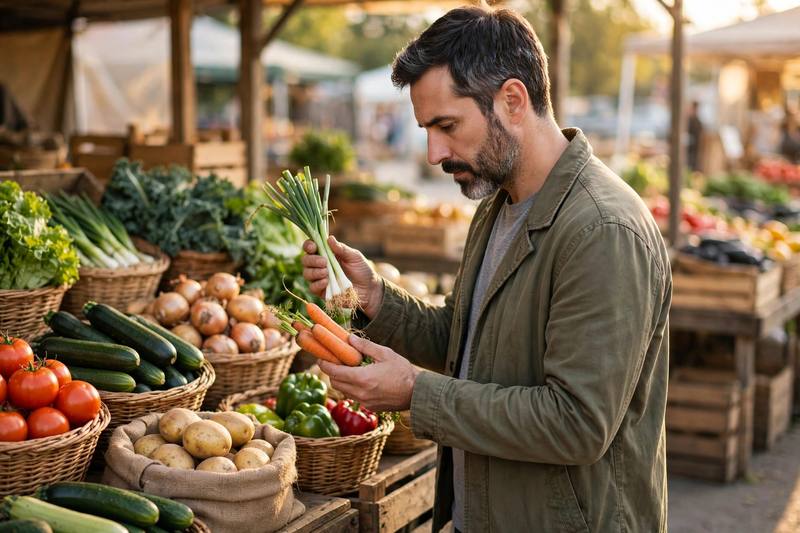
I always haggle at the weekend market near my house. The first price is never the real price.
You are good at it too. Last week you went to haggle over a rug, and you got it for half the first price.
Well, I learned to haggle from my mother. She can haggle anywhere, even in fancy shops, and she always wins.
That is impressive. Some people feel shy, but if you never haggle, you always pay too much.
True. Okay, word number two: splurge. This one is the opposite of haggling, in a way.
Yes. To splurge means to spend a lot of money on something you want but do not really need, something special.
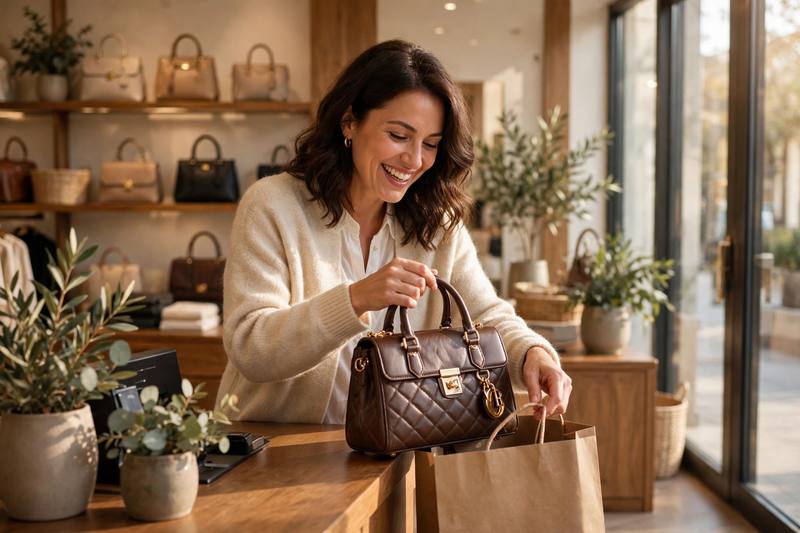
Like last month, I decided to splurge on a beautiful leather bag. I had saved for weeks.
And it was worth it. When you splurge once in a while, it feels like a reward for your hard work.
Exactly. My brother never likes to splurge. He says saving is better than spending, but I think a small splurge now and then keeps life fun.
I agree. The key is balance. You work hard, so sometimes you can splurge on something that makes you happy.
Word number three is frugal. A frugal person is careful not to waste money.
A frugal friend of mine brings lunch from home every day instead of buying food downtown.
That is smart. Being frugal does not mean being cheap with other people. It means you think before you spend.
Right. My grandmother is frugal. She mends her clothes instead of throwing them away, and she has a big savings account.
I want to be more frugal this year. I read that frugal people often feel less stressed about money.
Probably true. If you are frugal with small things, you have money for the big things that matter.
Word four: thrifty. It is very close to frugal. A thrifty person uses money carefully and wisely.
Yes, thrifty is a lovely positive word. A thrifty shopper always compares prices before buying.
My dad is the thriftiest person I know. He buys good tools once instead of cheap tools twice.
That is the thrifty way of thinking. Spend wisely now, save money later.
And thrifty people love a good deal. My aunt is thrifty, and she taught me to check three stores before I buy anything.
Good advice. Being thrifty is a skill you can practice every day.
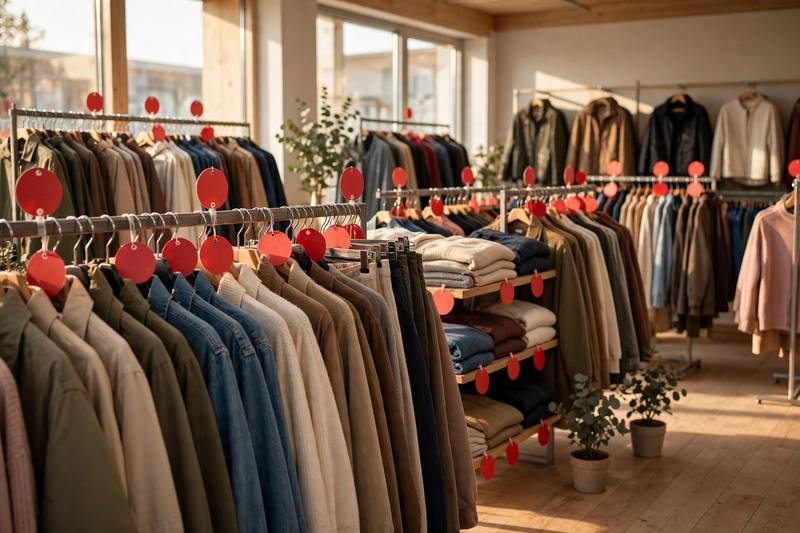
Word five is clearance. A clearance sale is when a shop sells old stock at very low prices to make space for new things.
I love clearance sales. Last winter I found a coat at a clearance sale for almost nothing.
That is the best part of clearance. The shop wants the old season gone, and you get a bargain.
Just remember that clearance items are often final sale, so check the size before you buy.
Good tip. I once bought shoes at a clearance sale without trying them, and they never fit.
Still, a clearance rack is like a treasure hunt. You never know what you will find.
Word six: invoice. An invoice is a written bill that shows what you have to pay.
When you buy things for a company, they send you an invoice with every item listed.
Right. My friend is a photographer, and after every job she sends the client an invoice for her work.
Always check the invoice carefully. Last year a hotel sent me an invoice with an extra night I never stayed.
That happens. If the invoice is wrong, you call them and they fix it.
Keep every invoice for big purchases too. If something breaks, the invoice proves you bought it.
Word seven is surcharge. A surcharge is an extra charge added to the normal price.
Like at the airport, where the airline adds a fuel surcharge to every ticket.
Exactly. And some restaurants add a surcharge on holidays, so the menu price is not the final price.
That is annoying. A surcharge should be clear before you pay, not a surprise at the end.
I agree. I always ask if there is a surcharge before I order anything extra.
Once a taxi driver tried to add a night surcharge at noon, and I said no way.
Good for you. Watch out for the hidden surcharge, everyone.
Word eight: outlet. An outlet is a shop that sells famous brands at lower prices.
I went to an outlet mall last month and bought sneakers for half the city price.
Outlet stores are great for sportswear. The same shoes cost so much more in the regular shop.
True. The outlet is usually outside the city, so you need a car or a bus to get there.
Worth the trip though. Every outlet has end-of-season styles with big discounts.
My favorite outlet trip was with you. We found jackets, bags, and jeans in one afternoon.
Word nine: retail. Retail is the sale of goods directly to customers in shops, the normal shop price.
So the retail price is what you see on the tag in the store.
Exactly. That jacket has a retail price of two hundred dollars, but I got it online for much less.
Retail shops have higher prices because they pay rent and staff. Online stores often skip those costs.
Still, I like to try clothes on in a retail store before I buy them.
Me too. The retail experience lets you touch the fabric and check the size.
And the last word for today is cashier. A cashier is the person who takes your money at the shop.
The cashier at my supermarket is so friendly. She always asks about my day.
A good cashier makes shopping pleasant. The cashier smiled and packed my bags carefully yesterday.
Sometimes the cashier is faster than the self-checkout machine, especially with a full cart.
True. I prefer a human cashier when I have a lot of groceries.
Okay, let us review our ten words quickly with a little story.
Great idea. Last Saturday, my thrifty sister and I went to the outlet mall.
She wanted to haggle, but you cannot haggle in an outlet, the prices are already low.
Right. She is frugal, so she checked the retail price on her phone first.
Then she found a coat on the clearance rack and decided to splurge on it.
The cashier scanned it and said there was no surcharge, just the sale price.
And the shop sent the invoice to her email, so she has proof of the purchase.
She is thrifty and frugal at the same time, a smart shopper.
And she promised she would not splurge again until her birthday.
Promises are easy to make. Let us see if she can resist the next clearance sale.
She might haggle at the market instead. Haggling is free and fun.
And when the cashier at the market hears her price, he always laughs.
Every outlet needs a good cashier and clear invoices, no hidden surcharge anywhere.
That is our show for today. Ten words, one story, and lots of shopping.
Remember, practice these words out loud, and join us tomorrow for ten more.
Bye everyone.
Bye.
Before we go, let us give our listeners a few shopping tips using today's words.
Good idea. Tip one: always haggle at markets. The first price is just the start of the conversation.
And if you are too shy to haggle, bring a friend who loves to haggle with you.
Tip two: plan your splurge moments. Save a little each month, then splurge on something you really love.
That way the splurge feels like a celebration, not a mistake.
Tip three: be frugal with everyday things so you can afford the important ones. A frugal habit like cooking at home saves a fortune over a year.
Tip four: stay thrifty when you shop online too. Thrifty buyers read reviews and compare three prices.
Tip five: check the clearance section first in every store. Clearance racks hide the best deals.
Tip six: read every invoice line by line. An invoice with a mistake can cost you real money.
Tip seven: ask about any surcharge before you pay. No one likes a surprise surcharge on the bill.
Tip eight: visit an outlet when you need brands for less. An outlet day trip can be fun with friends.
Tip nine: remember that the retail price is only a suggestion. Smart shoppers rarely pay full retail.
Tip ten: be kind to your cashier. A friendly word to the cashier makes everyone's day better.
Those are wonderful tips. Shopping is easier when you know the words.
And when you know the words, you can haggle better, splurge wisely, and stay frugal and thrifty.
You will read every invoice, question every surcharge, and love every clearance sale.
The outlet will welcome you, the retail tags will not scare you, and the cashier will be your friend.
That is a perfect ending. See you tomorrow, everyone.
Goodbye from Word Kitchen.
Goodbye.
🎙 Try Shadowing free sample
Listen and repeat along with the studio audio. Full shadowing practice with pronunciation scoring is in the app.
My sister loves to haggle at the weekend market.
It takes practice to haggle well with street sellers.
She learned to haggle from our clever mother.
Train your speaking
Shadow every sentence with studio audio and get your pronunciation scored — only in the Muse English app.
📝Grammar: Articles - a / an, the, no article
Use **a** or **an** with singular countable nouns when you say what something is or what somebody does. She is **a** cashier in a big store. Use **a/an** for the first mention of a thing or person. I found **a** clearance sale; **the** sale ends on Sunday. Use **a/an** in exclamations with **What...!**. What **a** big surcharge on that invoice! Use **a/an** in expressions of frequency. We visit the outlet **twice a month**. Use **the** when you have already mentioned something, or when the meaning is clear. I saw **a** cashier, and **the** cashier helped me. Use **the** for the only one o
Master this grammar in the app
Get clear explanations, more examples and interactive exercises.
Keep learning every day
New lessons, podcasts and quizzes daily — free in the Muse English app.