

📖 What is Muse English?
Muse English is a free English learning app with daily lessons across all 6 CEFR levels (A1 Beginner to C2 Proficient). Every day brings new vocabulary, a real podcast conversation, shadowing practice, grammar and quizzes — all at museenglishapp.com.
📚 Vocabulary
10 new words Learn new words with real examples and audio.
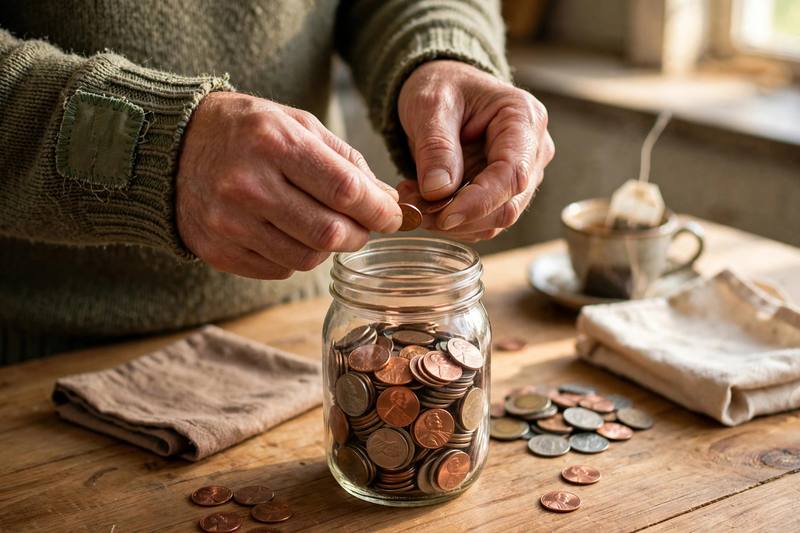

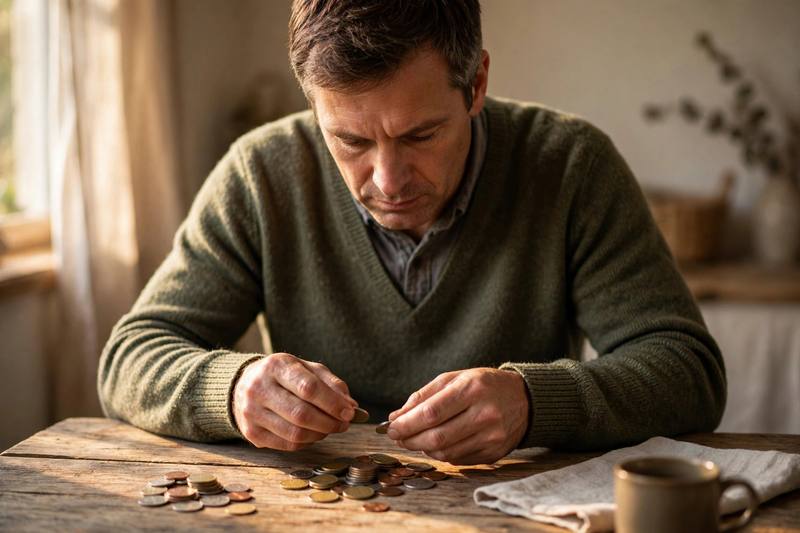




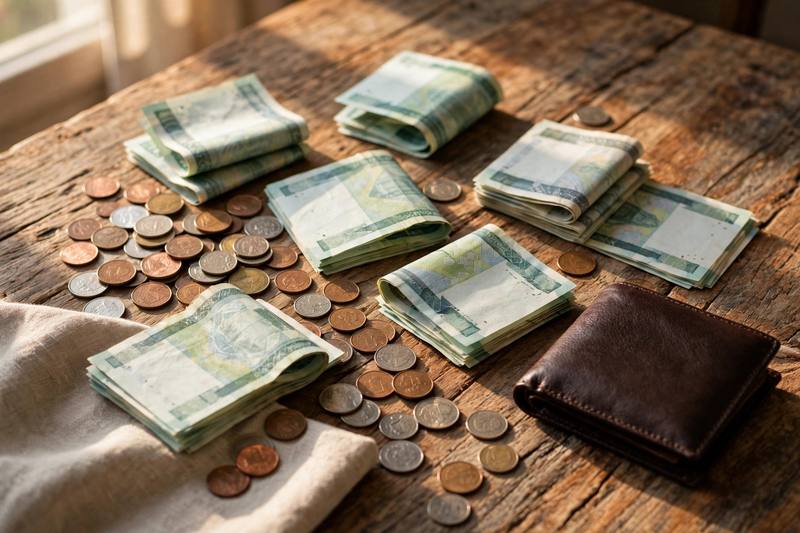
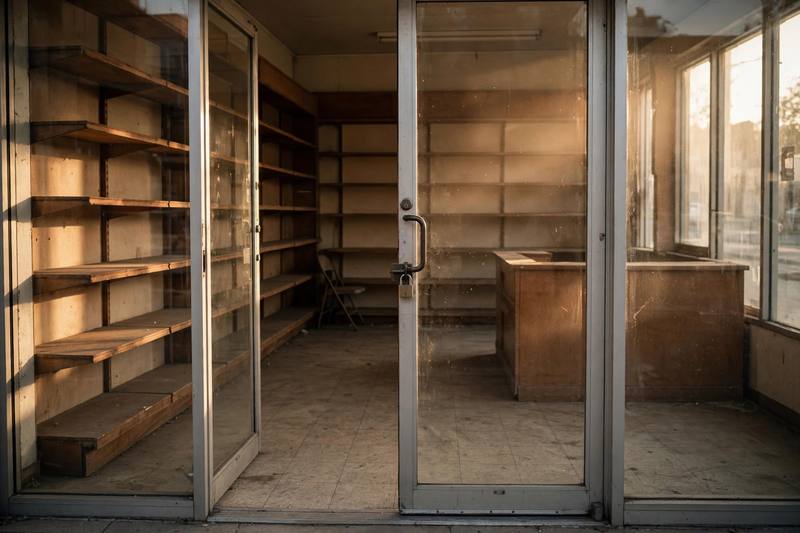
Podcast: Money & Shopping
Listen to today’s conversation.
📝 Podcast Transcript
Welcome back to Word Kitchen, the show where we cook up English vocabulary you can actually use. I'm Maya.
And I'm Lena. Today's episode is all about money: spending it, saving it, and the strange psychology behind how we shop.
We have ten advanced words for you today, and every single one of them will change the way you talk about money. Let's start with a confession, Lena. Do you ever splurge?
Oh, absolutely. I try to be sensible, but every few months I just splurge on something completely unnecessary. Last spring I walked past a shoe shop, and before I knew it, I had splurged on a pair of ridiculous Italian leather boots.
I love that. Honestly, I think an occasional splurge is healthy. If you never splurge, saving starts to feel like punishment. My rule is simple: I plan one big splurge per season, and then I enjoy it without any guilt.
That's the key word, planned. A planned splurge feels like a reward. An impulsive splurge at midnight feels like a mistake in the morning. When you splurge with intention, money becomes a tool for joy instead of a source of regret.
But here's the reality. To afford that splurge, I have to scrimp somewhere else. For two months before buying my camera, I would scrimp on everything: no eating out, no taxis, no new clothes. I just scrimped and scrimped until the savings finally added up.
I respect that so much. When people scrimp for a clear goal, it builds real discipline. My grandmother used to scrimp her whole life, and she always said the secret to scrimping is keeping a picture of your goal on the fridge, where you can see it every day.
That's beautiful. And honestly, learning to scrimp is one of the most underrated financial skills in the world. Anyone can spend money, but it takes real character to scrimp when everyone around you is buying new things.
Now let's talk about the opposite extreme: profligate spending. You know those stories about lottery winners who go from rich to broke in three years? That is classic profligate behavior. They don't just spend; they spend with zero thought for tomorrow.
It's fascinating and a little tragic. Researchers say that profligate habits are actually contagious in certain social circles. If your friends are profligate with money, you start to feel cheap for saying no to dinner. And the most profligate people I know are usually the ones trying hardest to look wealthy.
Exactly. Real wealth is quiet. Profligate spending is loud. And here's the dark side that nobody talks about: profligate decisions by executives can destroy entire companies. But we'll come back to that.
On the flip side, there's the famous parsimonious billionaire. You hear about billionaires who are famously parsimonious: they drive twenty-year-old cars, they fly economy class, they reuse their tea bags. It sounds admirable, but being parsimonious can also make life joyless.
There is a real difference between being wise with money and being parsimonious to the point of suffering. I once worked for a boss so parsimonious that he would wash and reuse the office coffee filters. That is not discipline; that is a parsimonious mindset taken way too far.
The sweet spot is somewhere between parsimonious and generous. You want to be thoughtful with money, not fearful of it. A parsimonious life might protect your bank account, but it can starve your happiness.
Let's move to our next word: opulent. When I hear opulent, I picture those hotel lobbies with marble floors, crystal chandeliers, and gold everywhere. Opulent spaces are designed to impress you, to make you feel small and rich at the same time.
And opulent marketing works because our brains connect luxury with quality. But here is the trap: the most opulent restaurant in town is not always the best one. I have had better food at a tiny family-run place than at some opulent five-star palace where the waiter judged my shoes.
So true. Opulent does not mean excellent. It just means expensive-looking. Remember that the next time an opulent advertisement tries to convince you that luxury equals happiness.
Now let's talk about how things actually get sold. The verb peddle is a wonderful word. Originally it meant selling goods door to door, traveling from place to place. Today, influencers peddle everything: skincare routines, online courses, miracle teas. They peddle products to millions of followers without ever leaving their bedrooms.
And street vendors still peddle the old-fashioned way, which I honestly respect more. When someone peddles fresh fruit on a hot street all day, that is real honest work. But when a celebrity peddles a supplement they have clearly never touched, that is just dishonest marketing.
That connects perfectly to our next word: monetize. So many people today are trying to monetize their hobbies. Can you monetize your baking? Can you monetize your gaming videos? The pressure to monetize every single passion is honestly exhausting.
It really is. The moment you monetize something you love, it turns into work. I monetized my photography for about a year, and suddenly every sunset became a business decision. If you want to monetize a hobby, go in with your eyes open, because the money changes your relationship with it.
The smartest advice I ever heard on this: don't try to monetize your hobby until you would happily do it for free. Most successful creators started that way. They did it for love, they built an audience, and then they were able to monetize naturally, without forcing it.
Now, a word every shopper needs to know: upsell. To upsell means to persuade a customer to buy something more expensive, or to add something extra. The classic upsell happens at the fast-food counter: would you like to make that a large meal? That is an upsell in its purest form.
Car salespeople are the true masters of the upsell. You walk in planning to buy the basic model, and suddenly they are trying to upsell you to the premium package with heated seats and a sunroof you will never use. Once you understand the upsell, you start seeing it everywhere: the extended warranty, the dessert menu, the premium subscription tier.
My personal defense against the upsell is simple: I decide exactly what I want before I walk into the store. If you know your answer in advance, no upsell in the world can touch you. The upsell only works on people who haven't decided yet.
Let's get a little formal with our next word: pecuniary. It is an adjective meaning relating to money, and you will mostly find it in legal and academic writing. Lawyers talk about pecuniary motives, pecuniary damages, and pecuniary interests. For example, a court might award pecuniary compensation to victims of fraud. It sounds serious because it is serious: pecuniary is the language of contracts, courts, and consequences.
I love that distinction. Pecuniary is the word you reach for when the word money sounds too casual. If a friend asks why you took a second job, you say you needed the money. But if a lawyer asks, it was a pecuniary decision. Same meaning, completely different register.
And finally, our tenth word: insolvent. When a person or a company cannot pay its debts, they are insolvent. Remember those profligate executives we talked about earlier? Their reckless spending drove the company straight toward becoming insolvent. Once a business is officially declared insolvent, the creditors line up, the offices close, and the dream is over.
It is a harsh word. Being insolvent does not simply mean being poor; it means breaking promises to people who trusted you. And here is the lesson that connects everything we discussed today: the road from profligate spending to insolvent is much shorter than most people think. But the road from small, careful habits to real freedom? That is the one worth walking.
Before we wrap up, Lena, let me ask you something. We talked about the parsimonious billionaire and the profligate lottery winner. Which extreme do you think is more dangerous?
Honestly? The profligate one. A parsimonious person might miss out on some joy, but a profligate spender can end up insolvent and hurt everyone around them. I have seen families torn apart by one member's profligate habits.
That is a fair point. And there is another modern trap: people who look opulent on social media while secretly drowning in debt. They peddle this image of effortless success, they monetize the lifestyle content, and meanwhile the pecuniary reality behind the camera is terrifying.
Yes! The influencer filming in an opulent rented mansion, trying to upsell you a course on getting rich, while their own business is nearly insolvent. The irony is painful. If you have to scrimp just to maintain the appearance of a splurge lifestyle, something has gone very wrong.
Couldn't agree more. Real financial wisdom is boring: earn, save, invest, and allow yourself the occasional honest splurge.
Beautifully said. Let's do a quick recap of our ten words. A splurge is an occasional big treat, and scrimping is how you earn it. Profligate means recklessly wasteful, while parsimonious means extremely unwilling to spend. Opulent describes flashy luxury, and to peddle is to sell persistently. To monetize is to turn something into income, to upsell is to push a pricier option, pecuniary means relating to money, and insolvent means unable to pay your debts.
Ten words, one theme, and a whole new way to talk about money. Try using two or three of them in conversation this week. Tell a friend about the last time you decided to splurge, or describe a shop that tried to upsell you. That's how vocabulary sticks.
Thanks for listening to Word Kitchen. I'm Maya.
And I'm Lena. Spend wisely, and we'll see you next time.
🎙 Try Shadowing free sample
Listen and repeat along with the studio audio. Full shadowing practice with pronunciation scoring is in the app.
The Market Lesson
When I was twenty, I believed that a splurge was the best cure for a bad day.
Every Friday after work, I would splurge on clothes I barely wore.
Train your speaking
Shadow every sentence with studio audio and get your pronunciation scored — only in the Muse English app.
📝Grammar: The Passive (all tenses)
We form the passive with **be + past participle**: *was closed*, *are counted*, *has been damaged*. The tense always lives in the verb **be**. Use the passive when the doer is unknown, obvious, or simply unimportant. The object of the active verb becomes the new subject: *A fortune was splurged on the launch* (we don't care who spent it). Add **by + agent** only when the doer is important or surprising: *The recipe was monetized by a clever baker.* Without **by**, the focus stays on the action itself. Negatives and questions follow the normal rules for **be**: *The tickets haven't been coll
Master this grammar in the app
Get clear explanations, more examples and interactive exercises.
Keep learning every day
New lessons, podcasts and quizzes daily — free in the Muse English app.