
📖 What is Muse English?
Muse English is a free English learning app with daily lessons across all 6 CEFR levels (A1 Beginner to C2 Proficient). Every day brings new vocabulary, a real podcast conversation, shadowing practice, grammar and quizzes — all at museenglishapp.com.
📚 Vocabulary
10 new words Learn new words with real examples and audio.




Podcast: Money & Shopping
Listen to today’s conversation.
📝 Podcast Transcript
Welcome to Word Kitchen, the show where advanced English learners cook up real, natural conversation. I'm Maya.
And I'm Lena. Today's episode is all about something that touches absolutely everyone's life: money and shopping.
Before we dive in, a quick reminder. Everything we discuss today is about language, not financial advice. We are word nerds, not bankers.
Very important. We can teach you to say exorbitant beautifully. We cannot teach you to avoid exorbitant rent.
Ha. Fair enough. So, Maya, let's start with a confession. What was your most ridiculous splurge ever?
Oh no, we're starting with confessions? Fine. Mine was a designer coat I bought on a trip. A total splurge. I have worn it exactly twice.
Twice! That coat cost more per wear than my car. My worst splurge was a gadget I never learned to use. It is still in its box.
The classic unused-gadget splurge. At least we learned something: a splurge you regret teaches you more than a splurge you enjoy.
True. And now I ask myself one question before any big purchase: will future me thank present me, or curse her?
From the thrill of a splurge to the discipline of frugality, money shapes our daily choices in ways we rarely stop to notice.
Exactly. And the English vocabulary around money is wonderfully rich. Take the word affluence, for example. It doesn't just mean being rich. It suggests a quiet, established kind of prosperity.
That's a great distinction, Lena. Real affluence rarely announces itself. I once visited a neighborhood of old affluence, where the houses were beautiful but modest, and nobody drove anything flashy.
Compare that with conspicuous consumption, which is the exact opposite of quiet affluence. Some people genuinely want their wealth to be conspicuous, don't they?
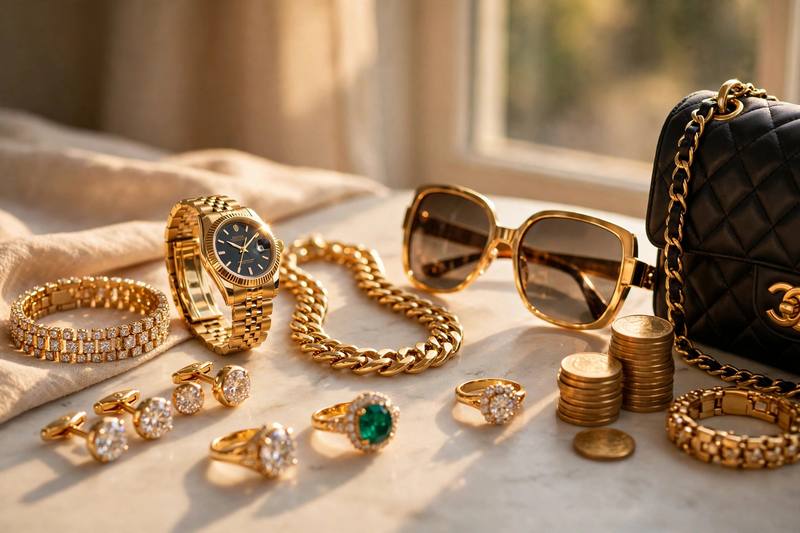
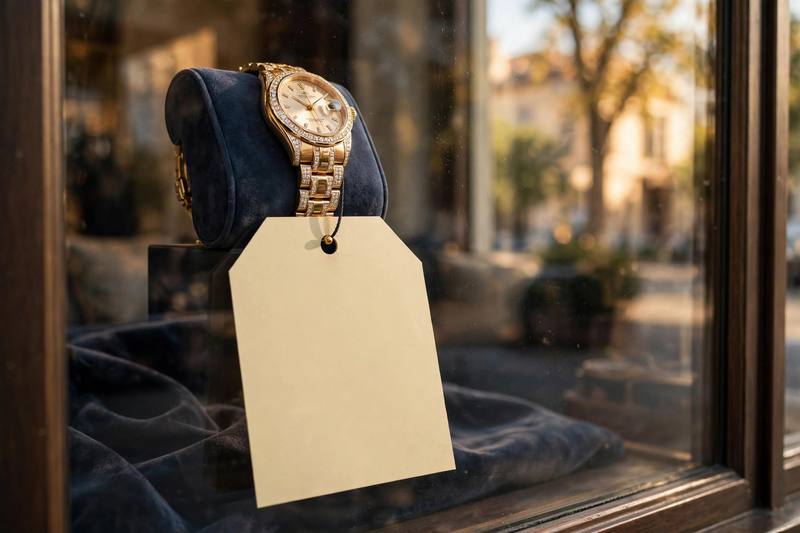
They do. A conspicuous lifestyle is built to be seen: the sports car, the designer handbag, the watch that costs more than a house. There is nothing subtle about it.
Psychologists say that conspicuous spending is often about status anxiety. People buy conspicuous things not because they need them, but because they want other people to notice.
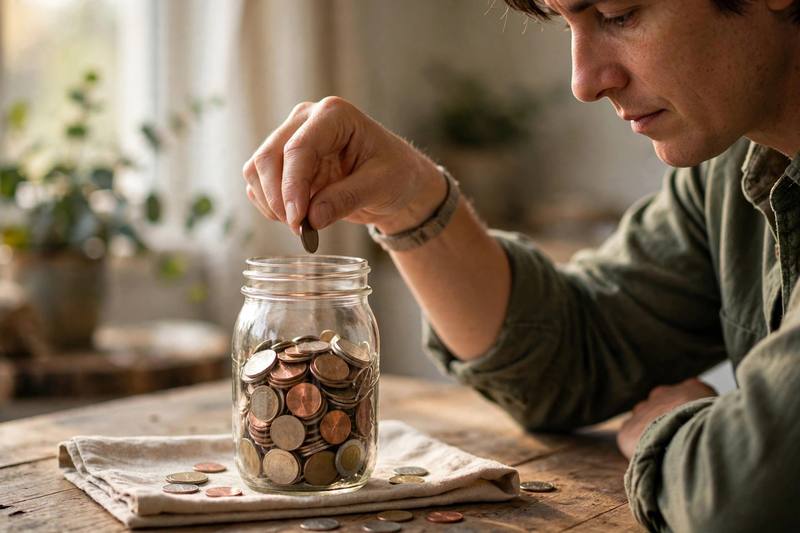
Meanwhile, at the other end of the spectrum, there is frugality. And frugality has become almost fashionable lately, hasn't it?
It really has. Social media is full of people celebrating frugality, sharing stories about how frugality helped them save for a house or pay off their debts.
I admire that. True frugality isn't about misery. It's about being intentional with every dollar. My grandmother practiced a kind of cheerful frugality her whole life, and she never once felt poor.
There is a fine line, though, between healthy frugality and a mindset of scarcity. But let's shift to shopping itself. Maya, are you someone who likes to haggle?
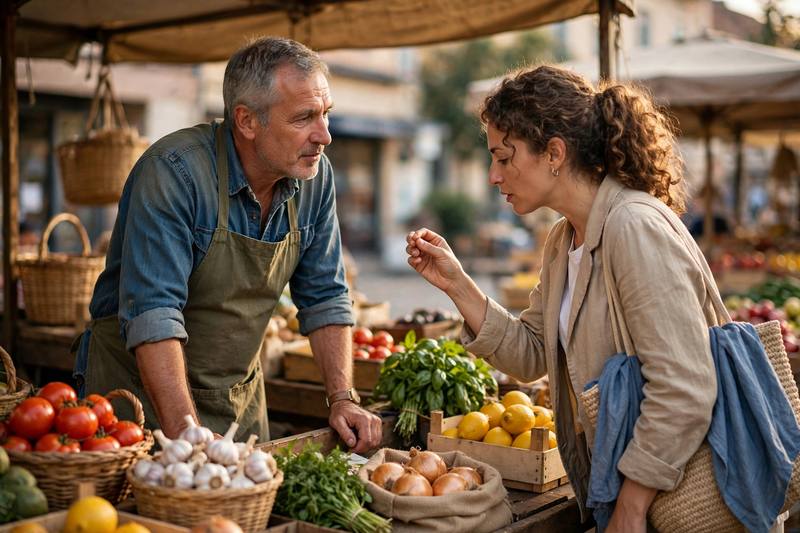
Oh, I love to haggle, but only where it's culturally expected. At a flea market, refusing to haggle feels like leaving money on the table.
In some countries, if you don't haggle, the seller is almost disappointed. My friend tried to haggle in a fixed-price department store once, though, and the cashier just stared at her.
Ha. Knowing when to haggle is a social skill in itself. You haggle at a bazaar. You don't haggle at a supermarket checkout.
What about the opposite extreme, when a price feels completely unreasonable? That's where the word extortionate comes in.
Yes. An extortionate price is so high it feels almost like robbery. Airport coffee prices are extortionate, don't you think?
Completely extortionate. And it's not just airports. Event venues charge extortionate fees for bottled water and snacks because they know you're trapped.
The trick is recognizing an extortionate price before you pay it. If something feels extortionate, it probably is.
A close cousin of extortionate is exorbitant. An exorbitant rent can eat half your paycheck.
Exorbitant is such a useful word. I once turned down a job in another city because the exorbitant housing costs would have wiped out the entire raise.
Renters everywhere are fighting exorbitant prices right now. When exorbitant costs meet stagnant wages, something eventually has to give.
Which brings us to austerity. When governments or families cut spending hard, we call it austerity.
Austerity measures are never popular. After a financial crisis, austerity usually means frozen wages, slashed budgets, and a lot of unhappy voters.
On a personal level, though, a short period of austerity can be a useful reset. I did a month of personal austerity once, cooking everything at home, and my savings jumped noticeably.
That's self-imposed austerity, which is very different from forced austerity. Having a choice makes all the difference.
Speaking of debt, let's talk about indebtedness. It's a formal word, but it captures something serious: the state of owing money.
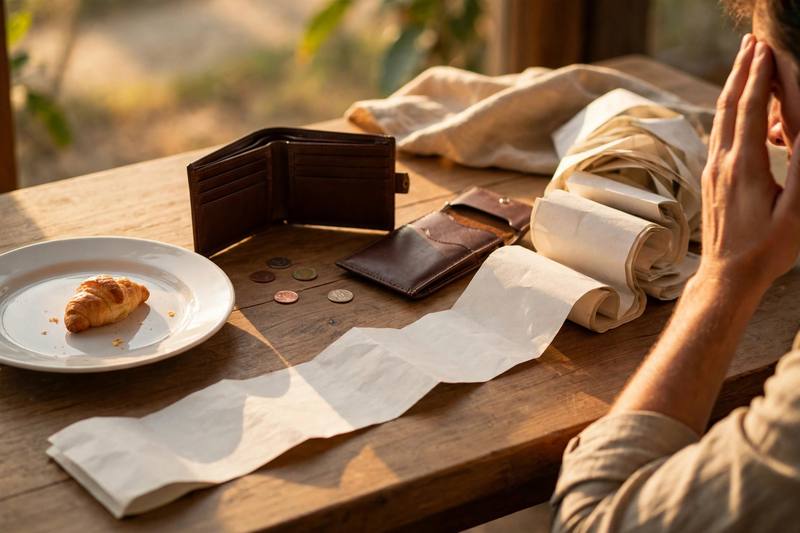
Indebtedness can creep up silently. Credit cards make indebtedness feel painless, right up until the bill arrives.
Student loan indebtedness shapes a whole generation's choices, from careers to marriage. That level of indebtedness is genuinely hard to escape.
And national indebtedness affects interest rates for everyone. So indebtedness isn't just personal. It's systemic.
On the brighter side, there is opulence. Opulence is wealth you can see and feel: marble floors, gold fixtures, crystal chandeliers.
I stayed in a hotel once that dripped with opulence. Pure opulence, from the lobby right down to the bathroom taps.
Opulence can be fun to visit, but living in permanent opulence sounds exhausting. Who honestly needs that much gold?
Some people do. For them, opulence is the whole point of success: visible, undeniable opulence.
And then there's the splurge. Everyone deserves an occasional splurge, right?
Absolutely. A splurge is a planned blowout, not an accident. My last big splurge was a weekend trip that I saved for all year.
That's the healthy kind of splurge. The dangerous kind is the emotional splurge, when a bad day turns into a full online shopping cart.
Guilty as charged. But honestly, a small, deliberate splurge now and then keeps long-term frugality sustainable. Even the most disciplined budget needs a splurge valve.
You know, Lena, I was reading about how different cultures view affluence, and it struck me that in some places, showing affluence is actually considered generous. Hosting a lavish dinner is a sign of respect.
That's true. In those cultures, hiding your affluence might even seem rude. Context really decides whether wealth should be quiet or conspicuous.
And conspicuous giving exists too. Think of charity galas where donations are deliberately conspicuous. The goal is to inspire others to give.
Interesting. So conspicuous isn't always shallow. It depends on the motive behind it.
Exactly. Now, let's talk tactics. When you haggle, what's your opening move?
I usually offer about two thirds of the asking price, then let them haggle me upward. The key to a good haggle is being willing to walk away.
Walking away is the strongest move. If the seller sees you leave, they'll often chase you with a better price. But you can only haggle like that where haggling is welcome.
True. And you should never haggle aggressively over tiny amounts with someone who clearly needs the sale. That is just mean.
On the subject of unfair prices, I think extortionate has a funnier side too. My gym charges an extortionate fee for a towel. A towel!
That is extortionate. Though I wonder, do businesses set extortionate prices because they can, or because enough people simply pay them?
Both, probably. Once customers accept an extortionate price, it becomes the new normal. That's why calling it out matters.
Same logic with exorbitant fees in banking. People grumble about exorbitant overdraft charges, but they keep paying them.
The antidote, for me, is planned frugality. I set a monthly fun budget, and that little bit of frugality gives me freedom instead of guilt.
I like that framing. Frugality as freedom. It's the opposite of the deprivation story, where frugality feels like punishment.
Right. And when frugality becomes a habit, resisting a splurge gets easier, which makes the occasional splurge feel genuinely special.
That is the paradox. A life of total austerity makes every small pleasure feel like a splurge, which kind of defeats the purpose.
Unless the austerity is temporary and strategic. I know couples who did two years of strict austerity to save a house deposit, then relaxed completely.
Two years of austerity takes serious teamwork. But compare that with involuntary indebtedness, where people cut spending and still sink deeper.
Indebtedness is the cruelest trap because the interest compounds while you sleep. Escaping serious indebtedness requires a plan, not just willpower.
Financial advisors always say the same thing: attack high-interest indebtedness first, and automate the payments so you never miss one.
Let's end on a lighter note. If you won the lottery tomorrow, would you choose quiet affluence or full opulence?
Oh, full opulence for exactly one weekend. I'd book the most opulent suite in the city, order absolutely everything, and then go straight back to my normal life.
I love that. A taste of opulence without the maintenance. Because real, everyday opulence comes with staff, security, and stress.
And the memories of one opulent weekend would fuel my frugality for years. See? Even opulence can serve frugality.
Ha. Only on Word Kitchen could opulence and frugality become best friends.
So to wrap up: whether you're practicing frugality, avoiding indebtedness, or allowing yourself a splurge, the words you use shape the way you think.
They really do. From quiet affluence to loud opulence, from haggling at markets to dodging extortionate prices, money gives us a whole vocabulary of human behavior.
And exorbitant costs and austerity budgets remind us that money is never just numbers. It's choices, values, and trade-offs.
Beautifully put. Thanks for joining us on Word Kitchen. Practice these words, use them in real conversation, and we'll see you next time.
See you next time.
🎙 Try Shadowing free sample
Listen and repeat along with the studio audio. Full shadowing practice with pronunciation scoring is in the app.
The Market and the Mansion
Nadia grew up in a neighborhood of quiet affluence.
Her parents never showed their affluence, but everyone sensed it.
Train your speaking
Shadow every sentence with studio audio and get your pronunciation scored — only in the Muse English app.
📝Grammar: Present simple and continuous, action and non-action verbs
Use the **present simple** for things that are always true or happen regularly. Quiet affluence **whispers**; conspicuous wealth **shouts**. Mind the third-person singular spelling: she **haggles** at dawn markets, he **studies** auction catalogues. The rules give us **lives**, **studies**, **watches**. In questions, follow **ASI** (Auxiliary, Subject, Infinitive), or **QuASI** when a question word leads. **Do** you **know** a dealer who **charges** extortionate fees? Adverbs of frequency go **before** the main verb but **after be**. She **always** resists a splurge; the prices **are usuall
Master this grammar in the app
Get clear explanations, more examples and interactive exercises.
Keep learning every day
New lessons, podcasts and quizzes daily — free in the Muse English app.