
📖 What is Muse English?
Muse English is a free English learning app with daily lessons across all 6 CEFR levels (A1 Beginner to C2 Proficient). Every day brings new vocabulary, a real podcast conversation, shadowing practice, grammar and quizzes — all at museenglishapp.com.
📚 Vocabulary
10 new words Learn new words with real examples and audio.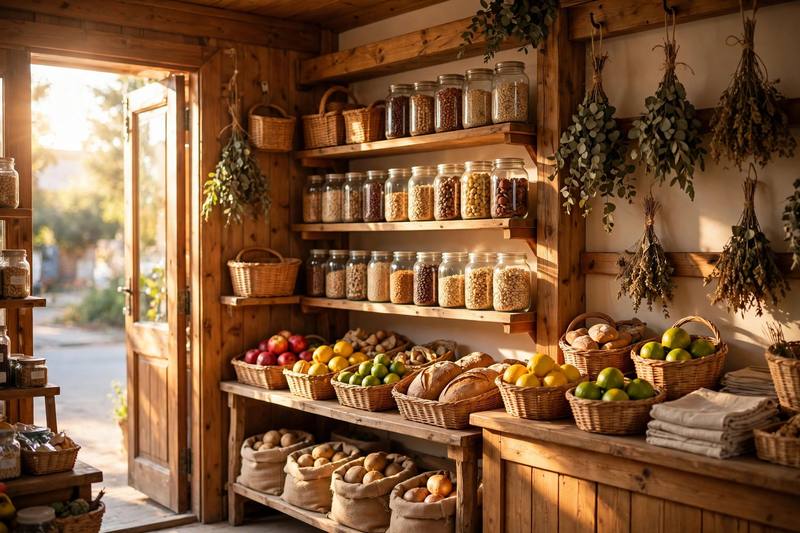
Podcast: Cities & Daily Life
Listen to today’s conversation.
📝 Podcast Transcript
Hi everyone, and welcome to Word Kitchen!
Hi! I am Lena, and this is Maya. Today we talk about the city. Our theme is cities and daily life.
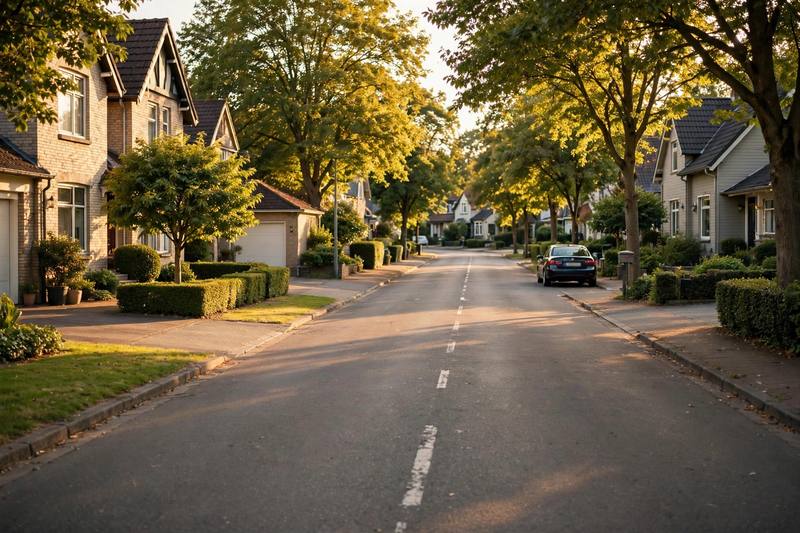
Yes! A city has many places. Let us start with "street". Every city has a street. I live on a quiet street. The street near my house is small. In the morning, I walk on that street to the bus stop.
A street is a road in a city. Houses and shops stand on a street. My street is very busy. On my street there is a bakery and a small shop.
Oh, "shop"! A shop is a place where you buy things. I go to the shop every day. I buy milk at the shop. The shop near my house opens at eight. The people in the shop are very friendly.
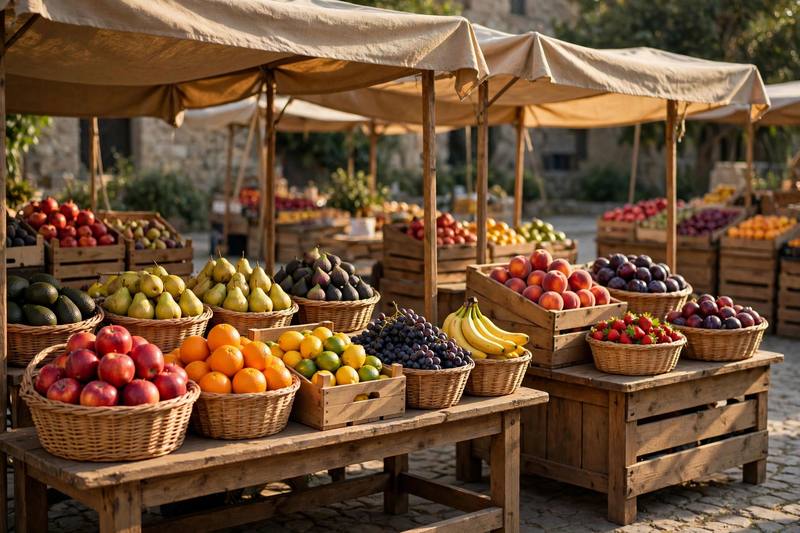
I love the shop on my street too. And I love the "market". A market is a big place with many small shops. At the market, people sell fruit, vegetables, and fish. I go to the market on Saturdays. The market has fresh apples. At the market you can also meet your friends.
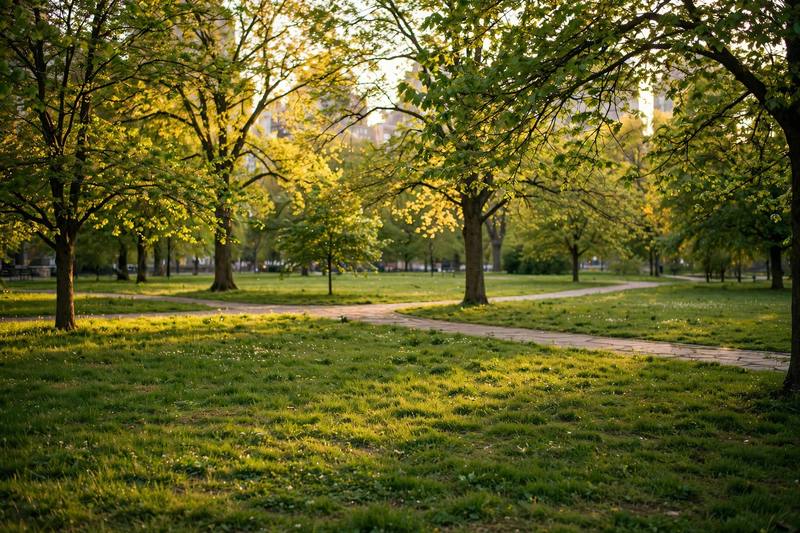
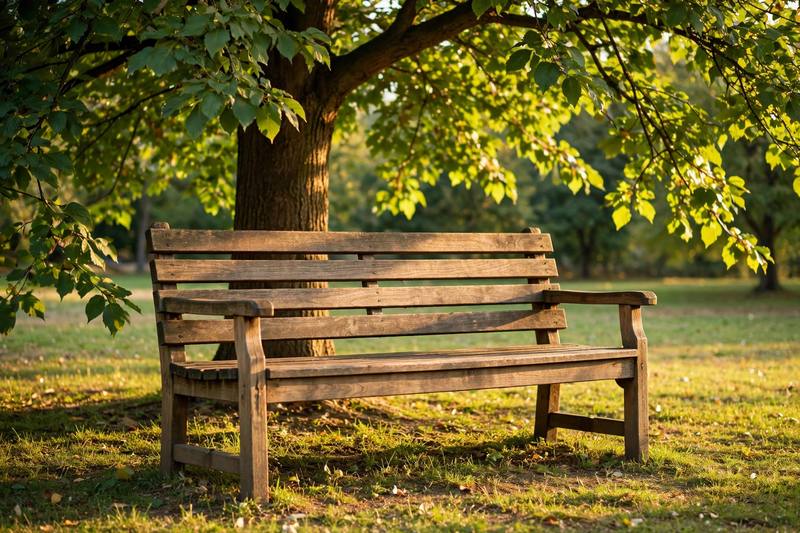
Yes, the market is great. Now, where do children play? In the "park". A park is a green place with trees and grass. Our city has a big park. In the park there is a bench under every tree. A bench is a long seat. I sit on a bench and read a book. In the morning, old people walk in the park. The park is quiet and beautiful.
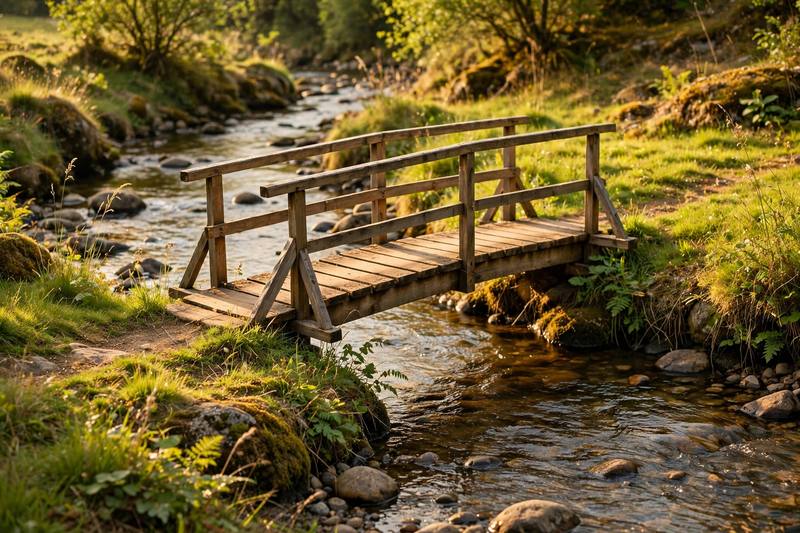
I love the park too. And what about the "bridge"? A bridge is a road over water. Our city has a river, and there is a bridge over the river. I walk over the bridge to work every day. The bridge is old and beautiful. At night the bridge has many lights. From the bridge you can see the whole city.
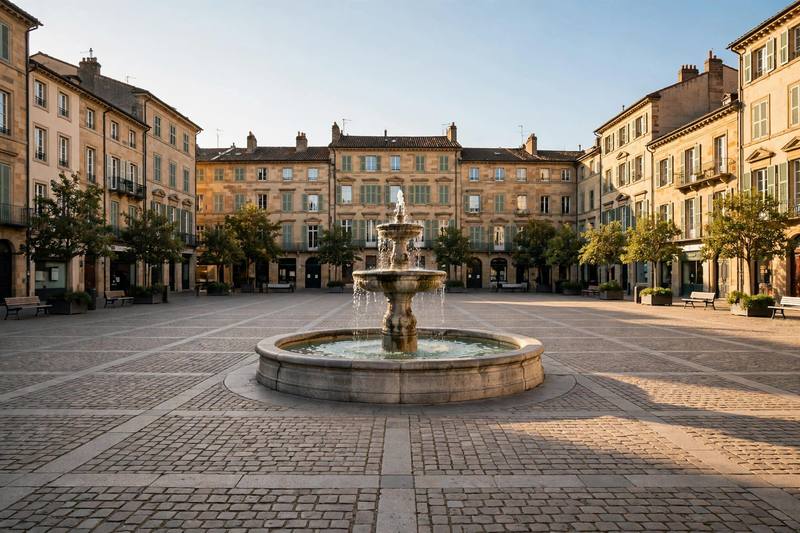
Wonderful. What about the "square"? A square is a big open place in the city. Many cities have a square in the center. People meet at the square. In our square there is a fountain. Children play near the fountain. On Sundays there is music at the square.
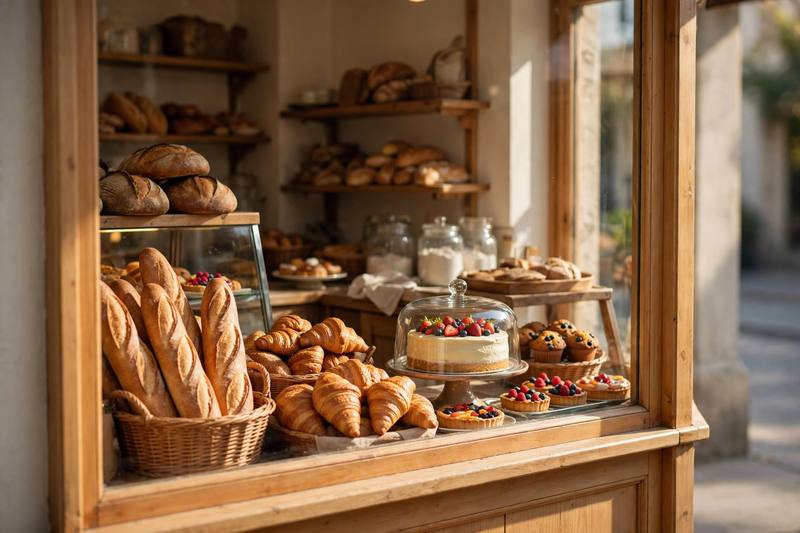
And the "bakery"! A bakery is a shop with bread and cakes. I love the bakery on my street. The bakery smells so good in the morning. At the bakery I buy warm bread. The bakery opens very early. The people at the bakery are always smiling.
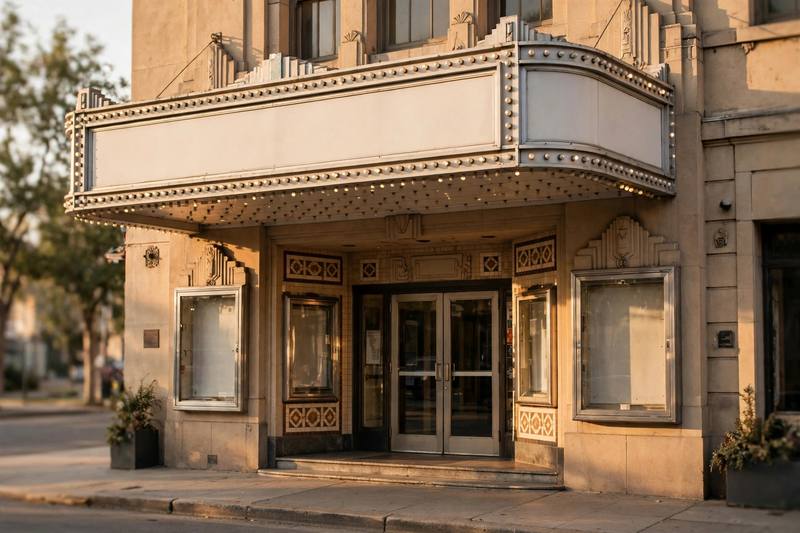
Let us talk about the "cinema". A cinema is a place where you watch films. Our cinema is near the square. I go to the cinema with my friends on Fridays. The cinema shows funny films. At the cinema we eat popcorn. I love the cinema!
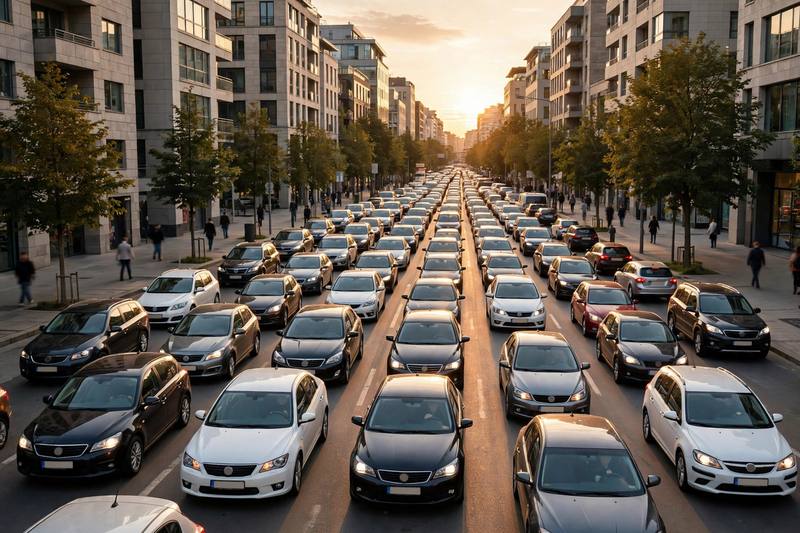
Me too. But the "traffic"! Traffic is many cars on the road. In the morning there is a lot of traffic. The traffic is slow. Because of the traffic, I take the bus. In the evening the traffic is worse. Big cities have big traffic, so I leave home early.
That is true. And when we are tired, we sit on a "bench". A bench is a long seat in the park or on the street. I like the bench near the fountain. We sit on a bench and talk. A bench is a good place to rest. On a sunny day, the bench in the park is perfect.
Let us remember our ten words. Street, shop, market, park, bridge, square, bakery, cinema, traffic, and bench.
Perfect! Practice these words every day. Listen to the podcast, read the transcript, and say the words out loud.
Thank you for listening. See you next time on Word Kitchen!
Bye everyone!
🎙 Try Shadowing free sample
Listen and repeat along with the studio audio. Full shadowing practice with pronunciation scoring is in the app.
My Day in the City
My street is quiet in the morning.
There is a small shop on my street.
Train your speaking
Shadow every sentence with studio audio and get your pronunciation scored — only in the Muse English app.
📝Grammar: Obligation and prohibition - have to, must, should
We use **have to** for rules and obligations. It means something is necessary. *Example idea:* I **have to** wear a uniform at my shop. It is the rule at work. We use **must** for a strong personal decision. It means "this is very important to me". *Example idea:* I **must** buy fresh bread at the bakery today. We use **mustn't** for prohibition. It means "do NOT do this — it is not allowed". *Example idea:* You **mustn't** walk on the grass in the park. Careful: **don't have to** is different from **mustn't**. **Don't have to** means there is no obligation — it is OK. *Example idea:* W
Master this grammar in the app
Get clear explanations, more examples and interactive exercises.
Keep learning every day
New lessons, podcasts and quizzes daily — free in the Muse English app.