Home / Blog / Vocabulary / Body & Health Vocabulary

Body & Health Vocabulary

This page collects 87 English health words. Every word comes with a real photo, pronunciation audio, a clear meaning and an example sentence, so you can see and hear each word in context. Each card links to the daily lesson where the word was taught, so you can read the full conversation and practice shadowing.

Words are grouped by topic: Body Parts (14 words), Illnesses & Symptoms (33 words), At the Doctor & Hospital (11 words), Healthy Lifestyle & Habits (14 words), Mental Health & Wellbeing (5 words) and Medicine & Public Health (10 words). They cover all six CEFR levels, from beginner words like fever, hospital, medicine to advanced words like debilitating, ailment, convalescence. Use the audio on each card to check your pronunciation, then test yourself with the quiz below.

Quiz: Test Yourself

Choose the correct answer for each question, then check your score.
Q1. Which word means 'a doctor's written order for medicine'?
Q2. Which word means 'to ease pain or symptoms without curing the illness'?
Q3. Which word means 'causing a strong habit that is hard to break'?
Q4. Which word means 'positive stress that motivates and improves performance'?
Q5. Which word means 'caused by medical treatment itself'?
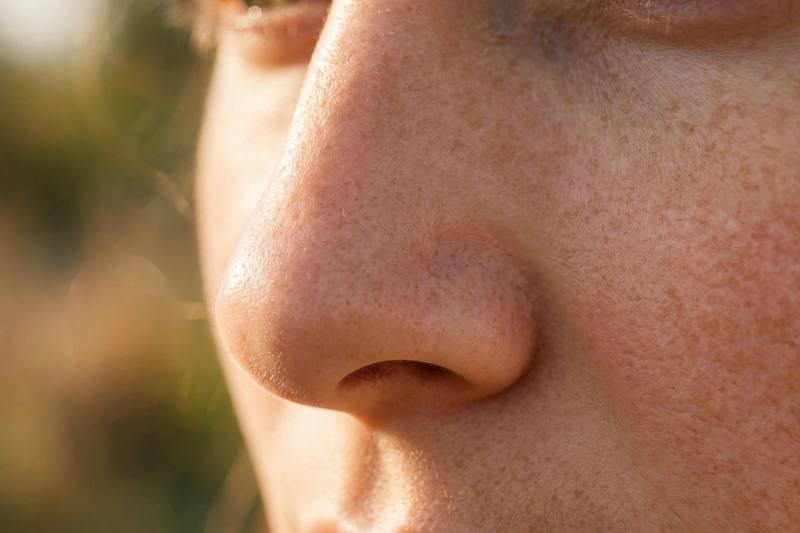
Q6. What is this?
What is this?
Q7. What is this?
What is this?
Q8. What is this?
What is this?
Q9. What is this?
What is this?
Q10. What is this?
What is this?

Body Parts (14 words)

A1
arm: the long part from your shoulder to your hand
arm noun · A1
ARM
the long part from your shoulder to your hand
Raise your arm.
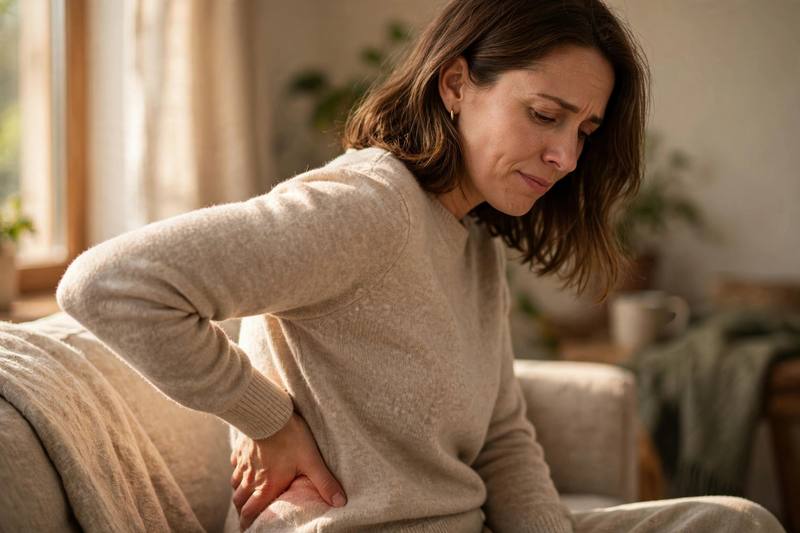
back: the part behind your body
back noun · A1
BAK
the part behind your body
My back is tired.
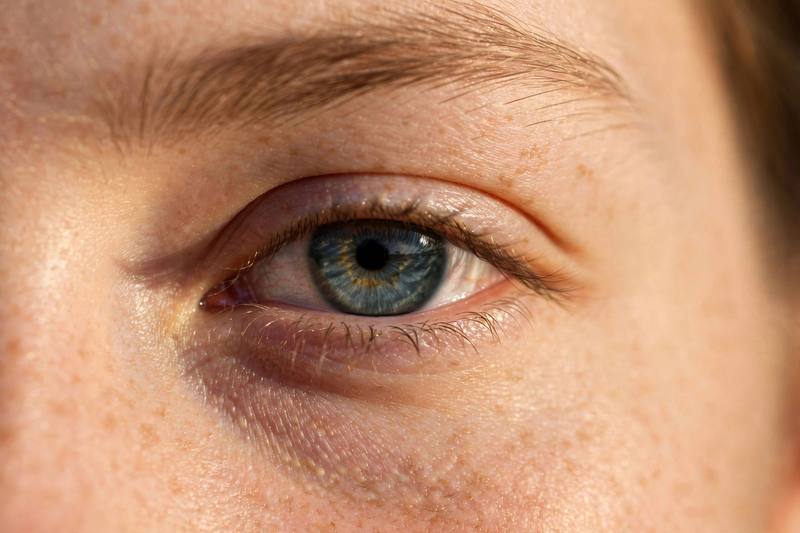
eye: the part you see with
eye noun · A1
EYE
the part you see with
Close your eyes.
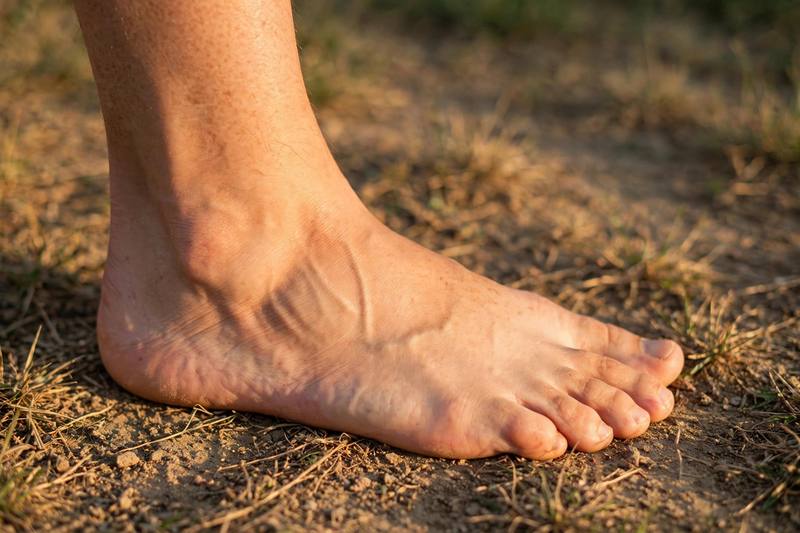
foot: the part you stand on
foot noun · A1
FUT
the part you stand on
My foot is cold.
hair: the thin lines that grow on your head
hair noun · A1
HAIR
the thin lines that grow on your head
She has long hair.
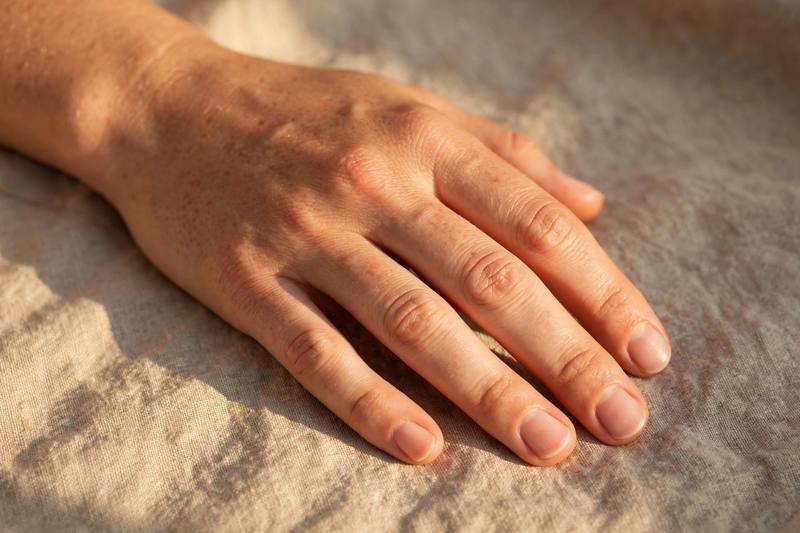
hand: the part at the end of your arm
hand noun · A1
HAND
the part at the end of your arm
Wash your hands.
head: the top part of your body
head noun · A1
HED
the top part of your body
My head hurts.
leg: the long part from your hip to your foot
leg noun · A1
LEG
the long part from your hip to your foot
Her leg hurts.
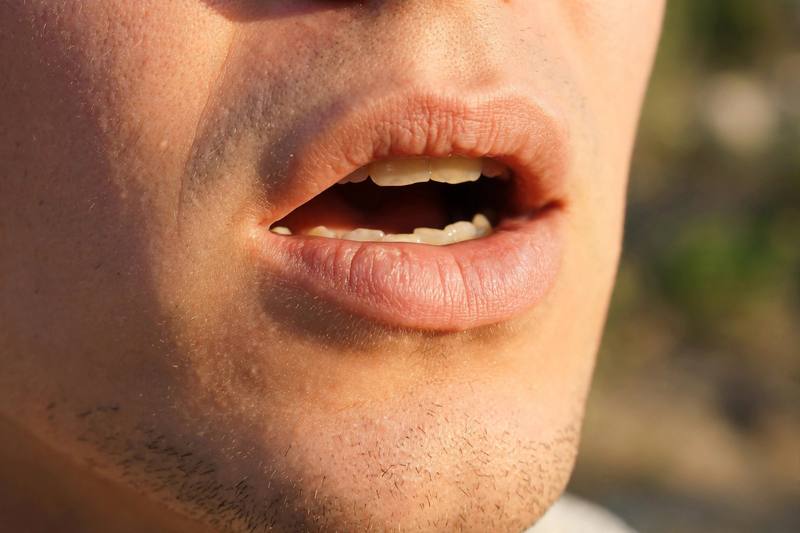
mouth: the part you eat and speak with
mouth noun · A1
MOWTH
the part you eat and speak with
Open your mouth.
nose: the part you smell with
nose noun · A1
NOHZ
the part you smell with
His nose is small.
A2
muscle: the part of your body that moves
muscle noun · A2
MUS-sul
the part of your body that moves
He hurt a muscle in his leg.
B2
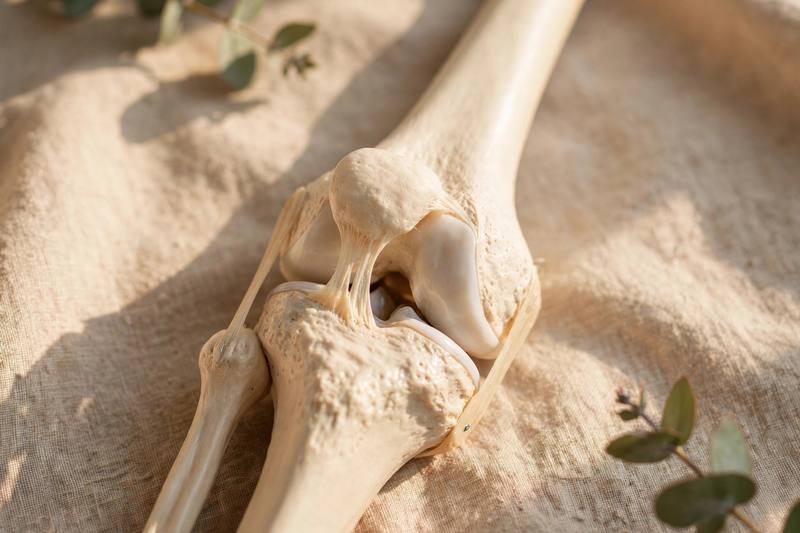
joint: the place where two bones meet, like the knee or elbow
joint noun · B2
JOYNT
the place where two bones meet, like the knee or elbow
Swimming is gentle exercise for stiff joints.
C2
neuromuscular: relating to the connection between nerves and muscles
neuromuscular adjective · C2
noo-roh-MUSS-kyoo-lur
relating to the connection between nerves and muscles
Sprint training creates powerful neuromuscular adaptations.
proprioception: the body's sense of where it is in space
proprioception noun · C2
PROH-pree-uh-SEP-shun
the body's sense of where it is in space
Balance-board drills improve proprioception and help prevent ankle injuries.

Illnesses & Symptoms (33 words)

A1
fever: when your body is very hot because you are sick
fever noun · A1
FEE-vur
when your body is very hot because you are sick
She has a fever and stays in bed.
A2
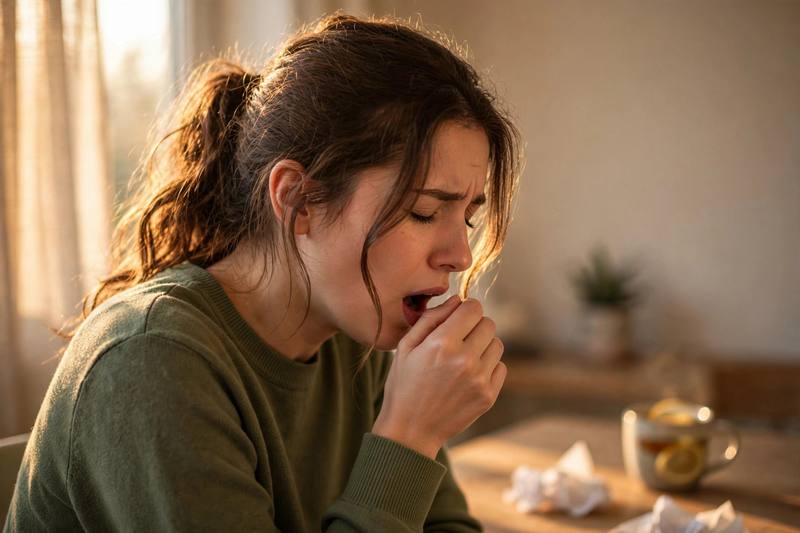
cough: a short strong sound when air comes out of your mouth fast
cough verb / noun · A2
KOF
a short strong sound when air comes out of your mouth fast
He has a bad cough, so he covers his mouth.
headache: pain in your head
headache noun · A2
HED-ayk
pain in your head
She took medicine for her headache.
sore: painful, like when a part of your body hurts
sore adjective · A2
SOR
painful, like when a part of your body hurts
His throat is sore, so he drinks warm tea.
B1
ache: a continuous, dull pain in part of your body
ache noun · B1
AYK
a continuous, dull pain in part of your body
I have an ache in my back.
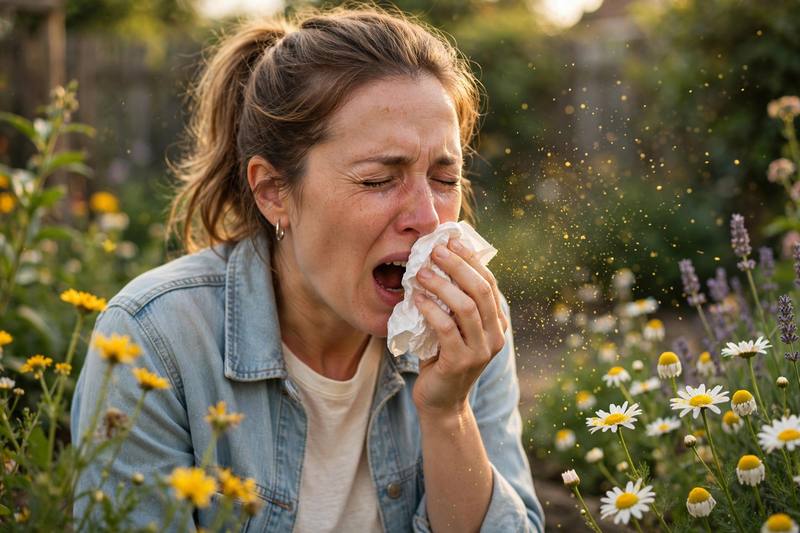
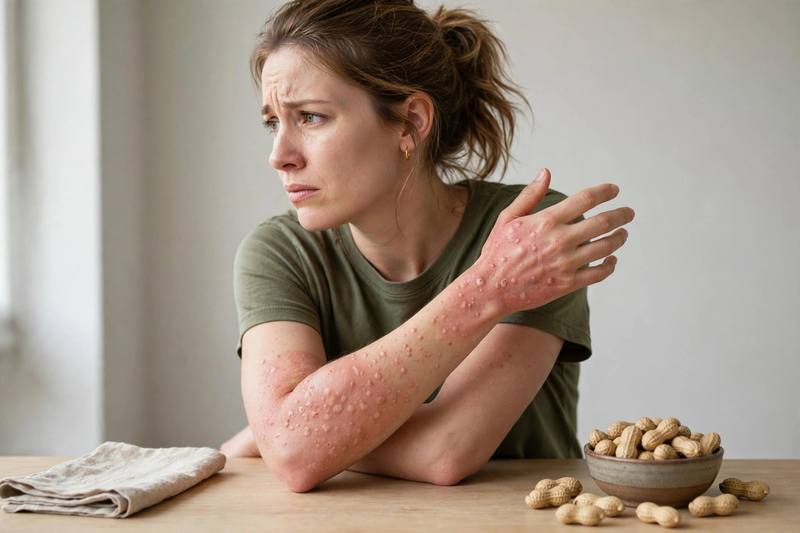
allergy: when your body reacts badly to something like pollen
allergy noun · B1
AL-uhr-jee
when your body reacts badly to something like pollen
She has an allergy to peanuts.
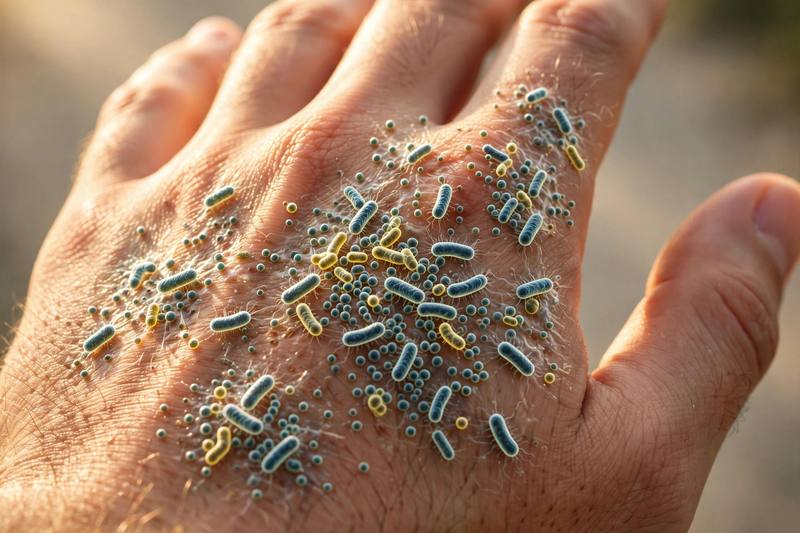
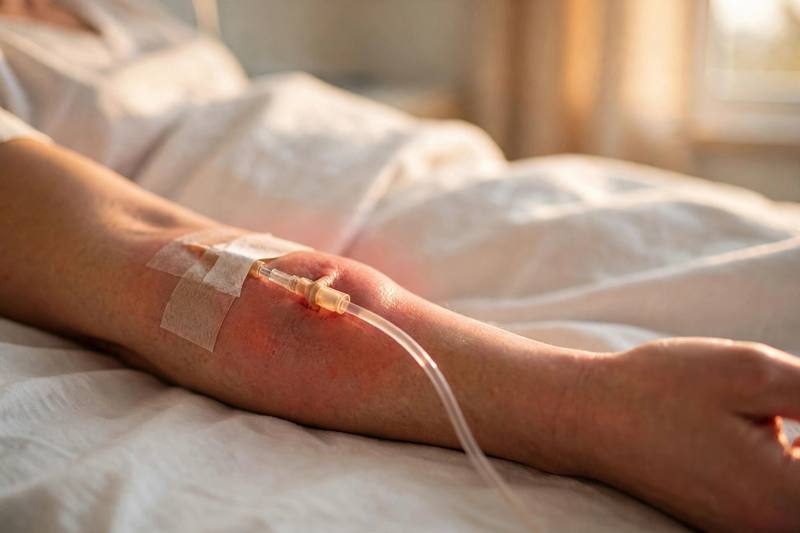
infection: when germs get into your body and make you sick
infection noun · B1
in-FEK-shun
when germs get into your body and make you sick
He had an infection in his throat.
injury: damage to a part of your body
injury noun · B1
IN-juh-ree
damage to a part of your body
He got an injury while playing football.
jet lag: extreme tiredness you feel after a long flight across different time zones
jet lag noun · B1
JET LAG
extreme tiredness you feel after a long flight across different time zones
After my flight to Tokyo, I had terrible jet lag for three days.
recovery: getting healthy again after being sick
recovery noun · B1
ree-KUH-vuh-ree
getting healthy again after being sick
His recovery took about two weeks.
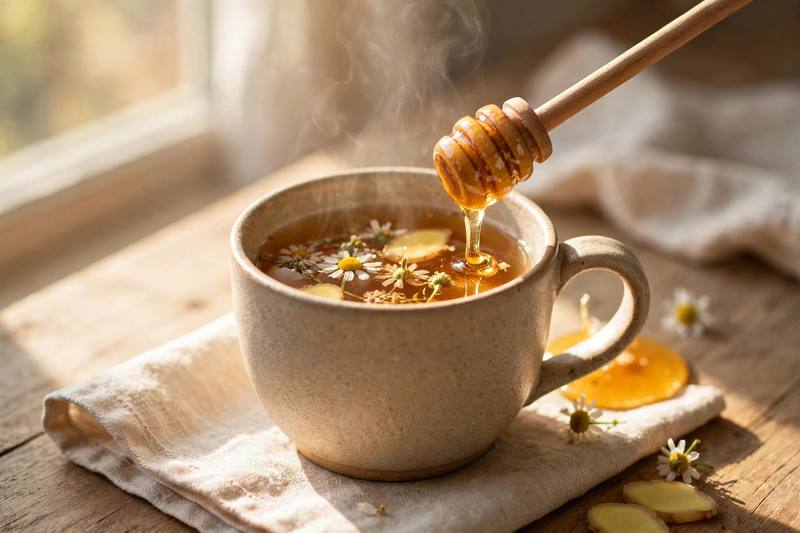
remedy: something that makes you feel better when you are sick
remedy noun · B1
REM-uh-dee
something that makes you feel better when you are sick
Hot tea is a simple remedy for a cold.
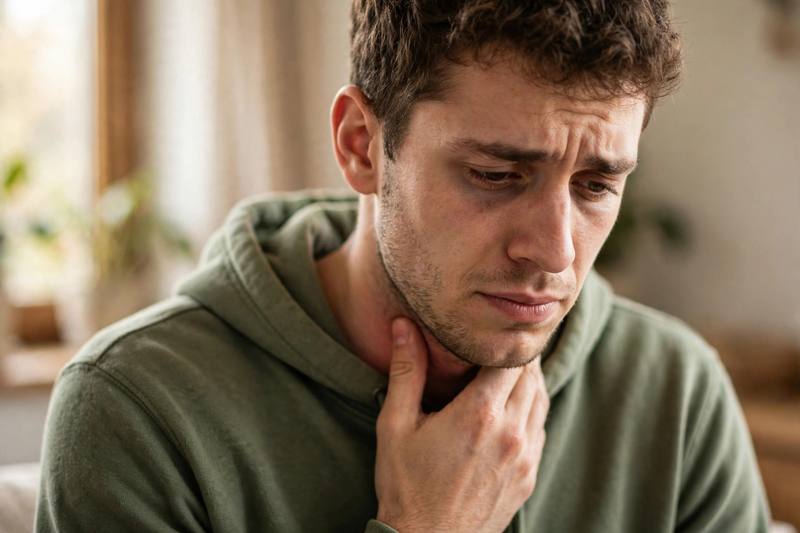
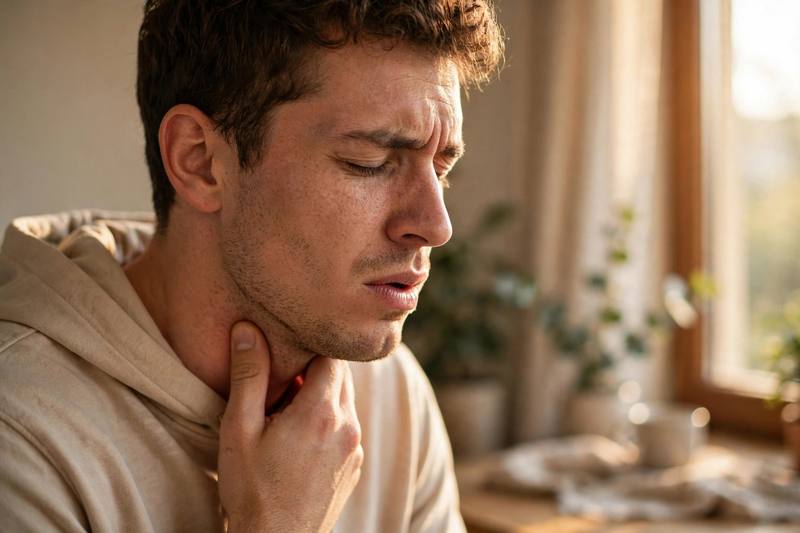
sore throat: pain in the throat, especially when you swallow
sore throat noun · B1
SOR THROT
pain in the throat, especially when you swallow
Warm tea helps my sore throat.
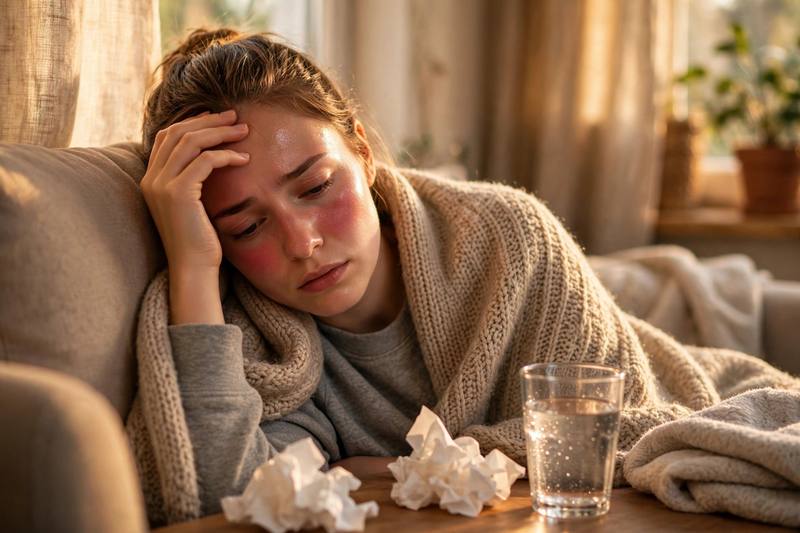
symptom: a sign that you are sick, like a fever or a cough
symptom noun · B1
SIMP-tum
a sign that you are sick, like a fever or a cough
A fever is a common symptom of the flu.
B2
allergic: when your body reacts badly to something
allergic adjective · B2
uh-LUR-jik
when your body reacts badly to something
She is allergic to peanuts.
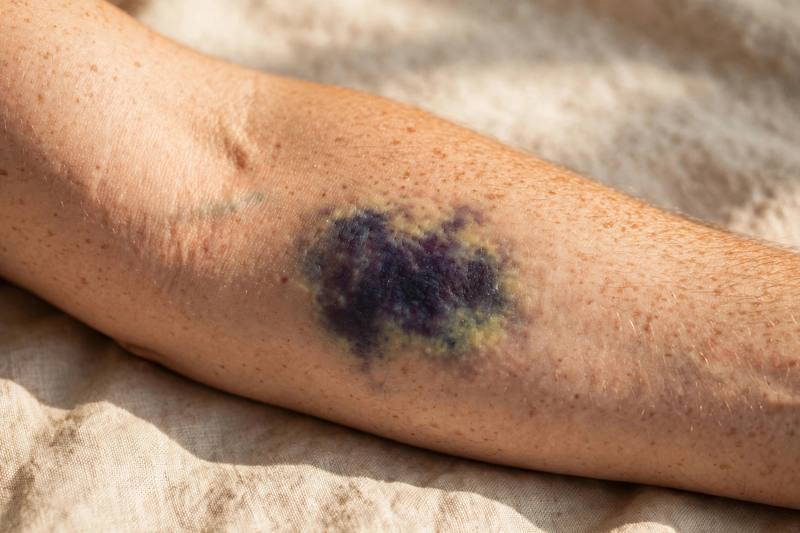
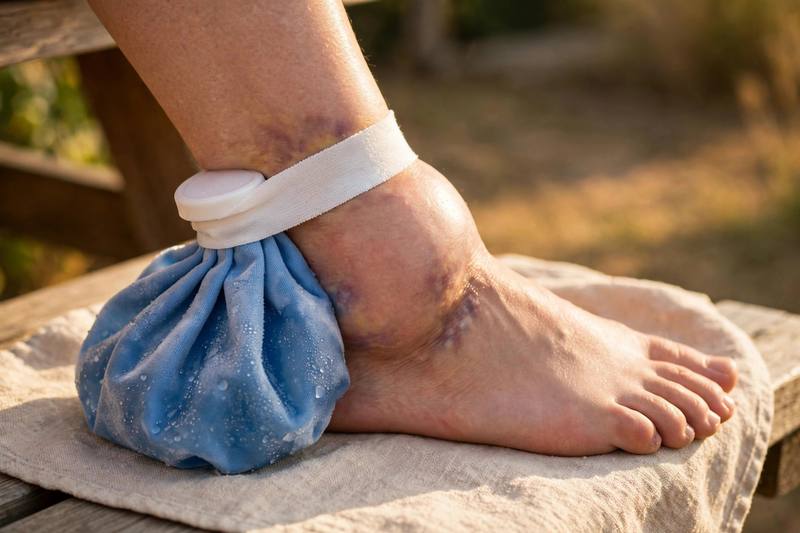
bruise: a dark mark on the skin caused by an injury
bruise noun · B2
BROOZ
a dark mark on the skin caused by an injury
He had a big bruise on his knee after the fall.
chronic: continuing for a long time, usually about a sickness
chronic adjective · B2
KRON-ik
continuing for a long time, usually about a sickness
He suffers from chronic back pain.
cramp: a sudden painful tightening of a muscle
cramp noun · B2
KRAMP
a sudden painful tightening of a muscle
She woke up in the night with a painful cramp in her leg.
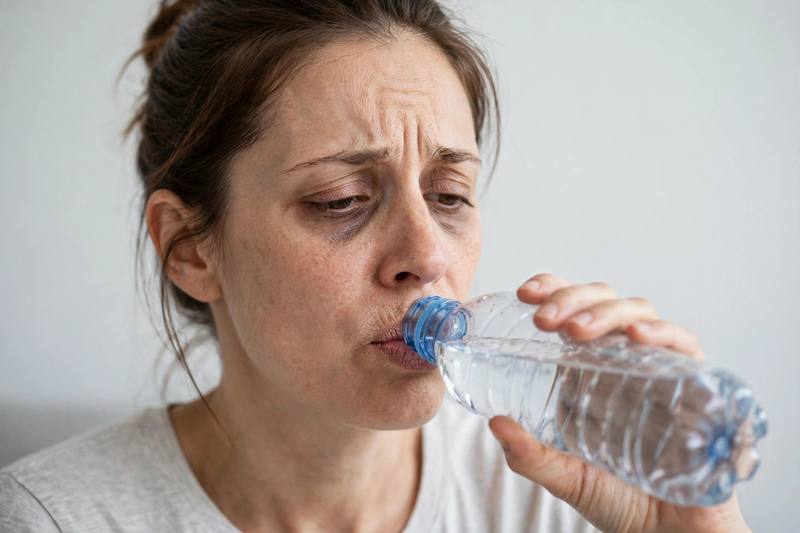
dehydrated: when your body does not have enough water
dehydrated adjective · B2
dee-HY-dray-tud
when your body does not have enough water
Drink water so you don't get dehydrated.
fatigue: extreme tiredness, usually after work or illness
fatigue noun · B2
fuh-TEE-g
extreme tiredness, usually after work or illness
The nurse felt deep fatigue after her twelve-hour shift.
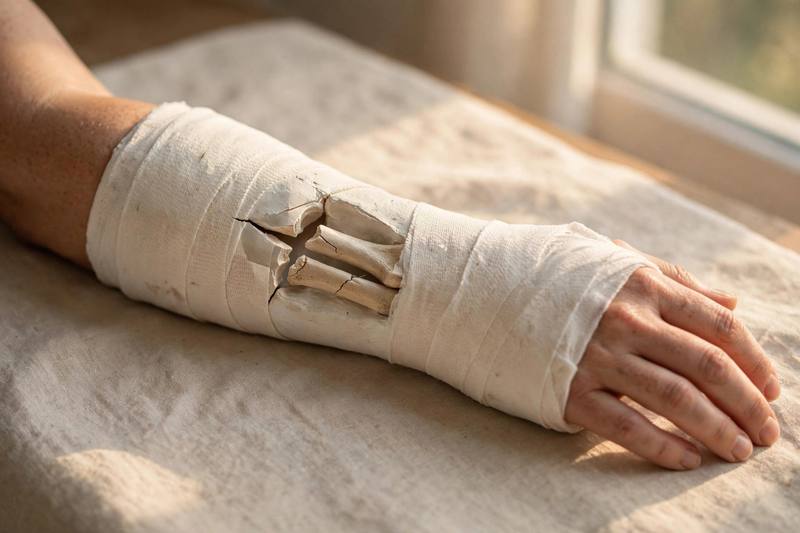
fracture: a broken bone
fracture noun · B2
FRAK-chur
a broken bone
The X-ray showed a small fracture in his wrist.
heal: to become healthy again after an injury or illness
heal verb · B2
HEEL
to become healthy again after an injury or illness
The cut will heal faster if you keep it clean.
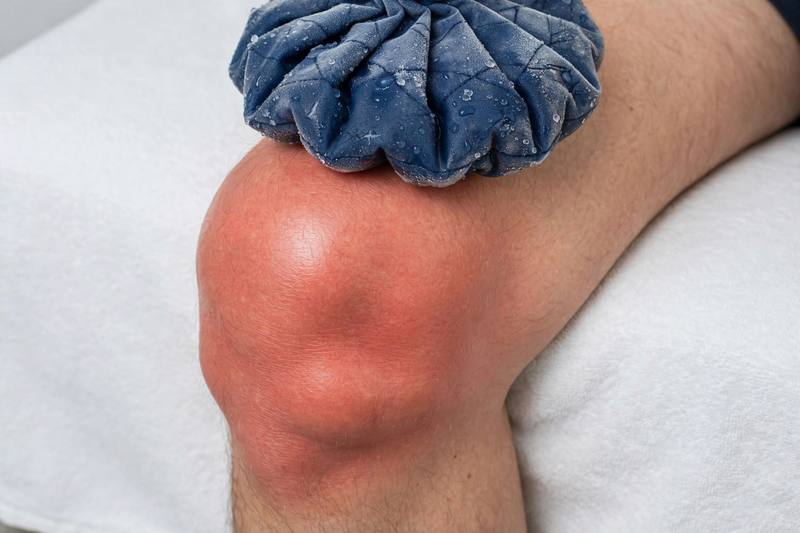
inflammation: red, warm swelling in the body
inflammation noun · B2
in-fluh-MAY-shun
red, warm swelling in the body
Ice can reduce inflammation in a sore knee.
insomnia: difficulty falling asleep or staying asleep
insomnia noun · B2
in-SOM-nee-uh
difficulty falling asleep or staying asleep
Stress is a common cause of insomnia in adults.
migraine: a very strong headache, often with nausea
migraine noun · B2
MY-grayn
a very strong headache, often with nausea
She gets a migraine when she does not sleep enough.
nausea: the feeling that you might vomit
nausea noun · B2
NAW-zee-uh
the feeling that you might vomit
The rough boat ride gave him terrible nausea.
recover: to get healthy again after being sick
recover verb · B2
rih-KUV-ur
to get healthy again after being sick
It took a week to recover from the cold.
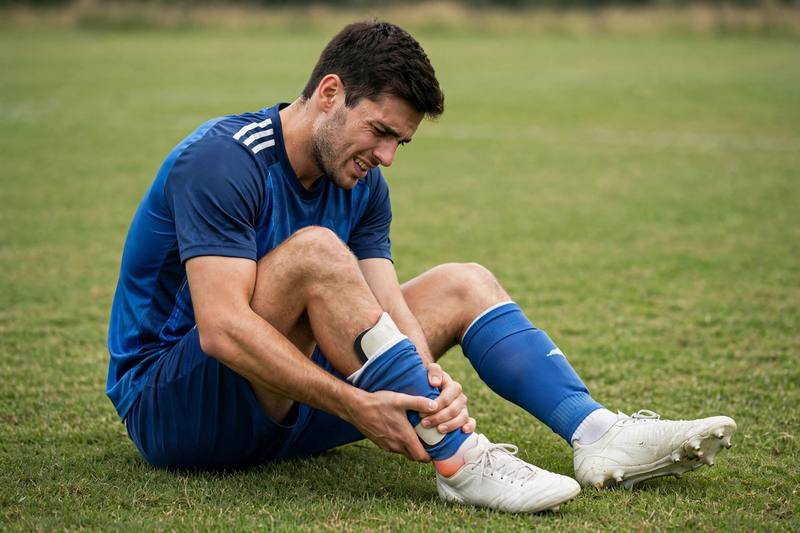
sprain: to twist a joint painfully
sprain verb · B2
SPRAYN
to twist a joint painfully
He sprained his ankle playing soccer.
strain: to hurt a muscle by using it too much
strain verb · B2
STRAYN
to hurt a muscle by using it too much
She strained her back lifting a heavy box.
swell: to become larger because of injury or infection
swell verb · B2
SWEL
to become larger because of injury or infection
Her ankle started to swell after she twisted it.
C1
debilitating: causing serious weakness that makes normal life very hard
debilitating adjective · C1
dih-BIL-ih-tay-ting
causing serious weakness that makes normal life very hard
His migraines were so debilitating that he often missed weeks of work.
C2
ailment: a mild illness or health problem
ailment noun · C2
AYL-munt
a mild illness or health problem
The clinic treats every minor ailment, from colds to sprains.
convalescence: the period of recovering from an illness or operation
convalescence noun · C2
kon-vuh-LESS-unts
the period of recovering from an illness or operation
During his convalescence, he took long walks by the sea.
malaise: a general, vague feeling of being unwell or uneasy
malaise noun · C2
muh-LAYZ
a general, vague feeling of being unwell or uneasy
She felt a vague malaise for several days before the fever appeared.

At the Doctor & Hospital (11 words)

A1
hospital: a big building where sick people get help
hospital noun · A1
HAH-spih-tul
a big building where sick people get help
I go to the hospital when I am sick.
medicine: something you take when you are sick to feel better
medicine noun · A1
MED-uh-sun
something you take when you are sick to feel better
Take your medicine with water.
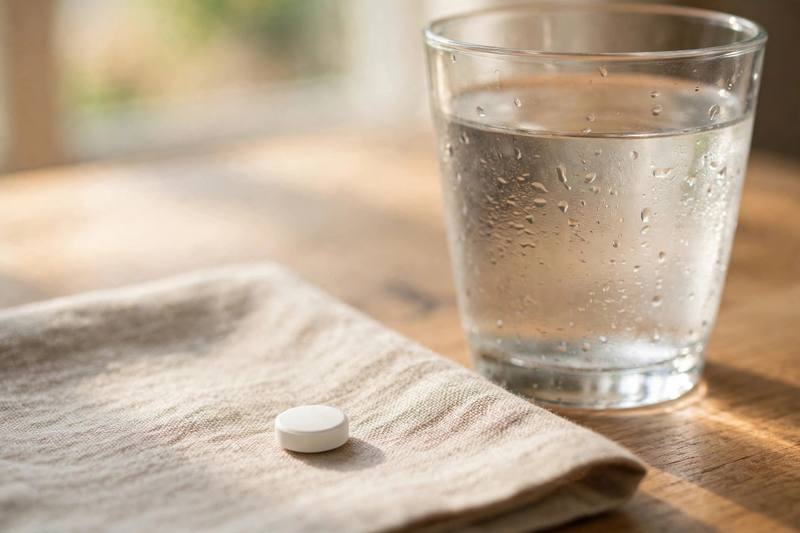
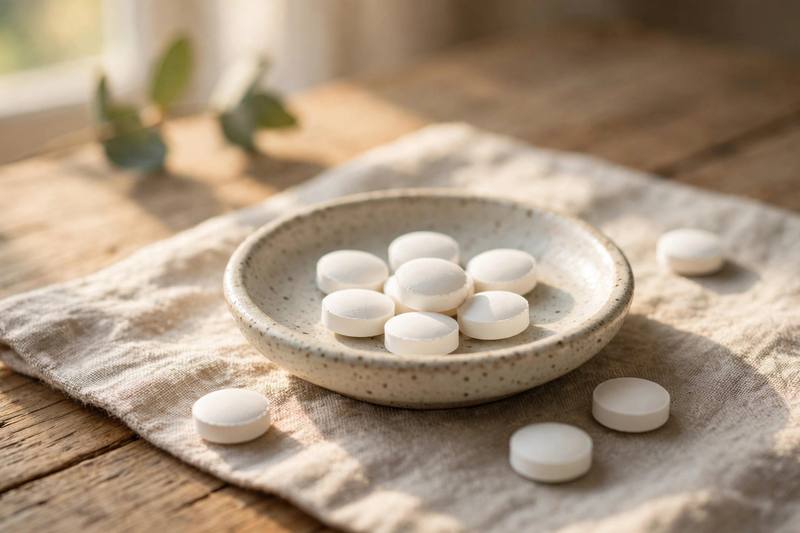
pill: a small round medicine you take with water
pill noun · A1
PIL
a small round medicine you take with water
He takes one pill every day.
B1
appointment: a fixed time to see a doctor
appointment noun · B1
uh-POYNT-munt
a fixed time to see a doctor
I made an appointment with the doctor for Monday.
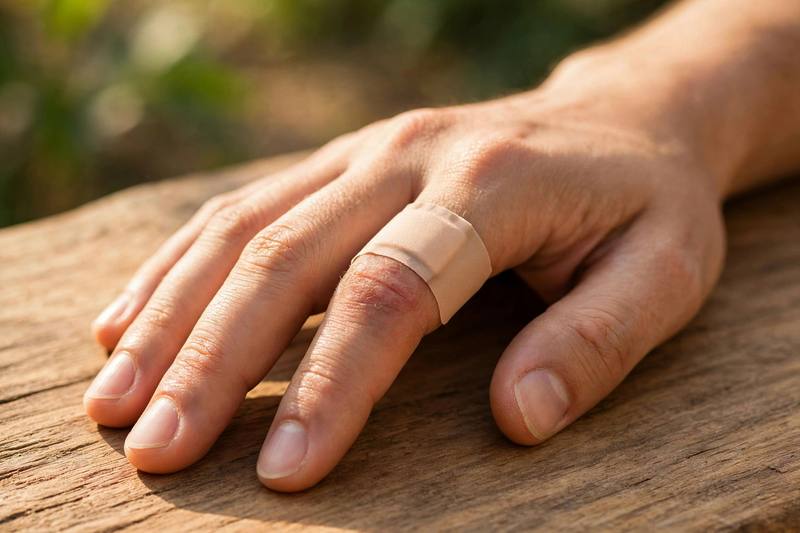
bandage: a strip of cloth you put on a wound
bandage noun · B1
BAN-dij
a strip of cloth you put on a wound
She put a bandage on her finger.
diagnosis: when a doctor finds out what your illness is
diagnosis noun · B1
dy-uhg-NOH-sis
when a doctor finds out what your illness is
The diagnosis was just a simple cold.
prescribe: when a doctor tells you which medicine to take
prescribe verb · B1
pruh-SCRYBE
when a doctor tells you which medicine to take
The doctor prescribed some pills for my cold.
B2
diagnose: when a doctor finds out what sickness you have
diagnose verb · B2
DY-ug-nohs
when a doctor finds out what sickness you have
The doctor diagnosed him with the flu.
prescription: a doctor's written order for medicine
prescription noun · B2
pruh-SKRIP-shun
a doctor's written order for medicine
You need a prescription to buy this medicine.
C1
recuperate: to recover after effort, injury, or illness
recuperate verb · C1
ree-KOO-puh-rayt
to recover after effort, injury, or illness
His coach insisted he rest for two weeks so the torn muscle could fully recuperate.
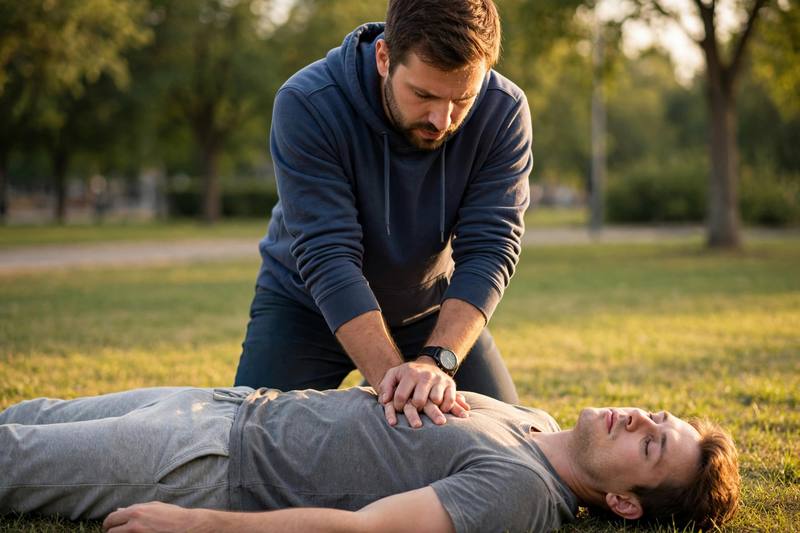
resuscitate: to bring someone back to life or consciousness
resuscitate verb · C1
ree-SUS-ih-tayt
to bring someone back to life or consciousness
The paramedics managed to resuscitate the patient after three minutes of CPR.

Healthy Lifestyle & Habits (14 words)
A2
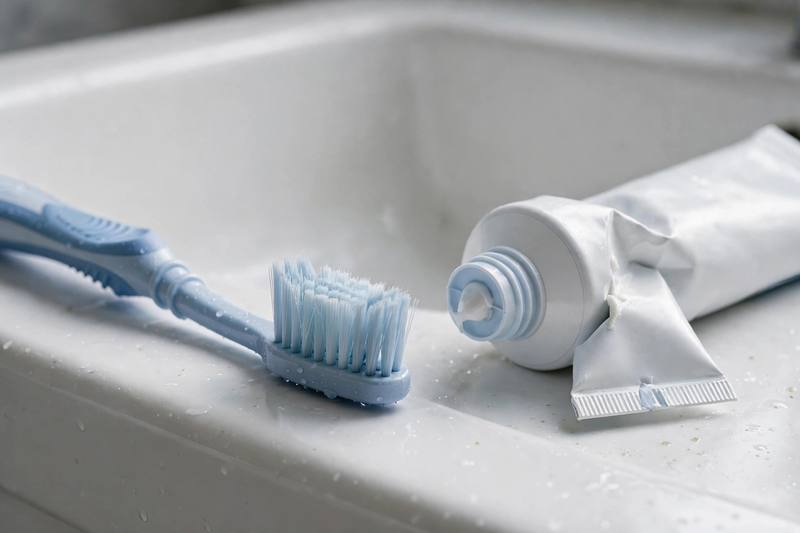
brush: to clean with a brush
brush verb · A2
BRUSH
to clean with a brush
I brush my teeth twice a day.
rest: to stop work and relax so your body can get better
rest verb · A2
REST
to stop work and relax so your body can get better
The doctor says you must rest for two days.
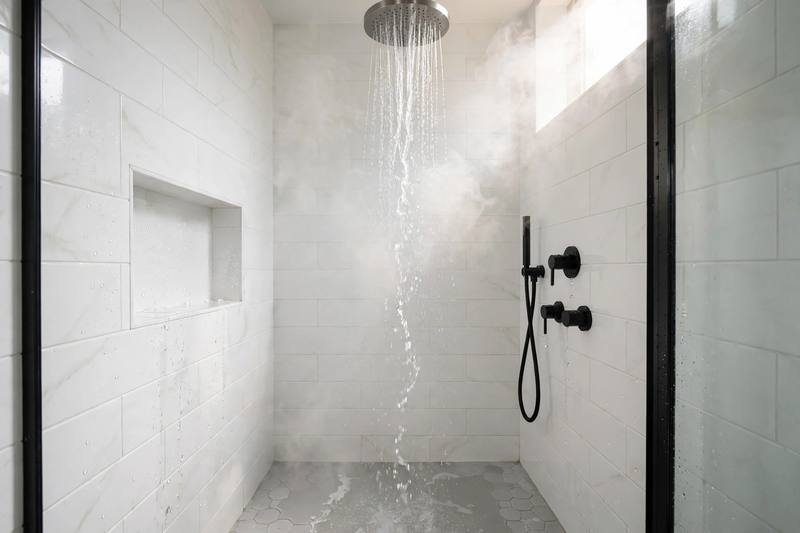
shower: washing your body under running water
shower noun · A2
SHOU-er
washing your body under running water
I take a shower every morning.
sleep: to rest at night with closed eyes
sleep verb · A2
SLEEP
to rest at night with closed eyes
Babies sleep a lot.
B1
immunity: your body's ability to fight sickness
immunity noun · B1
i-MYOO-nuh-tee
your body's ability to fight sickness
Good sleep helps build your immunity.
B2
hydration: keeping enough water in your body
hydration noun · B2
hy-DRAY-shun
keeping enough water in your body
Good hydration is essential for runners on hot days.
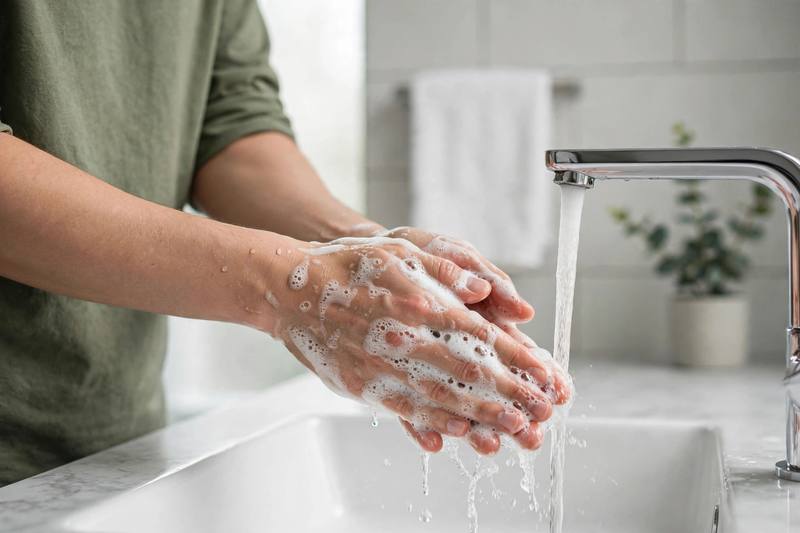
hygiene: keeping yourself and your things clean
hygiene noun · B2
HY-jeen
keeping yourself and your things clean
Good hygiene stops the spread of germs.
posture: the way you sit or stand
posture noun · B2
POS-chur
the way you sit or stand
Good posture helps your back stay healthy.
C1
sedentary: involving sitting and very little physical activity
sedentary adjective · C1
SED-en-teh-ree
involving sitting and very little physical activity
A sedentary lifestyle is now considered a major risk factor for heart disease.
C2
invigorating: making you feel healthy, fresh, and full of energy
invigorating adjective · C2
in-VIG-uh-ray-ting
making you feel healthy, fresh, and full of energy
A cold morning swim is surprisingly invigorating.
longevity: living a long, healthy life
longevity noun · C2
lon-JEV-uh-tee
living a long, healthy life
Regular exercise is linked to greater longevity.
rejuvenate: to make someone or something feel young, fresh, and healthy again
rejuvenate verb · C2
ri-JOO-vuh-nayt
to make someone or something feel young, fresh, and healthy again
A week in the mountains will rejuvenate both your body and mind.
robust: strong, healthy, and hard to damage or make ill
robust adjective · C2
roh-BUST
strong, healthy, and hard to damage or make ill
He has a robust constitution and rarely catches a cold.
vitality: energy, strength and good health; being full of life
vitality noun · C2
vy-TAL-uh-tee
energy, strength and good health; being full of life
Regular swimming has given her remarkable vitality well into her seventies.

Mental Health & Wellbeing (5 words)

B2
burnout: extreme tiredness caused by working too hard for too long
burnout noun · B2
BURN-out
extreme tiredness caused by working too hard for too long
After six months of seventy-hour weeks, she hit total burnout and took a month off.
resilience: the ability to recover quickly from problems or setbacks
resilience noun · B2
reh-ZIL-yuhns
the ability to recover quickly from problems or setbacks
After losing her job, her resilience helped her start a successful business.
C1
addictive: causing a strong habit that is hard to break
addictive adjective · C1
uh-DIK-tiv
causing a strong habit that is hard to break
Social media apps are deliberately designed to be addictive.
C2
eustress: positive stress that motivates and improves performance
eustress noun · C2
YOO-stress
positive stress that motivates and improves performance
The buzz before a race is eustress, not anxiety.
impostor syndrome: the feeling that you do not deserve your success and will be exposed as a fraud
impostor syndrome noun phrase · C2
im-POS-tur SIN-drohm
the feeling that you do not deserve your success and will be exposed as a fraud
Even after the promotion, impostor syndrome made him doubt every decision he made.

Medicine & Public Health (10 words)
B2
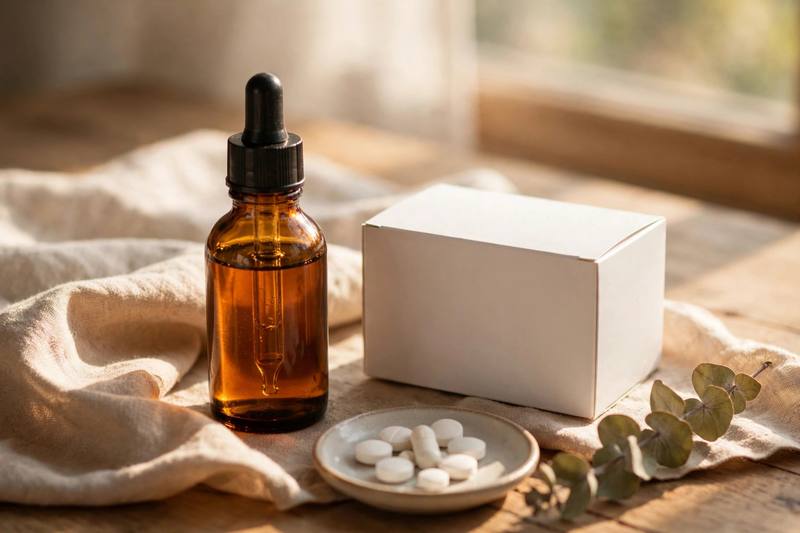
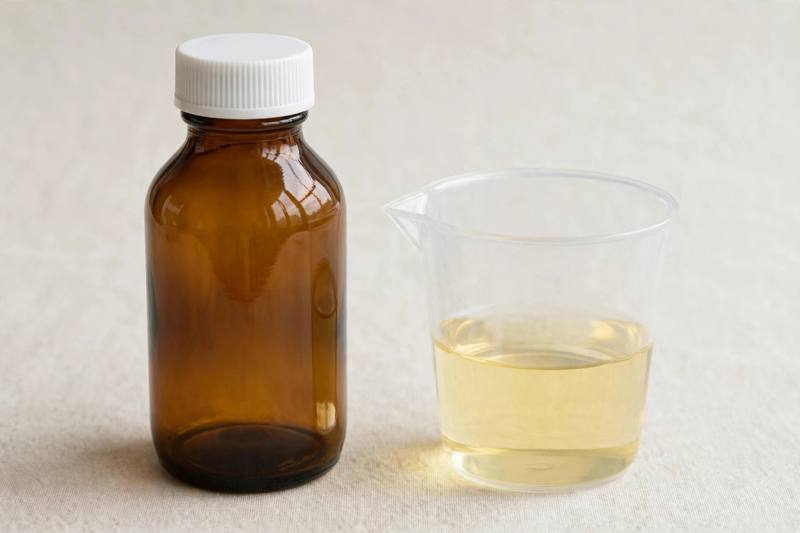
dosage: the amount of medicine you should take at one time
dosage noun · B2
DOH-sij
the amount of medicine you should take at one time
The correct dosage is written on the bottle.
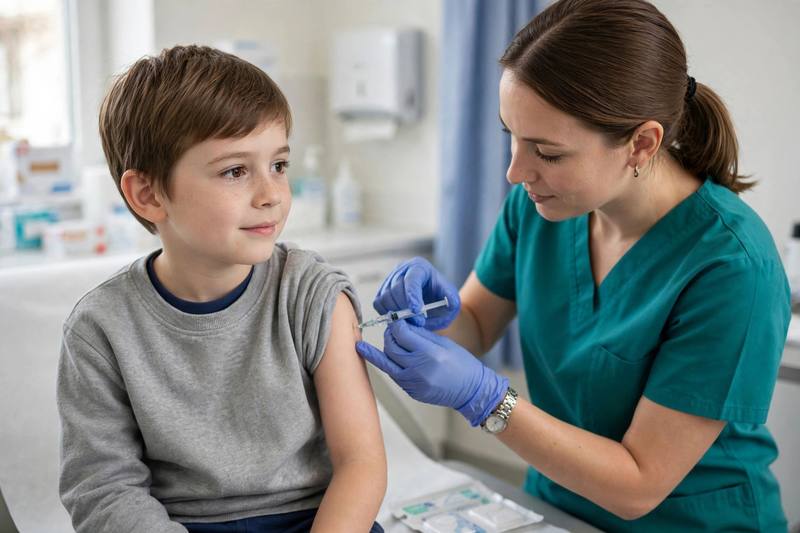
vaccine: a shot that protects you from a sickness
vaccine noun · B2
vak-SEEN
a shot that protects you from a sickness
Children get a vaccine against measles.
C1
homeostasis: the body's ability to keep its internal conditions stable
homeostasis noun · C1
hoh-mee-oh-STAY-sis
the body's ability to keep its internal conditions stable
Sweating is the body's way of restoring homeostasis during exercise.
iatrogenic: caused by medical treatment itself
iatrogenic adjective · C1
eye-at-roh-JEN-ik
caused by medical treatment itself
The infection turned out to be iatrogenic, traced to contaminated surgical tools.
palliate: to ease pain or symptoms without curing the illness
palliate verb · C1
PAL-ee-ayt
to ease pain or symptoms without curing the illness
Morphine was given to palliate her pain, though it could not cure the disease.
pathogenesis: the biological process by which a disease develops
pathogenesis noun · C1
path-oh-JEN-uh-sis
the biological process by which a disease develops
Scientists spent a decade unraveling the pathogenesis of the virus.
placebo: a harmless treatment that works because the patient believes in it
placebo noun · C1
pluh-SEE-boh
a harmless treatment that works because the patient believes in it
In the trial, patients who received the placebo still reported less pain.
prognosis: a doctor's prediction about the likely course of an illness
prognosis noun · C1
prog-NOH-sis
a doctor's prediction about the likely course of an illness
The prognosis for patients diagnosed early has improved dramatically.
C2
inoculation: giving a vaccine to protect against a disease
inoculation noun · C2
in-ok-yuh-LAY-shun
giving a vaccine to protect against a disease
Mass inoculation helped eradicate smallpox in the twentieth century.
prophylaxis: medical treatment that prevents disease before it starts
prophylaxis noun · C2
prof-uh-LAK-sis
medical treatment that prevents disease before it starts
Malaria prophylaxis is essential before travelling to tropical regions.