
📖 What is Muse English?
Muse English is a free English learning app with daily lessons across all 6 CEFR levels (A1 Beginner to C2 Proficient). Every day brings new vocabulary, a real podcast conversation, shadowing practice, grammar and quizzes — all at museenglishapp.com.
📚 Vocabulary
20 new words Learn new words with real examples and audio.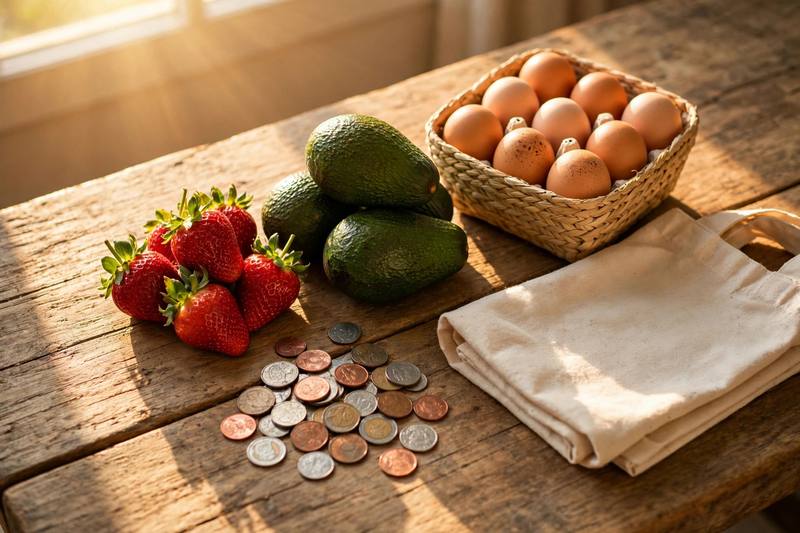
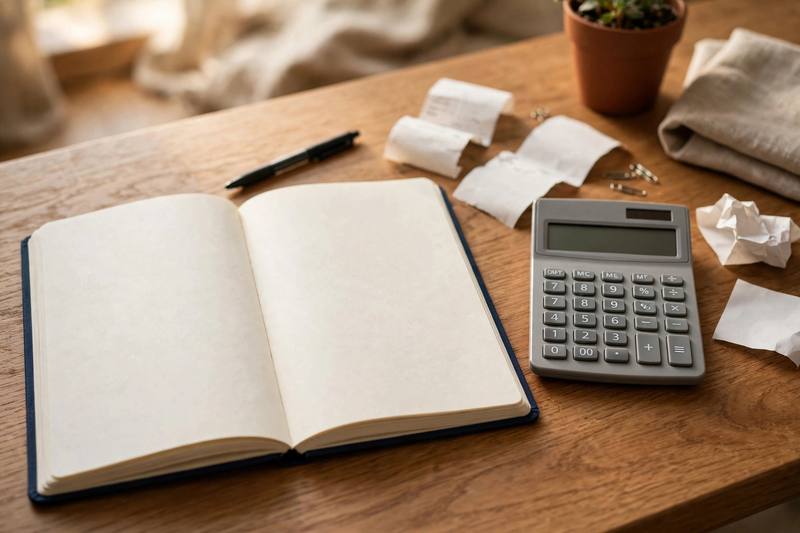
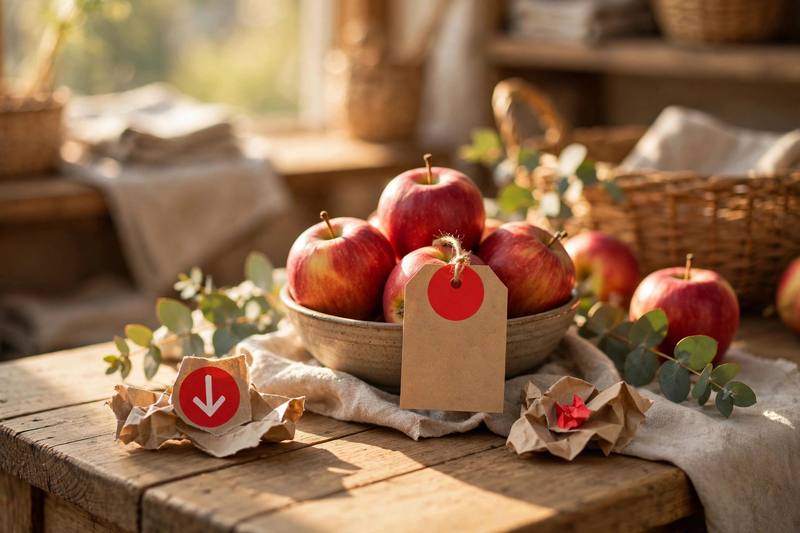





Podcast: Shopping & Money
Listen to today’s conversation.
📝 Podcast Transcript
Welcome back to Word Kitchen, the show where we cook up new English words together. I'm Maya.
And I'm Lena. Today we're talking about something we all love to do and sometimes hate to do: shopping. And all the money words that come with it.
That's right. We have twenty words for you today, all about shopping and money. So let's start with a story. Lena, are you a big shopper?
Honestly, I love shopping, but I try to be careful. I always set a budget first. A budget is just a plan for how much money you can spend. So if I have two hundred dollars for the month, I write it down and I don't go over it.
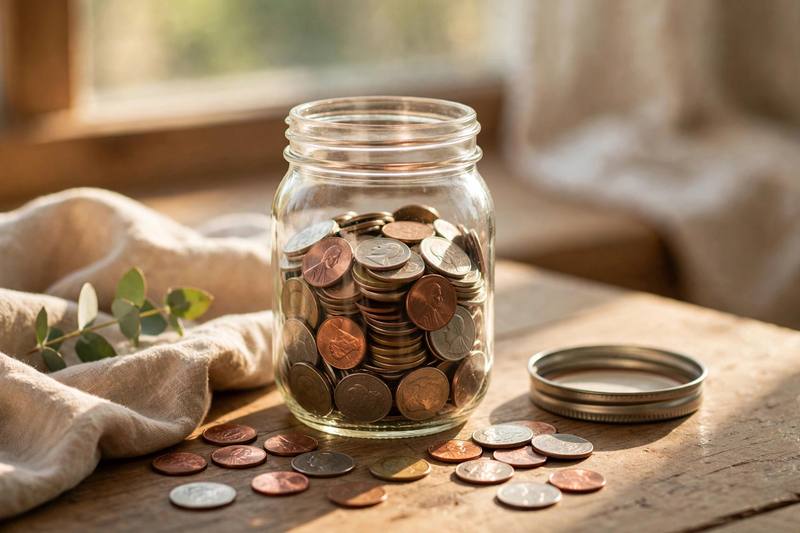
That's smart. A budget helps you know exactly where your money goes. I make one too, because otherwise my savings disappear. Savings are the money you keep for the future, the money you don't spend right away.
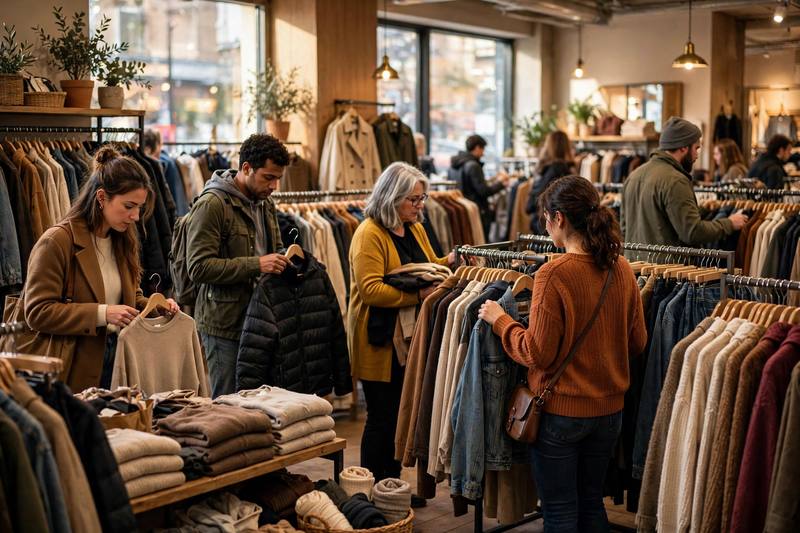
Right. And every month I put a little money into my savings, just in case. You know, emergencies happen. But Maya, last weekend I went to the big sale at the mall and my budget almost died. A sale is when a store sells things at lower prices for a short time.
Oh, sales are dangerous! Everything looks like a bargain. A bargain is something you buy for a really good, low price. Like when you find shoes that are usually one hundred dollars for only forty dollars — that's a real bargain.
Exactly. And I love hunting for bargains. But sometimes I'm not sure if it's a bargain or just clever marketing. Some stores put up a big discount sign, and a discount is when they take some money off the normal price. Ten percent off, twenty percent off — that's a discount.
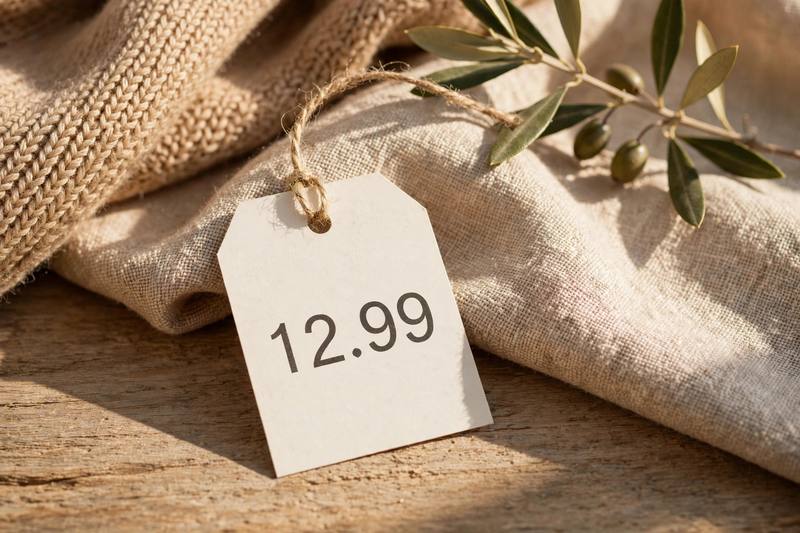
True. But here's a trick: always check the price tag. The price tag is the little label that shows the price on the product. Some stores raise the original price and then give you a discount, so the bargain isn't as good as it looks.
Yes! That's when something feels overpriced. Overpriced means the price is too high for what you get. A simple cotton shirt for one hundred and twenty dollars? That is completely overpriced.
Completely. So what happened at the mall? Did you buy anything?
I did. I found a jacket I loved, and I decided to try it on. To try on means to put clothes on in the store to see if they fit. The jacket looked great, but it was ninety dollars, and my budget said no.
Oh no. So did you buy it anyway?
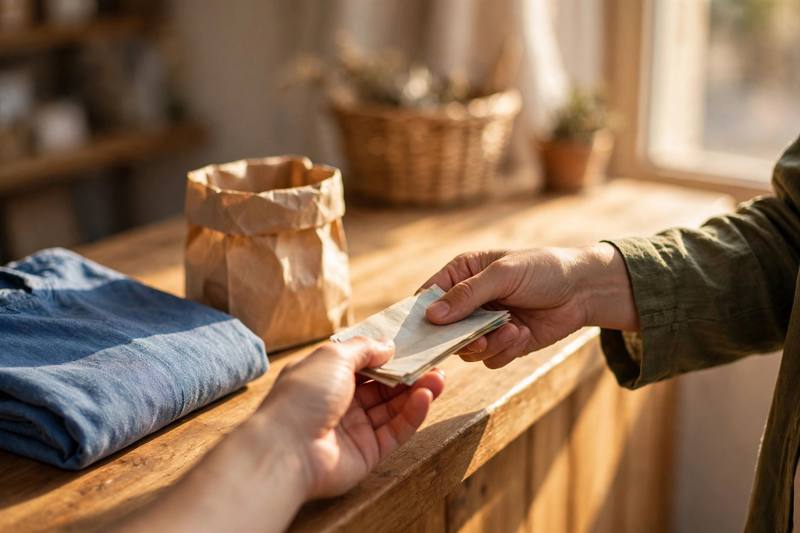
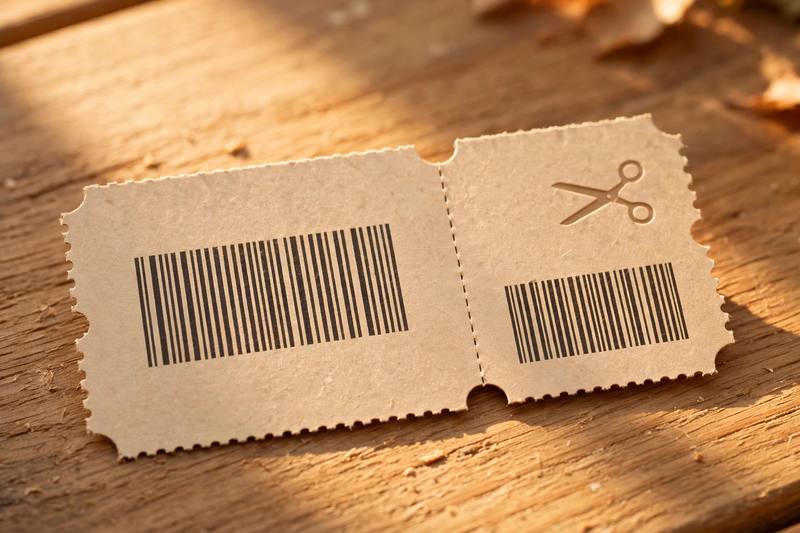
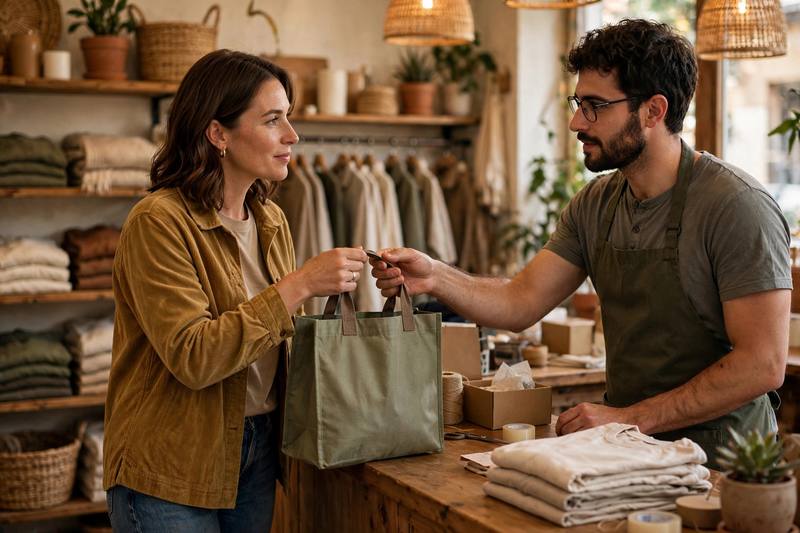
Well, the cashier told me something interesting. The cashier is the person at the store who takes your money and gives you change. She said if I joined their mailing list, I would get a coupon. A coupon is a ticket or code that gives you a discount on your purchase.
Oh, coupons are wonderful. So you used the coupon?
I did. The coupon took twenty dollars off, so the jacket was only seventy dollars. That fit my budget much better. So I bought it, and I paid the cashier with my card.
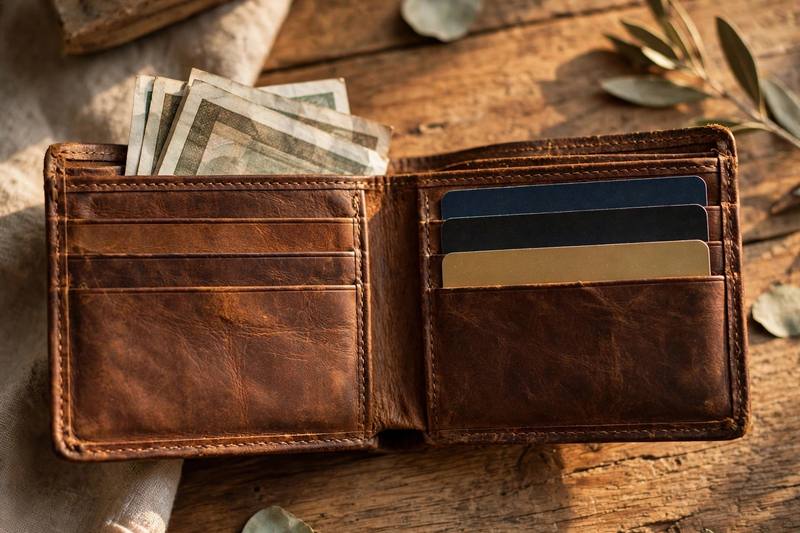
Wait, where's your wallet in this story? A wallet is the small case where you keep your money and cards.
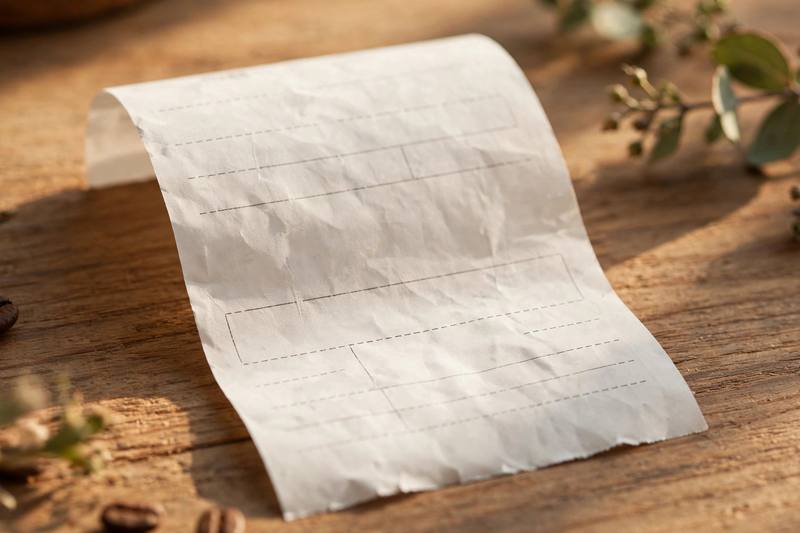
Ha! My wallet was in my bag, and my card was inside it. I paid, and the cashier gave me my receipt. A receipt is the small paper that proves you paid for something. Always keep your receipt, because if you need to return the jacket later, the store will ask for it.
Good advice. To return something means to take it back to the store. Maybe it doesn't fit, or maybe you just changed your mind. If you keep the receipt, returning is easy.
But here's the best part. The next day I saw the same jacket online for fifty dollars. I was so annoyed! I took my jacket back to the store and asked for a refund. A refund is when the store gives your money back.
And did they give you the refund?
Yes! Because I had my receipt, they gave me a full refund. No questions asked. So then I bought the jacket online for fifty dollars instead. Now that is a real bargain.
Nice work. But let me ask you something. You bought it online — did you pay for shipping?
Free shipping, thankfully. But paying online is always a little risky. Sometimes you can exchange things easily, and sometimes you can't. To exchange means to take something back and get a different size or a different item instead of your money.
Right. A refund is money back, an exchange is a different item. They're easy to mix up, so remember the difference. Now, Lena, you also mentioned restaurants earlier. When you go out to eat, what do you do with the bill?
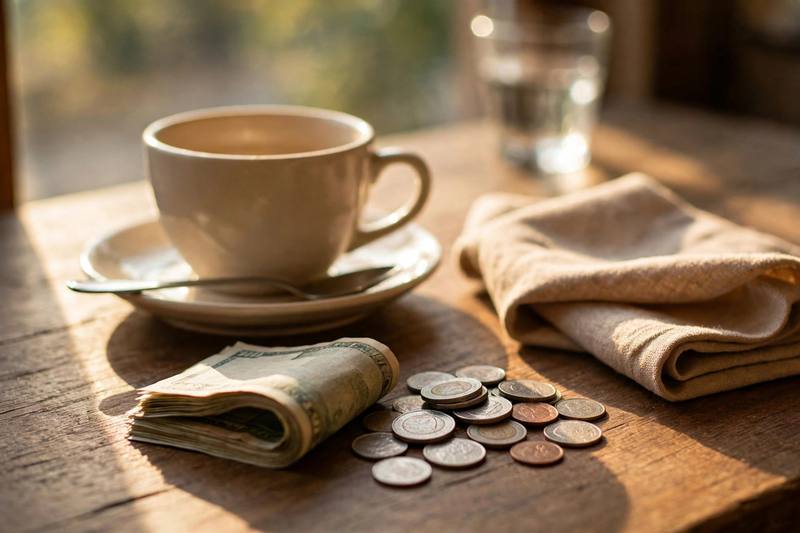
The bill is the paper that shows how much you have to pay. In a restaurant, the server brings you the bill at the end of the meal. And then I always add a tip. A tip is extra money you give to the server as a thank-you for good service.
How much do you usually tip?
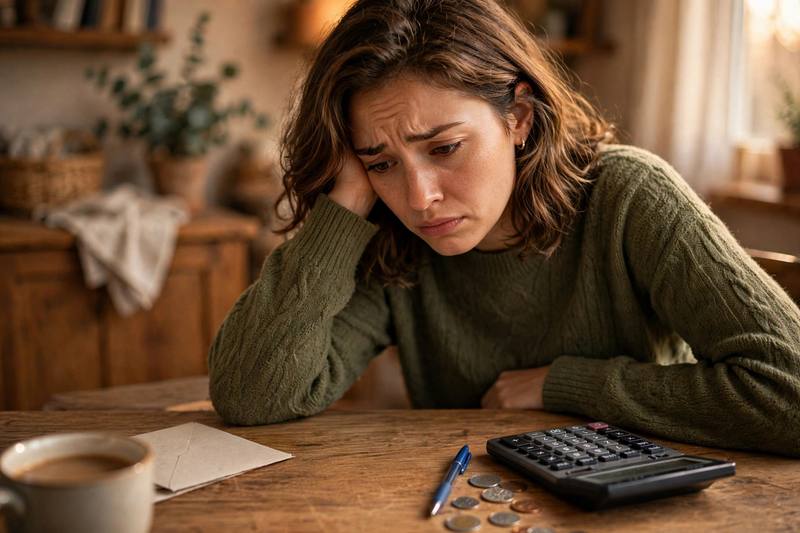
Around fifteen to twenty percent. It's important in some countries. But listen, let's talk about something more serious: debt. Debt is money you owe to someone else. If you spend more than you earn, month after month, you go into debt.
That's the scary side of shopping. Credit cards make it so easy. You tap your card, and suddenly your wallet feels empty but you don't even notice.
Exactly. So I have a rule now: if I can't afford it, I don't buy it. To afford means to have enough money to pay for something. If I can't afford it, it stays in the store. That simple rule keeps me out of debt.
That's a great rule. Let me say it again for our listeners: if you can't afford it, don't buy it. It's the best way to avoid debt and protect your savings.
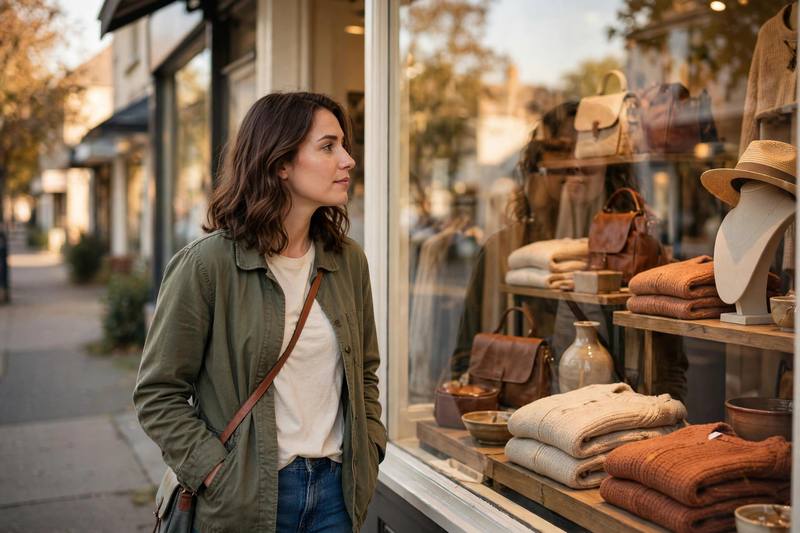
Yes! And window shopping is my favorite free hobby. Window shopping is when you look at shop windows and dream about buying things, but you don't buy anything. It's fun and it costs zero dollars.
I love window shopping too. No budget needed, no wallet needed, no debt, no regrets. Just looking.
That reminds me of my trip last month. I was shopping for a birthday gift and I saw a watch I liked. The price tag said eighty dollars, but there was a sign for a twenty percent discount. So I did the math in my head — that's sixteen dollars off — and it felt like a real bargain.
Did you buy it?
I almost did, but then I stopped and thought about my budget. I had already spent most of my money that week. I put the watch back and did some window shopping instead. Honestly, it felt good to walk away.
That's strong. Most people can't do that. The store makes everything look like a bargain. They want you to forget your budget and forget your savings.
It's true. And here's another trick stores use: they put overpriced items next to sale items. You see a coat for three hundred dollars, and suddenly a jacket for one hundred and twenty feels cheap. But it's still overpriced! Your wallet doesn't care about the trick — it just gets thinner.
That's so true. So what did you do for the birthday gift?
I went home, searched online, and found the same watch with a coupon code for thirty percent off. I saved almost twenty-five dollars. The coupon arrived by email, I typed the code at checkout, and the discount applied instantly.
Coupons are amazing when they actually work. And did you keep the receipt?
Of course. I always save receipts for at least a month. If the watch breaks, or if my friend wants to exchange it for a different color, the receipt makes everything simple. No receipt, no refund — that's my motto.
So let's review all twenty words before we go. A budget is your spending plan. Savings are money you keep for later. A sale is when prices go down for a short time. A discount is money taken off the price. A bargain is a great deal at a low price. The price tag shows the price on the item. Overpriced means too expensive for what it is. To try on means to check clothes for size in the store. The cashier takes your money. A coupon gives you a discount. Your wallet holds your money and cards. A receipt proves you paid. To return means to take something back to the store. A refund is your money back. An exchange is swapping for a different item. The bill shows what you owe. A tip is extra money for good service. Debt is money you owe. To afford means to have enough money for something. And window shopping is looking without buying.
Beautiful review. And here's one quick shopping tip from me: when you see something on sale, ask yourself three questions. Do I need it? Can I afford it? And can I return it if I change my mind? If the answer is yes to all three, it's probably a smart buy.
I like that. And one tip from me: always keep your receipts. You never know when you'll need a refund or an exchange.
That's it for today's Word Kitchen. Go try on some new English words, hunt for a few bargains, and keep your budget happy. See you next time!
Happy shopping, everyone. Bye!
🎙 Try Shadowing free sample
Listen and repeat along with the studio audio. Full shadowing practice with pronunciation scoring is in the app.
Tutor: Time to practice your pronunciation. I will read each sentence twice. Listen, then repeat after me.
Tutor: Last Saturday, I made a budget before going shopping. Last Saturday, I made a budget before going shopping.
Tutor: I made a budget before going shopping, because my savings were getting low. I made a budget before going shopping, because my savings were getting low.
Train your speaking
Shadow every sentence with studio audio and get your pronunciation scored — only in the Muse English app.
📝Grammar: Obligation and prohibition: have to, must, mustn't, don't have to, should
Use **have to** and **must** for things that are necessary. **Have to** is common for rules and everyday obligations: I **have to** pay the bill before I leave. **Must** is stronger and more personal — the speaker's own decision: I **must** stop buying things I can't afford. In questions it needs no helper verb: **Must I pay now?** Negatives mean different things! **Mustn't** means prohibited — don't do it: you **mustn't** steal from a shop. But **don't have to** means not necessary: you **don't have to** tip everywhere. Use **should** for advice, not rules. You **should** compare prices be
Master this grammar in the app
Get clear explanations, more examples and interactive exercises.
Keep learning every day
New lessons, podcasts and quizzes daily — free in the Muse English app.