
📖 What is Muse English?
Muse English is a free English learning app with daily lessons across all 6 CEFR levels (A1 Beginner to C2 Proficient). Every day brings new vocabulary, a real podcast conversation, shadowing practice, grammar and quizzes — all at museenglishapp.com.
📚 Vocabulary
5 new words Learn new words with real examples and audio.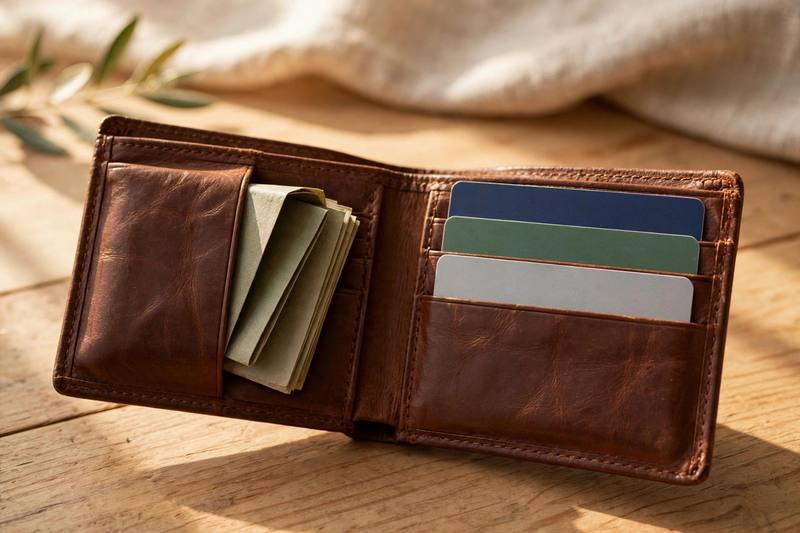
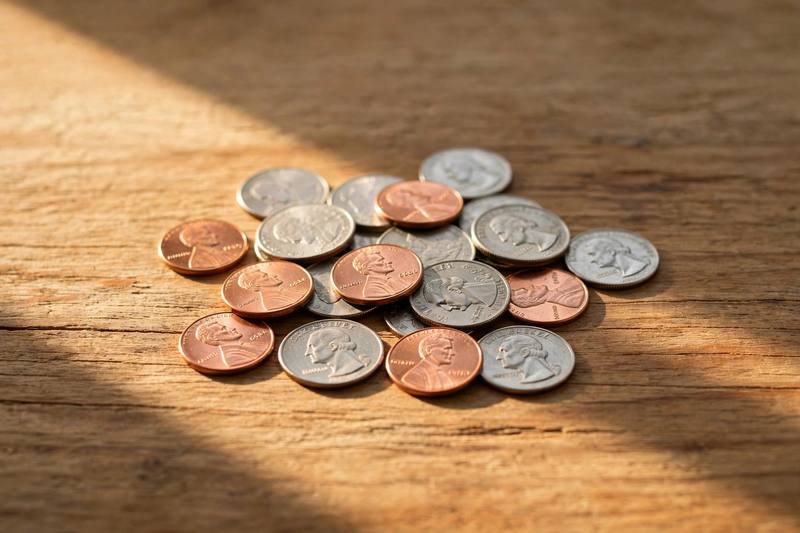
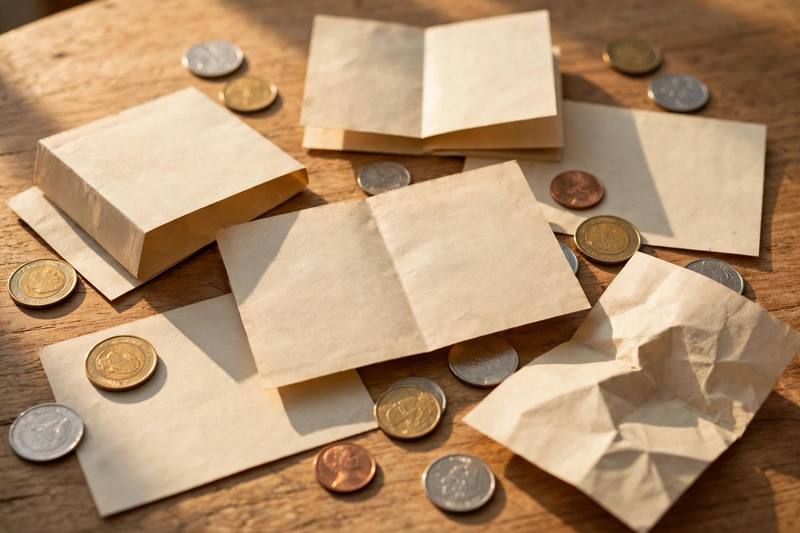
Podcast: Money & Shopping
Listen to today’s conversation.
📝 Podcast Transcript
Welcome to Word Kitchen, the podcast where we learn English words together. I am Maya.
And I am Lena. Today we go shopping. Our five words are wallet, receipt, price, change, and cash.
Money words! Very useful words. Let us start with the word wallet. A wallet is a small flat case. You keep your money and cards in a wallet.
I love my wallet. It is small and red. My wallet holds my cards, my money, and even a photo of my cat.
That is sweet. I check my wallet every morning before work. Keys, phone, wallet. That is my morning routine.
Mine too. But last year I lost my wallet at the supermarket. I felt so bad.
Oh no! What did you do?
I went back to the shop, and a worker found my wallet. He gave it back to me. I was so happy. So remember: always keep your wallet in a safe place.
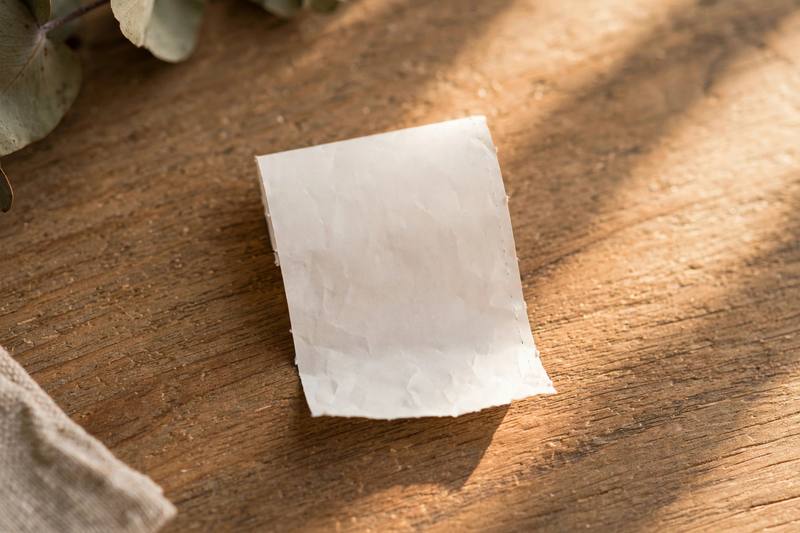
Good advice. Our next word is receipt. A receipt is a small paper. It shows what you paid for.
Yes! When you buy something, the shop gives you a receipt. Keep the receipt. It is proof that you paid.
Last week I bought a jacket. The receipt was in the bag. I kept the receipt because maybe the jacket is too small.
Smart. If you want to return something, you need the receipt. No receipt, no return. That is the rule in many shops.
And one more thing about a receipt. Some shops send a receipt by email now. A paper receipt or an email receipt, both are good.
Our third word is price. The price is the money you must pay for something.
Before I buy, I always look at the price. If the price is too high, I wait for a sale.
Me too. Yesterday I saw shoes with a high price. Fifty dollars. That price was too much for me.
Prices go up and down. In my street, the price of bread went up last month. One dollar more.
The price tells you if something is cheap or expensive. So always check the price first. A good price makes shopping fun.
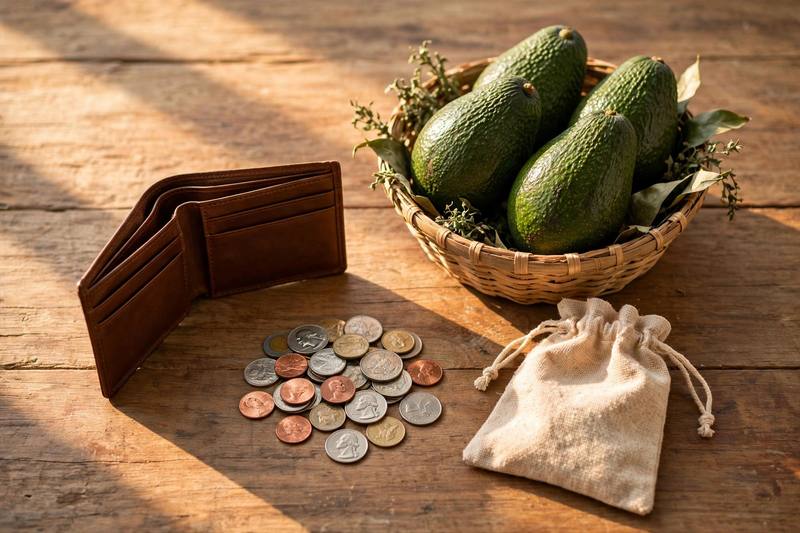
Our fourth word is change. Change is the money you get back after you pay.
Here is an example. The juice costs three dollars. You pay five dollars. You get two dollars back. That is your change.
I love small change. Coins in my pocket. At the end of the day, I put all my change in a box.
My box of change is full. Last week I counted my change. Twelve dollars in change. A nice surprise.
Shops are careful with change. They count the change twice. You should count your change too. It is your money.
Our last word is cash. Cash is money in coins and paper notes. Not a card, just real cash.
Do you use cash or a card? I use both. For small shops, I pay with cash.
I like cash too. Cash is simple. You see it, you spend it. But be careful. If you lose cash, it is gone.
That is true. A card can be stopped, but cash is cash. I keep a little cash in my wallet for emergencies.
Good plan. So let us review. A wallet holds your money. A receipt shows you paid. The price tells you the cost. Change comes back to you. And cash is real money in your hand.
Let us make a small story. Yesterday I went to the market with my wallet. I bought fruit. The price was good. I paid with cash. I got some change back. And I kept the receipt in my wallet.
Perfect! You used all five words. Let us say them together. Wallet. Receipt. Price. Change. Cash.
One quick tip, friends. When you get change at a busy shop, count it fast. Mistakes happen.
True. And keep the receipt until you are sure about the thing you bought. A receipt in your wallet is safe.
I agree. Money words are simple but powerful. Wallet, receipt, price, change, cash. Use them every day.
Practice these words when you shop this week. Thank you for listening to Word Kitchen.
See you tomorrow!
🎙 Try Shadowing free sample
Listen and repeat along with the studio audio. Full shadowing practice with pronunciation scoring is in the app.
A Day at the Market
1. Yesterday morning I went to the market with my wallet and some cash.
2. I wanted to buy fruit, bread, and some cheese.
Train your speaking
Shadow every sentence with studio audio and get your pronunciation scored — only in the Muse English app.
📝Grammar: Past and present habits (used to)
We use **used to** for past habits and old states. These things were true for a long time in the past, but they are not true now. The form is **used to** plus the verb in the simple form. The verb never has s or ed. **used to** does not exist in the present. For the negative, we use **didn't use to**. Note there is no d in **use**. For questions, we use **Did you use to**. For present habits, we use the present simple with words like **usually**. This shows what you do now, not in the past.
Master this grammar in the app
Get clear explanations, more examples and interactive exercises.
Keep learning every day
New lessons, podcasts and quizzes daily — free in the Muse English app.