

📖 What is Muse English?
Muse English is a free English learning app with daily lessons across all 6 CEFR levels (A1 Beginner to C2 Proficient). Every day brings new vocabulary, a real podcast conversation, shadowing practice, grammar and quizzes — all at museenglishapp.com.
📚 Vocabulary
20 new words Learn new words with real examples and audio.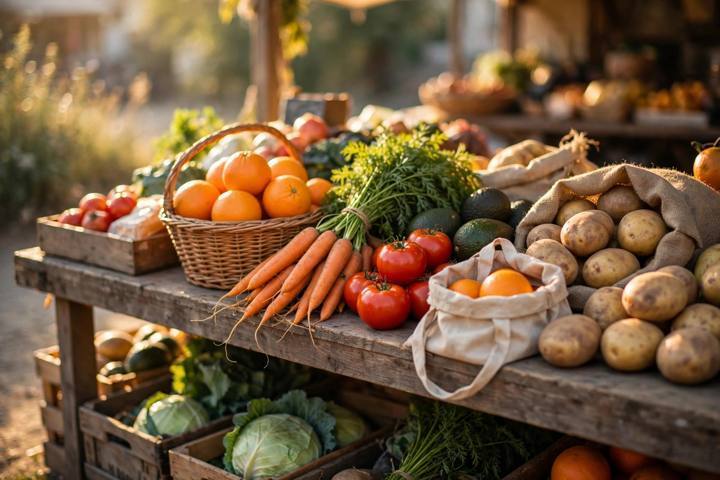
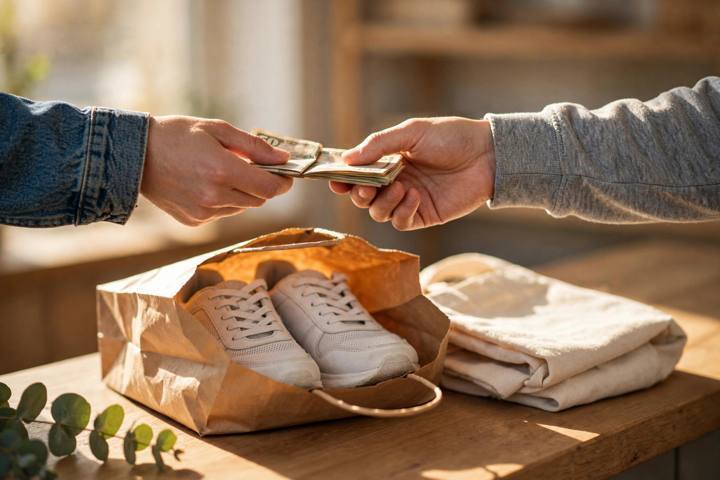
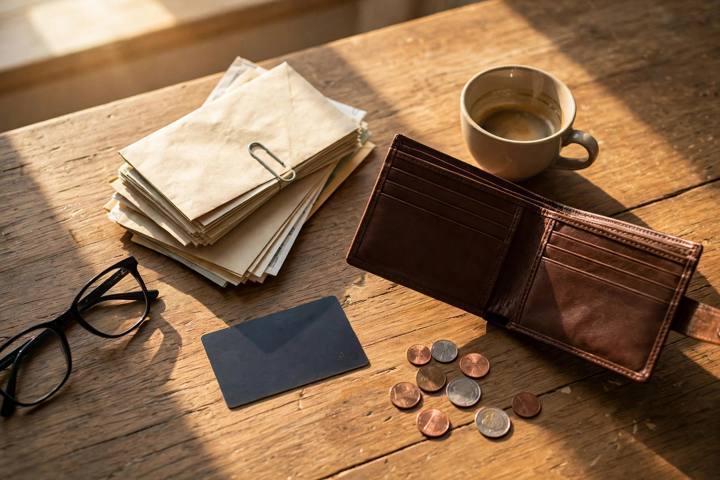

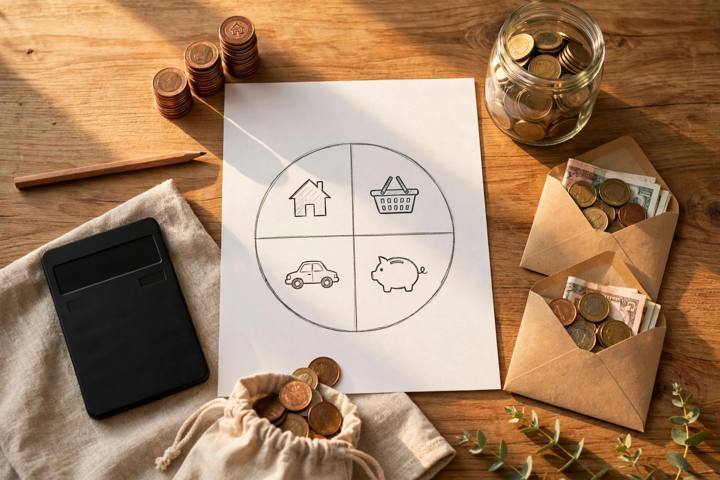
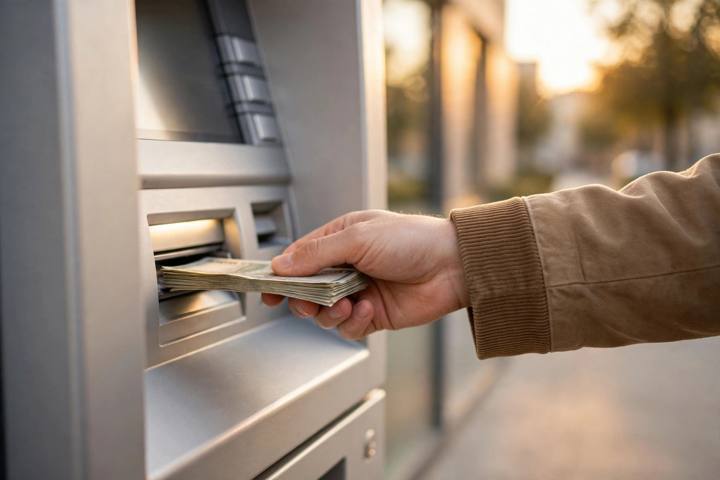
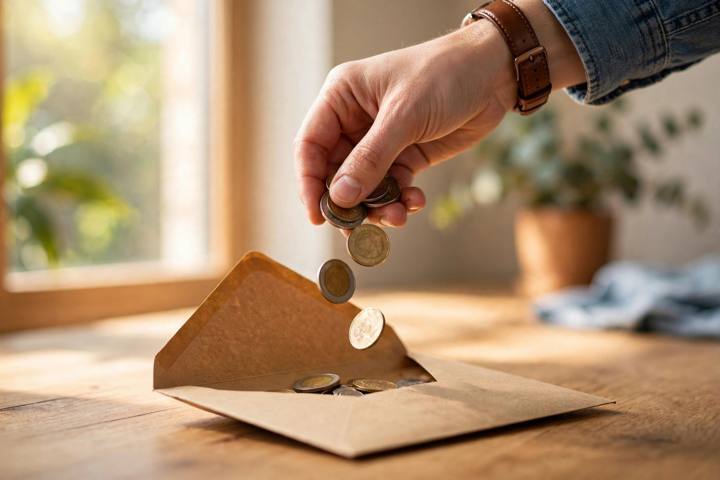
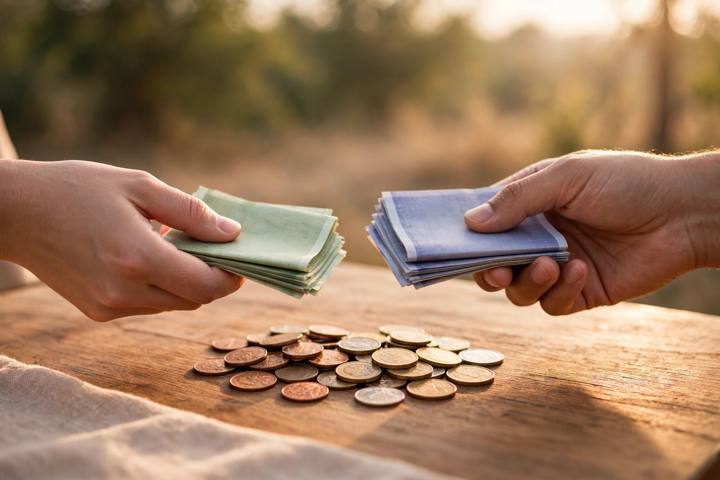
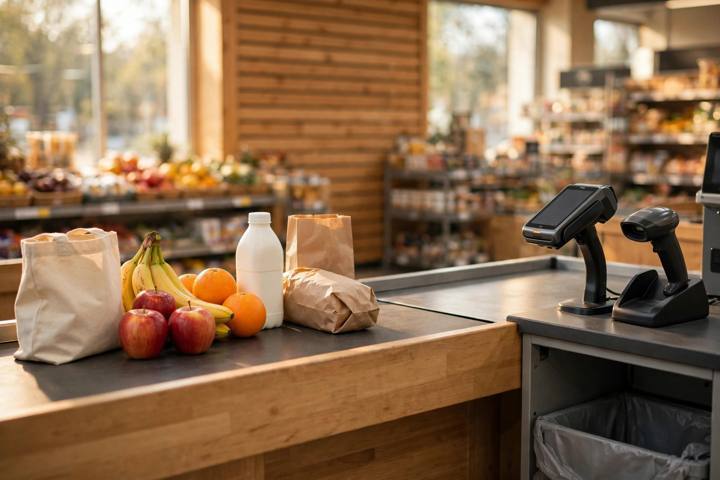
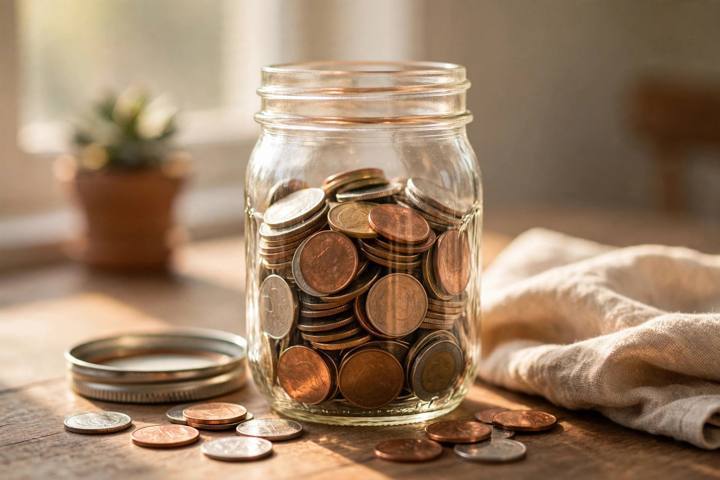
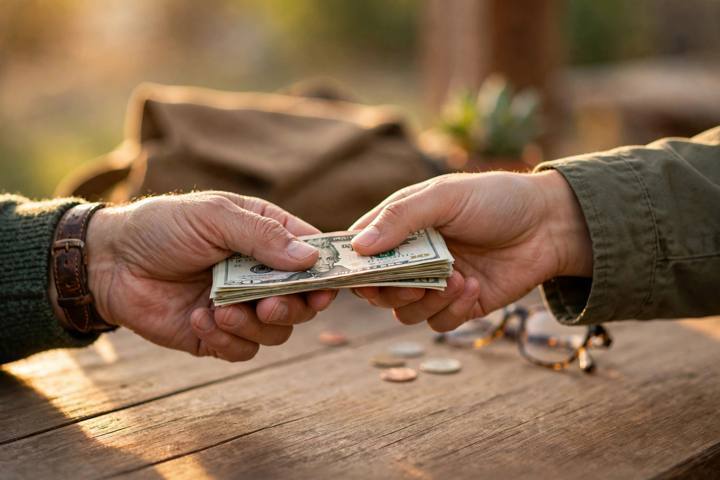


Podcast: Money & Shopping
Listen to today’s conversation.
📝 Podcast Transcript
Welcome to Word Kitchen, I'm Maya, and I'm Lena.
Today we're talking about smart shopping and money.
Yes, we all love a good bargain, but money can be tricky.
Today we'll share our own stories, our wins, our mistakes,
and finish with some smart money tips.
I'll start with my boots disaster.
Last winter, I found a pair of boots at an outlet mall.
They were marked down from $180 to $50, a real bargain.
That's a steal, so you bought them, I guess?
I did, and they looked great, but the zipper broke on the second day I wore them.
It just completely died.
Oh no, did you take them back to the store?
I did, but here's the thing. The store said they needed a receipt for a refund,
and luckily I had kept mine. I always keep receipts in my wallet.
Smart move.
The manager checked the receipt, looked at the boots, and gave me a full refund.
It took 40 minutes of back and forth, but I got all my money back.
So everyone, keep your receipts.
Great lesson, keep the receipt, get the refund.
Now, let me tell you about my college debt.
When I graduated, I had three-
That's a credit card debt.
That is a lot for a student.
It was, I had bought things I couldn't really afford.
Clothes, dinners out, concert tickets.
I just kept swiping the card without thinking.
What did you do about it?
I made a plan.
I set a strict monthly budget, which is just a limit on how much I can spend.
And I put every extra dollar toward the debt.
It took me two years, but I paid it all off.
Two years?
That must have felt amazing.
It really did.
And it taught me to always ask one question before I buy anything.
Can I afford this?
If the answer is no, I walk away.
Speaking of money mistakes, let me tell you about the ATM.
That ate my card.
I was at a farmer's market, and it was cash only.
So I needed to withdraw some cash first.
Withdraw means taking money out of your account, right?
Exactly.
Withdraw is taking money out, and deposit is putting money in.
So I went to the ATM, typed in my pen,
and the machine just swallowed my card.
Gone.
No.
What did you do?
I panicked.
The market was cash only, and I had no money and no card.
I called the bank, and they said they would mail me a new card in five days.
I had to borrow cash from a friend for the whole weekend.
That's terrifying.
Now I always keep a little emergency cash at home, just in case.
Good idea.
Let's talk about travel for a minute.
Exchange rates can make or break a trip.
When I went to Japan, the currency, the yen,
was weak against the dollar, and everything felt like a discount.
Lucky you, I had the opposite experience in London.
The pound was so strong that every coffee felt overpriced.
Eight pounds were a coffee.
That is just too much money for what you get.
Overpriced is the perfect word.
Right, so here's a tip.
Check the exchange rate before you travel.
Exchange just means trading one currency for another,
and a bad rate can quietly drain your wallet.
Now Maya, tell us about investing.
You've had some ups and downs there.
Oh yes, a few years ago I put money into a hot stock.
Everyone said it was the next big thing,
and I lost half my money in six months.
Ouch, that hurts.
It did, but I learned from it.
To invest means to put your money into something, hoping it grows over time.
Now I invest a small amount every month in a simple index fund,
and I've made a small profit.
That's the money you earn on top of what you put in.
Slow and steady wins the race.
Okay, now my furniture story, the installment plan disaster.
I bought a sofa and paid an installment,
which means small payments every month,
instead of paying all at once.
Installments can be fine if you're careful.
I was not careful.
I lost my job, missed two payments,
and the late fees piled up.
I ended up paying much more than the original price.
Those small monthly payments are a trap when your income isn't stable.
That's a hard lesson.
My uncle hadn't even harder one.
He owned a small restaurant.
When the economy slowed down,
he couldn't pay his suppliers,
and the business went bankrupt.
Bankrupt means you legally can't pay your debts, right?
Yes, it's a fresh start,
but it wipes out everything you built.
He lost the restaurant,
but he recovered.
He started catering from home and built it back up slowly.
It took five years, but he's doing well now.
That's real resilience.
Okay, let me end with a win.
My warranty story.
My laptop screen died two months ago.
It just went completely black.
Did you have a warranty?
A warranty is a promise from the seller
to fix or replace a product if it breaks.
I had bought the extended warranty two years of coverage.
The repair would have cost $400.
I paid nothing.
That is the best feeling when the warranty actually pays off.
Exactly.
So let's recap our seven smart money tips.
One, always keep the receipt.
It makes refunds easy.
Two, make a monthly budget and stick to it.
Small daily purchases can quietly destroy your savings.
Three, watch out for impulse buys at the checkout.
The checkout area is designed to tempt you with candy and gadgets.
So true.
I make a shopping list before I go to the store and I stick to it.
If it's not on the list, I don't buy it.
Well, most of the time.
Most of the time is already a big win.
Four, look for real discounts,
like 60% off a couch,
but ask yourself if you actually need it first.
That's a great point.
A discount only saves you money if you are going to buy it anyway.
And compare prices first.
I always check two or three stores before I buy anything big.
Me too.
And I read reviews online.
If a product has terrible reviews, no discount is worth it.
Five, pay down debt as fast as you can and never buy what you can't afford.
Six, build an emergency savings fund.
Savings is money you keep for the future.
So one bad month doesn't break you.
Seven, read the fine print on installments, loans and warranties.
A loan is borrowed money you must pay back with interest.
So know the terms before you sign.
And here's a bonus tip for me.
The 30-day rule.
If I want something expensive, I wait 30 days.
If I still want it after a month, I buy it.
Most of the time, I forget about it and my savings stay safe.
I love that rule.
It kills impulse shopping completely.
Great tips.
Thanks for listening to Word Kitchen.
Practice these words and we'll see you next time.
Bye everyone.
🎙 Try Shadowing free sample
Listen and repeat along with the studio audio. Full shadowing practice with pronunciation scoring is in the app.
Hello! Here's today's shadowing story. It uses all 20 words from today's lesson.
I will read each sentence two times. First, just listen. Then, speak along with me.
Last Saturday, there was a big sale at the City Shopping Center.
Train your speaking
Shadow every sentence with studio audio and get your pronunciation scored — only in the Muse English app.
📝Grammar: Articles - a / an, the, no article
Use a or an with singular countable nouns: to say what something is or what somebody does (She's a lawyer), the first time you mention a thing or person (I saw an old man with a dog), in What...! exclamations (What an awful day!), and in expressions of frequency (three times a week). Use the when you talk about something you already mentioned (The dog was barking), when it is clear what you mean (The bell rang and my father opened the door), when there is only one of something (the moon), with places in a town (the cinema, the theatre), and with superlatives (the best restaurant). Use no artic
Master this grammar in the app
Get clear explanations, more examples and interactive exercises.
Keep learning every day
New lessons, podcasts and quizzes daily — free in the Muse English app.