
📖 What is Muse English?
Muse English is a free English learning app with daily lessons across all 6 CEFR levels (A1 Beginner to C2 Proficient). Every day brings new vocabulary, a real podcast conversation, shadowing practice, grammar and quizzes — all at museenglishapp.com.
📚 Vocabulary
10 new words Learn new words with real examples and audio.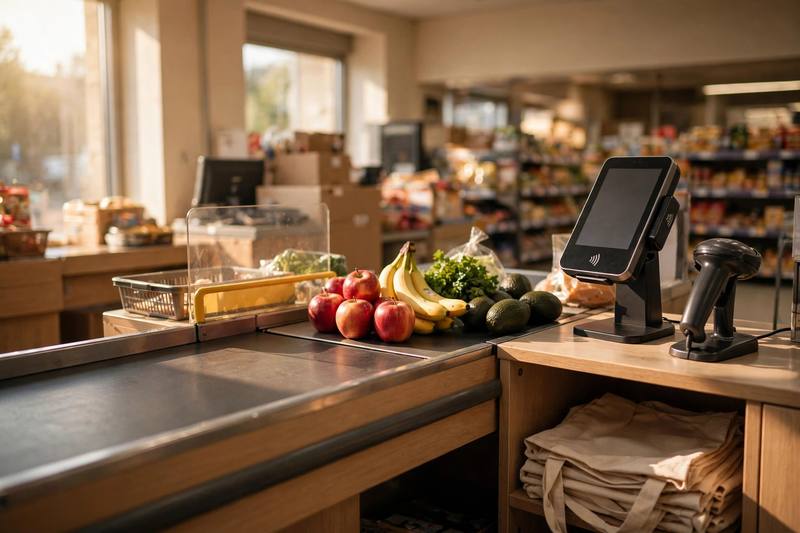
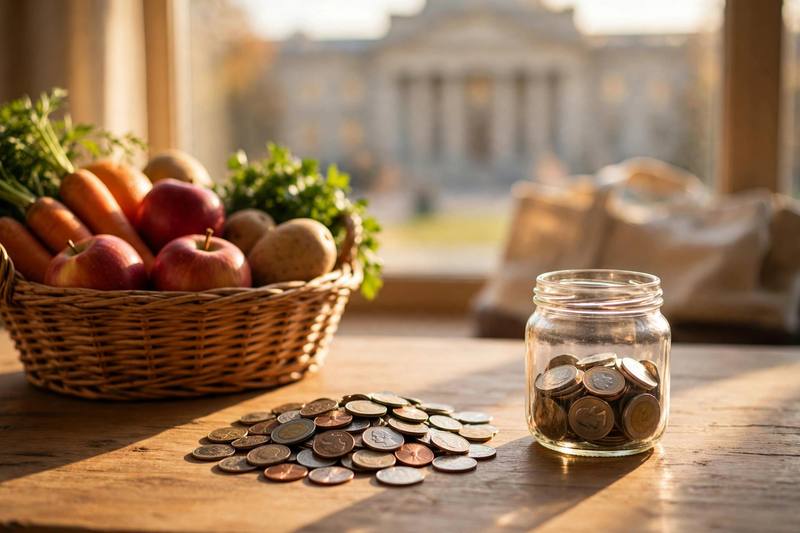
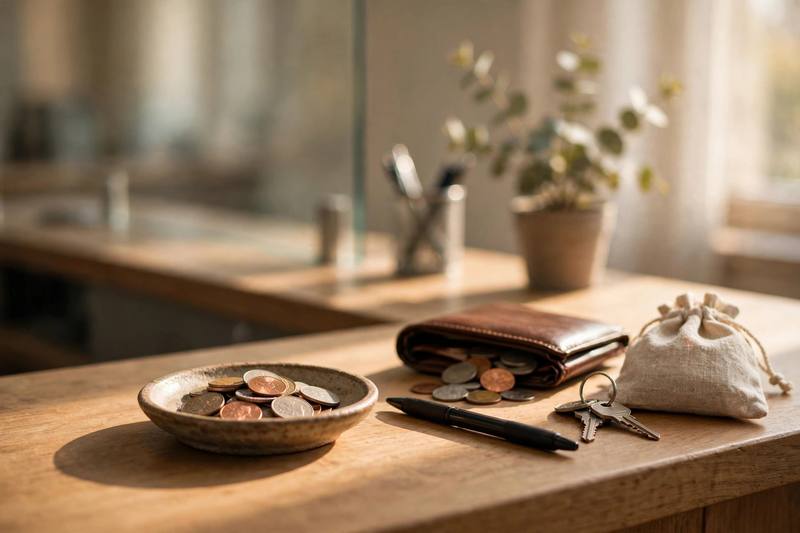
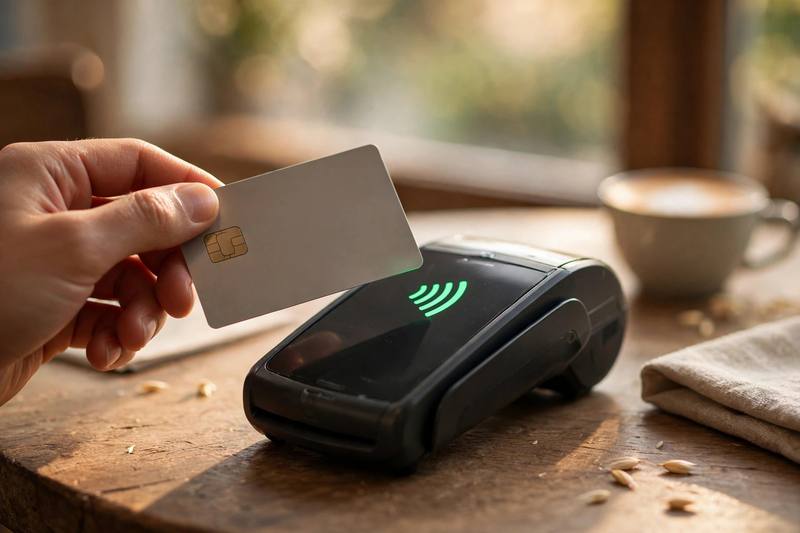
Podcast: Money & Shopping
Listen to today’s conversation.
📝 Podcast Transcript
Welcome back to Word Kitchen, the show where we cook up English words you can actually use. I am Maya.
And I am Lena. Today's recipe is all about money and shopping. Maya, I have a story for you. Last weekend I bought a new laptop, and the whole purchase took longer than I expected.
Oh, I love a good shopping story. Tell me everything. How did you pay for the purchase? All at once?
Not all at once. The store offered me a plan: twelve monthly installments. The laptop was too expensive for one payment, so I said yes to the installments.
Installments are great when the price is big. So you pay one installment every month for a year?
Exactly. The first installment comes out next month. And get this, each installment is small enough that I can still save money.
That is smart shopping. Did they ask for a deposit too?
Yes. They asked for a small deposit before they ordered the laptop. I paid the deposit, and the deposit counts toward the total price.
A deposit is normal for big purchases. It shows the store you are serious. So what happened at the checkout?
The checkout was busy, but the cashier was friendly. At the checkout, she asked if I wanted a loyalty card.
Oh, loyalty cards are my favorite thing. Do you have their loyalty card now?
I do. She said every purchase with the loyalty card gives me points. My last purchase gave me fifty points already.
Nice. Points from one purchase can really add up. So after the checkout, what did you do with the invoice?
She sent the invoice to my email. I always keep the invoice because the invoice shows exactly what I paid for.
Good habit. An invoice is your proof. Did you check the warranty on the invoice too?
I did. The invoice says the laptop has a two-year warranty. The warranty covers repairs, so I do not have to worry.
A good warranty is worth a lot. My phone's warranty saved me once when the screen broke. What about the tax? Did the price include tax?
Yes, the tax was already in the price. The tax on the laptop was about eight percent of the total.
Tax always surprises people. In some places the tax is added at the checkout, and the tax can change the final price a lot.
True. I asked about extra fees too. There was a small fee for the payment plan, but no fee for the card payment itself.
So the fee for the installment plan, is the fee big?
The fee is tiny, just a few dollars. And the final payment is the twelfth installment. After that payment, the laptop is all mine.
One thing I always ask about is the fee. Once a hotel charged me a strange fee just for paying with a card. So now I always ask: is there a fee for this payment?
Oh yes, surprise fees are the worst. But this time every fee was clear. The invoice even listed the fee next to the tax, so the invoice helped me understand the full price.
That is what a good invoice does. It breaks down the purchase, the tax, the fee, all of it. Speaking of big purchases, my friend just paid a deposit on an apartment. A deposit for a rental can be a full month of rent.
Right, and you get the deposit back if nothing is broken. A deposit protects both sides. Did your friend read the warranty for the appliances too?
He should. A warranty on the fridge is important. And you know what else he asked about? Loyalty programs at the furniture store. His loyalty points from an old purchase gave him a real discount on a sofa.
That is the power of loyalty. Stores love loyalty because it keeps you coming back. I have one loyalty card that I have used for years.
Me too. But tell me, at the checkout, was there a long line at the checkout? I hate waiting at the checkout when it is crowded.
It was busy, but the second checkout opened, so it moved fast. And the cashier at the checkout explained the installment plan again, one installment at a time.
Good service. So the last payment is in twelve months, and then the laptop is yours. Will you make every payment on time?
Of course. If I miss a payment, there could be a late fee. I set a reminder for each payment. Twelve payments, no late fees, no stress.
And what about the warranty? Two years is a nice warranty. If anything breaks, the warranty will fix it. I always say: never skip the warranty on a big purchase.
Agreed. A strong warranty plus a clear invoice makes me feel safe. And a small deposit, fair installments, no hidden fee, honest tax: that is how a store earns my loyalty.
I love it. Let us review our words, because every word we used is one you should know. First: purchase. A purchase is the thing you buy. Lena's laptop purchase took a while.
Second: installment. An installment is one small payment of many. Twelve installments for one laptop.
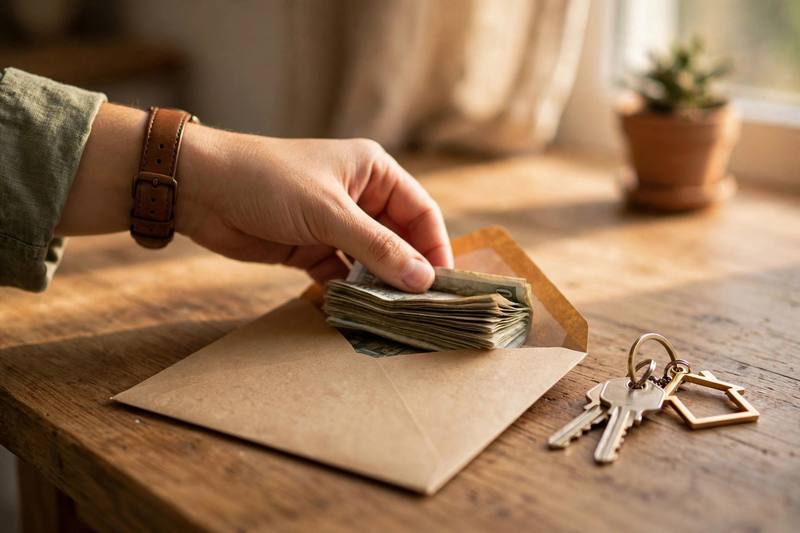
Third: deposit. A deposit is money you pay in advance. It counts toward the price.
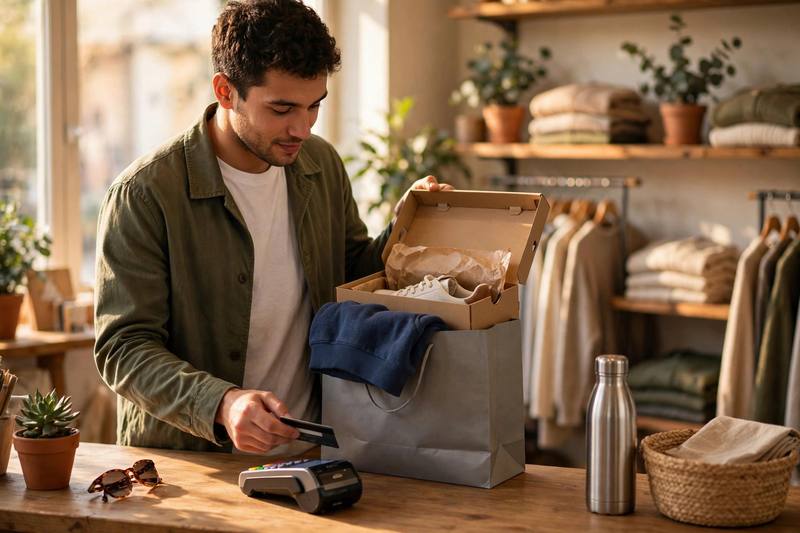
Fourth: checkout. The checkout is where you pay in the store. Busy checkout, friendly cashier.
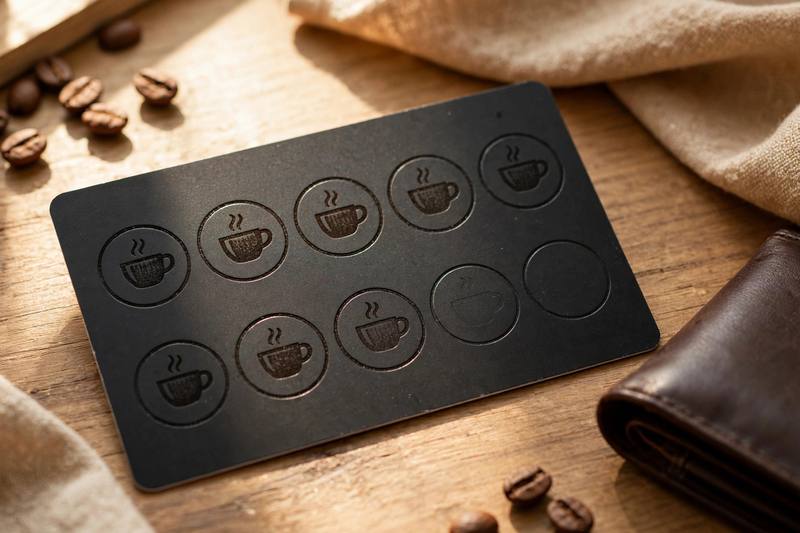
Fifth: loyalty. A loyalty card rewards regular shoppers with points on every purchase.
Sixth: invoice. An invoice is the official paper or email that shows what you paid.
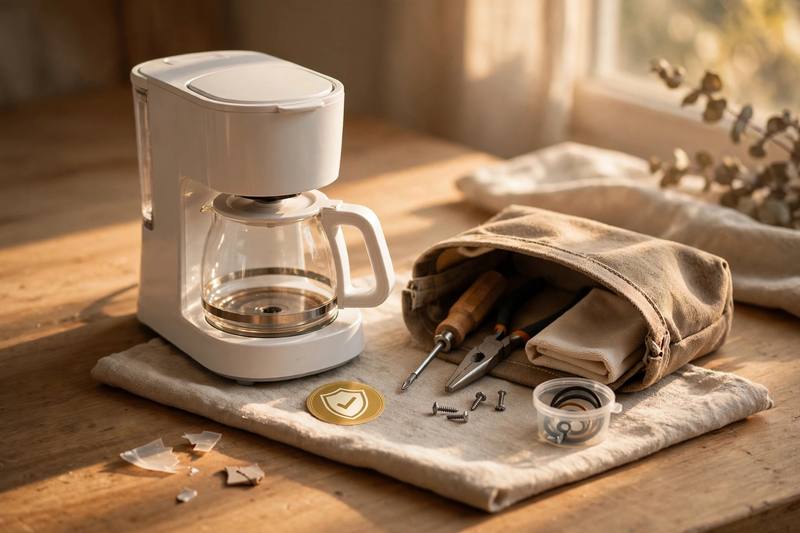
Seventh: warranty. A warranty promises repairs if the product breaks. Two-year warranty on the laptop.
Eighth: tax. Tax is money added to the price, paid to the government.
Ninth: fee. A fee is a small charge for a service, like the fee for the payment plan.
Tenth: payment. A payment is the act of paying. Lena's last payment is in twelve months.
Ten words, one great story. That is your Word Kitchen for today. Keep practicing these words, and your English will grow like a good recipe. See you next time.
Bye, everyone. And happy shopping.
🎙 Try Shadowing free sample
Listen and repeat along with the studio audio. Full shadowing practice with pronunciation scoring is in the app.
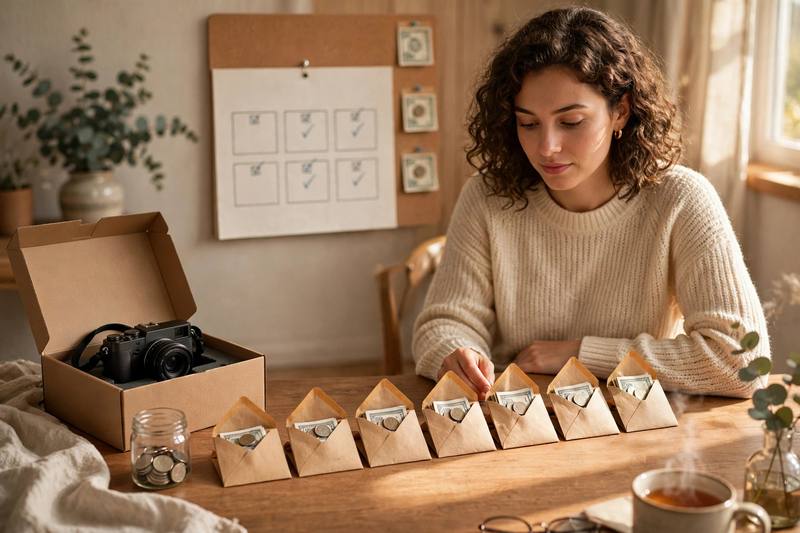
I am excited about my next big purchase: a new camera.
The camera costs six hundred dollars, so I cannot make the whole payment all at once.
The store lets me pay in monthly installments.
Train your speaking
Shadow every sentence with studio audio and get your pronunciation scored — only in the Muse English app.
📝Grammar: Future forms - present continuous, be going to, will / won't
Use **be going to + infinitive** for plans you have already decided. I have decided: I am **going to make** the final payment on Friday. Use **be going to** for predictions with evidence, when you can see it coming. Look at that total: this purchase is **going to be** expensive. Use the **present continuous** for future arrangements, plans with a fixed time and place. I am **paying** the deposit at the checkout tomorrow morning. Use **will / will not** for instant decisions, when you decide at the moment of speaking. The invoice is here? OK, I will **pay** it right now. Use **will** for pr
Master this grammar in the app
Get clear explanations, more examples and interactive exercises.
Keep learning every day
New lessons, podcasts and quizzes daily — free in the Muse English app.