
📖 What is Muse English?
Muse English is a free English learning app with daily lessons across all 6 CEFR levels (A1 Beginner to C2 Proficient). Every day brings new vocabulary, a real podcast conversation, shadowing practice, grammar and quizzes — all at museenglishapp.com.
📚 Vocabulary
15 new words Learn new words with real examples and audio.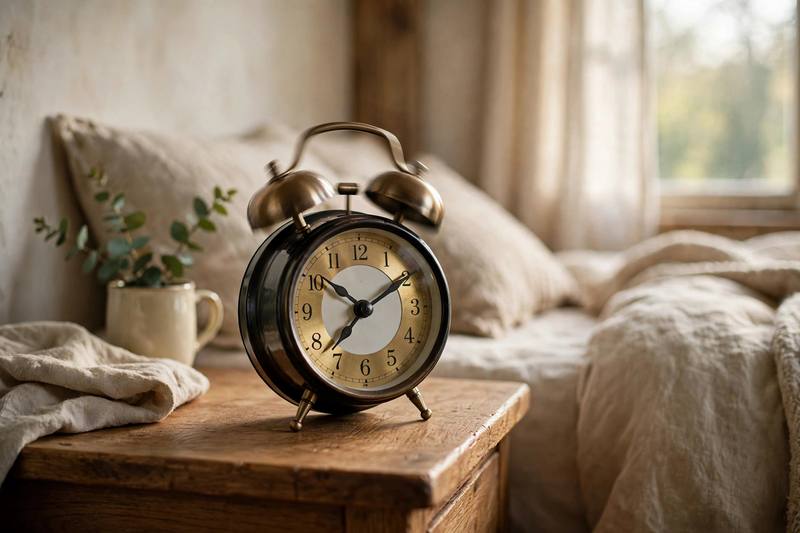





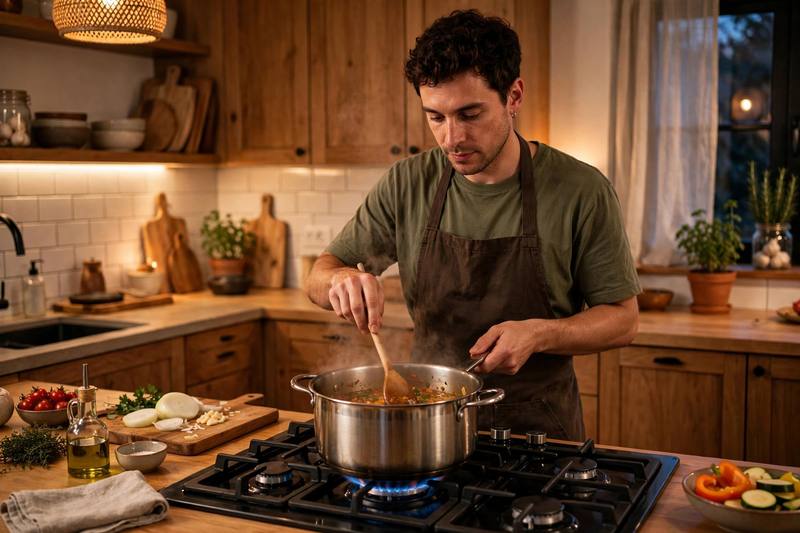
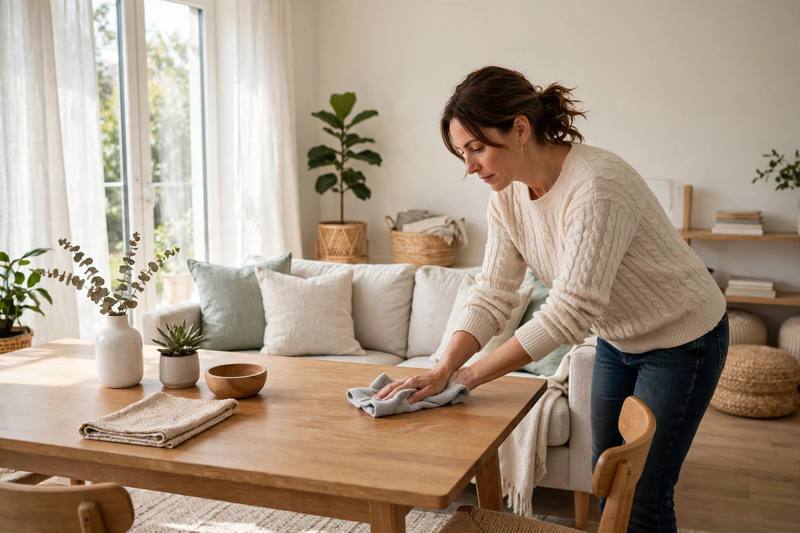

Podcast: Daily Routines
Listen to today’s conversation.
📝 Podcast Transcript
Hello and welcome to word kitchen. I am Maya.
And I'm Lena. Hello everyone.
Today we talk about daily routines.
A routine is something you do every day at the same time.
Yes, morning, afternoon, evening.
We all have routines.
Maya, tell me about your morning routine.
My alarm rings at 6.30.
An alarm is a clock that makes a loud sound to wake you up.
Oh, I know that sound. My alarm rings at 7.
Sometimes I want to stay in bed, but I must wake.
To wake means to stop sleeping.
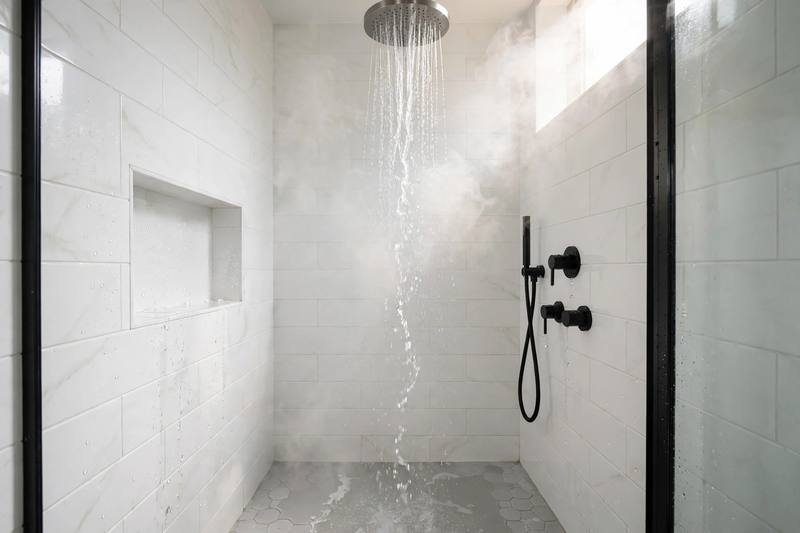
When I wake, I take a shower.
A shower is washing your body under running water.
A warm shower is the best start to the day.
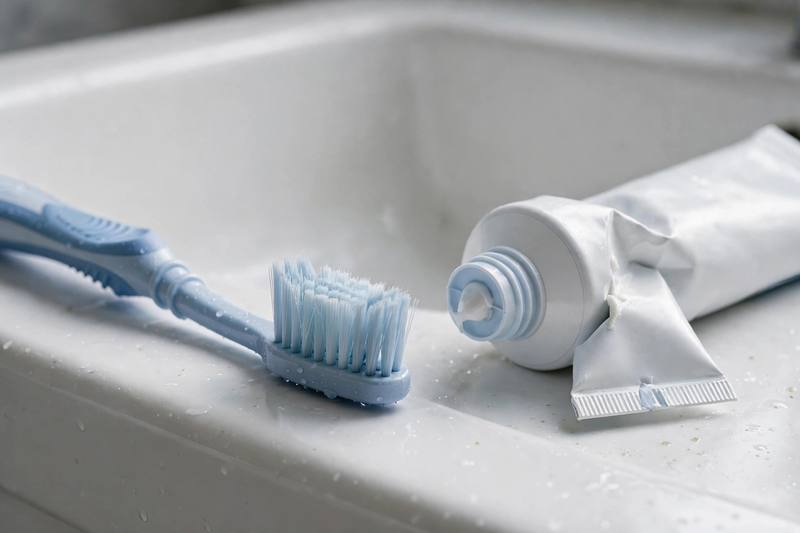
After my shower, I brush my teeth.
To brush means to clean with a brush.
I brush my teeth too, and then I eat breakfast.
Breakfast is the first meal of the day.
Breakfast is my favorite meal.
I eat bread and eggs, and I drink tea.
What do you eat, Maya?
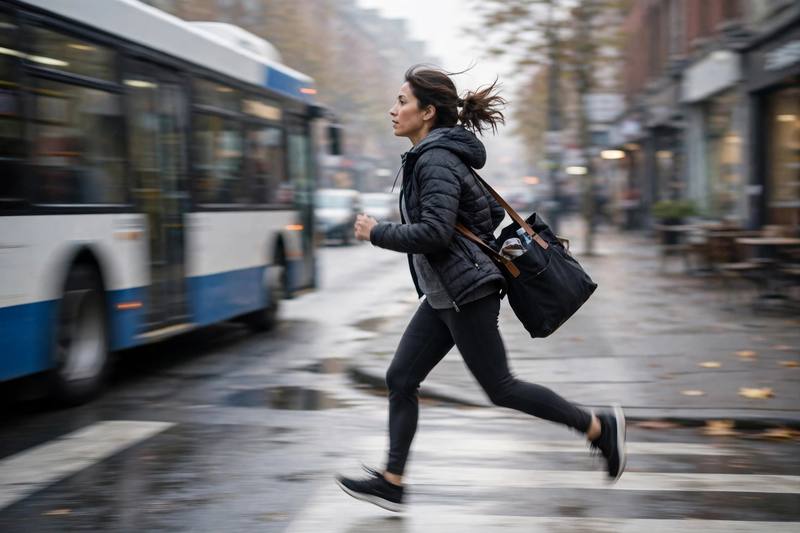
I eat fruit and yogurt, but then I must hurry.
To hurry means to go fast because you are late.
I hurry, too. The traffic is terrible in the morning.
Traffic means many cars on the road at the same time.
Yes, I drive to my office, and the traffic is very slow.
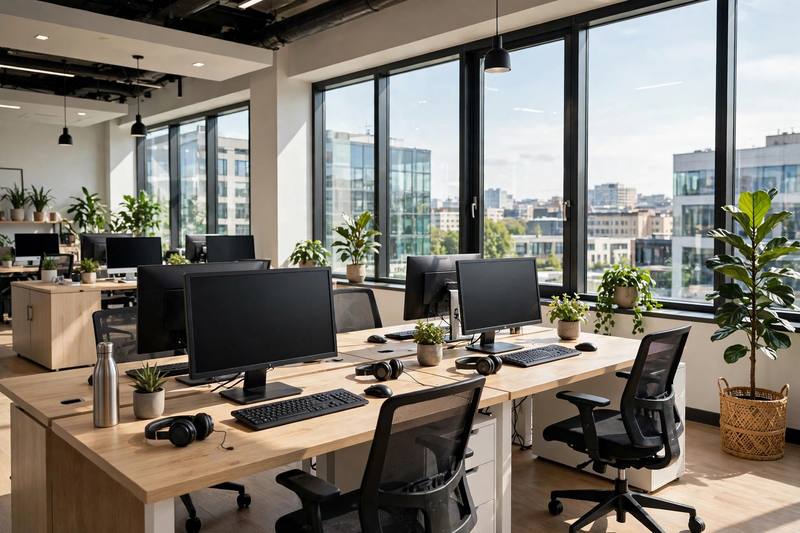
An office is a place where people work at desks.
Do you walk to your office, Maya?
No, I drive my car.
I listen to music in the traffic.
It helps me feel calm.
What about you?
I take the bus.
The bus is slow when there is traffic,
but I read a book, so it is fine.
Good idea.
I work in a big office with many people.
I usually arrive at 8.30.
At the office, I drink coffee and answer emails.
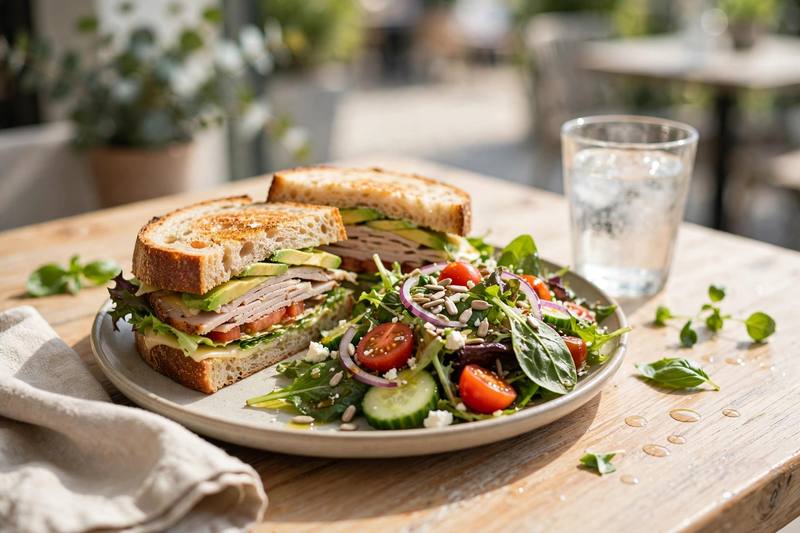
Then, at noon, I eat lunch with my friends.
Lunch is the meal in the middle of the day.
I usually eat a sandwich for lunch.
Lunch with friends is nice.
We talk and laugh.
It gives me energy for the afternoon.
After work, I go home.
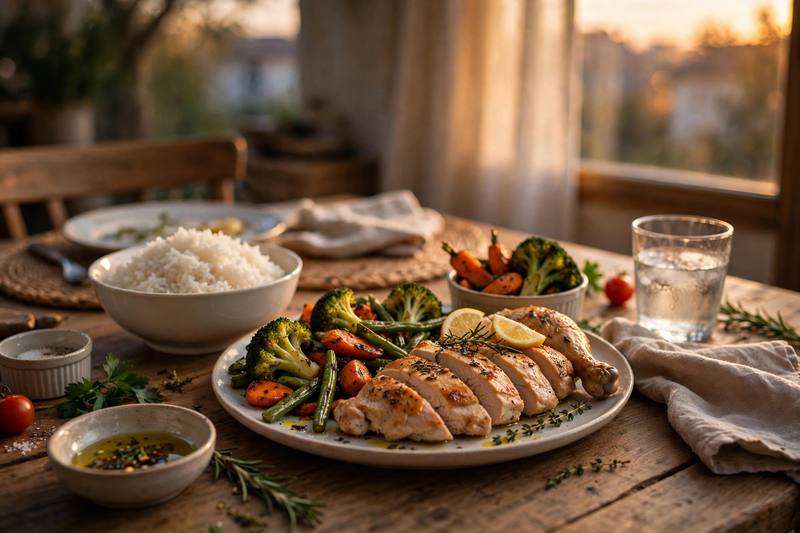
In the evening, I cook dinner.
To cook means to make food with heat.
I love to cook.
Dinner is the meal in the evening.
My family eats dinner together at 7.
That is lovely.
After dinner, I clean the kitchen.
To clean means to make things tidy and not dirty.
I clean too, but only a little.
By 9 o'clock in the evening, I feel tired.
Tired means you need rest.
You have no energy.
I feel tired after a long day, too.
And I feel hungry.
Hungry means you want to eat food.
Maybe I need a small snack.
Then it is time to sleep.
To sleep means to rest at night with your eyes closed.
Sleep is very important.
Now, let us learn our 15 words one by one.
Maya, please start.
Alarm.
An alarm is a clock that wakes you with a loud sound.
For example, my alarm rings at 6.30.
Shower.
A shower is washing your body under running water.
For example, I take a shower every morning.
Brush.
To brush means to clean with a brush.
Breakfast.
Breakfast is the first meal of the day.
For example, we eat breakfast at 8 o'clock.
Lunch.
Lunch is the meal in the middle of the day.
For example, I have lunch at noon.
Dinner.
Dinner is the meal in the evening.
For example, we eat dinner at 7.
Traffic.
Traffic means many cars on the road at the same time.
For example, the traffic is bad today.
Office.
An office is a place where people work.
For example, she works in a big office.
Tired.
Tired means you need rest.
For example, I am tired after work.
Hungry.
Hungry means you want to eat food.
For example, the children are hungry.
Hurry.
To hurry means to go fast.
For example, hurry up.
We are late.
Wake.
To wake means to stop sleeping.
For example, I wake at 6 every day.
Cook.
To cook means to make food with heat.
For example, he cooks dinner every night.
Clean.
To clean means to make things tidy.
Sleep.
To sleep means to rest at night.
For example, babies sleep a lot.
Wonderful.
Now let us use all the words in a small story.
I will start.
I wake when my alarm rings.
I take a shower and brush my teeth.
I eat breakfast.
Then I hurry through the traffic to my office.
At noon, I eat lunch with my friends.
In the evening, I cook dinner.
And after dinner, I clean the kitchen.
I feel tired and hungry.
And then I go to sleep.
A perfect daily routine.
Thank you for listening to Word Kitchen.
Practice these 15 words today and tell us about your routine.
See you next time.
Bye everyone.
Bye.
🎙 Try Shadowing free sample
Listen and repeat along with the studio audio. Full shadowing practice with pronunciation scoring is in the app.
My alarm rings at 6 o'clock. My alarm rings at 6 o'clock. I wake and take a shower. I wake and take a shower.
I brush my teeth. I brush my teeth. I eat breakfast with my family. I eat breakfast with my family.
I hurry to work in the traffic. I hurry to work in the traffic. I work in a big office. I work in a
Train your speaking
Shadow every sentence with studio audio and get your pronunciation scored — only in the Muse English app.
📝Grammar: Past simple: regular verbs
We use the past simple for finished actions in the past. Words like yesterday, last night, and this morning often come with it. For regular verbs, add -ed to the verb: work -> worked, clean -> cleaned, cook -> cooked. Watch the spelling. Verbs ending in -e add only -d: like -> liked. Verbs ending in consonant + y change y to i: hurry -> hurried, study -> studied. Short verbs double the last letter: stop -> stopped, plan -> planned. For negatives, use did not (didn't) + the verb: I did not sleep well. For questions, put Did at the start: Did you cook dinner?
Master this grammar in the app
Get clear explanations, more examples and interactive exercises.
Keep learning every day
New lessons, podcasts and quizzes daily — free in the Muse English app.