
📖 What is Muse English?
Muse English is a free English learning app with daily lessons across all 6 CEFR levels (A1 Beginner to C2 Proficient). Every day brings new vocabulary, a real podcast conversation, shadowing practice, grammar and quizzes — all at museenglishapp.com.
📚 Vocabulary
20 new words Learn new words with real examples and audio.

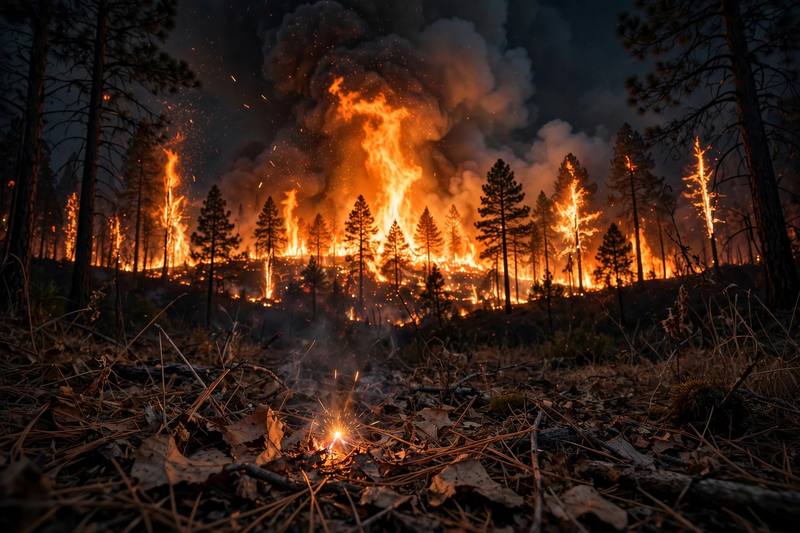
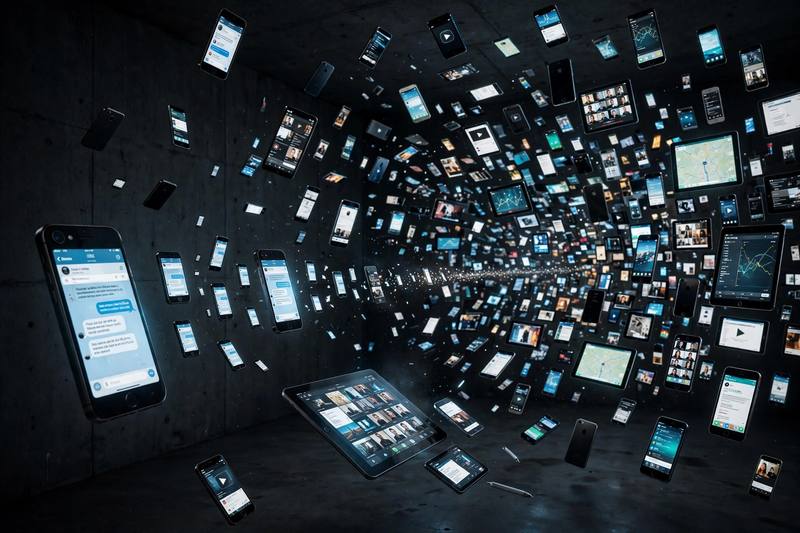
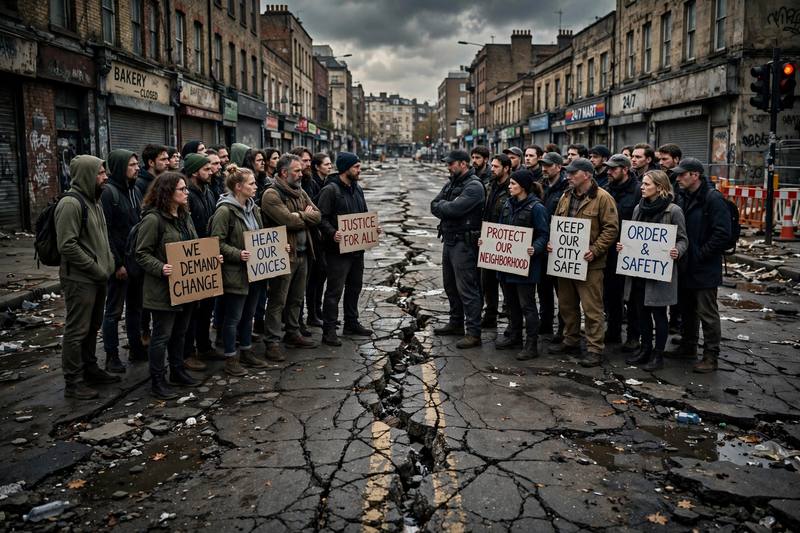
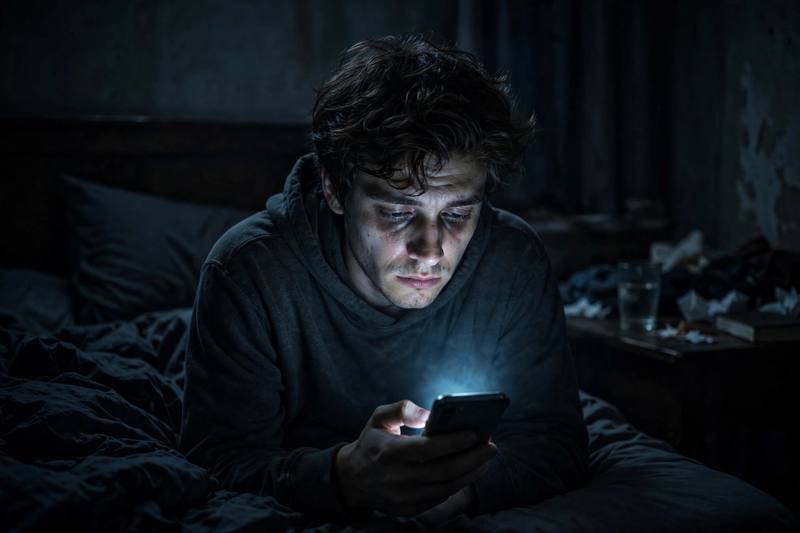
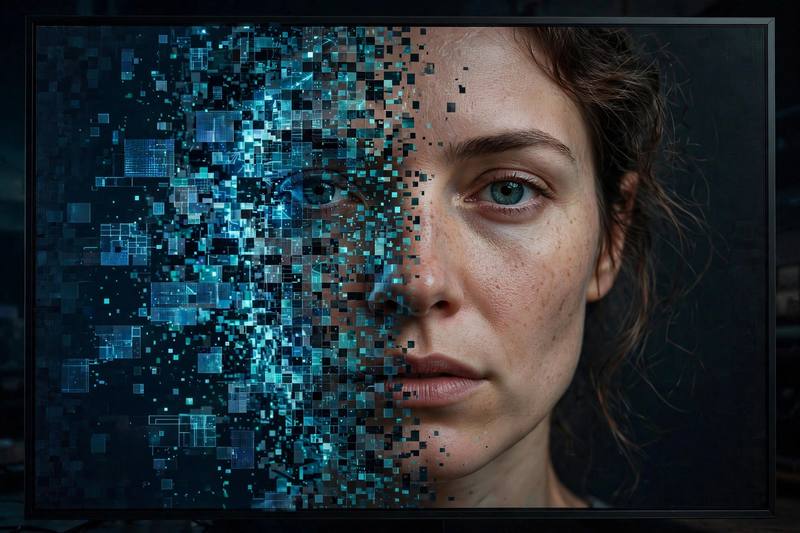

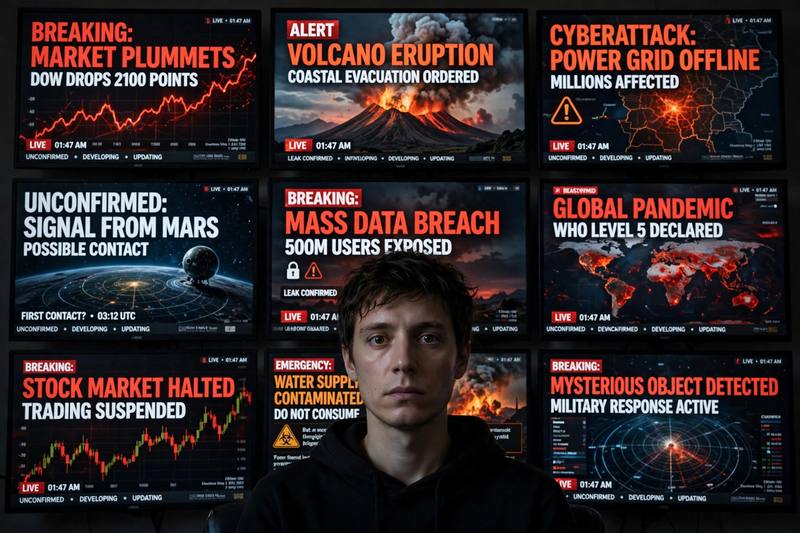



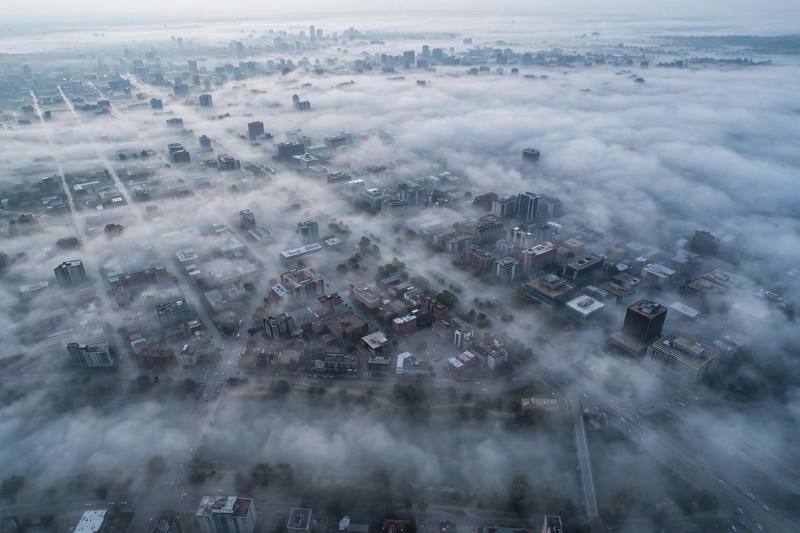


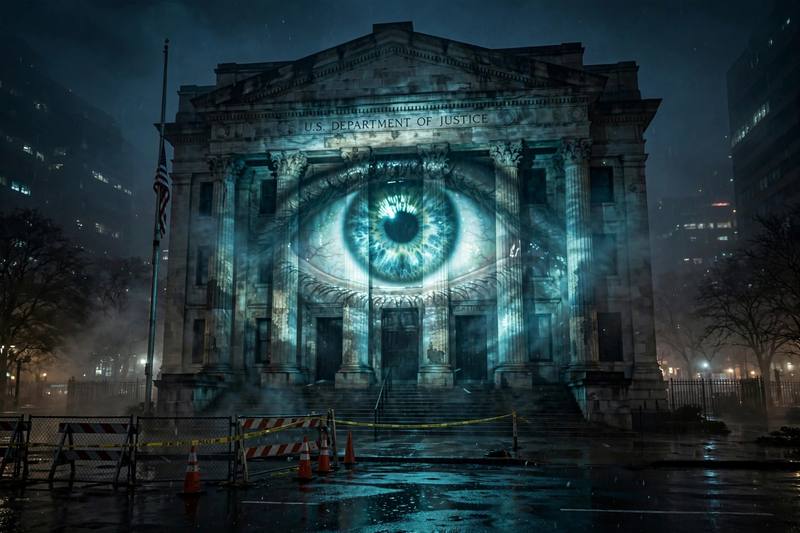
Podcast: Technology & Society
Listen to today’s conversation.
📝 Podcast Transcript
Welcome back to Word Kitchen, the show where we cook up the English you need for the real world.
I'm Maya. And I'm Lena. Today we're serving a big chewy topic,
technology and society. How our phones, our feeds, and our data are quietly reshaping the way we
live. And we've got 20 delicious advanced words on the menu today, so let's dig in.
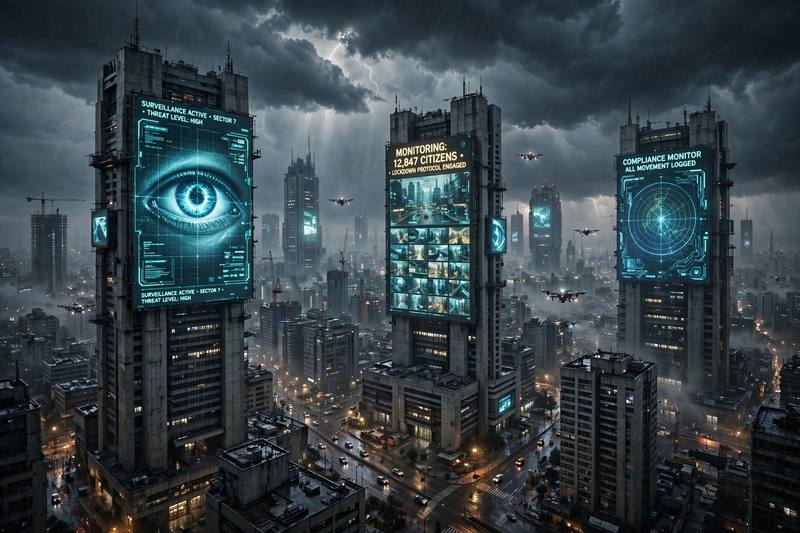
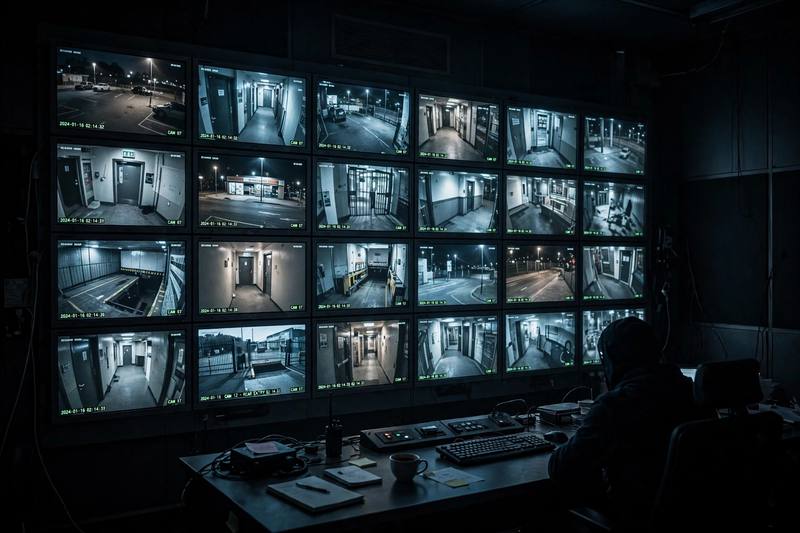
Lena, let me start with something I noticed at the airport last week. Security cameras everywhere.
Above the check-in desks, along the corridors, even inside the shuttle bus. It got me thinking
about our first word, surveillance. Surveillance? The close observation of people, usually by authorities
or companies. And honestly, Maya, it has become ubiquitous. That's word number two, ubiquitous,
meaning present everywhere. Cameras are ubiquitous now. They're in airports, in shops, on doorbells.
Right, and it's not just cameras. Our phones track our location, our watches track our heartbeat,
our browsers track our clicks. We are living through an unprecedented level of monitoring.
Unprecedented, never having happened before in history. That's the word that worries me most.
My grandmother grew up in a world where a walk to the market was a private act.
Today, that same walk is recorded, analyzed, and stored. If she saw the scale of it, she'd probably
call it dystopian. Dystopian, like an imagined frightening society where everything is controlled.
It's a strong word, but I hear it more and more. When a city proposes mandatory face scanning
just to enter a park, people reach for that word. And some go one step further and call it
Orwellian. Orwellian describes anything resembling a totalitarian state with extreme surveillance
and control, named after George Orwell, who wrote the novel 1984. When every message you send
might be read, that feels Orwellian to a lot of people. But let's be fair for a second. Surveillance
isn't only menacing. After a string of bike thefts in my neighborhood, the new street cameras
actually caught the thief. The same technology that feels Orwellian can also protect people.
That's the tension, isn't it? The very same camera is a guardian to one person and a threat to
another. And that brings us to a word for how fast all of this arrived. Proliferation.
Proliferation means a rapid increase in number. Dozens. Yes. And each one collects data.
Now, here's a question I keep turning over. Does more data make us safer or does it just
exacerbate our anxiety? To exacerbate is to make a bad situation worse. I read that constant
crime alerts on neighborhood apps actually exacerbate fear, even in areas where crime is falling.
Oh, that's such a good point. The information itself becomes the problem.
Which slides us beautifully into the second half of our menu. The world of the feed.
Let's talk about the algorithm. An algorithm is a set of rules a computer follows to make
decisions. And the feed algorithm decides what you see every morning. And what it wants you to see
is whatever keeps you scrolling. The algorithm doesn't care about truth. It cares about attention.
That is how misinformation spreads so fast. Misinformation, false information that travels
regardless of intent. A sensational lie will always outperform a boring fact. I saw a study
that said false stories reach far more people than true ones. And once a community believes a false
story, it starts to polarize. No listening, exactly. And the algorithm loves that because outrage
is engaging. Now, have you ever caught yourself doom scrolling? To doom scroll is to keep reading bad
news online in a compulsive way. Bad news, disaster, outrage, repeat at two in the morning.
Guilty. Last month, there was a storm warning, and I doom scrolled weather updates until 3am.
I wasn't learning anything new. I was just feeding the worry.
The feed is designed to be addictive, causing a habit that's genuinely hard to break.
Infinite scroll, auto play, little red notification dots. A slot machine, that's exactly it.
And here's the darker consequence. When you see shocking images every single day,
they start to desensitize you. To desensitize is to make someone less sensitive to shocking things.
The 10th disaster video doesn't hit like the first one did. Which is heartbreaking. Because behind
every one of those videos are real people, we lose the nuance. Nuance is a subtle difference in
meaning or tone, and nuance is the first casualty of the feed. A complex conflict becomes a meme.
A grieving family becomes content. Content. What a cold word for human suffering.
And now add our next word to this cocktail? Deepfake. A deepfake is a fake video or audio made
with artificial intelligence to look and sound real. A few months ago, a deepfake of a well-known
politician went viral and millions believed it before it was debunked. That one genuinely
frightens me. If you can't trust video anymore, what can you trust? We used to say seeing is
believing. Deepfakes killed that. And the scary nuance here? There's that word again.
Is that the technology keeps improving. The fakes of next year will be better than the fakes of
this year. So let's step back and look at the whole picture because there's a paradox sitting
right in the middle of it. A paradox is a statement that seems contradictory but may contain truth.
Here it is. These tools were built to connect us, yet so many of us have never felt more alone.
That paradox keeps me up at night. I have 500 contacts and I eat dinner staring at a screen.
We trade a depth for reach. And meanwhile, all of this noise continues to erode something precious.
Our attention to a road is to gradually wear away. Constant pinks and pop-ups erode our ability
to concentrate, to read a book, to finish a thought. To finish a thought. I love that. I tried
reading a novel last weekend and caught myself reaching for my phone every 10 minutes. My focus has
been eroded by years of training my brain to expect novelty every few seconds. And the training
never stops because advertising is now pervasive. Pervasive means spreading widely through every
part of life. Ads are pervasive. They're in our games, our videos, our maps, our fridges
practically. Silence itself has become a luxury product. A luxury product? Ha! Okay, so we painted
a pretty dark picture. Let's talk about what we can actually do because I don't want to leave our
listeners into spare. Our next word is mitigate. To mitigate is to make something less severe. We can't
uninvent the algorithm, but we can mitigate its harms. Yes, turn off auto play. Charge your
phone outside the bedroom. Follow people you disagree with on purpose to fight the polarizing
effect. Use tools that flag misinformation before you share it. Small habits, but they mitigate
the worst of it. And on a bigger level, we need accountability. Accountability is responsibility
for one's actions, with an obligation to explain them. Right now, the platforms operate with almost
no accountability. They shape elections. They shape teenage self-esteem. And when something goes
wrong, they shrug. That shrug is the problem. If a car company sold a car with no brakes, there would
be hearings. But if feed that amplify self-harm content to teenagers, somehow that's just business.
We need real accountability, transparent algorithms, independent audits, actual consequences.
Independent audits? I like that. Imagine if once a year a team of outsiders got to inspect
the algorithm, the way health inspectors inspect a restaurant kitchen. If the kitchen is clean,
you get your certificate. If not, you fix it or you close. The restaurant inspection for the feed?
I love it. And you know what gives me hope? The unprecedented part cuts both ways.
Yes, we've never faced monitoring on this scale, but we've also never had tools this powerful
for good. That's true. The proliferation of connectivity means a doctor in a remote village
can consult a specialist across the world. The algorithm that radicalizes can also teach.
It's not the technology that's dystopian or utopian. It's the choices around it.
The choices, who builds it, who profits from it, who watches the watchers?
That last one is the Orwellian question, isn't it? Who watches the watchers? Without accountability,
surveillance always drifts toward control. Always. So here's my takeaway for our listeners.
Notice the design. When you feel the pull to doom's growl at midnight, name it. Say,
this is engineered to be addictive. When a headline makes your blood boil, pause and ask,
is this trying to polarize me? Awareness doesn't fix everything, but it mitigates a lot.
Name it to tame it. And protect your attention like the treasure it is,
because everything out there is trying to erode it. Read the long article. Have the slow conversation.
Let yourself be bored sometimes. Boredom is where original thought lives.
Beautifully said. Let's do a lightning recap of our 20 words before we go.
Surveillance, ubiquitous, unprecedented, dystopian, Orwellian, proliferation,
exasperate, algorithm, misinformation, polarize.
Doom's growl addictive, desensitize, nuance, deep fake, paradox, erode, pervasive,
mitigate accountability. 20 words, one big conversation. Try using three of them this week in
real conversation. Tell a friend about the attention paradox or the need for platform accountability.
And if this episode got you thinking, share it with exactly one person who doom scrolls too much.
We all know one. Thanks for listening to Word Kitchen. Until next time, stay curious,
stay skeptical, and guard your attention. Bye. Bye everyone.
🎙 Try Shadowing free sample
Listen and repeat along with the studio audio. Full shadowing practice with pronunciation scoring is in the app.
In the near future, surveillance cameras became ubiquitous in every major city.
In the near future, surveillance cameras became ubiquitous in every major city.
Citizens had never faced monitoring on this unprecedented scale.
Train your speaking
Shadow every sentence with studio audio and get your pronunciation scored — only in the Muse English app.
📝Grammar: Conditionals type 2 and 3
Conditional sentences describe what happens, or what would happen, under certain conditions. Type 2 and Type 3 both imagine situations that are <b>not real</b> — but they differ in time. <b>Second conditional</b> talks about an <b>unreal present or future</b>: something unlikely or impossible right now. Form: <b>If + past simple, would + base verb</b>. Note that after <i>if</i> we use <b>were</b> for all persons: <i>If I were you, I would disconnect for a week.</i> <b>Third conditional</b> talks about an <b>unreal past</b>: something that already happened differently, so it cannot be changed
Master this grammar in the app
Get clear explanations, more examples and interactive exercises.
Keep learning every day
New lessons, podcasts and quizzes daily — free in the Muse English app.