
📖 Muse English چیست؟
Muse English یک اپلیکیشن رایگان آموزش زبان انگلیسی است، با درس روزانه برای هر شش سطح، از A1 (مبتدی) تا C2 (تسلط کامل). هر روز لغتهای تازه با معنی فارسی، یک پادکست واقعی، تمرین شدوئینگ، گرامر و آزمون دارید. دربارهٔ اپ
📚 لغتها
۷ لغت تازه لغتهای تازه با معنی فارسی، مثال واقعی و تلفظ.





پادکست: کار و حرفه
گفتوگوی امروز را گوش کنید.
📝 متن پادکست
Welcome to Muse English! I am Maya, and this is Lena. Today we are talking about work and careers, and about finding a job that really fits you.
That is such a good topic, Maya. So many people choose a job for the salary, and then they realize, after a few months, that they do not actually enjoy the work itself.
Exactly. And that is where our first word comes in. Affinity. Affinity means a natural liking or understanding of something. If you have an affinity for languages, learning a new language feels easy and fun. If you have an affinity for numbers, working with data feels natural.
I love that word, affinity. I think everyone has an affinity for something. My brother has a strong affinity for machines. He can take apart an old radio and put it back together, and it works better than before.
That is a real affinity! And when your job matches your affinity, work stops feeling like a punishment. You wake up, and you actually want to go to the office, or to the workshop, or wherever you work.
True. But let us be honest. Liking the work is not the only thing that matters. People also care about the benefit package. Benefit means an advantage or an extra payment you receive from work. Health insurance is a key benefit of many jobs. A company car can be another benefit.
Yes, benefit matters a lot. When I compare two job offers, I always look at the benefit side, not just the salary. One job may pay a little less, but the benefit package is much better. Free training, flexible hours, extra holidays. That benefit can change your whole life.
And there is one benefit that people get very excited about at the end of the year. The annual bonus. An annual bonus is an extra payment given to employees once a year. It usually comes in December, and it feels like a gift.
Oh, the annual bonus! I remember my first annual bonus. I worked so hard all year, and then in December my manager called me into the office and said, well done, here is your annual bonus. I felt so proud.
That is the idea of an annual bonus. It rewards a successful year. But an annual bonus is not guaranteed. If the company has a bad year, the annual bonus may be small, or there may be no annual bonus at all. So it is smart not to plan your whole budget around an annual bonus.
Good advice. Now, here is a quick word from our show. If you are enjoying this episode, you should try the Muse English app. It gives you daily words with photos and pronunciation, plus this podcast, shadowing stories, quizzes, grammar lessons, and a leaderboard where you collect points as you learn. It is free to install, and it makes learning English part of your daily routine. So download the Muse English app today, and keep learning with us every single day.
Welcome back! We were talking about jobs and careers. Maya, do you think personality matters as much as skill at work?
Absolutely. Let me give you an example. Some people are very social. They love meetings, they love chatting with customers, they love team lunches. Other people are more anti-social. Anti-social means not wanting to socialize. An anti-social person prefers to work alone, quietly, without small talk.
And being anti-social is not a bad thing! An anti-social programmer can be brilliant. An anti-social writer can produce wonderful books. The problem only starts when an anti-social person is forced into a job that needs constant social contact all day, every day.
Right. If you know you are a little anti-social, choose work that fits. A laboratory, a design studio, a night shift. There are many good jobs for people who are not social butterflies. The key is honesty about who you are.
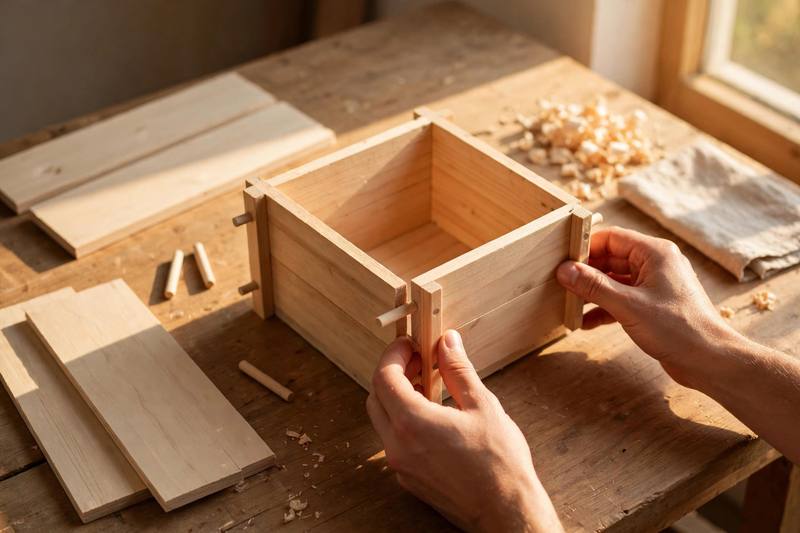
Speaking of jobs, let us talk about factories and production. Our next word is assemble. Assemble means to put together parts to create a whole. Workers assemble car engines on the production line. They assemble phones, chairs, bicycles, everything.
I visited a factory once, and I watched workers assemble furniture. One person would assemble the frame, the next would assemble the drawers, and at the end a beautiful table was ready. To assemble something well, you need patience and a steady hand.
And before any big project starts, a good manager does an assessment of risk. Assessment of risk means the process of identifying and evaluating potential hazards. A thorough assessment of risk is crucial before starting any project.
Yes, an assessment of risk can save lives. Imagine building a bridge without an assessment of risk. Imagine opening a new factory without an assessment of risk. You must ask: what could go wrong? How likely is it? How serious would it be? That is what an assessment of risk is all about.
I agree. And an assessment of risk is not only for engineers. Even a small business owner should do an assessment of risk before signing a big contract. It is simply smart planning.
Now, a completely different world of work. Auction. An auction is a public sale where goods are sold to the highest bidder. The rare painting was sold at auction for millions. Have you ever been to an auction, Lena?
I have! I went to an auction of old furniture once. It was so exciting. The auctioneer talked very fast, people raised their hands, and the price went up and up. In the end, a beautiful old chair was sold at auction for much more than anyone expected.
Auctions are wonderful for collectors. You can buy art at auction, you can buy cars at auction, you can even buy houses at auction. But you must be careful. At an auction, it is easy to get excited and pay too much.
That is true. So, let us put it all together. Actually, wait. Before we wrap up, let me tell you about my friend Sara, because her story brings all of these words to life.
Oh, I love a real story. Tell us about Sara.
Sara worked in an office for five years. She was good at her job, but she was unhappy. She had no affinity for spreadsheets and reports. Every morning she felt tired before the day even started. Her real affinity was for design. She loved colors, shapes, and beautiful rooms.
That is a common story. So what did she do?
First, she looked honestly at her situation. Her job had one good benefit: excellent health insurance. That benefit was hard to give up. And every December she received an annual bonus, which helped her pay her rent. So leaving was not easy.
I understand. A good benefit and a regular annual bonus can keep you in a job you do not love. What changed her mind?
She realized she was becoming anti-social at work. She avoided lunch with colleagues. She stopped talking in meetings. She was not really an anti-social person, but the wrong job made her act that way. She knew something had to change.
So she quit and became a designer?
Not at once. She was careful. She took an evening course in interior design. She started to assemble a portfolio, piece by piece. To assemble a strong portfolio, she worked on small projects for friends. She would assemble a room plan, choose furniture, and photograph the result.
Smart. She built her new career step by step.
Exactly. And she did a proper assessment of risk before quitting. Her assessment of risk was simple but honest. She saved six months of living costs. She asked herself what could go wrong, and she made a plan for each problem. That assessment of risk gave her the courage to leave.
And then?
Then something wonderful happened. She found an old chair at an auction. At the auction, she bought the chair for very little money, restored it, and sold it for a good price. That auction taught her that beautiful old things have value. Now she runs her own small design studio. She still buys pieces at auction, and her clients love them.
What a great story. Sara followed her affinity, she weighed the benefit of her old job, she did not let the annual bonus trap her, she stopped being anti-social, she learned to assemble a portfolio, she made an assessment of risk, and she even found treasure at an auction.
That is true. So, let us put it all together. A good career starts with affinity. Find what you naturally like. Then look at the benefit package, and do not forget the annual bonus, even if it is not guaranteed. Be honest if you are anti-social, and choose work that suits your nature.
And remember the practical words too. People assemble products in factories. Managers do an assessment of risk before big projects. And some of the most exciting sales in the world happen at auction, where the highest bidder wins.
Before we finish, one more quick message. The Muse English app is waiting for you, and it is completely free. Every day you get new words with photos and clear pronunciation, this podcast, shadowing stories you can practise with, fun quizzes, grammar lessons, and points on the leaderboard as you improve. So install the Muse English app now, and make English a habit you actually enjoy.
That is it for today. Think about your own affinity, your own benefit package, and the kind of work that makes you happy. Thanks for listening to Muse English, and we will see you tomorrow!
Goodbye, everyone, and good luck with your career!
🎙 تمرین شدوئینگ نمونهٔ رایگان
گوش کنید و همزمان با صدا بلند تکرار کنید. تمرین کامل شدوئینگ در اپ است: هر جمله را تکرار میکنید و میبینید اپ چند کلمه از آن را تشخیص داده است.
She had no affinity for spreadsheets and long reports.
Her real affinity was for design and beautiful rooms.
She knew her affinity would guide her to better work.
صحبت کردن را تمرین کنید
در اپ Muse English همهٔ جملهها را شدوئینگ کنید. اپ گوش میدهد و نشان میدهد چند کلمه از جملهتان را تشخیص داده است.
📝گرامر: The Unreal Past (It's time we left, I'd rather you didn't)
After certain expressions, we use a past tense to talk about the present or future. The past form shows that the situation is unreal, imagined, or simply wanted.
To talk about an unreal past, use the past perfect. This is the form you need when the imagined moment is already over.
It's (high / about) time + subject + past means we should act now, often with a hint of criticism. Would rather + subject + past expresses a preference about someone else's action.
With as if and as though + past, we describe an unreal comparison. In formal English,
این گرامر را در اپ کامل یاد بگیرید
توضیح کاملتر، مثالهای بیشتر و تمرین تعاملی.
راهنمای کامل و تمرینها: The Unreal Past (It's time we left, I'd rather you didn't) ←
هر روز ادامه بدهید
هر روز درس، پادکست و آزمون تازه؛ رایگان در اپ Muse English.