

📖 Muse English چیست؟
Muse English یک اپلیکیشن رایگان آموزش زبان انگلیسی است، با درس روزانه برای هر شش سطح، از A1 (مبتدی) تا C2 (تسلط کامل). هر روز لغتهای تازه با معنی فارسی، یک پادکست واقعی، تمرین شدوئینگ، گرامر و آزمون دارید. دربارهٔ اپ
📚 لغتها
۷ لغت تازه لغتهای تازه با معنی فارسی، مثال واقعی و تلفظ.


پادکست: طبیعت و محیط زیست
گفتوگوی امروز را گوش کنید.
📝 متن پادکست
Welcome to Muse English! I am Maya, and with me as always is my friend Lena.
Hi everyone, and welcome back. Today we have a topic that really made us stop and think, the connection between money, nature, and kindness.
Yes. Last weekend I watched a documentary about a small coastal town, and it stayed in my mind for days. The town has two very different sides. On one side, there are big beautiful houses, expensive cars, and a life of real affluence. On the other side, just a few streets away, some families live in absolute poverty, without enough food, clean water, or safe housing.
That contrast is hard to hear, but it is real in so many places. Affluence and absolute poverty often live side by side, and the natural world feels the effects of both.
Exactly. The documentary showed how the wealthy part of town uses a huge amount of energy. Every home has every modern appliance you can imagine, and many of those appliances run all day and all night. Meanwhile, the poorer families have almost nothing, yet they live closest to the polluted beach.
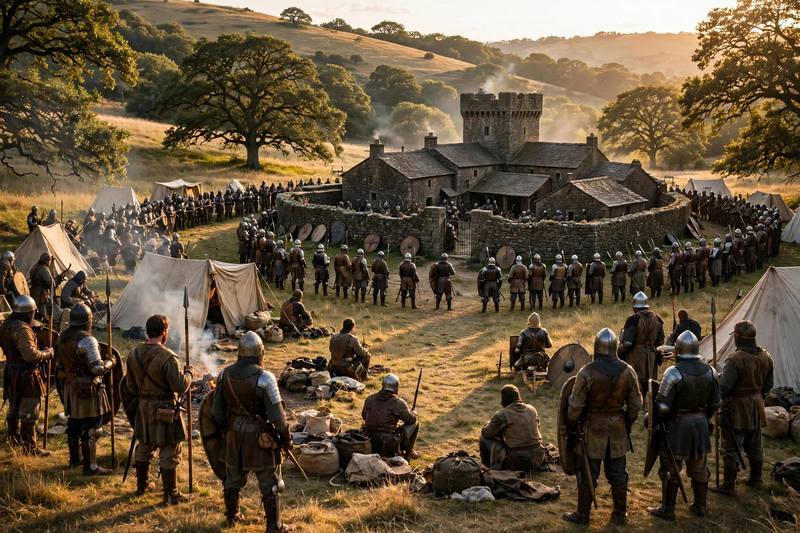
And that is where the story gets interesting, because the town itself seems besieged by problems. The sea is rising, plastic washes up on the shore every morning, and the fishing boats come back emptier than before. The whole town is besieged by waste, by rising water, and by choices made far away.
Before we go deeper into this story, let me tell you something useful. If you love learning English with us, you will love the Muse English app. It gives you new words every day with photos and clear pronunciation, plus this podcast, fun shadowing stories, quick quizzes, and grammar lessons. You can collect points, climb the leaderboard, and watch your English grow day by day. It is free, so go and install it today and keep learning with us.
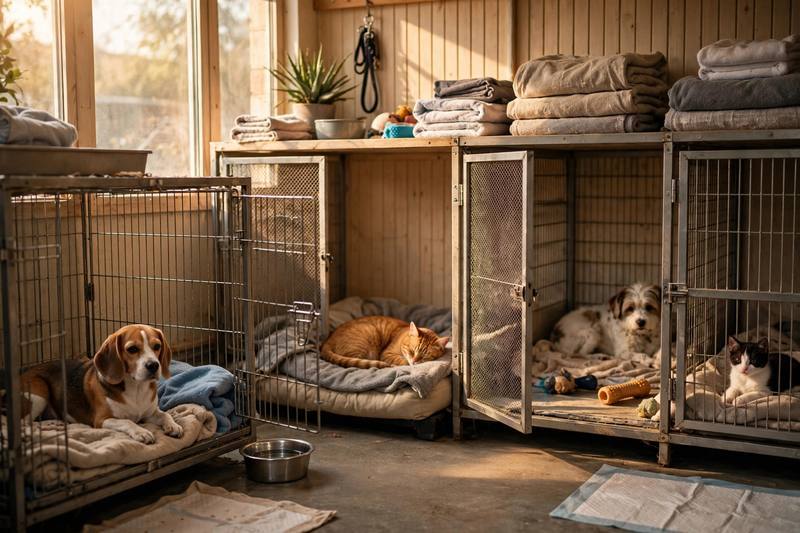
Great tip, Maya. Now, back to the town. The part of the documentary that moved me most was the visit to the local animal rescue shelter. The shelter is a small building near the harbor, and it cares for dogs, cats, and even injured seabirds that wash up on the beach.
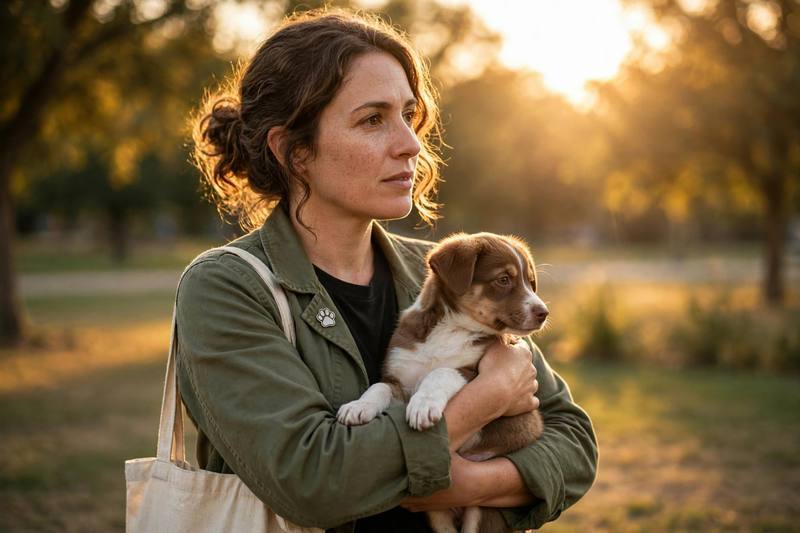
The people who work there are wonderful. One woman, an animal rights activist, told the camera that the shelter survives on donations. She said that every animal rescue shelter needs volunteers, food, and medicine, and that kindness costs far less than people think.
She also said something I will never forget. She said that an animal rights activist is not only someone who protests. It is anyone who chooses to act, even in a small way, like adopting a dog from an animal rescue shelter instead of buying one.
That is so true. And here is another connection to our theme. The shelter recently received a donation of a new energy efficient appliance for washing blankets and towels. One single appliance, a good washing machine, saves them hours of work every day and uses far less water than the old one.
It is amazing how one thoughtful gift can change things. But the documentary also had a darker part, about poaching in the nearby forest. At night, poachers wait in silence to ambush wild animals. They set traps and hide in the trees, hoping to ambush deer and rare birds for illegal sale.
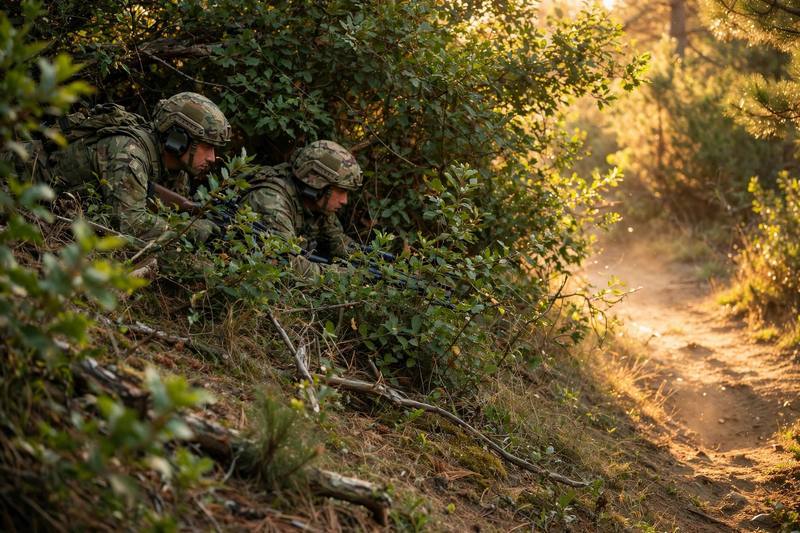
It was shocking to watch. The forest rangers said that an ambush like that can destroy years of conservation work in a single night. They patrol in pairs now, because a lone ranger could walk straight into an ambush in the dark.
And the animals are not the only ones under pressure. The rangers feel besieged too. They are besieged by criminal gangs, by low budgets, and by the feeling that the forest is too big to protect. When a place is besieged on every side, even brave people can feel tired.
That is a strong word, besieged, and it fits. A town can be besieged by floods, a forest can be besieged by poachers, and a community can feel besieged by problems that seem too big to solve.
Before we talk about solutions, here is a quick word from us. The Muse English app is the easiest way to keep your English moving forward. Every day you get fresh words with photos and pronunciation practice, this podcast to train your ears, shadowing stories to train your mouth, quizzes to test yourself, and clear grammar lessons. You earn points for every lesson and climb the leaderboard with learners all over the world. Download it free today and make English part of your daily routine.
Thank you, Lena. So, what can actually change a story like this? The documentary ended with hope, and I liked that. First, the town council started a program to replace old machines with energy efficient appliances in public buildings. Each new appliance uses less electricity, and the money saved goes to cleaning the beach.
That is a smart idea. When affluence is used wisely, it can help everyone. The wealthy families in the town began donating to the shelter, and one family even paid for solar panels on the roof of the animal rescue shelter. Now the shelter runs its washing appliance on sunshine.
I love that image. And the animal rights activist we met is now working with local schools. She visits classrooms and explains that an animal rights activist protects animals and people at the same time, because a healthy environment means healthy food, clean air, and safe water for families living in absolute poverty.
That link matters so much. Absolute poverty is not only about money. When the sea is polluted, the poorest fishermen lose their catch first. When the forest is damaged, the poorest families lose firewood, herbs, and clean streams. Fighting absolute poverty and protecting nature are really the same fight.
And the town is fighting back against poaching too. The rangers now use cameras and drones, so it is much harder for anyone to ambush animals without being seen. The last time poachers tried to ambush a herd of deer, the cameras caught them before dawn, and the police arrived in time.
That is good news. A forest that was once besieged by crime is slowly becoming safer. It will take years, but the town no longer feels besieged and helpless. People have a plan, and they work on it together.
And the most hopeful part, for me, was the school project. A teacher in the town asked her students to study how affluence changes a neighborhood. The children interviewed shop owners, fishermen, and nurses, and they discovered that affluence is not only about luxury. It is also about choice, about having the choice to buy food that does not harm the sea.
What a wonderful project. Did the students visit the shelter too?
They did. They spent a morning at the animal rescue shelter, cleaning cages and walking the dogs. One boy said he had never thought about where homeless animals go, and now he wants to volunteer every weekend. His teacher said that a single visit can turn a child into a future animal rights activist, because caring starts with seeing.
That is exactly how change begins. And I heard the students also collected old machines for recycling. Is that right?
Yes. They collected more than fifty old appliances from homes around the town. Every broken appliance was taken apart safely, and the metal and glass were recycled instead of ending up in the sea. The students learned that even one careless appliance, thrown into a river, can poison water for a whole village.
It is a powerful lesson. They also learned about the other side of life in the town, about families facing absolute poverty. One girl wrote in her school newspaper that absolute poverty means a child going to bed hungry while tourists eat in restaurants just down the road.
That sentence stayed with me. And the students did not stop at writing. They organized a food collection, and they raised money to buy warm blankets for the shelter. They refused to ambush the problem with anger or blame. Instead of trying to ambush anyone with criticism, they invited the wealthy families to join them, and many did.
So the town stopped feeling besieged, because people on both sides started working together. The rich and the poor, the young and the old, all pulling in the same direction.
Exactly. When a community stops feeling besieged and starts feeling responsible, everything changes. The beach gets cleaner, the shelter gets fuller shelves, and the forest gets quieter and safer.
So here is what I take from this story. Affluence does not have to mean waste. One energy efficient appliance, one donation, one volunteer at an animal rescue shelter, each small choice adds up. And when we refuse to ambush nature for quick profit, and when we stand with people living in absolute poverty, we build a fairer world.
Beautifully said, Maya. And remember, you do not need to be rich or famous to help. Visit an animal rescue shelter, support an animal rights activist in your city, choose one appliance that saves energy, and talk about these ideas in English with a friend. That is how language and kindness grow together.
One last thought from me. If this story inspired you, try retelling it in English to someone you know. Use the new words, say them out loud, and notice how much easier they feel the second time.
Thanks for listening today, everyone. Keep practicing, keep caring, and we will see you tomorrow on Muse English.
Goodbye, and take care of each other, and of this wonderful planet we share.
🎙 تمرین شدوئینگ نمونهٔ رایگان
گوش کنید و همزمان با صدا بلند تکرار کنید. تمرین کامل شدوئینگ در اپ است: هر جمله را تکرار میکنید و میبینید اپ چند کلمه از آن را تشخیص داده است.
Every morning, the small coastal town woke up to the sound of the sea.
On one side of town, families lived in great affluence, with big houses and beautiful gardens.
On the other side, some families lived in absolute poverty, without enough food or clean water.
صحبت کردن را تمرین کنید
در اپ Muse English همهٔ جملهها را شدوئینگ کنید. اپ گوش میدهد و نشان میدهد چند کلمه از جملهتان را تشخیص داده است.
📝گرامر: Modals of Deduction in the Past (must have, can't have)
When we guess about the past, we use modal + have + past participle. The modal shows how sure we are.
must have + past participle means we are almost sure something happened. The beach was covered in plastic, so the town must have ignored the problem for years.
might have, may have, and could have + past participle mean something was possible. The shelter might have received more donations than we know.
can't have and couldn't have + past participle mean we are almost sure something did NOT happen. A true animal rights activist can't have ignored an i
این گرامر را در اپ کامل یاد بگیرید
توضیح کاملتر، مثالهای بیشتر و تمرین تعاملی.
راهنمای کامل و تمرینها: Modals of Deduction in the Past (must have, can't have) ←
هر روز ادامه بدهید
هر روز درس، پادکست و آزمون تازه؛ رایگان در اپ Muse English.