
📖 Muse English چیست؟
Muse English یک اپلیکیشن رایگان آموزش زبان انگلیسی است، با درس روزانه برای هر شش سطح، از A1 (مبتدی) تا C2 (تسلط کامل). هر روز لغتهای تازه با معنی فارسی، یک پادکست واقعی، تمرین شدوئینگ، گرامر و آزمون دارید. دربارهٔ اپ
📚 لغتها
۱۰ لغت تازه لغتهای تازه با معنی فارسی، مثال واقعی و تلفظ.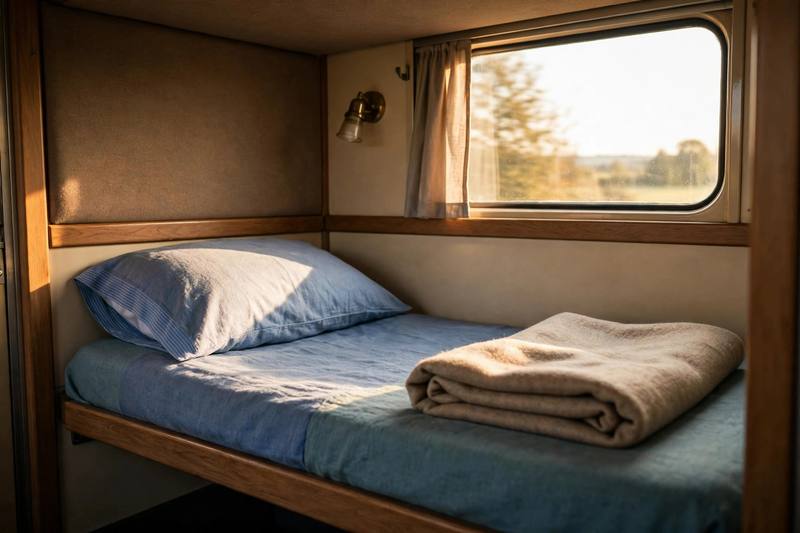







پادکست: روز مرور
گفتوگوی امروز را گوش کنید.
📝 متن پادکست
Welcome to Muse English! Hello, everyone, and welcome to our Saturday review episode.
Hello, Maya, and hello to all our listeners. Today is a review day, so we are not teaching any brand new words. Instead, we are looking back at the words from the last three days, and we are going to use them again in real conversation.
That is exactly right. Over the last three days we talked about technology, travel, and feelings, and some of those words were truly awe-inspiring. I still remember the first time I tried to envisage a trip where everything went perfectly, from the train to the hotel.
And I remember thinking about a comfortable berth on a night train. There is something wonderful about sleeping on a train while the world moves past your window. It feels like pure bliss.
It really does. And when you wake up in a new city, the whole day can feel blissful. You step outside, the air is fresh, and you start to envisage all the places you want to visit.
Before we go further, let me share something quick. If you are enjoying this review, you will love the Muse English app. Every day it gives you new words with photos and pronunciation, plus this podcast, shadowing stories, quizzes, grammar lessons, and a leaderboard where you can earn points. It is free to install, so open it today and keep your English growing.
Thank you, Lena. Now, let us travel back to our travel words. Do you remember the night train story?
I do. I booked a comfortable berth for an overnight journey once, and it changed how I feel about long trips. A good berth means you arrive rested, not tired and grumpy.
I was once averse to night trains. I thought I would never sleep. But then I tried one, and I was not averse to the gentle rocking of the carriage at all. In fact, I loved it.
That is funny, because I used to be averse to early mornings, but a night train fixed that too. You sleep, you wake up, and you are already there. To appease a nervous traveller, I always say, just try it once.
And what about the roads? On our travel day we talked about a driver who wanted to beep your horn. Please do not beep your horn in a quiet street, especially near a hospital or a school.
Yes, patience matters. A calm driver will not beep your horn in anger, and the streets stay peaceful for everyone. I once saw a sign that said, do not beep your horn here, and I thought, that is good advice for life too.
Speaking of travel, some people love a four by four for mountain roads, and others prefer a budget airline for a quick cheap flight. Both can be wonderful in their own way.
And some people book an all-inclusive holiday where meals and rooms are all paid for in advance. That can be relaxing, but I also love planning my own route, stop by stop.
Do you remember the breathalyser? Police use a breathalyser to check drivers, and that keeps the roads safer for all of us.
I do. And I also remember the word aversion. My friend has a strong aversion to crowded buses, so she always chooses the train. She is not averse to long journeys, just to crowds.
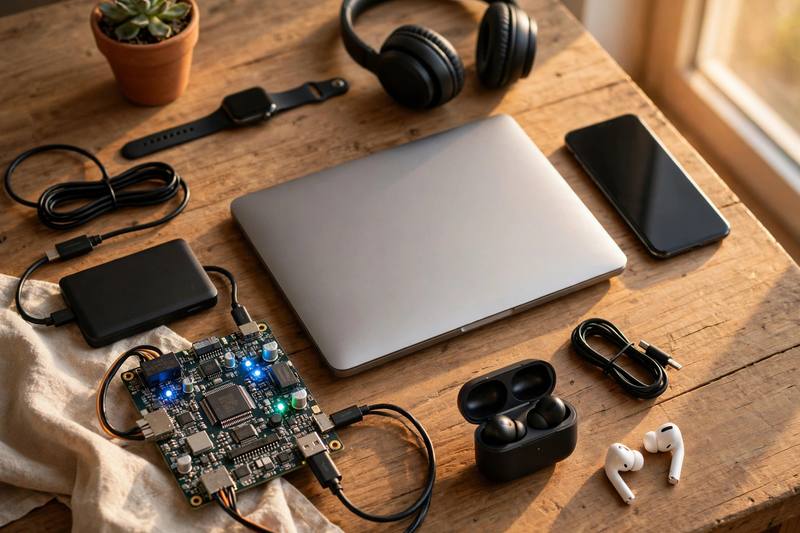
That makes sense. Now let us move to technology, because digital technology changed travel completely. Digital technology helps us book a berth, find a hotel, and share photos in seconds.
It really has. We envisage a future where technology enhances learning, and digital technology is already doing that. I use my e-reader on every trip now, and I can carry hundreds of books in my bag.
An e-reader is perfect for a long journey. And speaking of the future, some people worry about a doomsday scenario if we do not take care of our planet. But I prefer to envisage a hopeful future, not a frightening one.
Me too. We do not need drastic measures to make a difference. Small careful steps, repeated every day, can change our destiny for the better.
Destiny is a beautiful word. She believes it was her destiny to become an artist, and sometimes I feel it is my destiny to keep learning and teaching.
And science gives us hope too. Scientists are developing disease-resistant crops to improve yields, and disease-resistant plants can help farmers in dry places. That is digital technology and careful science working together.
Exactly. When I envisage a world with enough food for everyone, I see disease-resistant fields, kind farmers, and children learning happily. It is an awe-inspiring dream.
It is awe-inspiring, and it reminds me of the Grand Canyon, which is a truly awe-inspiring natural wonder. Nature can leave us speechless, just like a great idea can.
Let me pause here for a quick word about the app, because this is a good moment to remind you. The Muse English app gives you daily words with photos and pronunciation, this podcast, shadowing stories, quizzes, grammar lessons, and a leaderboard with points for your progress. It is free, it is friendly, and it is waiting for you. Install it today and make English part of your day.
Thank you, Maya. Now, our feelings words. This week we learned about bliss and blissful, and I love those words. Lying on the beach was pure bliss, and a blissful holiday can recharge your whole heart.
They spent a blissful honeymoon in the Maldives, and that sentence always makes me smile. A blissful day does not need to be expensive. It can be a walk, a song, or a quiet cup of tea.
And bliss itself is perfect happiness. When you feel bliss, everything is calm and bright. I felt bliss on the night train, watching the stars from my berth, thinking about the awe-inspiring mountains ahead.
I felt bliss too, on a slow morning with no rush. But feelings are not always easy. Sometimes we bite your nails when we are stressed, or we bite our nails before a big test. That little habit shows nervousness, and it is very human.
It is. And sometimes we need to appease someone who is upset. He tried to appease his angry boss with an apology, and a sincere apology can calm a difficult day. To appease a friend, I offer tea, time, and a good listen.
That is wise. An astute person notices what others need. An astute businessman quickly spots an opportunity, and an astute friend spots a sad face before anyone else does.
And being averse to something is not a weakness. He is not averse to taking risks, but he is averse to hurting people. Knowing what you are averse to helps you make honest choices.
Before our final review, let me tell you about the trip I want to plan next. I want to envisage a slow journey, not a rushed one, with a comfortable berth on a night train and a blissful morning in a small mountain town.
That sounds wonderful. I would not be averse to that at all. In fact, I would love it. We could pack light, leave early, and let digital technology handle the tickets while we enjoy the view.
Exactly. And if the train is delayed, we will not worry. We can appease our hunger with sandwiches, watch the fields go by, and talk about the awe-inspiring places we still want to see.
I can already feel the bliss of that morning. No noise, no rush, just a quiet station, fresh air, and a day that feels truly blissful from start to finish.
And we will be kind drivers and kind passengers too. We will not beep your horn in a quiet village, and we will smile at the people we meet along the way.
That is the spirit of a good review day. We take words like berth, bliss, and disease-resistant crops, and we turn them into plans, stories, and real memories. When words become part of your life, they stay with you.
They really do. And when you learn this way, slowly and with joy, English stops feeling like homework and starts feeling like a journey of its own.
So plan your own trip in English, even if it is only in your imagination. Describe your berth, your blissful morning, and the awe-inspiring view you want to see. That is how review becomes adventure.
Let us review our ten special words once more, slowly, so they stay with you. A berth is a sleeping place on a train. To beep your horn is to sound a car horn. To envisage is to imagine a future possibility.
Blissful means extremely happy, and averse means having a strong dislike for something. To appease is to calm someone by meeting their needs. Digital technology means electronic tools that process data.
Disease-resistant means able to fight off diseases. Bliss is perfect happiness. And awe-inspiring means causing great wonder and respect. If you can say all ten, you have done a wonderful review.
And do not forget the other words from this week. Think of destiny, a doomsday scenario, drastic measures, a four by four, a budget airline, an all-inclusive holiday, a breathalyser, an aversion, an e-reader, and the habit of biting your nails when you are nervous.
Every one of those words appeared in our lessons, and every one of them is yours now. Keep them alive by using them. Tell a friend about your berth on the train, or about the blissful morning you want to envisage.
Yes, use them, speak them, and enjoy them. A review day is not a rest day. It is the day your English becomes stronger, because you return to words you already met and you make them your own.
Thank you for joining us for this review episode of Muse English. Keep practising, keep listening, and we will see you tomorrow with fresh lessons. Goodbye, everyone.
Goodbye, and happy learning.
🎙 تمرین شدوئینگ نمونهٔ رایگان
گوش کنید و همزمان با صدا بلند تکرار کنید. تمرین کامل شدوئینگ در اپ است: هر جمله را تکرار میکنید و میبینید اپ چند کلمه از آن را تشخیص داده است.
Sara booked a comfortable berth on the night train, and she could envisage a blissful week in the mountains.
She was not averse to early mornings, and she wanted to appease her tired friends with good coffee and warm bread.
Digital technology helped her plan every detail, and she used it to envisage the whole route before she left home.
صحبت کردن را تمرین کنید
در اپ Muse English همهٔ جملهها را شدوئینگ کنید. اپ گوش میدهد و نشان میدهد چند کلمه از جملهتان را تشخیص داده است.
📝گرامر: Inverted Conditionals (Had I known, Should you need...)
In formal English, we can drop if and invert the subject and the auxiliary: If I had known becomes Had I known.
This works with only three words: should, were and had. Never use will, would, did or was in this structure.
Should you need help is a possible future, polite and formal. Were I you is an unreal present, and Were the government to raise taxes is an unlikely future.
Had I known is an unreal past. Use had plus a past participle, as in Had we left earlier.
For negatives, put not after the subject and never use a contraction: **Had I no
این گرامر را در اپ کامل یاد بگیرید
توضیح کاملتر، مثالهای بیشتر و تمرین تعاملی.
راهنمای کامل و تمرینها: Inverted Conditionals (Had I known, Should you need...) ←
هر روز ادامه بدهید
هر روز درس، پادکست و آزمون تازه؛ رایگان در اپ Muse English.