
📖 Muse English چیست؟
Muse English یک اپلیکیشن رایگان آموزش زبان انگلیسی است، با درس روزانه برای هر شش سطح، از A1 (مبتدی) تا C2 (تسلط کامل). هر روز لغتهای تازه با معنی فارسی، یک پادکست واقعی، تمرین شدوئینگ، گرامر و آزمون دارید. دربارهٔ اپ
📚 لغتها
۷ لغت تازه لغتهای تازه با معنی فارسی، مثال واقعی و تلفظ.



پادکست: پول و خرید
گفتوگوی امروز را گوش کنید.
📝 متن پادکست
Welcome to Muse English! I am Maya, and today we are going deep into money, debt, and the words advanced speakers use when they talk about both.
And I am Lena. This is a proficiency level episode, so we will move fast, we will be precise, and we will use today's seven expressions again and again until they feel natural.
Let us start with a story. Last month, my cousin opened his banking app and saw three payments he had never made. Someone had copied his card details online.
That sounds like credit card fraud. When criminals use another person's card information without permission, that is credit card fraud, and it can happen to anyone.
Exactly. The bank froze his card, and the officer told him credit card fraud is rising because so much shopping now happens online.
So what protected him in the end? Did the bank refund him after the credit card fraud was confirmed?
Yes, they did, but only after weeks of forms. He now checks every alert, because one early warning can stop credit card fraud before it grows.
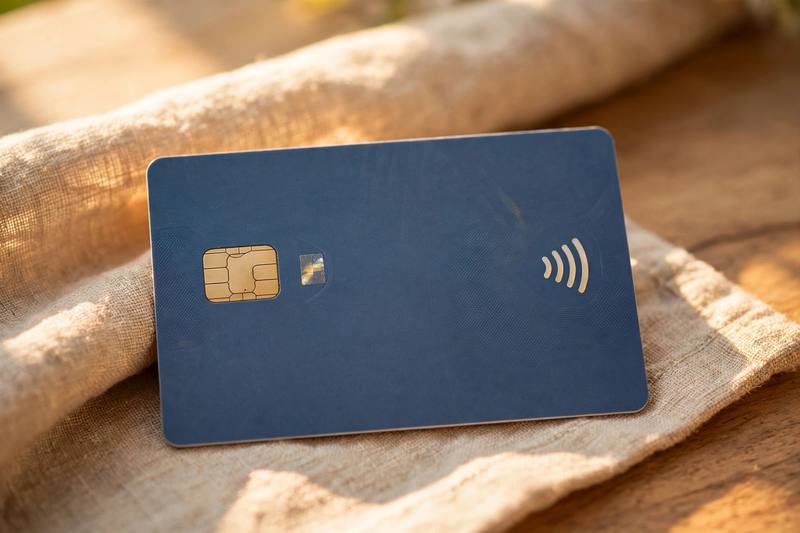
That is a good habit. I pay differently. In the supermarket, I usually use my debit card, because a debit card takes money directly from my own bank account.
I use a debit card too for groceries and fuel. With a debit card, you cannot spend money you do not have, which helps many people control their budget.
But a debit card has a different risk. If someone steals your debit card details, the money leaves your real account immediately.
True. My bank gives me instant notifications for every debit card payment, so I would notice a strange debit card charge within seconds.
Smart. So credit cards offer protection against credit card fraud, while a debit card offers discipline. Neither one is perfect, and advanced speakers should be able to explain both sides clearly.
Before we go further, let me tell you about the Muse English app, because it makes practice like this so much easier. Every day you get new words at your own level, with clear photos, Persian meanings, and studio pronunciation you can listen to again and again. You also get this podcast, shadowing stories, quizzes, and full grammar lessons, all free in one place. Download Muse English today and turn five quiet minutes into real progress.
I love that the app tracks your streak and your points. Now, from personal cards, let us move to something much bigger, the debt burden that whole countries carry.
A debt burden is the total weight of what a person or a country owes. When interest rises, a heavy debt burden can crush a government budget.
Economists warn that a growing debt burden leaves less money for hospitals and schools, because so much income goes to lenders first.
For a family, a debt burden might mean three loans at once. For a state, a debt burden can shape every decision for a generation.
And when that debt burden becomes impossible to repay, people start asking for debt relief, which means part or all of the debt is cancelled.
Debt relief is not charity in a simple sense. Supporters say debt relief lets a poor country invest in water, roads, and clinics instead of old loans.
Critics answer that debt relief must be careful, because if debt relief is promised too easily, lenders may stop lending in the future.
That tension is why debt relief is debated at every big economic summit. One side sees justice, the other side sees risk, and both sides use the same words.
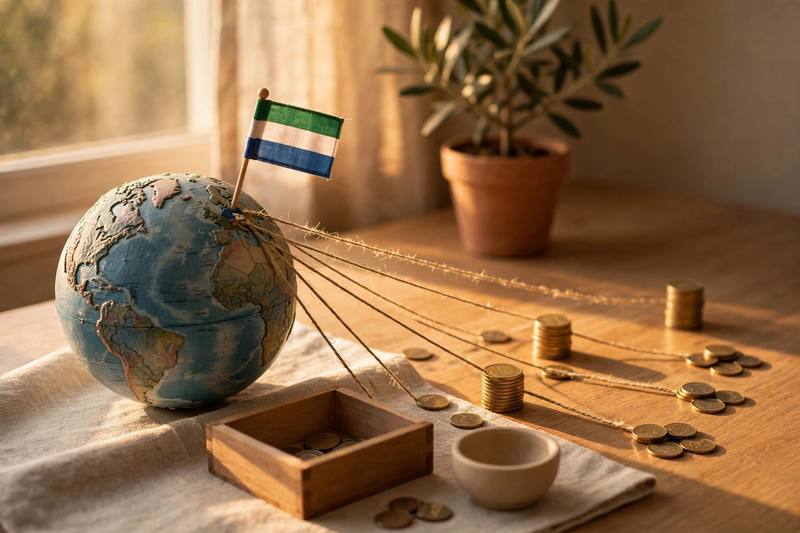
Which brings us to the debtor country itself. A debtor country is simply a country that owes money to other countries or to international lenders.
Last year, one debtor country asked for more time to repay, and its creditors agreed to extend the loans rather than force a crisis.
When a debtor country cannot pay, its currency often falls, imports become expensive, and ordinary shoppers feel the pain first.
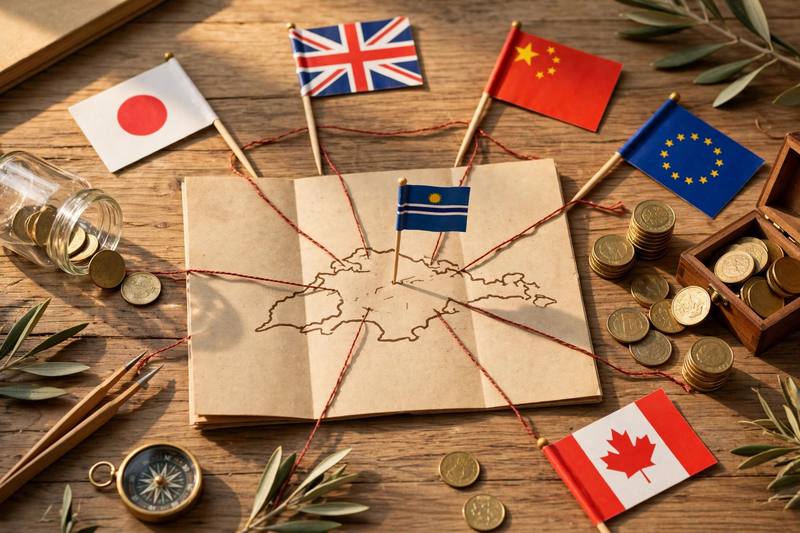
Analysts also use a very similar phrase, debtor nation. A debtor nation owes money to other nations, and the phrase debtor nation sounds slightly more formal and political.
In newspaper headlines, debtor nation appears often, because debtor nation is short, dramatic, and easy to understand.
A debtor nation is not always poor, by the way. A rich debtor nation may borrow heavily because lenders trust it completely.
That is an important nuance for C two learners. Debtor country and debtor nation mean almost the same thing, but debtor nation carries a stronger sense of national identity and pride.
Now the human cost. Deep poverty means an extreme lack of money and basic necessities, not just being short of cash at the end of the month.
People living in deep poverty may lack clean water, secure housing, and enough food, all at the same time.
Aid workers say deep poverty traps families, because children in deep poverty often leave school early to work.
And deep poverty is exactly why debt relief matters. If a government is freed from old payments, it can fight deep poverty at home.
Let us connect the ideas. Imagine a debtor country with a crushing debt burden, where deep poverty is rising in rural areas.
Its leaders request debt relief, arguing that debt relief would release money for food programmes, while its citizens worry about credit card fraud and whether their debit card will work at the market.
That single paragraph used almost all of today's language naturally. That is the goal at this level, not listing words, but reasoning with them.
A quick reminder from us, because your English deserves a daily system, not random effort. Inside the Muse English app, you can shadow native style sentences out loud, test yourself with smart quizzes, review your mistakes until they disappear, and climb the leaderboard with other learners. The grammar section explains tricky points step by step, in clear English, with practice after every lesson. Install Muse English free, open today's C two lesson, and study with us every single morning.
Welcome back. Let us test the contrasts. If I pay with a debit card, am I borrowing money?
No. With a debit card, the money is yours and it leaves your account at once. Borrowing is different, and borrowing is how a debt burden begins.
And if a stranger uses my card details to buy phones online, what do we call that crime?
That is credit card fraud, clearly. And banks investigate credit card fraud by tracing where and when the card was used.
Good. Now, can debt relief help a debtor nation, or is it only for companies?
Debt relief is often discussed for a debtor nation, especially when that debtor nation faces drought, war, or a collapsing currency.
And what happens to deep poverty when a debtor country spends most of its income on interest?
Deep poverty usually gets worse, because the debtor country cannot fund clinics or schools, and its debt burden keeps growing while services shrink.
Notice how naturally the phrases return. Credit card fraud is a crime against a person. A debit card is a tool for daily life. A debt burden is a weight. Debt relief is a release from that weight.
And a debtor country, or a debtor nation, is the borrower on the world stage, while deep poverty is the human reality behind the numbers.
For homework, describe your own country's economy in five sentences. Use debt burden once, debt relief once, and debtor nation once, even if you argue your country is not a debtor nation at all.
Then write two personal sentences. In one, explain how you protect yourself from credit card fraud. In the other, say why you prefer a debit card, or why you do not.
And finish with a sentence about deep poverty in the world today. Say what causes deep poverty, and what you think actually reduces deep poverty in the long term.
Let me add one more real world example, because these words appear together in serious journalism all the time. Imagine reading a report that begins like this. The finance minister admitted that the debt burden had doubled in ten years, and she confirmed that the government, speaking as a debtor nation, would ask international lenders for debt relief before the winter. In the same report, a shop owner in the capital said his customers now paid by debit card for almost everything, yet he still feared credit card fraud every time a card was declined and tried again.
That report works because every phrase does a different job. The debt burden explains the pressure. The debtor nation names the borrower. Debt relief names the solution being requested. The debit card brings the story down to everyday shopping, and credit card fraud reminds us that digital money creates digital crime. And behind the whole report, although the minister never said the phrase directly, is the fear that deep poverty will spread if the crisis is handled badly.
Precisely. At C two level, examiners and employers are listening for exactly this control. Can you move from a personal debit card payment in a supermarket to a national discussion about a debtor country and deep poverty, without losing precision or mixing up the phrases? If you can do that in speech and in writing, these words are truly yours, not just memorised definitions.
One last distinction before we close. People sometimes say a country is in deep poverty, but deep poverty is better used for people and communities. A country can be a debtor country with a heavy debt burden, while its poorest citizens are the ones living in deep poverty. Keeping the subject of each phrase correct is a small detail that makes your English sound genuinely advanced.
Beautifully put. Say the seven phrases one final time with us in your head. Credit card fraud. Debit card. Debt burden. Debt relief. Debtor country. Debtor nation. Deep poverty. Now use each one in a sentence of your own today.
That is all for today on Muse English. Keep these seven expressions active, use them this week, and we will see you tomorrow with a brand new lesson.
Goodbye for now, and remember, advanced English is not about rare words for their own sake. It is about saying difficult things clearly.
🎙 تمرین شدوئینگ نمونهٔ رایگان
گوش کنید و همزمان با صدا بلند تکرار کنید. تمرین کامل شدوئینگ در اپ است: هر جمله را تکرار میکنید و میبینید اپ چند کلمه از آن را تشخیص داده است.
The bank warned customers that credit card fraud was rising online.
She reported the credit card fraud as soon as she saw the strange payment.
Police said credit card fraud often begins with a single copied card number.
صحبت کردن را تمرین کنید
در اپ Muse English همهٔ جملهها را شدوئینگ کنید. اپ گوش میدهد و نشان میدهد چند کلمه از جملهتان را تشخیص داده است.
📝گرامر: Ellipsis and Substitution
Natural English avoids repeating words. We either replace them with a short word, which is substitution, or leave them out, which is ellipsis.
Use one for a singular countable noun and ones for a plural noun. A shopper who fears credit card fraud might say: this debit card is blocked, can I use the other one?
Use do / does / did to replace a verb phrase. She checks her account more carefully than I do.
In formal English, do so replaces an action. A debtor country that wishes to request debt relief should do so in writing.
Use so for a positiv
این گرامر را در اپ کامل یاد بگیرید
توضیح کاملتر، مثالهای بیشتر و تمرین تعاملی.
هر روز ادامه بدهید
هر روز درس، پادکست و آزمون تازه؛ رایگان در اپ Muse English.