

📖 Muse English چیست؟
Muse English یک اپلیکیشن رایگان آموزش زبان انگلیسی است، با درس روزانه برای هر شش سطح، از A1 (مبتدی) تا C2 (تسلط کامل). هر روز لغتهای تازه با معنی فارسی، یک پادکست واقعی، تمرین شدوئینگ، گرامر و آزمون دارید. دربارهٔ اپ
📚 لغتها
۱۰ لغت تازه لغتهای تازه با معنی فارسی، مثال واقعی و تلفظ.




پادکست: روز مرور
گفتوگوی امروز را گوش کنید.
📝 متن پادکست
Welcome to Muse English! I'm Maya, and this is my co-host Lena.
Hello everyone. Today is review day, so there are no new words. Instead, we are going back over the words from the last three days, and we are going to use them all in one big conversation.
On Thursday we talked about feelings and character. On Friday we went out into nature. And on Saturday we talked about technology and the future. Today we bring those three worlds together.
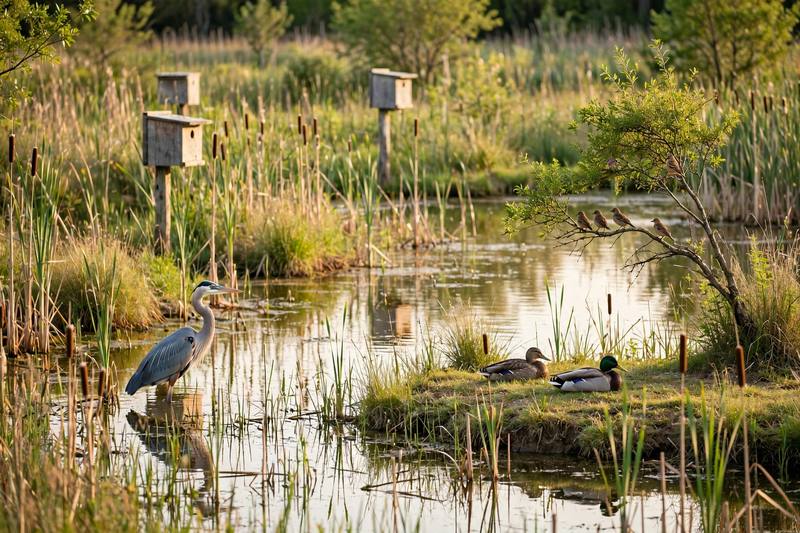
Let's start on Friday, out in nature. Imagine a bird sanctuary, a protected place where birds can live safely. I love that image, quiet water, tall grass, and birds everywhere.
A bird sanctuary protects more than birds. It protects biodiversity, the variety of life in one habitat. When the birds are safe, the insects they eat are safe, the plants they pollinate are safe, and the whole web of life stays strong.
And speaking of nature as energy, remember biomass? Biomass is organic matter used as fuel. Burning biomass can be a renewable energy source, but people still argue about how clean it really is.
They do. And before we go on, a quick word about the Muse English app.
If you are enjoying this review, you will love the app. It gives you fresh words every day with photos and pronunciation, plus this podcast, shadowing stories, quizzes, grammar lessons, and a leaderboard where you earn points. It is free to install, and it keeps everything in one place. Search for Muse English and start learning today.
Now, if you visit a bird sanctuary, you want the right weather. A blowy day is windy and strong, great for flying kites, but not great for watching birds. A breezy day is pleasantly windy, light and fresh, perfect for a walk.
A breezy afternoon at a bird sanctuary sounds perfect. And while we are there, no blood sport, please. A blood sport is a sport that injures or kills animals, and I would much rather watch birds than hurt them.
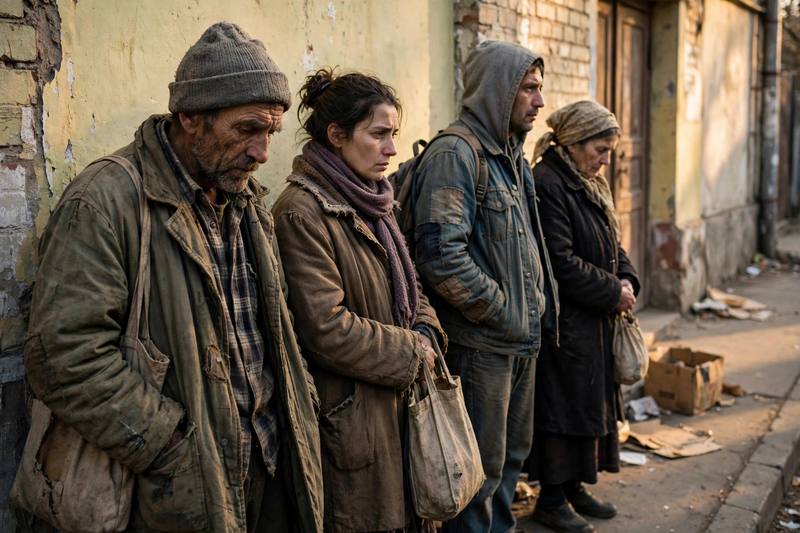
Me too. But Friday also had a serious word, breadline. The breadline is the state of being extremely poor. Many families are living on the breadline, and that reminds us that nature and money are connected.
They really are. When a family is living on the breadline, they cannot always choose the greenest option. They choose what they can afford. So if we want to protect nature, we also have to care about people.
Well said. Let's go back to Thursday now, the day of feelings and character. One word I keep thinking about is conscience, that inner feeling that guides us toward right or wrong.
Your conscience is like a quiet voice. When you lie, your conscience bothers you. When you do the right thing, your conscience feels calm.
And when tension rises, a calm person can defuse it. To defuse a situation is to make it calmer. He tried to defuse the tension with a joke, and it worked.
A joke can defuse a room faster than a lecture. But a conceited person makes that harder. A conceited person is excessively proud, arrogant, and difficult to work with.
True. And when someone is conceited, it is hard to conciliate them. To conciliate means to stop someone from being angry, to make peace. He tried to conciliate the angry customers with a refund.
Making peace takes patience. And what about covet? To covet is to desire something that belongs to another person. She coveted her neighbor's beautiful new car.
We all covet something sometimes. I crave a hot cup of tea after a long day. To crave is to have a very strong desire for something. What do you crave, Lena?
I crave quiet mornings and good books. And I crave a hot cup of tea, too, just like you. But craving is natural. The trouble starts when we covet what others have instead of enjoying what we have.
Beautifully said. And here is a small funny one from Thursday: cross your legs. To cross your legs is to place one leg over the other while sitting. She sat elegantly, crossing her legs during the interview.
I love that image. Now, can I ask you something about conscience? Last week at work, a colleague took credit for my idea. My conscience told me to speak up, but I was afraid of starting a fight.
That is exactly when your conscience matters most. You do not need a fight. You can defuse the tension by speaking calmly and stating the facts. A quiet, honest sentence can defuse a whole meeting.
You are right. And I did speak up, in the end. I said, calmly, that the idea was mine, and my colleague apologised. My conscience felt clear after that, and the team moved on.
Good for you. That is conscience in action, not just a word in a book.
And here is a little reminder. The Muse English app is where all of this lives. Your daily words with photos and clear pronunciation, the podcast you are listening to right now, shadowing stories to practice speaking, quizzes to test yourself, grammar lessons, and points on the leaderboard to keep you motivated. It is completely free. Download Muse English today and make English part of every day.
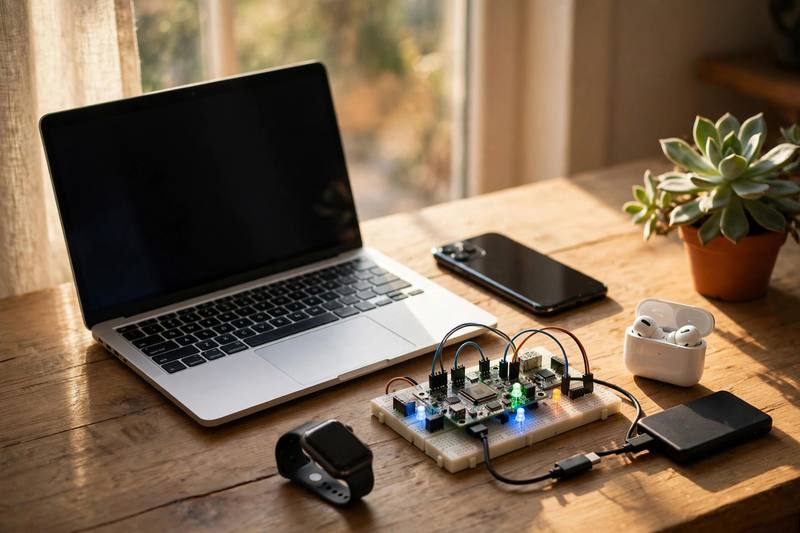
Now Saturday, technology day. Let's talk about digital technology, the electronic tools and systems that process data. Digital technology has transformed how we communicate globally.
It really has. I do most of my reading on an e-reader now. An e-reader is an electronic device for reading digital books, and mine holds hundreds of books.
Mine too. And my old desktop is still on my desk. A desktop is a computer designed for use on a desk, and mine has a very powerful processor.
Technology also touches farming. Scientists are developing disease-resistant crops, crops able to withstand diseases, to improve yields. That is digital technology meeting nature.
And technology meets destiny, too. Destiny means the events that will happen to a person or thing. She believes it was her destiny to become an artist. Do you believe in destiny, Maya?
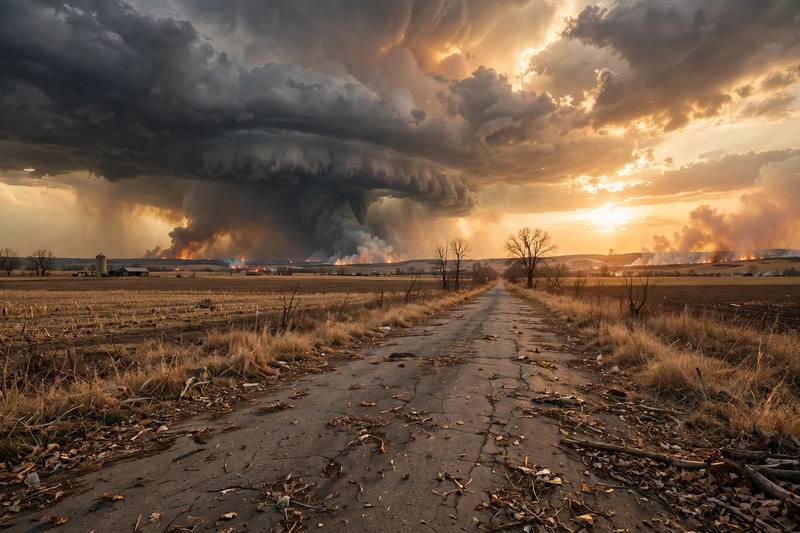
I believe we shape our own destiny, one choice at a time. But some people warn about a doomsday scenario, a prediction of a catastrophic future event. Experts warned of a doomsday scenario if climate change continues.
A doomsday scenario sounds frightening, and it is. But the answer is not fear, it is action. Drastic measures are extreme and severe actions taken to solve a problem. Drastic measures are needed to combat climate change.
Exactly. And drastic measures do not have to mean panic. They can mean smart, bold choices. If we take drastic measures now, we may avoid the doomsday scenario altogether.
I like that. Our conscience tells us to act. My conscience bothers me when I ignore a problem I could help solve.
Mine too. Your conscience is a good guide. When my conscience speaks, I listen, and then I try to defuse my own worries with a plan, one small step at a time.
Let's put it all together now, in one story. Imagine a scientist who works at a bird sanctuary. She uses digital technology to track the birds, and the data suggest the birds are in danger.
Her conscience tells her she must act. She knows that drastic measures are needed, but she also knows she must defuse the argument between the farmers and the conservationists.
She tries to conciliate both sides. She is not conceited, she listens. And she reminds everyone that many families are living on the breadline, so the solution must help people, not just birds.
The farmers crave a solution that protects their crops. The scientists are growing disease-resistant crops, and the biomass from the fields could become clean energy.
It is not a doomsday scenario if people work together. It is destiny shaped by choices. She believes it was her destiny to bring people together, and maybe it was.
And the farmers? They stop coveting the neighbour's land and start sharing what they have. They crave a fair deal, and this time they get one, because everyone is finally listening.
Even the conceited manager from the city learns something. He stops boasting, he listens to the scientist, and he helps to conciliate the last angry voices in the room.
And on a breezy afternoon, when the wind is soft and the birds are singing, she sits on a bench, crosses her legs, and reads on her e-reader, happy with the day's work.
That is a lovely ending. Now let's test ourselves. Quick recap. What does it mean to defuse a situation?
To make it calmer. What is a bird sanctuary?
A protected area where birds live safely. What is biomass?
Organic matter used as fuel. What does it mean to crave something?
To have a very strong desire for it. And what are drastic measures?
Extreme and severe actions to solve a problem. What is the breadline?
The state of being extremely poor. What does digital technology mean?
Electronic tools and systems that process data. What is destiny?
The events that will happen to a person or thing. And what is a doomsday scenario?
A prediction of a catastrophic future event. You did it. Ten words, reviewed and alive.
And the other eleven are alive too. Go back through the last three days in the app, listen again, and say each word out loud.
Thanks for joining us on review day. Keep practicing, keep listening, and we will see you tomorrow with brand new words. Bye for now.
Bye everyone.
🎙 تمرین شدوئینگ نمونهٔ رایگان
گوش کنید و همزمان با صدا بلند تکرار کنید. تمرین کامل شدوئینگ در اپ است: هر جمله را تکرار میکنید و میبینید اپ چند کلمه از آن را تشخیص داده است.
The Scientist and the Sanctuary
On a breezy morning, Amara walked to the bird sanctuary with her notebook in her hand.
The bird sanctuary was quiet, and the birds sang in the tall grass near the water.
صحبت کردن را تمرین کنید
در اپ Muse English همهٔ جملهها را شدوئینگ کنید. اپ گوش میدهد و نشان میدهد چند کلمه از جملهتان را تشخیص داده است.
📝گرامر: Hedging and Distancing (it would appear that...)
Hedging means making a statement less direct or less certain, so you do not claim more than you can prove. Say *The data suggest that social media may contribute to anxiety*, not *Social media causes anxiety*.
Distancing means showing that a claim comes from someone else, not from you. *The CEO has allegedly resigned* keeps you at a safe distance from the claim.
Use seem / appear (+ to) and it would seem / appear that to soften a claim. *There seems to be a problem* is gentler than *There is a problem*.
Modals soften a claim too: may / might / could,
این گرامر را در اپ کامل یاد بگیرید
توضیح کاملتر، مثالهای بیشتر و تمرین تعاملی.
راهنمای کامل و تمرینها: Hedging and Distancing (it would appear that...) ←
هر روز ادامه بدهید
هر روز درس، پادکست و آزمون تازه؛ رایگان در اپ Muse English.