
📖 Muse English چیست؟
Muse English یک اپلیکیشن رایگان آموزش زبان انگلیسی است، با درس روزانه برای هر شش سطح، از A1 (مبتدی) تا C2 (تسلط کامل). هر روز لغتهای تازه با معنی فارسی، یک پادکست واقعی، تمرین شدوئینگ، گرامر و آزمون دارید. دربارهٔ اپ
📚 لغتها
۷ لغت تازه لغتهای تازه با معنی فارسی، مثال واقعی و تلفظ.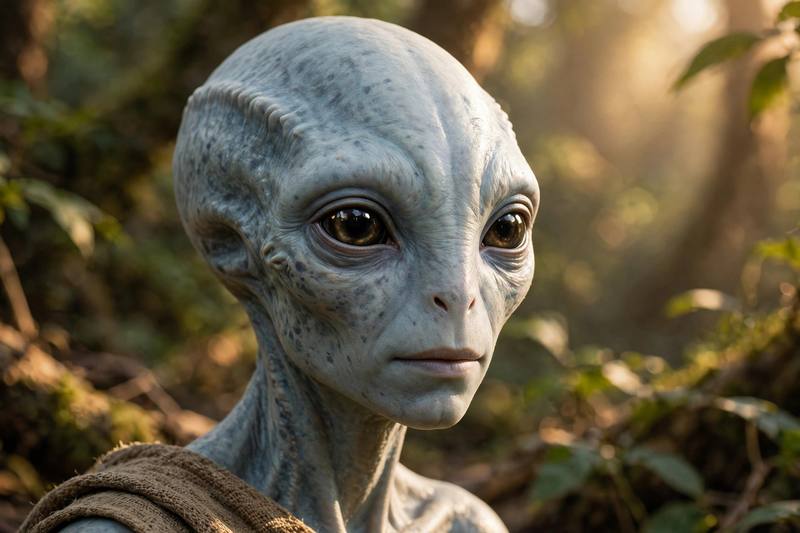


پادکست: فناوری
گفتوگوی امروز را گوش کنید.
📝 متن پادکست
Welcome to Muse English! I am Maya, and with me as always is my friend Lena.
Hi everyone! Today we are talking about technology, the kind of technology that changes the way we live, the way we relax, and even the way we think about the future.
That is right. And we have seven powerful words for you today. Our first word takes us far away from Earth, out into space. Scientists search for signs of an extraterrestrial being. An extraterrestrial being is a hypothetical intelligent life form from another planet. In other words, a living creature that might exist somewhere else in the universe, far beyond our own world.
That is a big idea. Do scientists really believe an extraterrestrial being could exist?
Many of them do. They look at the stars, and they ask a simple question. If life began here on Earth, could it also begin somewhere else? Every year, telescopes listen for signals, and researchers study distant planets, hoping to find the first trace of an extraterrestrial being.
Imagine the day we finally meet an extraterrestrial being. What would we say first? What would we ask?
That is the question every science fiction writer loves. Would an extraterrestrial being look like us? Would it come in peace? We cannot know yet, but the search itself teaches us so much about our own planet.
Exactly. And speaking of learning, here is our second word, foresee. To foresee means to know or predict something before it happens. Nobody can foresee everything, but good scientists try to foresee what comes next.
Can you give me an example?
Of course. A doctor might foresee a problem before it becomes serious. A teacher might foresee that a student needs extra help. And when we think about an extraterrestrial being, we try to foresee how humanity would react to such a discovery.
That makes sense. We could not foresee the sudden change in weather last week, and it caught us all by surprise. That is why the word foresee is so useful. It is about looking ahead.
Yes. We cannot foresee every storm, but we can prepare. Engineers foresee problems in a new machine. Parents foresee that their children will need new shoes soon. And writers of science fiction love to foresee the future, including the day we meet an extraterrestrial being.
Before we go further, let me tell you about something that can help you every single day.
If you are enjoying this episode, let me tell you about the Muse English app. It is completely free, and it gives you new words every day, each one with a photo and a clear pronunciation, plus this podcast, fun shadowing stories, quick quizzes, grammar lessons, and a leaderboard where you can collect points. Download Muse English today, and turn the minutes you spend on your phone into real progress in English.
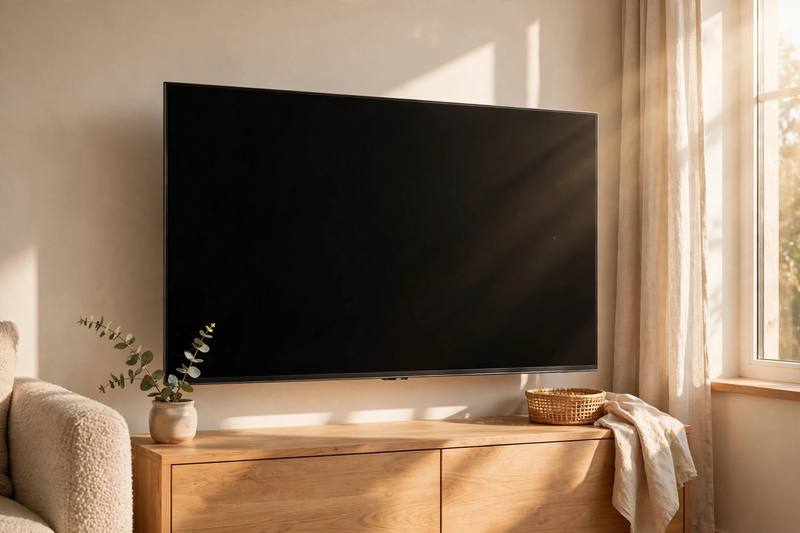
Thanks, Lena. Now, back to technology, and this time we come back down to Earth, right into your living room. Our next word is flat-screen TV. A flat-screen TV is a television with a thin, flat display screen. It hangs on the wall, or it stands on a small table, and it shows pictures in bright, clear colour.
Everyone has one now. When I was a child, televisions were huge boxes. Now a flat-screen TV is so thin you can almost forget it is there.
That is true. We bought a new flat-screen TV for the living room last year, and the difference was amazing. Films looked sharper, and football matches felt like we were sitting in the stadium.
A flat-screen TV is more than a box for watching news. Families gather around a flat-screen TV in the evening. Friends come over to watch a film on a big flat-screen TV.
And did you know that engineers had to foresee the problems of a flat-screen TV before they built it? They had to foresee how to make the screen thin and bright at the same time.
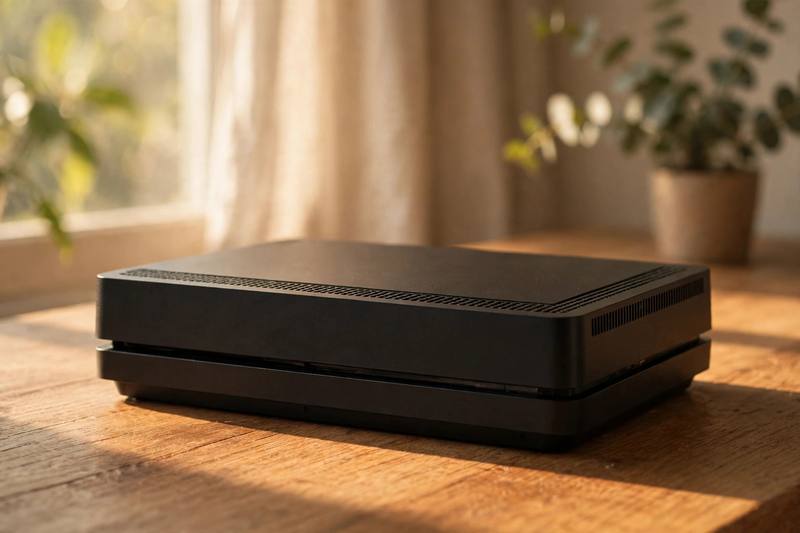
Now, our next word is for everyone who loves to play. A games console is an electronic device for playing video games. You connect it to your flat-screen TV, you pick up a controller, and you enter another world.
My brother got a new games console for his birthday, and he has barely left his room since. He plays racing games, adventure games, and football games, all on his games console.
A games console is not only for children. Adults play on a games console after a long day at work. Families play together on a games console in the living room. And some people even use a games console to exercise, dancing or playing sports games in front of their flat-screen TV.
That is true. A modern games console is a powerful computer. The companies that build a games console must foresee what players will want next year, not only this year.
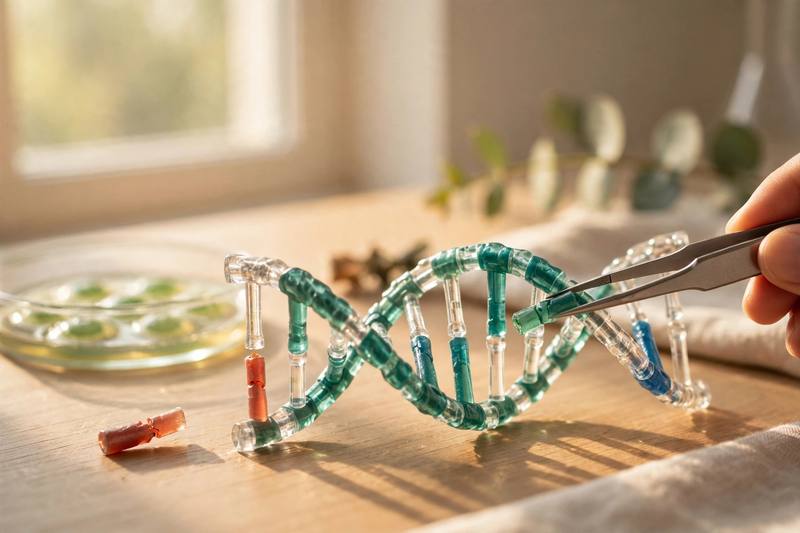
It has. And now we move from play to something much more serious, medicine. Our next word is gene therapy. Gene therapy is treating disease by replacing faulty genes. A gene is a tiny instruction inside our cells, and when that instruction is wrong, a person can become ill. Gene therapy tries to fix the instruction itself.
That sounds like science fiction, but it is real.
It is real, and it is already helping people. Gene therapy offers hope for many genetic conditions, illnesses that run in families and that doctors could not cure before. For a child born with a rare disease, gene therapy can be life-changing.
How does it work?
Doctors place a healthy copy of a gene into the patient's cells, replacing the faulty one. It is delicate work, and scientists must foresee every risk before they try gene therapy on a patient.
So gene therapy is not only about technology. It is about hope. A family hears the words gene therapy, and suddenly there is a future that did not exist before.
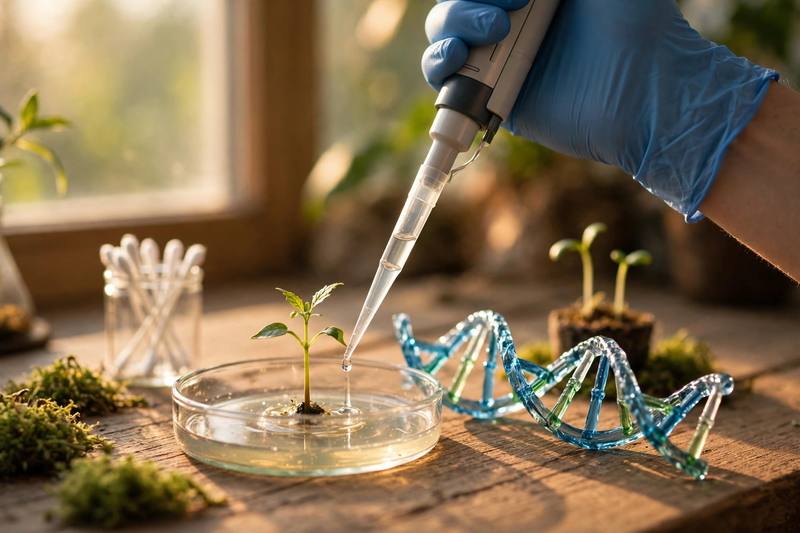
Exactly. And gene therapy connects to our next word, which is a close cousin. Genetic modification means altering an organism's genetic material for specific traits. In simple words, scientists change the instructions inside a plant or an animal to give it a quality they want.
Can you give me an example?
Of course. Scientists use genetic modification to make a plant resist disease, or to grow in dry soil. Genetic modification raises ethical concerns for some people, because it changes nature in a deep way. Others say genetic modification is a tool, like any tool, and it depends on how we use it.
I see. So genetic modification is the process, the act of changing the genes. And it raises big questions. Who decides? What is safe? What is fair?
Those are the right questions. A farmer might welcome genetic modification if it saves a crop. A doctor might use genetic modification in research for new medicines. But every time we use genetic modification, we must think carefully, because we cannot always foresee the long-term results.
That is a powerful idea. We can foresee the short-term benefit, but the long-term effect is harder to foresee.
Quick pause here, because I want to remind you about the Muse English app. Every day it brings you fresh words with photos and pronunciation audio, this podcast, shadowing stories to speak along with, quizzes, grammar lessons, and points and a leaderboard to keep you motivated. It is free and fun, and it is waiting for you. Install Muse English, and make English part of your day.
Thanks, Maya. Now, our final word today is genetically modified food. Genetically modified food is food from organisms with altered genetic material. In other words, it is the food that comes from genetic modification. A tomato, a grain of corn, or a soybean can be genetically modified food.
Many consumers are wary of genetically modified food. They read the label in the supermarket, and they ask questions. Is this genetically modified food safe? Is it natural? Should I buy it for my children?
Those are fair questions. Supporters say genetically modified food can feed more people, because the crops grow better and resist pests. Critics say we should be careful, because we cannot foresee every effect of genetically modified food on our health or on the environment.
And that is the heart of the debate. Genetic modification gives us the tool, and genetically modified food is what arrives on our plates. Some countries label genetically modified food clearly, so shoppers can choose. Others do not. The argument is not only about science. It is about trust, choice, and the future of farming.
I like how all our words connect today. We started with an extraterrestrial being, far away in space, and we ended with genetically modified food, right here on our dinner table. And the word foresee ties them together, because in every case, we try to foresee what comes next.
That is a beautiful summary. Let us review our seven words together. An extraterrestrial being is a hypothetical intelligent life form from another planet. To foresee means to know or predict something before it happens. A flat-screen TV is a television with a thin, flat display screen. A games console is an electronic device for playing video games. Gene therapy is treating disease by replacing faulty genes. Genetic modification means altering an organism's genetic material for specific traits. And genetically modified food is food from organisms with altered genetic material.
Wonderful. Seven words, one big theme, technology that changes our lives. Try to use them this week. Talk about a games console with a friend. Ask someone what they think about genetically modified food. Or wonder aloud whether we will ever meet an extraterrestrial being.
And remember, you can foresee your own progress. A little English every day becomes a lot of English by the end of the year. Keep listening, keep practising, and keep learning with us.
Thank you for listening to Muse English. We will be back tomorrow with seven new words. Until then, take care, and keep learning.
Goodbye, everyone. See you tomorrow!
🎙 تمرین شدوئینگ نمونهٔ رایگان
گوش کنید و همزمان با صدا بلند تکرار کنید. تمرین کامل شدوئینگ در اپ است: هر جمله را تکرار میکنید و میبینید اپ چند کلمه از آن را تشخیص داده است.
Sara worked in a quiet laboratory where scientists searched the sky for an extraterrestrial being.
Every night she watched the stars and asked if an extraterrestrial being might be watching back.
Her son Tom loved his games console, and he played on it after school every day.
صحبت کردن را تمرین کنید
در اپ Muse English همهٔ جملهها را شدوئینگ کنید. اپ گوش میدهد و نشان میدهد چند کلمه از جملهتان را تشخیص داده است.
📝گرامر: Concession: Albeit, Much As, Notwithstanding
Concession means accepting one fact while saying something that contrasts with it. At B1 you learned although, despite and in spite of.
At C1, you can use more precise and formal forms. Albeit adds a short phrase, much as starts a clause, and notwithstanding comes with a noun.
Albeit is followed by an adjective, an adverb or a phrase, never a full clause. We say a good, albeit short, holiday, not albeit it was short.
Much as means although very much, and it starts a clause. Much as I like him, I do not trust him.
Notwithstanding is formal
این گرامر را در اپ کامل یاد بگیرید
توضیح کاملتر، مثالهای بیشتر و تمرین تعاملی.
راهنمای کامل و تمرینها: Concession: Albeit, Much As, Notwithstanding ←
هر روز ادامه بدهید
هر روز درس، پادکست و آزمون تازه؛ رایگان در اپ Muse English.