

📖 Muse English چیست؟
Muse English یک اپلیکیشن رایگان آموزش زبان انگلیسی است، با درس روزانه برای هر شش سطح، از A1 (مبتدی) تا C2 (تسلط کامل). هر روز لغتهای تازه با معنی فارسی، یک پادکست واقعی، تمرین شدوئینگ، گرامر و آزمون دارید. دربارهٔ اپ
📚 لغتها
۷ لغت تازه لغتهای تازه با معنی فارسی، مثال واقعی و تلفظ.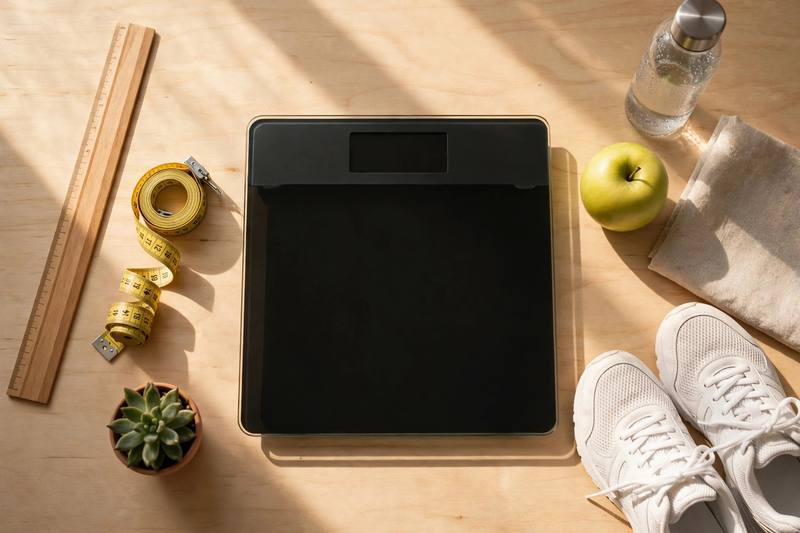




پادکست: ورزش و تناسب اندام
گفتوگوی امروز را گوش کنید.
📝 متن پادکست
Welcome to Muse English! Hello everyone, and welcome back to another episode. I am Maya, and as always, I am here with my wonderful co-host Lena.
Hi everyone! Great to be here again, Maya. And today we have a really useful topic, especially for anyone who wants to talk about health and fitness in English like a native speaker.
Exactly. Today we are talking about the body, exercise, and the small daily choices that keep us strong. We will look at seven powerful words, and by the end of this episode you will be able to use every one of them confidently.
Let us start with a morning routine, because that is where health really begins. Maya, are you a morning person?
I try to be! Every morning I go for a brisk walk before breakfast. Not a slow walk, a brisk walk, fast and full of energy. A brisk pace wakes me up better than coffee, honestly.
A brisk walk is such a good habit. And do you know what else it does? It helps you burn calories before you even sit down to eat. When you burn calories early in the day, you feel lighter and sharper all morning.
That is so true. People often think they need a gym to burn calories, but a brisk walk around the block is enough to burn calories and clear your head. Thirty minutes of brisk movement can burn calories, lift your mood, and set up the whole day.
Before we go deeper, a quick word about something that makes all of this possible.
Yes! If you love learning English this way, you should try the Muse English app. It is completely free, and every day it gives you new words with photos and pronunciation, plus this podcast, shadowing stories, fun quizzes, grammar lessons, and a leaderboard where you can collect points. Download it today and keep your English growing, one day at a time.
And here is something important: regular brisk exercise is wonderful for your cardiovascular health. Cardiovascular means relating to the heart and blood vessels, and anything that gets your heart pumping supports your cardiovascular system.
Right. Doctors always say that cardiovascular exercise, like walking fast, cycling, or swimming, protects your cardiovascular health over the long term. Your heart is a muscle, and cardiovascular training keeps it strong.
Before we go deeper, a quick word about something that makes all of this possible.
Now, back to our topic. Maya, what about food? Because exercise is only half the story.
Absolutely. Let us talk about cholesterol-rich foods. A cholesterol-rich diet, full of fried food and fatty meat, can raise your cholesterol, and that is bad news for your cardiovascular health. If you eat cholesterol-rich meals every day, fatty deposits can slowly clog your arteries.
Clog is such a vivid word. Just like leaves can clog a drain, fatty food can clog your blood vessels. When arteries clog, blood cannot flow freely, and that puts real strain on the heart.
Exactly. And that is why doctors check your BMI as well. BMI stands for Body Mass Index, a measure of body fat. Your BMI gives doctors a quick picture of whether your weight is in a healthy range.
But BMI is not the whole story, is it?
No, it is not. BMI is a useful guide, but athletes with a lot of muscle can have a high BMI and still be very fit. So doctors look at BMI together with your cardiovascular fitness, your diet, and your daily activity.
That makes sense. And speaking of diet, what about diabetes? Regular exercise helps manage diabetes effectively, because movement helps the body control blood sugar levels.
Yes, and that is a powerful message. People living with diabetes are often told to walk every day, because a brisk walk helps the body use sugar better. Managing diabetes is not only about medicine; it is about movement, food, and sleep.
Let us put it all together with a little story. Imagine Sara. Sara works at a desk all day, and her doctor told her that her BMI was a little high and that she should take better care of her cardiovascular health.
Sara decided to change one thing first: every morning she took a brisk walk to work instead of the bus. Within a month she felt stronger and slept better.
Then she looked at her meals. She cut back on cholesterol-rich foods, choosing grilled fish and vegetables instead of fried snacks. She did not want fatty food to clog her arteries, and she wanted to protect her cardiovascular system for the future.
And here is the best part: Sara's father has diabetes, so she knew how important prevention was. By staying active, she lowered her own risk, and she even encouraged her father to join her. Now they take a brisk walk together every evening, and it helps him manage his diabetes too.
That is such a lovely image. Two generations walking together, keeping their hearts healthy. Small habits really matter.
And it also shows how these words connect. BMI, brisk, burn calories, cardiovascular, cholesterol-rich, clog, diabetes. They are not just vocabulary; they describe real choices we make every day.
We are about halfway through, so here is another friendly reminder.
If you are enjoying this episode, open the Muse English app and explore even more. You get daily words with clear photos and pronunciation audio, this podcast, shadowing stories you can practise with, quizzes that test what you learned, grammar lessons that make the rules simple, and points and a leaderboard to keep you motivated. It is free, it is fun, and it is waiting for you.
Now, Maya, let us talk about the science a little more, because our listeners at this level love the details. What exactly happens during cardiovascular exercise?
Great question. During cardiovascular exercise, your heart beats faster and pumps more blood. Over time, your cardiovascular system becomes more efficient, so your resting heart rate drops. That is a sign of excellent cardiovascular health.
And here is a detail many people miss: your cardiovascular system also affects your brain. When your heart pumps well, your brain gets more oxygen, so you think more clearly and remember things better. That is one more reason a brisk walk is worth it.
That is fascinating. So a brisk walk is not just about your BMI or about how you look. It is about your whole body working better.
Exactly. And the same goes for food. A diet low in cholesterol-rich foods does not only protect your heart; it keeps your energy steady all day. When your arteries stay clear and nothing starts to clog them, you feel lighter and more alert.
And for people managing diabetes, steady energy is everything. A brisk walk after meals is one of the simplest ways to help the body handle sugar, and doctors recommend it again and again.
And what about burning calories? People always ask how many calories they burn.
It depends on your weight, your speed, and how long you move. A brisk walk might burn calories at a steady rate, while running will burn calories much faster. The key is consistency: moving every day will burn calories, protect your heart, and keep your BMI in a healthy range.
Another thing people worry about is cholesterol-rich food at restaurants. It is hard to avoid completely.
True, but you can make smart swaps. Choose grilled instead of fried, and you avoid a lot of cholesterol-rich fat. Remember, it is not one meal that will clog your arteries; it is the pattern over years. Small swaps add up.
And for listeners with diabetes in the family, what would you say?
I would say: start with a brisk walk, talk to your doctor about your BMI, and build a routine you actually enjoy. Managing diabetes gets easier when movement becomes a habit, not a chore.
I love that advice. Let us also mention sleep, because people forget it. Poor sleep raises stress, and stress is terrible for cardiovascular health. So a brisk morning walk, good food, and good sleep all work together.
One last thought before we finish. Health is not a race, and it is not about being perfect. It is about steady, kind choices, day after day.
Exactly. And one more practical tip: do not try to change everything at once. Pick one habit. Walk briskly for twenty minutes. Cut one cholesterol-rich snack. Check your BMI once a month. Small steps protect your cardiovascular health and help you burn calories without feeling overwhelmed.
And never forget: if something feels blocked, like a drain that starts to clog, act early. The same is true for your body. If your arteries begin to clog, early action makes all the difference.
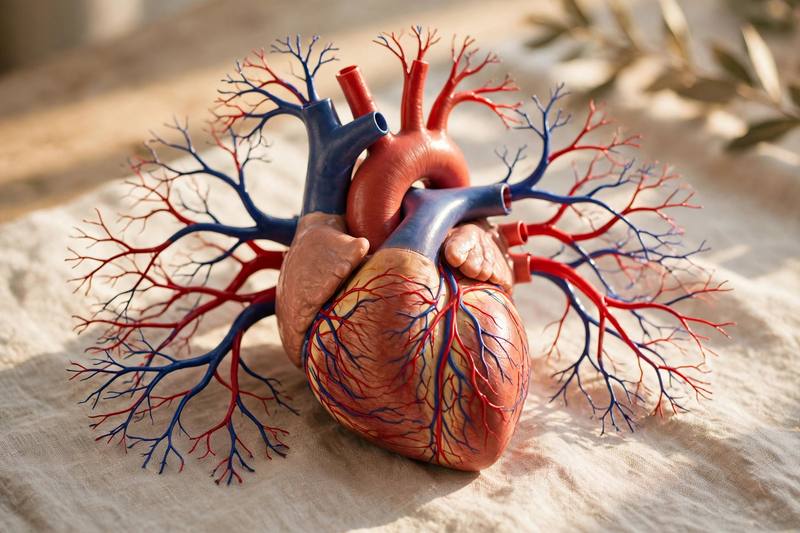
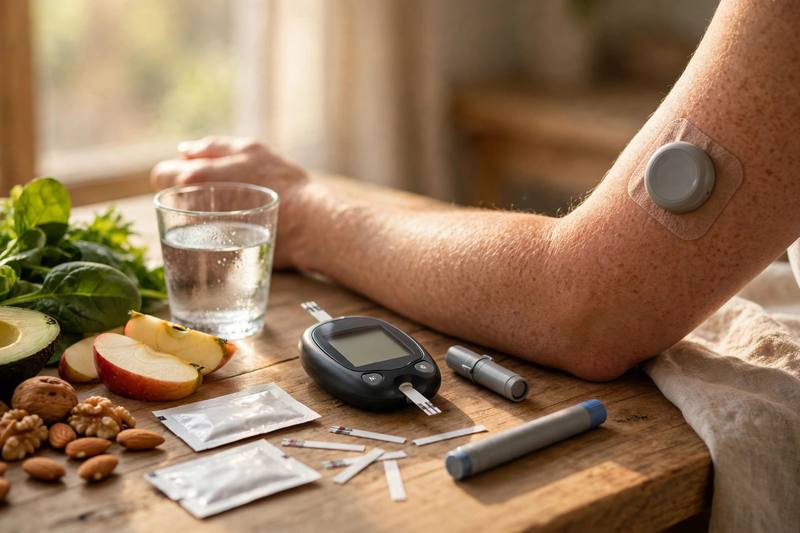
Beautifully said. So, to wrap up, let us hear all seven words one final time in a single picture. A brisk walk every morning helps you burn calories, improves your cardiovascular health, keeps your BMI healthy, helps you avoid cholesterol-rich foods that clog your arteries, and supports anyone managing diabetes.
Before we say goodbye, here is a small challenge for you. Today, use each of these words in a sentence of your own. Tell a friend about your BMI goal, or describe your brisk morning walk.
Or explain why you avoid cholesterol-rich snacks, or how a brisk walk helps you burn calories and protect your cardiovascular health. Say the words out loud, because speaking them is how they stick.
And if you know someone managing diabetes, share this episode with them. A few steady habits, like a daily brisk walk, can make a real difference, and encouragement from a friend helps more than any lecture.
That is a perfect summary. Thank you for listening, everyone. Keep practising these words, use them in your own sentences, and we will see you tomorrow.
Goodbye from Muse English, and remember: walk briskly, eat wisely, and take care of your heart. See you next time!
🎙 تمرین شدوئینگ نمونهٔ رایگان
گوش کنید و همزمان با صدا بلند تکرار کنید. تمرین کامل شدوئینگ در اپ است: هر جمله را تکرار میکنید و میبینید اپ چند کلمه از آن را تشخیص داده است.
Sara decided to change her life with one brisk walk every morning.
Her doctor had warned her that her BMI was rising and her cardiovascular health needed attention.
She wanted to burn calories, feel stronger, and protect her heart.
صحبت کردن را تمرین کنید
در اپ Muse English همهٔ جملهها را شدوئینگ کنید. اپ گوش میدهد و نشان میدهد چند کلمه از جملهتان را تشخیص داده است.
📝گرامر: The Unreal Past (It's time we left, I'd rather you didn't)
After certain expressions, we use a past tense to talk about the present or future. The past form shows that the situation is unreal, imagined, or merely wished for.
The core pattern is it's time + subject + past: *It's time we went home.* We have not gone yet, but we should. Adding high or about sharpens the criticism, as in *It's about time you got moving.*
With a different subject, would rather also takes the past: *I'd rather you didn't smoke here.* With the same subject, use the base form instead: *I'd rather stay at home.*
As if and as though + past des
این گرامر را در اپ کامل یاد بگیرید
توضیح کاملتر، مثالهای بیشتر و تمرین تعاملی.
راهنمای کامل و تمرینها: The Unreal Past (It's time we left, I'd rather you didn't) ←
هر روز ادامه بدهید
هر روز درس، پادکست و آزمون تازه؛ رایگان در اپ Muse English.