
📖 Muse English چیست؟
Muse English یک اپلیکیشن رایگان آموزش زبان انگلیسی است، با درس روزانه برای هر شش سطح، از A1 (مبتدی) تا C2 (تسلط کامل). هر روز لغتهای تازه با معنی فارسی، یک پادکست واقعی، تمرین شدوئینگ، گرامر و آزمون دارید. دربارهٔ اپ
📚 لغتها
۷ لغت تازه لغتهای تازه با معنی فارسی، مثال واقعی و تلفظ.

.jpg)
 shelter.jpg)

پادکست: طبیعت و محیط زیست
گفتوگوی امروز را گوش کنید.
📝 متن پادکست
Welcome to Muse English! Today we are heading out into the wild, because Lena and I watched a documentary last night that we cannot stop talking about.
It was about a wildlife reserve, and honestly, it changed the way I think about nature. The film followed rangers who protect animals from poachers, and one scene showed how poachers try to ambush elephants at a waterhole.
Ambush is such a vivid word. To ambush someone means to launch a surprise attack from a hidden position. The rangers in the film said that an ambush can happen in seconds, and that is why they patrol the reserve all night long.
And the film did not stop at the reserve. It followed the rescued animals to an animal rescue shelter, a place that gives temporary care to homeless animals. I had no idea how many animals pass through an animal rescue shelter every single year.
That shelter was amazing. The staff at the animal rescue shelter told the filmmakers that every animal rescue shelter needs volunteers, food, and medicine, and that even a small donation helps an animal rescue shelter keep its doors open.
Before we go further, let me tell you about something that helps me learn English every single day. The Muse English app gives you fresh words with photos and pronunciation, plus this podcast, shadowing stories, quizzes, grammar lessons, and points on a leaderboard. It is free, it is fun, and it takes just ten minutes a day. Give it a try and see how fast your English grows.
Thanks, Lena. Now, back to the documentary. One volunteer they interviewed was an animal rights activist, a person who campaigns for the ethical treatment of animals. This animal rights activist had spent ten years visiting schools to talk about kindness to animals.
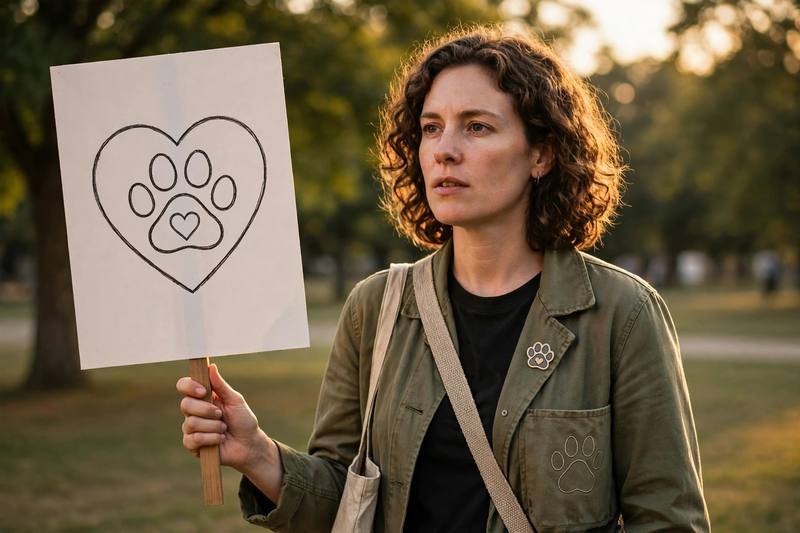
I loved that part. The animal rights activist said that being an animal rights activist is not only about protests. She said every animal rights activist she knows also rescues, fosters, and finds homes for animals, and that an animal rights activist can change minds simply by telling true stories.
The film also asked a hard question about money. It showed affluent neighborhoods, places where people have a great deal of money, and asked whether affluent families use more resources than everyone else. The answer was uncomfortable, because affluent households often own bigger homes, more cars, and more gadgets.
That is true, and it connects to something I think about a lot. An affluent lifestyle usually means a bigger carbon footprint, and affluent countries, on average, produce far more waste per person. But the film also showed affluent donors funding the reserve, so wealth can protect nature too when it is used well.
Exactly. And the film linked wealth to a much sadder story, which is absolute poverty. Absolute poverty means lacking basic necessities like food, water, and shelter. When people live in absolute poverty, they may cut down forests just to cook dinner, because absolute poverty leaves them no other choice.
That broke my heart. The filmmakers said absolute poverty is one of the biggest threats to wildlife, because absolute poverty pushes families to hunt protected animals for food. If we want to save nature, we have to fight absolute poverty at the same time.
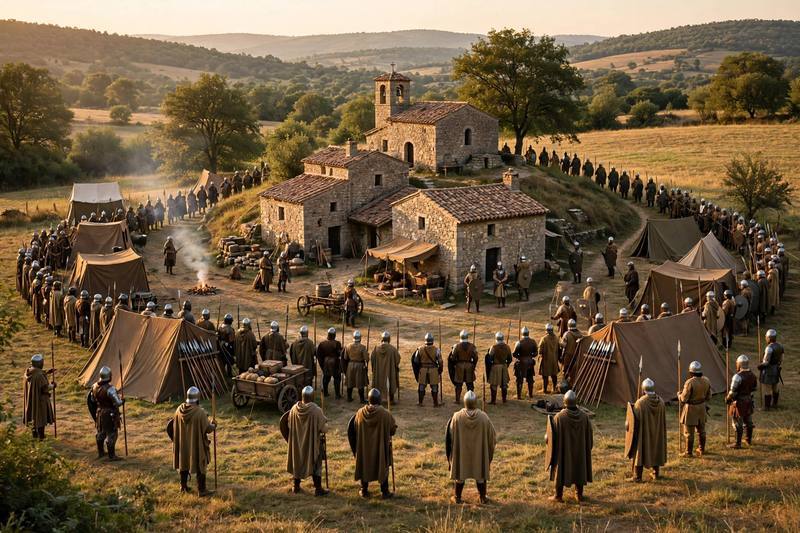
And here is a word that surprised me in this context. The narrator said that drought and floods can besiege a village, meaning they can surround it and overwhelm it, just like an army would. When a storm besieges a town, roads close, food runs out, and people feel trapped.
I remember that line. He said climate change can besiege whole regions, and when rising seas besiege a coastal town, families have to leave their homes. It is a powerful image, because to besiege a place is to cut it off completely.
Let us talk about our own homes for a minute. The documentary showed how much energy our houses use, and it pointed at one small thing we can change, which is the humble appliance. An appliance is a device or machine for a specific purpose, like a fridge, a washing machine, or a kettle.
Right. The film said an old appliance can waste a shocking amount of electricity, and that replacing one old appliance with an energy efficient appliance can save a family real money. If every home swapped one wasteful appliance for a better appliance, the savings would be enormous.
There was one more scene I want to mention, because it stayed with me. The shelter team drove for hours to reach a village that floods had cut off from the main road. The water did not just damage houses, it surrounded the whole village, and the narrator said the flood had come to besiege the village. Volunteers from the animal rescue shelter brought food for families and for their animals, because when disaster strikes, animals suffer too.
That scene showed why the work matters. The animal rights activist who led the team said her group visits villages before disasters, teaching families how to keep animals safe. She believes an animal rights activist should be practical, not just loud, and her team proved it that day.
And here is a quick pause for something useful. If you are enjoying this episode, the Muse English app is where all of it lives. You get daily words with photos and pronunciation, this podcast, shadowing stories, quizzes, grammar lessons, and a leaderboard with points for every lesson you finish. It is free to install, so open it today and keep your streak alive.
Welcome back. Let us connect the pieces. The documentary argued that an animal rescue shelter, an animal rights activist, and ordinary families all play a part. The shelter heals animals, the activist speaks for them, and families choose how they live.
And the choices matter. An affluent family that buys a smaller car, fixes a leaking tap, and replaces an old appliance shows that wealth does not have to harm nature. Meanwhile, a community fighting absolute poverty needs clean water, schools, and jobs, so that absolute poverty no longer forces people to destroy the forest around them.
I also keep thinking about the word ambush. The rangers said the best way to stop an ambush is to remove the reason for it, by giving local people jobs as guides and guards. When people earn a living from tourism, nobody needs to ambush wildlife anymore.
One more idea from the film deserves attention. The filmmakers visited a town where rising rivers threaten homes every spring. Engineers there built barriers, but the narrator warned that water can still besiege a town if the barriers fail. The town now works with an animal rescue shelter to move pets to safety during floods, so no animal is left behind when the water rises.
That is the kind of planning I admire. And it brings us back to money. Affluent donors paid for those barriers, which shows that affluent people can protect whole communities when they invest in prevention. At the same time, the film reminded us that absolute poverty makes prevention harder, because families facing absolute poverty cannot afford insurance, strong houses, or safe land.
Exactly. And here is where the words meet real life. If you ever visit an animal rescue shelter, ask what they need most. It might be blankets, food, or simply your time. If you meet an animal rights activist, ask what changed their mind, because their story might change yours too.
That is a hopeful ending. The film closed with the shelter releasing a rehabilitated elephant back into the wild, and the animal rights activist we met earlier was there, crying with joy. It reminded me that nature can recover, if we give it a chance.
So here is our recap. Absolute poverty harms people and nature together. Affluent lifestyles carry a bigger footprint, but also a bigger chance to help. An ambush threatens wildlife, while an animal rescue shelter heals it. An animal rights activist speaks up for animals, an appliance can waste or save energy, and a storm can besiege a town. Seven words, one connected story.
Beautifully said. Try using these words this week. Tell a friend about an animal rescue shelter near you, or talk about how one appliance in your home could be more efficient. Language sticks when you use it in real life.
Here is a small challenge for you. This week, notice one appliance in your home and check whether it wastes energy. Then read one article about absolute poverty and the environment, and think about how the two are connected. If you can, look up an animal rights activist in your city and learn what they are working on right now.
And if you have ever seen an animal rescue shelter at work, tell someone about it. A single story can do more than a hundred statistics, and that is exactly why the filmmakers made this documentary. When ordinary people understand a problem, they start to solve it.
One last thought before we go. The documentary ends with a simple message, which is that every choice counts. The food we buy, the energy we use, and the stories we share all shape the world around us.
That is a good place to stop. Small choices, repeated every day, can protect the nature we all love.
And we will be back tomorrow with another story, more words, and more English you can actually use. Until then, keep listening, keep shadowing, and keep learning.
See you tomorrow on Muse English!
🎙 تمرین شدوئینگ نمونهٔ رایگان
گوش کنید و همزمان با صدا بلند تکرار کنید. تمرین کامل شدوئینگ در اپ است: هر جمله را تکرار میکنید و میبینید اپ چند کلمه از آن را تشخیص داده است.
In a small town near a great forest, there was an animal rescue shelter.
The animal rescue shelter cared for dogs, cats, and wild birds.
A kind animal rights activist named Sara worked at the animal rescue shelter.
صحبت کردن را تمرین کنید
در اپ Muse English همهٔ جملهها را شدوئینگ کنید. اپ گوش میدهد و نشان میدهد چند کلمه از جملهتان را تشخیص داده است.
📝گرامر: Nominalisation in Formal English
Nominalisation means expressing an action or quality as a noun instead of a verb or adjective.
It is typical of academic, business and news writing, because it packs more information into fewer words and sounds more objective.
To nominalise, turn the verb into a noun, and turn any adverb into an adjective: decided becomes decision, and rapidly becomes rapid.
Common noun endings are -tion, -ment, -ance, -ity, -ness and -ure: decision, development, importance, awareness.
Pair the noun with the right preposition: a rise in pr
این گرامر را در اپ کامل یاد بگیرید
توضیح کاملتر، مثالهای بیشتر و تمرین تعاملی.
هر روز ادامه بدهید
هر روز درس، پادکست و آزمون تازه؛ رایگان در اپ Muse English.