

📖 Muse English چیست؟
Muse English یک اپلیکیشن رایگان آموزش زبان انگلیسی است، با درس روزانه برای هر شش سطح، از A1 (مبتدی) تا C2 (تسلط کامل). هر روز لغتهای تازه با معنی فارسی، یک پادکست واقعی، تمرین شدوئینگ، گرامر و آزمون دارید. دربارهٔ اپ
📚 لغتها
۱۰ لغت تازه لغتهای تازه با معنی فارسی، مثال واقعی و تلفظ.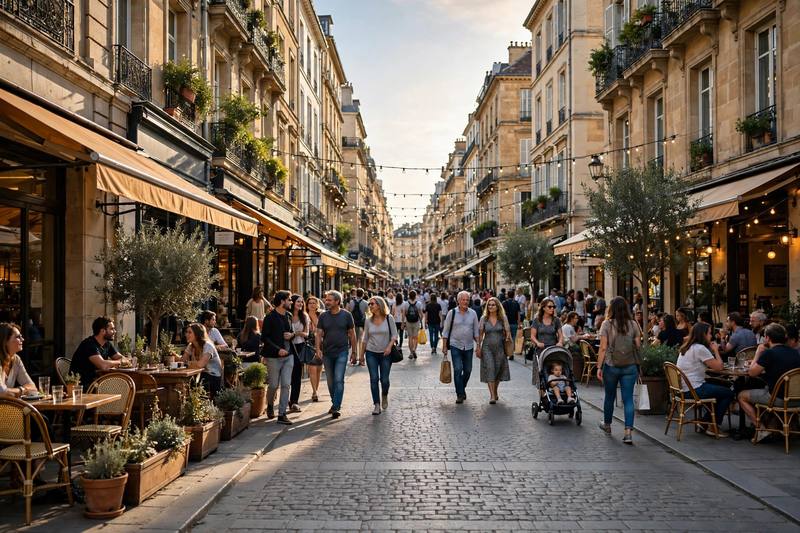



پادکست: روز مرور
گفتوگوی امروز را گوش کنید.
📝 متن پادکست
Welcome to Muse English! I am Maya.
And I am Lena. Today's episode is a special review day episode. Over the last four days we taught forty words, ten each day, and today we revisit every single one of them. No new words today, just a victory lap through the language you have already learned.
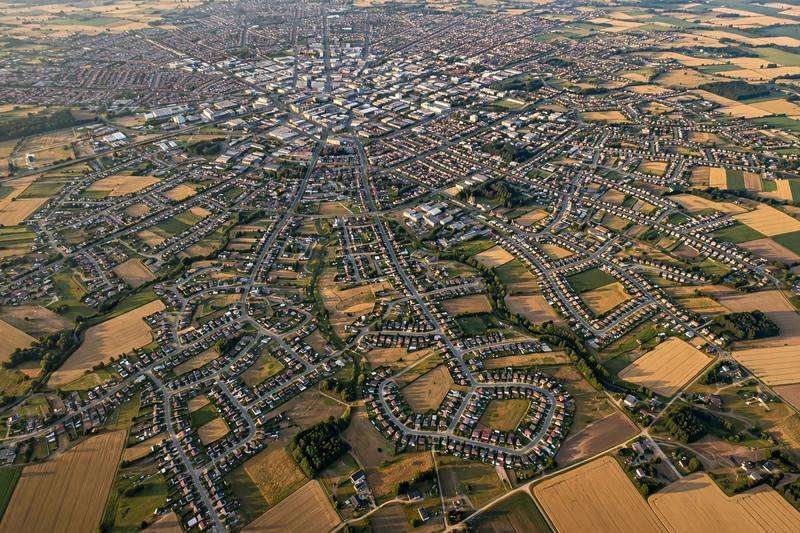
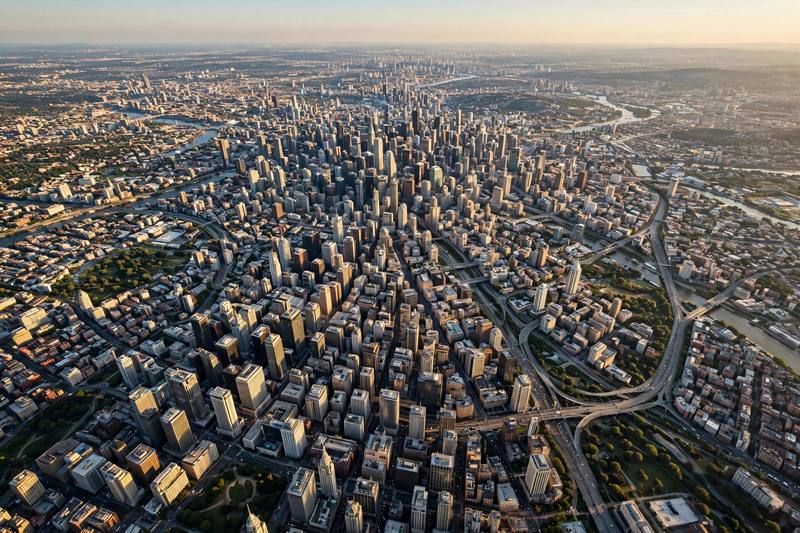
We started the week in the city. Our first theme was cities and daily life, and the first word I want to revisit is conurbation. A conurbation is a vast urban area formed when several towns grow and merge into one continuous city. The Tokyo Yokohama conurbation is home to nearly forty million people.
Conurbation is a word I will remember, because once you have seen a conurbation from an airplane window at night, you never forget it. Endless lights, no clear border between one town and the next, just one giant conurbation glowing below you.
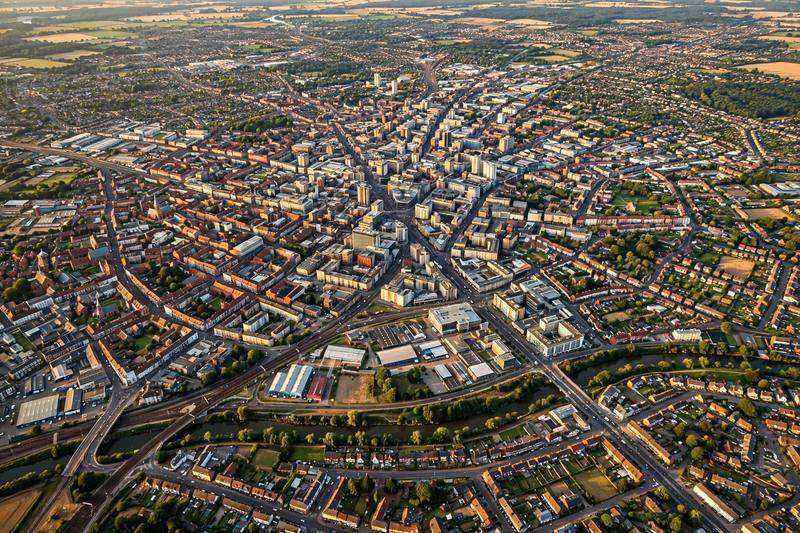
And where conurbations grow without a plan, you get sprawl. Sprawl is the uncontrolled spread of a city outward into the countryside. The sprawl of Los Angeles is famous around the world, and planners warn that uncontrolled sprawl eats farmland and stretches public services thin.
Before we continue, a quick word for our learners.
Learning a language is like building a city. It grows slowly, one street at a time, and the fastest way to grow it is a small daily habit. The Muse English app is built for that. Ten words a day with real photos and clear pronunciation, shadowing stories, quizzes, and grammar that makes sense. It is free and takes less than ten minutes a day. Search for Muse English and start building today.
I like that contrast. A conurbation is what happens when towns merge, while sprawl is what happens when a city spreads with no shape and no plan. Both describe enormous cities, but sprawl always sounds like a warning.
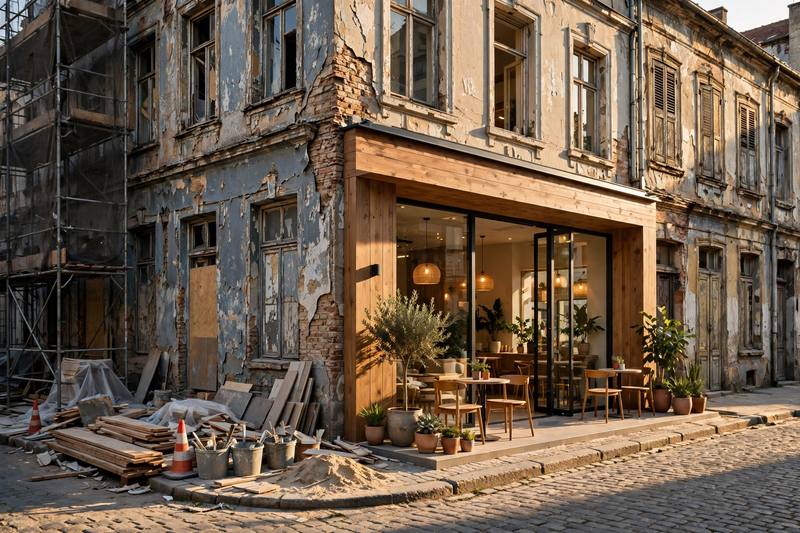
Exactly. And then there is gentrification. Gentrification is the process in which a run-down area is renovated and becomes expensive, often forcing out its original residents. Gentrification divides opinion like almost no other word in urban life. Some say gentrification brings safety and investment, and others say gentrification pushes artists and families out of the neighborhoods they built.
That is the debate in every big city. A street gets new cafes, rents triple, and the people who made the street interesting can no longer afford to live there. That is gentrification, love it or hate it.
We covered more city words that day. Cosmopolitan, for a city at home with many cultures. Palimpsest, a place with layers of history showing through the new. Flâneur, a person who strolls the streets with calm curiosity. Brownfield, old industrial land ready for redevelopment. Eyesore, an ugly building that spoils a view. And liminal, that in-between stage when the old is gone and the new has not arrived.
And one more from that day, megalopolis. A megalopolis is an enormous urban region formed by several big cities merging into one continuous area. The Bos Wash megalopolis stretches from Boston to Washington in one unbroken band of cities. A megalopolis is like a conurbation that leveled up. Once a megalopolis exists, it shapes the economy of a whole country.
That was day one, cities and daily life. Day two was health and the body. Let us revisit those words. Vitality is energy, strength and good health, being full of life. The word rejuvenate means to make someone feel young and fresh again. Robust means strong and healthy, hard to damage or make ill.
The body words continued with homeostasis, the body's way of keeping its internal conditions balanced. Then detoxification, the process of removing harmful substances from the body. And malaise, that vague general feeling of being unwell.
Malaise is the word for those days when nothing is exactly wrong, but nothing feels right either. The opposite of malaise might be vitality. And atrophy is the word for muscles that waste away from lack of use. Prophylaxis is medical treatment that prevents disease before it starts, like malaria prophylaxis before a tropical trip. Inoculation means giving a vaccine to protect against a disease. And salubrious means good for your health, health promoting, like the salubrious climate of an island that attracts retirees.
Ten health words, all reviewed. Now day three, and this was my favorite theme, fashion and style. Maya, let us start with sartorial. Sartorial relates to tailoring and elegant clothing style. A person with great sartorial taste always looks sharp.
Sartorial is such a precise word. When I hear sartorial, I picture a tailor with a tape measure around his neck and a client who takes clothing seriously. The sartorial arts are about fit, fabric and proportion, and true sartorial confidence never shouts.
And at the top of the fashion pyramid sits couture. Couture is very expensive high fashion clothing made by hand. The Paris ateliers are famous for their couture gowns. Couture is slow, couture is hand sewn, and real couture is made for exactly one person.
Which brings us to silhouette. Silhouette is the overall outline or shape of a garment. The perfect silhouette can make any outfit look intentional. Every great designer starts with a silhouette. The silhouette is the first thing the eye reads, before the fabric, before the color.
Other fashion words we covered. Bespoke, made specially for one person to their exact measurements. Dapper, neat and smartly dressed, usually of a man. Ensemble, a complete set of clothes worn together as one outfit. Embellishment, a decorative detail added to clothing, like beads or embroidery. Drape, to hang or fall in soft graceful folds. Flamboyant, very bright, bold and showy. And understated, elegant in a simple quiet way without showing off.
Understated is the opposite of flamboyant, and a dapper man in a bespoke suit with an understated ensemble can still look powerful. Fashion is a language, and we just spoke ten sentences of it.
Maya, before we go on, one more quick word for our listeners.
If you are enjoying this review, here is how to make it stick. The Muse English app lets you save every word we talked about today, replay the pronunciation, quiz yourself, and track your streak. Shadowing stories read by a friendly tutor help your speaking, and the grammar lessons keep your sentences sharp. Millions of small moments become real fluency. Download the Muse English app free today and make review days your secret weapon.
Now for day four, which returned to cities, this time about building better ones. The theme was urbanism, the study of how cities function and grow. And one of the boldest ideas in modern urbanism is pedestrianization. Pedestrianization means taking a street away from cars and giving it to walkers.
I have seen pedestrianization in old European towns and it is wonderful. The pedestrianization of those streets turned them into open air festivals every evening, with music, food and families strolling. Pedestrianization is not just for tourists either. When a city commits to the pedestrianization of a shopping street, local businesses often earn more, because walkers stop and browse while drivers just pass through.
That surprises people every time. They assume pedestrianization hurts business, but the numbers say the opposite. More feet, more shopping, happier streets.
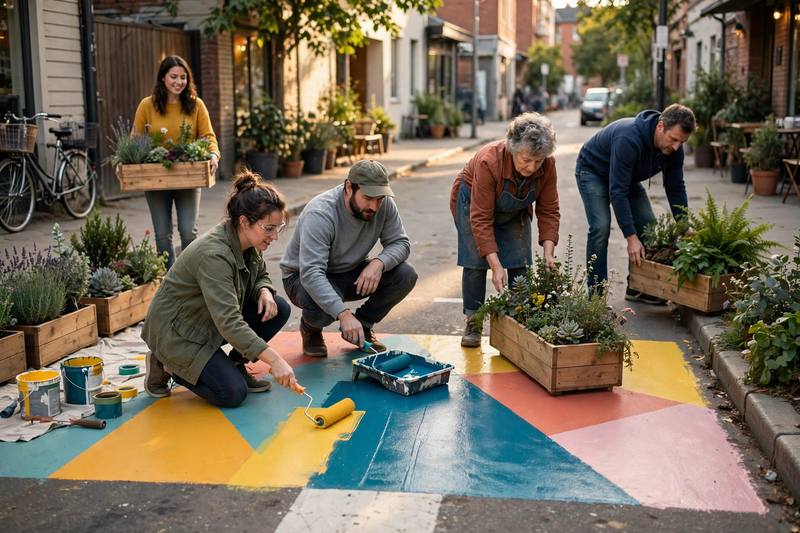
The smallest idea that day was tactical urbanism. Tactical urbanism means small, quick, low cost experiments in city space. Paint a crosswalk, add planters, put out chairs, and see what happens. One neighborhood used tactical urbanism to calm a dangerous intersection for a weekend, with nothing but paint and traffic cones. Drivers slowed down, kids played nearby, and the data was so good that the city made the change permanent. That is tactical urbanism winning.
Tactical urbanism is my favorite kind of urbanism, because tactical urbanism says you do not need permission to imagine a better street. You start small and prove it works.
More city building words. Placemaking is the art of turning a plain public space into a place people love. Wayfinding is signs and design that help people find their way around. A third place is the social spot between home and work where people gather, like a cafe. The fifteen minute city puts daily needs within fifteen minutes on foot or by bike. Congestion pricing is a fee drivers pay to enter busy areas at busy times. Hyperlocal means focused on a very small specific community.
And a word that matters everywhere, food desert. A food desert is an area with little access to affordable fresh food. No supermarket for miles means the district becomes a food desert where fresh produce is scarce. Every city should map its food deserts, because a food desert is not just an urban problem, it is a health problem.
That is all forty words. Let us close with a quick recap quiz, just you and me, Lena. A vast urban area formed when towns merge?
Conurbation. The uncontrolled spread of a city outward?
Sprawl. A run down area that becomes expensive?
Gentrification. The enormous region of merged cities?
Megalopolis. Turning streets into car free areas for walkers?
Pedestrianization. Quick low cost improvements to city spaces?
Tactical urbanism. An area with little access to fresh food?
Food desert. Relating to tailoring and elegant style?
Sartorial. The outline or shape of a garment?
Silhouette. And expensive high fashion made by hand?
Couture. Ten for ten. That is our review day. Forty words, four themes, one language growing stronger.
Thank you for listening to Muse English. Keep reviewing, keep shadowing, and we will see you tomorrow with new words. Bye!
Bye everyone!
🎙 تمرین شدوئینگ نمونهٔ رایگان
گوش کنید و همزمان با صدا بلند تکرار کنید. تمرین کامل شدوئینگ در اپ است: هر جمله را تکرار میکنید و میبینید اپ چند کلمه از آن را تشخیص داده است.
Every great megalopolis began as a small town with big dreams.
A conurbation forms when towns grow together and their borders disappear.
Urban sprawl eats the farmland around a city without any plan or mercy.
صحبت کردن را تمرین کنید
در اپ Muse English همهٔ جملهها را شدوئینگ کنید. اپ گوش میدهد و نشان میدهد چند کلمه از جملهتان را تشخیص داده است.
📝گرامر: Nominalisation in Formal English
Nominalisation turns verbs and adjectives into nouns. The destruction of the brownfield site sounds more formal than saying that someone destroyed the site.
Academic English loves nominalisation because it packs ideas tightly. The pedestrianization of the high street replaces a whole clause about turning streets over to walkers.
Nominalisation often pairs with an of-phrase and heavy pre-modification. The rapid gentrification of former industrial districts carries more weight than saying that districts became expensive quickly.
But nominalisation can hide who did what. **The
این گرامر را در اپ کامل یاد بگیرید
توضیح کاملتر، مثالهای بیشتر و تمرین تعاملی.
هر روز ادامه بدهید
هر روز درس، پادکست و آزمون تازه؛ رایگان در اپ Muse English.