

📖 Muse English چیست؟
Muse English یک اپلیکیشن رایگان آموزش زبان انگلیسی است، با درس روزانه برای هر شش سطح، از A1 (مبتدی) تا C2 (تسلط کامل). هر روز لغتهای تازه با معنی فارسی، یک پادکست واقعی، تمرین شدوئینگ، گرامر و آزمون دارید. دربارهٔ اپ
📚 لغتها
۱۰ لغت تازه لغتهای تازه با معنی فارسی، مثال واقعی و تلفظ.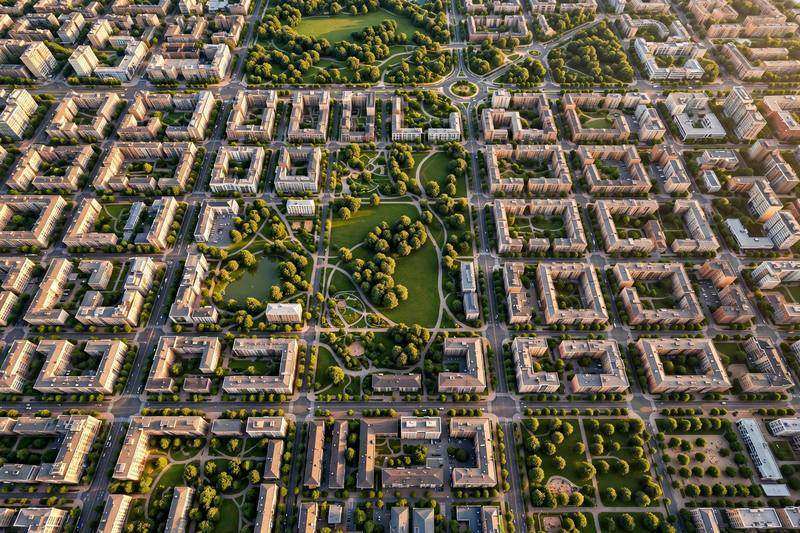
پادکست: شهر و زندگی روزمره
گفتوگوی امروز را گوش کنید.
📝 متن پادکست
Welcome to Muse English! I am Maya.
And I am Lena. Today's episode is all about the cities we live in, and the clever ideas that are making them better places to live.
That is right. From the way streets are designed to the corners where neighbors meet, a quiet revolution called urbanism is reshaping daily life. Urbanism is simply the study of how cities work, and modern urbanism asks one big question. How do we build cities that feel good to live in?
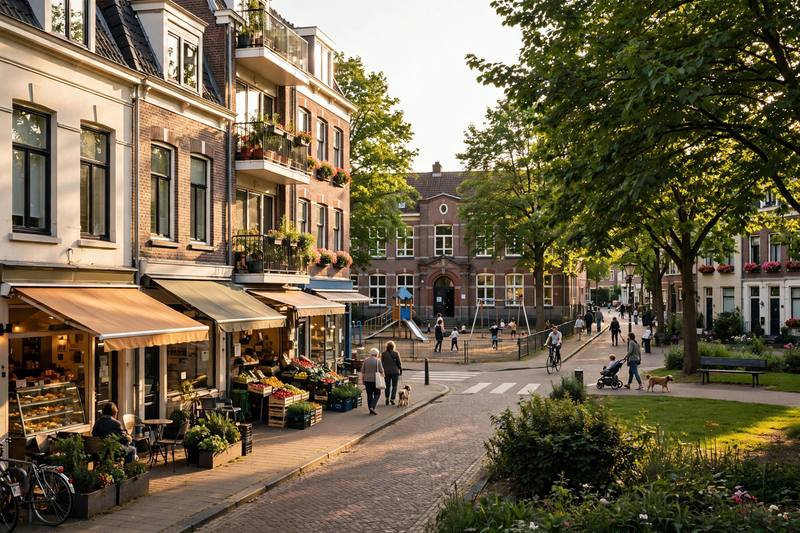
I love that question. And one of the most exciting answers is the fifteen-minute city. In a fifteen-minute city, everything you need every day is within fifteen minutes on foot or by bike. Your school, your doctor, your favorite bakery, your park.
Exactly. And urbanism is not only about buildings. Good urbanism is about time. When the fifteen-minute city saves you an hour of commuting, that is an hour you get back for your family, your friends, or yourself.
It makes so much sense. I visited a neighborhood planned as a fifteen-minute city last summer, and the difference was incredible. Kids walked to school alone, grandparents sat on benches in the shade, and the streets felt alive from morning to night.
Great example. And before we go further, a quick word for our learners.
Small daily habits build big English skills, and the Muse English app is built for exactly that. Every day you get ten new words with beautiful photos and clear pronunciation. You also get this podcast, shadowing stories to speak along with, quizzes, grammar lessons, and a leaderboard where you earn points for every lesson. It is free to install. Download the Muse English app today and make English part of your routine.
That is the power of urbanism. It is not an abstract theory. Urbanism is the everyday experience of your street, your block, your corner shop. And here is the thing. The ideas of urbanism are spreading because they work for everyone, from toddlers to grandparents.
How so?
Think about an older person crossing a wide, fast road. Good urbanism gives them a shorter crossing, a bench halfway, and clear signals. Or think about a parent with a stroller. Good urbanism gives them a smooth sidewalk and a ramp, not a staircase. Small details, huge difference.
That is a beautiful way to see it. The city is a machine we all share, and urbanism is the manual for running it kindly.
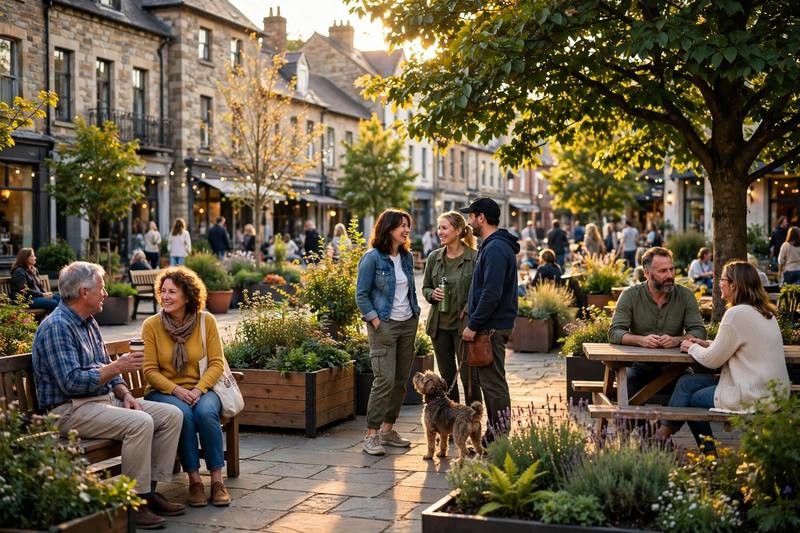
Now let us talk about placemaking. Placemaking is the art of turning a plain public space into a place people love. A bench becomes a meeting spot. A dull plaza becomes a weekend market.
Placemaking sounds magical. So placemaking is really about people, not pavement?
Exactly. Good placemaking starts by asking the neighbors what they want. In one city I know, residents turned a parking lot into a community garden with their own hands. That is placemaking at its best. Cheap, human, and full of life.
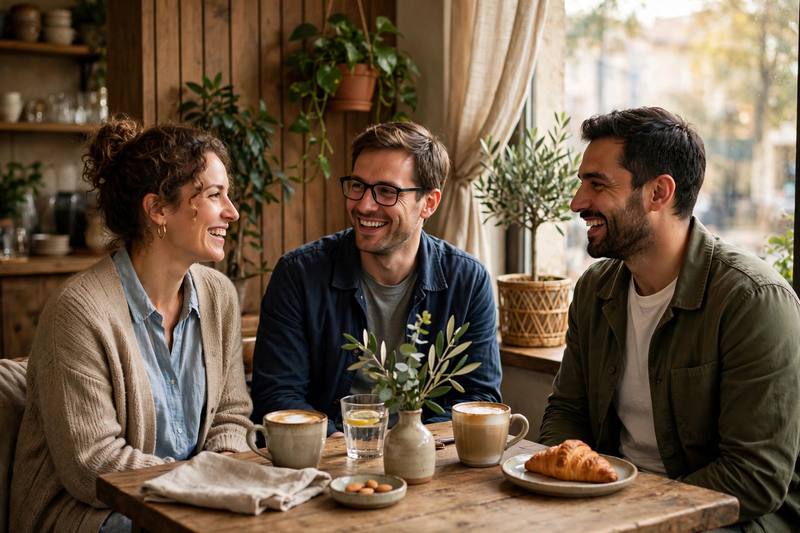
That reminds me of third places. A third place is the spot between home and work where you belong. Your home is the first place, your office is the second place, and your third place might be a cafe, a library, or a park bench where everyone knows your name.
Yes, and the best cities are full of third places. When a neighborhood has a lively third place, people stay longer, talk more, and feel less lonely. A city without a third place can feel cold, even when it is crowded.
I have a third place, actually. There is a tiny tea shop near my apartment. The owner remembers my order, and the regulars save me a seat by the window. It is my third place, and I go there when I need to think, or just to feel human.
That is beautiful. And notice how placemaking creates third places. Smart placemaking gives people reasons to linger, and lingering turns a coffee shop into a third place. So placemaking builds the stage, and the third place is the show.
I love that image. But Maya, what can one ordinary person do? These ideas sound like jobs for mayors.
That is the best part. You do not need to be a mayor. Let us talk about streets, because the street outside your door is where it starts. Pedestrianization is one of the boldest ideas in cities today. Pedestrianization means taking a street away from cars and giving it to walkers.
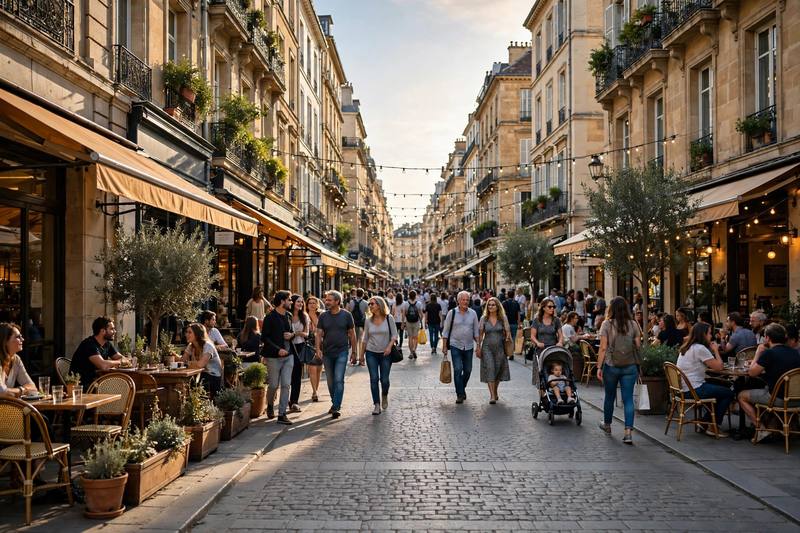
I have seen pedestrianization in old European towns, and it is wonderful. The pedestrianization of those streets turned them into open-air festivals every evening, with music, food, and families strolling.
Right. And pedestrianization is not just for tourists. When a city commits to the pedestrianization of a shopping street, local businesses often earn more, because walkers stop and browse while drivers just pass through. Studies keep showing that pedestrianization is good for shopkeepers, not just for walkers.
That surprises people. They assume pedestrianization hurts business, but the numbers say the opposite.
Exactly. And before we move on, a quick word for our learners.
Small steps work for language learning too. The Muse English app makes it easy. Ten new words a day with real photos and pronunciation audio, this podcast, shadowing stories where you repeat sentences out loud, quizzes, clear grammar lessons, and a leaderboard to keep you motivated. Five minutes a day is enough to feel the difference. Search for Muse English and start today. It is free.
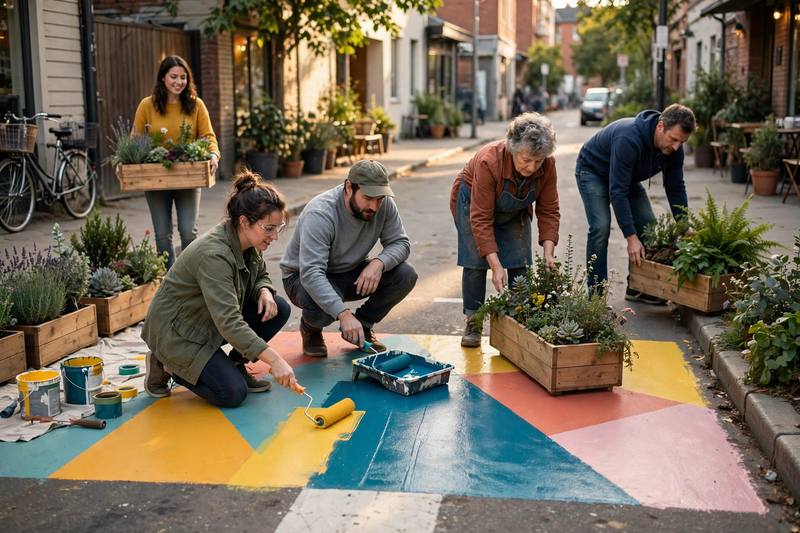
Well said. Now, not every change needs a grand plan or a big budget. Tactical urbanism is the opposite of waiting ten years for a perfect project. Tactical urbanism means small, quick, low-cost experiments. Paint a crosswalk, add planters, put out chairs, and see what happens.
So tactical urbanism is like a prototype for the city. Try it fast, and if it works, keep it.
Perfectly said. One neighborhood used tactical urbanism to calm a dangerous intersection for a weekend, with nothing but paint and traffic cones. Drivers slowed down, kids played nearby, and the data was so good that the city made the change permanent. That is tactical urbanism winning.
I love that energy. Tactical urbanism says you do not need permission to imagine a better street. You just start small and prove it works.
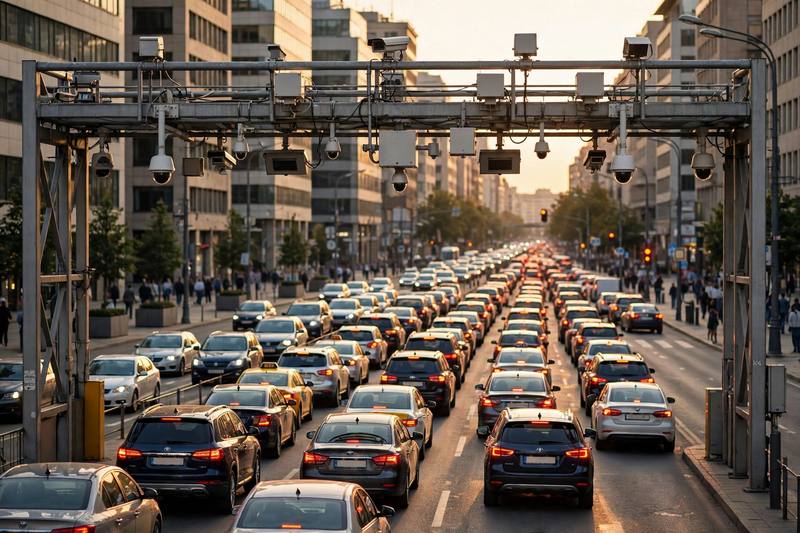
Exactly. Now let us talk about cars, because every city has to face them. Congestion pricing is a policy where drivers pay a fee to enter the busiest parts of a city at busy times.
Congestion pricing is controversial, but the results are hard to argue with. Where congestion pricing was introduced, traffic dropped quickly, buses started running on time, and the air got cleaner almost immediately.
Critics of congestion pricing say it punishes drivers unfairly. But supporters of congestion pricing answer that the fees pay for better buses and trains, so the whole city benefits, including drivers who truly need their cars.
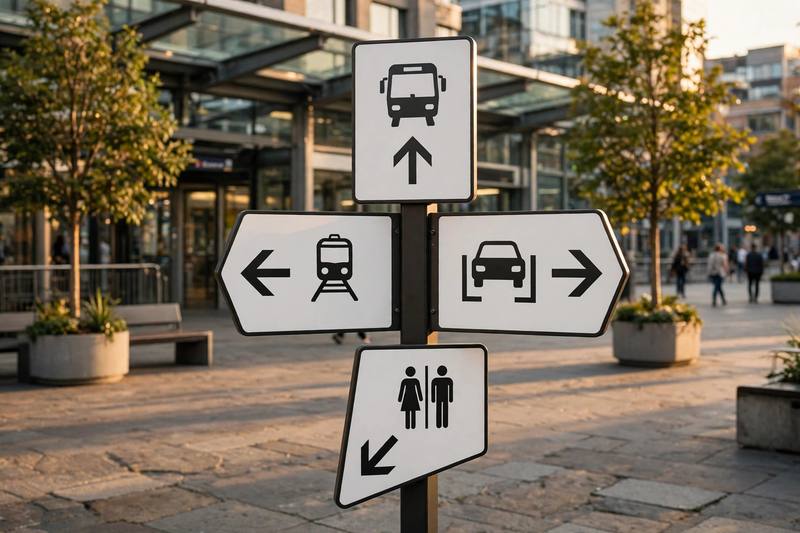
It is a fair debate, and different cities will answer it differently. But here is something every city agrees on. Nobody likes being lost. That brings us to wayfinding. Wayfinding is the system of signs, maps, colors, and design that helps you find your way around.
Good wayfinding is invisible. When wayfinding works, you glide through a huge train station without even thinking. When wayfinding fails, you are lost within five minutes, staring at a map upside down.
Exactly. Cities are investing in better wayfinding now, from color-coded metro lines to phone apps that guide you turn by turn. Great wayfinding makes a city feel welcoming instead of confusing, especially for visitors and newcomers.
So congestion pricing clears the streets, and wayfinding helps you enjoy them. What a nice pair.
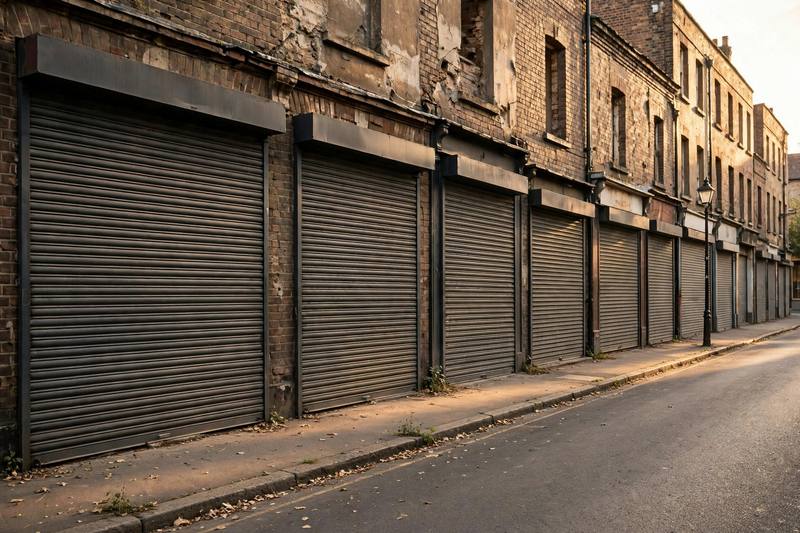
Here is one more pair that matters deeply. Food deserts and hyperlocal news. A food desert is a neighborhood with almost no fresh, affordable food. No supermarket, no greengrocer, just corner stores selling snacks and soda.
Food deserts are a serious problem. Living in a food desert means something as simple as buying fresh vegetables becomes a long, expensive trip across town.
And cities are fighting back. Some offer grants to bring a market into a food desert. Others support trucks that sell fresh produce on the street. Ending a food desert starts with admitting that it exists and deciding that every neighborhood deserves real food.
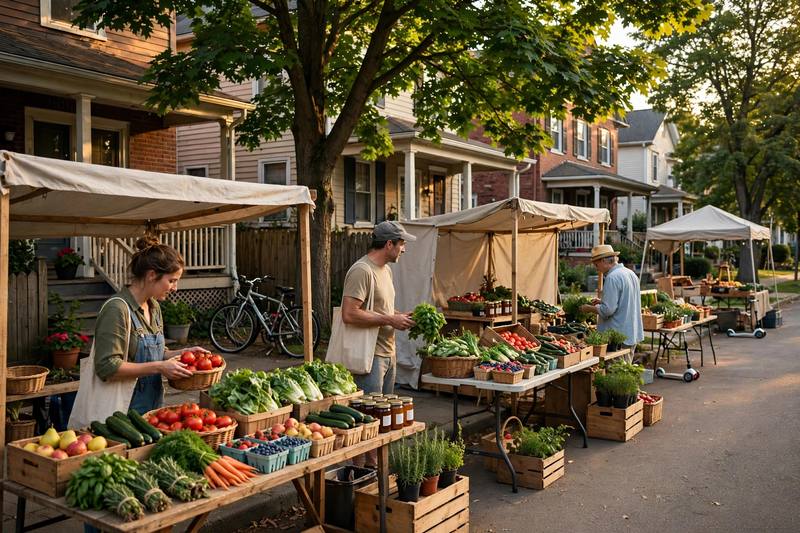
I actually grew up near what you would call a food desert. We had three fast-food places and zero fresh markets. It took a community garden and a weekend farmers market to change that. It was slow, but it worked.
That is a perfect example. And how did your neighbors organize it? Often through hyperlocal media. Hyperlocal news covers a tiny area, sometimes just a few blocks. A hyperlocal reporter will tell you about the new bus stop, the school meeting, or the market opening on Saturday.
Hyperlocal journalism is so valuable. The national news will never tell me about the pothole on my street, but a hyperlocal blog will, and it will tell me who is fixing it.
Right. The hyperlocal web keeps neighborhoods informed, and informed neighbors solve problems faster. That is how a community learns it is living in a food desert, and that is how it organizes the market that ends it. Never underestimate hyperlocal voices.
What a journey this episode has been. Let us recap the big ideas. Urbanism asks how cities should work for everyone. The fifteen-minute city puts daily life within a short walk. Placemaking turns empty spaces into places people love. A third place gives you somewhere to belong between home and work. Pedestrianization hands the streets back to walkers. Tactical urbanism proves that change can start small and cheap. Congestion pricing makes us rethink traffic. Wayfinding keeps us from getting lost. And fighting the food desert, with hyperlocal news lighting the way, makes the city fairer for all.
Beautifully summarized. Cities are not just concrete and steel. They are choices, and better choices are being made on streets around the world every single day.
Thank you for walking through the future city with us. Keep learning, keep shadowing, and practice these words out loud this week.
See you tomorrow on Muse English. Bye for now!
Bye!
🎙 تمرین شدوئینگ نمونهٔ رایگان
گوش کنید و همزمان با صدا بلند تکرار کنید. تمرین کامل شدوئینگ در اپ است: هر جمله را تکرار میکنید و میبینید اپ چند کلمه از آن را تشخیص داده است.
Our city is changing, and the ideas behind urbanism are leading the change.
Modern urbanism puts people first, not cars.
Good urbanism makes every street safer and friendlier.
صحبت کردن را تمرین کنید
در اپ Muse English همهٔ جملهها را شدوئینگ کنید. اپ گوش میدهد و نشان میدهد چند کلمه از جملهتان را تشخیص داده است.
📝گرامر: Inversion After Negative Adverbials
When a negative or restrictive adverbial opens a clause, English flips the subject and the auxiliary verb. "Never have I seen" replaces the flat "I have never seen," and the sentence gains instant emphasis.
This inversion belongs to formal registers: speeches, essays, and serious journalism. It turns a plain denial into a rhetorical event, which is why politicians and editorial writers love it.
The pattern works after "never," "rarely," "seldom," "hardly," "scarcely," "barely," "not only," "no sooner," and "only" phrases such as "only then" or "only by." Choose the au
این گرامر را در اپ کامل یاد بگیرید
توضیح کاملتر، مثالهای بیشتر و تمرین تعاملی.
راهنمای کامل و تمرینها: Inversion After Negative Adverbials ←
هر روز ادامه بدهید
هر روز درس، پادکست و آزمون تازه؛ رایگان در اپ Muse English.