

📖 Muse English چیست؟
Muse English یک اپلیکیشن رایگان آموزش زبان انگلیسی است، با درس روزانه برای هر شش سطح، از A1 (مبتدی) تا C2 (تسلط کامل). هر روز لغتهای تازه با معنی فارسی، یک پادکست واقعی، تمرین شدوئینگ، گرامر و آزمون دارید. دربارهٔ اپ
📚 لغتها
۷ لغت تازه لغتهای تازه با معنی فارسی، مثال واقعی و تلفظ.




پادکست: پول و خرید
گفتوگوی امروز را گوش کنید.
📝 متن پادکست
Welcome to Muse English! I am Maya, and I am very glad you are joining us today.
And I am Lena. Hello, everyone. Today we are talking about money, debt, and the choices that shape whole countries, through the story of a small town, a brave mayor, and families who refused to give up.
Our seven words today are debit card, debt burden, debt relief, debtor country, debtor nation, deep poverty, and determined effort. They sound like words from a news report, and that is exactly where you will meet them.
Let us start simply. A debit card is a card used to pay directly from a bank account. When you pay with a debit card, the money leaves your account at once. There is no borrowing, and no bill at the end of the month.
I use my debit card every morning for coffee and bread. My debit card keeps me honest, because I can only spend money I actually have. My sister once lost her debit card on a train, and the bank replaced it in two days.
A debit card is useful, but it cannot solve a heavy debt burden. A debt burden is the total amount of debt owed by a person or a country. When a debt burden grows too large, a family, or a whole nation, spends all its income just paying interest.
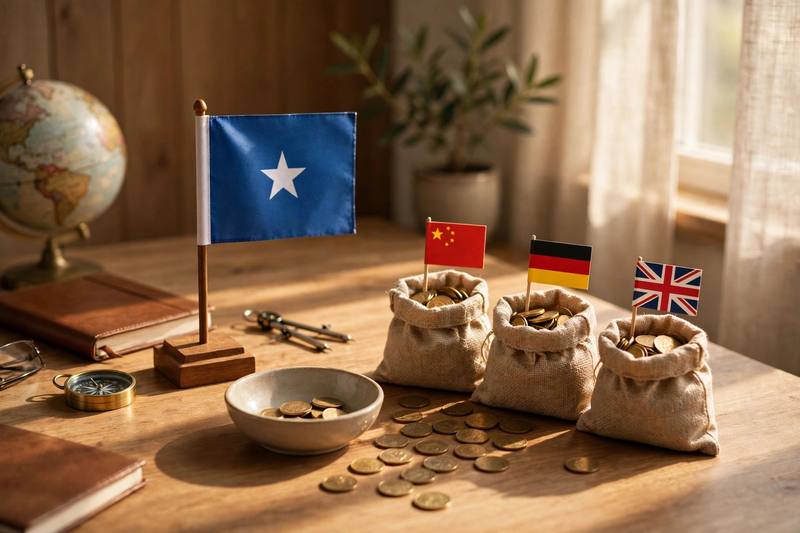
That is the heart of our story. Imagine a debtor country, a country that owes money to other countries. This debtor country had borrowed for roads and hospitals years ago, but now its debt burden was crushing its schools.
And people also call such a place a debtor nation. A debtor nation is a nation that owes money to other nations. The words debtor country and debtor nation mean almost the same thing, and newspapers use both. Our debtor nation faced a painful choice every single month.
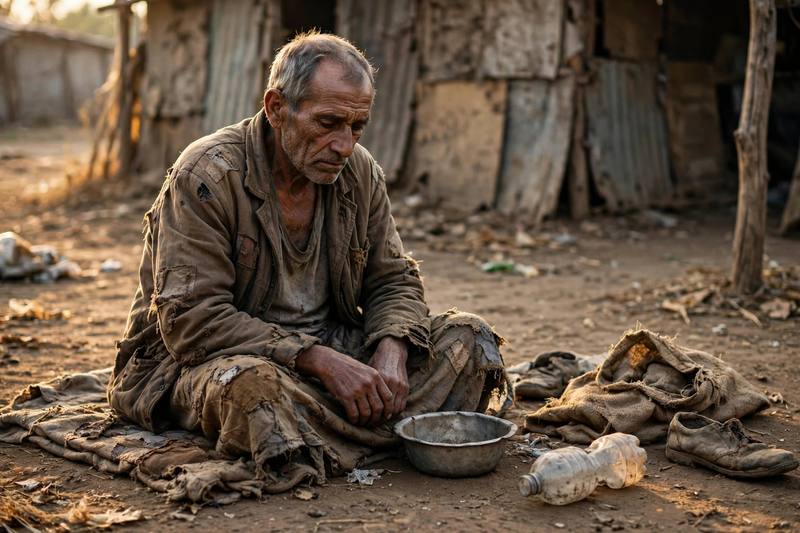
Should the debtor country pay its lenders, or feed its people? In the poorest villages, families lived in deep poverty. Deep poverty means an extreme lack of money and basic necessities, no clean water, no medicine, and often no food at night.
Deep poverty is not just being short of money for a week. Deep poverty means children leave school to work, and grandmothers skip meals so the young can eat. In our story, deep poverty touched one family in every three.
Yet this debtor nation did not surrender. Its new mayor, a former teacher named Amara, believed that a determined effort could change everything. A determined effort is a strong, persistent attempt to achieve a goal, and Amara demanded a determined effort from everyone, including herself.
Before we follow Amara, I want to pause, because learning words like these takes a determined effort too, and the right daily help makes that effort enjoyable.
Go ahead, Lena.
If you are building your English day by day, try the Muse English app, completely free. Every morning you receive new words with clear photos and real pronunciation, a podcast like this one, shadowing stories, quick quizzes, and grammar lessons that build step by step. You earn points, climb the leaderboard, and watch difficult words become familiar friends. Download it today and let a small determined effort change your English.
Thank you, Lena. Now, back to Amara. Her first step was honest accounting. She published every loan, every payment, and the full debt burden of the town, so nobody could hide the truth any longer.
That took courage. A debtor country often hides its numbers because leaders feel ashamed. But Amara said shame helps nobody. A debtor nation must face its debt burden openly before anyone will help it.
Her second step was to ask the lenders for debt relief. Debt relief is the partial or total cancellation of debts. When lenders agree to debt relief, part of the debt disappears, and the debtor country can finally breathe again.
Debt relief is not charity in a simple sense. Lenders grant debt relief because a country crushed by debt will never repay everything. A little debt relief today can save a debtor nation tomorrow, and protect trade for everyone.
Amara travelled to the capital with farmers, teachers, and nurses. She showed the lenders photographs of deep poverty, empty clinics, and broken wells. She said, our debt burden is not a number, it is these faces.
Did the lenders listen to a small town mayor speaking for a debtor country?
At first, no. They offered a tiny delay, not real debt relief. So Amara returned home and began a determined effort that lasted three years. Every village repaired its own well. Every school grew vegetables. Every shopkeeper kept honest books and paid with a debit card so every sale was recorded.
I love that detail. A simple debit card became a tool for trust. When sales are recorded by debit card, tax income rises, and a debtor nation can prove its economy is honest. My uncle runs a bakery, and his debit card machine changed his business completely.
Exactly. In Amara town, the debit card replaced cash boxes that leaked money. Soon the town could show clean records, and clean records are powerful when a debtor country asks for debt relief.
But tell me honestly, Maya, did a determined effort alone lift people out of deep poverty?
Not alone, and Amara never pretended otherwise. A determined effort opened the door, but debt relief walked through it. After three years, the lenders finally agreed to a serious debt relief programme for the whole debtor nation.
That must have been an emotional day. Debt relief for a debtor country means money for medicine instead of interest, books instead of bank charges. And for families in deep poverty, debt relief can mean the first full meal in months.
Amara cried when she signed the papers. She said, a debtor nation is not a lazy nation. Our people worked in deep poverty, with a heavy debt burden, and they never stopped their determined effort.
Those words belong in every newspaper. A debtor country deserves respect, not pity. And a debt burden, however heavy, does not measure the worth of a people.
Let us pause again, Lena, because our listeners are making their own determined effort right now by studying advanced English, and I want to remind them of a tool that rewards that effort every day.
Please do.
The Muse English app turns a determined effort into a daily habit you can keep. Open it free each morning for new words with photos and pronunciation, this podcast, shadowing stories that train your voice, friendly quizzes, and clear grammar lessons. Your points grow, your streak grows, and the leaderboard cheers you on. Install Muse English today and make tomorrow your strongest lesson yet.
Beautifully said. Now, Maya, what happened after the debt relief programme began?
The change was slow but real. The debt burden fell year by year. Clinics reopened. A debtor country that once begged for loans began lending seeds and tools to its neighbours. That is the quiet miracle after debt relief.
And deep poverty?
Deep poverty did not vanish in a year, but it retreated street by street. Children returned to school. A grandmother told Amara, I still pay with my debit card, I still keep my receipts, but now I buy fruit without fear.
I notice how often the debit card appears in real life. A debit card is small, but it teaches a big lesson: spend only what you have, record what you spend, and a debt burden will never surprise you in the night.
That is wise. For a person, a debit card can prevent a private debt burden. For a debtor nation, honest records can win debt relief. The same principle works at every scale.
Let me test our listeners, Maya. If a country owes money to other countries, is it a debtor country or a happy lender?
A debtor country, of course, and also a debtor nation. If lenders cancel part of what it owes, that is debt relief. If its people lack food, water, and medicine, they live in deep poverty. And the strong, persistent attempt to change all that is a determined effort.
Perfect. And one more test. Your debt burden is the total amount you owe. Paying by debit card means the money leaves your bank account at once. Listeners, say those sentences aloud after us later in the shadowing story.
Amara story ends with a lesson for every learner. She told her students, a debtor nation is not defined by its debt burden. It is defined by its determined effort. Deep poverty can be beaten, debt relief can be earned, and no debtor country is beyond hope.
I will remember that. A determined effort, repeated daily, beats a grand promise made once. That is true for a debtor country, and it is true for your English.
So here is our invitation. Pay for your coffee with a debit card, smile, and say today words in English. Think about a debtor nation with respect. Understand debt relief, fear no debt burden, and bring a determined effort to your next lesson.
One final thought before we close. Stories like Amara's stay with us because they connect a simple debit card in a village shop to the great questions of a debtor nation, and they remind every listener that honest numbers, kind lenders, and patient daily work can slowly lift a whole community out of deep poverty and fear.
Thank you for listening, everyone. Keep your determined effort alive, practise these seven words aloud, and join us tomorrow for another Muse English story.
Goodbye for now, and remember, small steps every day build a future free from deep poverty of words.
🎙 تمرین شدوئینگ نمونهٔ رایگان
گوش کنید و همزمان با صدا بلند تکرار کنید. تمرین کامل شدوئینگ در اپ است: هر جمله را تکرار میکنید و میبینید اپ چند کلمه از آن را تشخیص داده است.
Amara paid for the village books with her debit card.
The heavy debt burden slowed every plan in the debtor country.
The lenders finally offered debt relief to the tired debtor nation.
صحبت کردن را تمرین کنید
در اپ Muse English همهٔ جملهها را شدوئینگ کنید. اپ گوش میدهد و نشان میدهد چند کلمه از جملهتان را تشخیص داده است.
📝گرامر: Passive Reporting Structures (It is said that..., He is thought to...)
In news and formal writing, we often report what people in general say, think or believe without saying who. Instead of naming the speaker, we use It is said that with a full clause, as when a debtor nation is reported to need debt relief.
The first pattern is It + passive + that: It is believed that, It is expected that, It is known that. Common reporting verbs include say, think, believe, report, expect, consider, claim and estimate.
The second pattern is Subject + passive + to-infinitive: a person or thing is said to be,
این گرامر را در اپ کامل یاد بگیرید
توضیح کاملتر، مثالهای بیشتر و تمرین تعاملی.
راهنمای کامل و تمرینها: Passive Reporting Structures (It is said that..., He is thought to...) ←
هر روز ادامه بدهید
هر روز درس، پادکست و آزمون تازه؛ رایگان در اپ Muse English.