
📖 Muse English چیست؟
Muse English یک اپلیکیشن رایگان آموزش زبان انگلیسی است، با درس روزانه برای هر شش سطح، از A1 (مبتدی) تا C2 (تسلط کامل). هر روز لغتهای تازه با معنی فارسی، یک پادکست واقعی، تمرین شدوئینگ، گرامر و آزمون دارید. دربارهٔ اپ
📚 لغتها
۱۰ لغت تازه لغتهای تازه با معنی فارسی، مثال واقعی و تلفظ.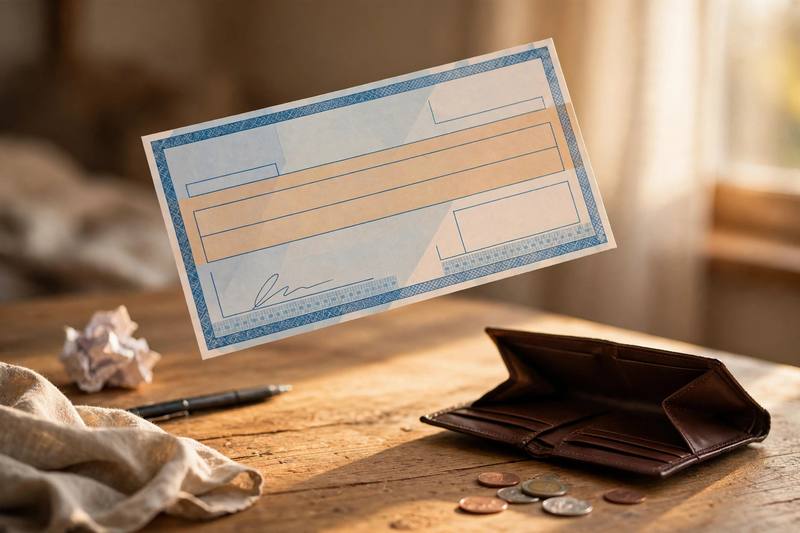

پادکست: روز مرور
گفتوگوی امروز را گوش کنید.
📝 متن پادکست
Welcome to Muse English! I am Maya, and I am here with Lena. Today is review day, so we are not teaching any new words. Instead, we are going back over the words from the last three days, and we are going to use them in three little stories.
That is right. We have ten words to review today. Listen for them as we talk. The words are bounce, genetically modified food, extraterrestrial being, capital asset, flat-screen TV, contactless, charge to a credit card, gene therapy, bidder, and cover. Ten words, three stories, and one big review.
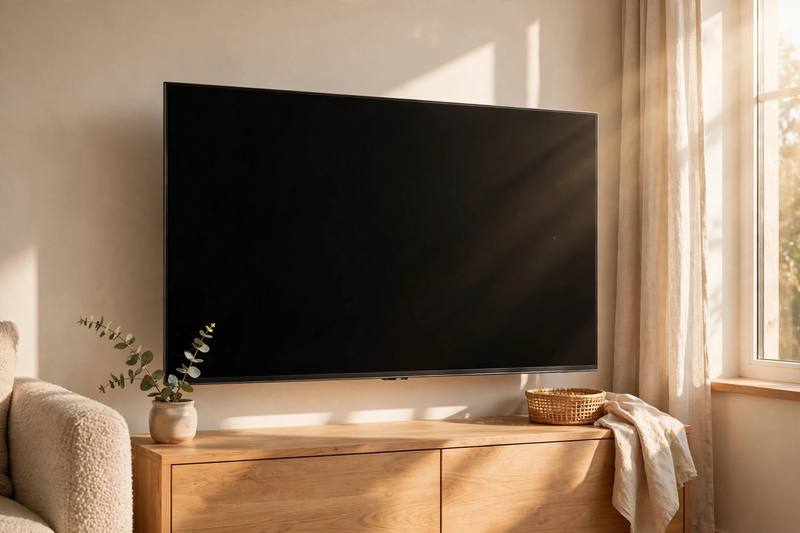
Let us start with the first story, and it begins on Friday night. My cousin Alex invited me to his flat for a film night. He had just bought a huge new flat-screen TV, and he wanted to show it off. The picture was so clear that it felt like we were inside the film.
A new flat-screen TV is always exciting. What did you watch on this wonderful flat-screen TV?
We watched a documentary about the search for an extraterrestrial being. Scientists use giant telescopes to listen for signals from space, and they hope that one day they will find an extraterrestrial being, a form of intelligent life from another planet. The film was beautiful, and the flat-screen TV made the stars look so real.
Before our second story, a quick word about the Muse English app. Every day you get new words with photos and clear pronunciation, this podcast, shadowing stories to practise speaking, quizzes, grammar lessons, and points on the leaderboard. It is free, so download it today and make English part of your daily routine, even for just a few minutes a day.
I love that idea. Do you think we will ever meet an extraterrestrial being? Or do you think an extraterrestrial being is only something from films?
I think it is possible. The universe is enormous, and scientists say we cannot foresee everything. We could not foresee the internet fifty years ago, and we cannot foresee what we will discover next. Maybe one day we will find an extraterrestrial being, or maybe we will find only tiny microbes. Either way, the search is exciting.
Speaking of science, Alex works in a hospital, does he not? Does he work with gene therapy?
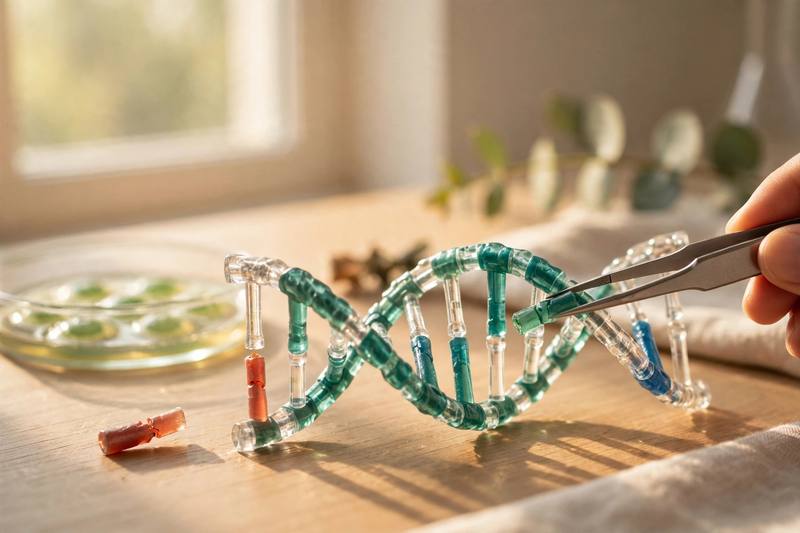
He does not work with gene therapy himself, but his best friend is a researcher in gene therapy. Gene therapy treats disease by replacing faulty genes, and it offers hope to people with genetic conditions. His friend told me that gene therapy is one of the most hopeful areas of medicine today.
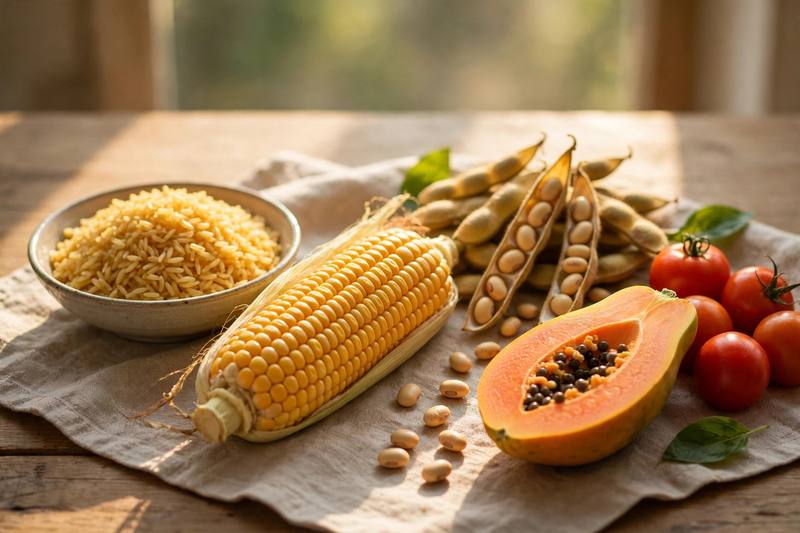
That is wonderful. And what about genetically modified food? People argue about genetically modified food all the time. Some people say genetically modified food can feed more people, and other people worry about it.
Exactly. Genetically modified food comes from organisms with altered genetic material, and genetic modification is the science behind it. Genetic modification can make crops grow in dry places, but some people want more research first. Alex and I talked about it for an hour, and we still did not agree.
And after the film, did you play anything on his games console? Alex has a games console, does he not?
He does, and we played on his games console for an hour after the film. It was fun, but my eyes were tired from the flat-screen TV, so we stopped early and made tea instead.
Our second story is about money, and it begins with my friend Tom. Tom loves auctions. Last Saturday he went to a charity auction, and he became a bidder. A bidder is a person who offers a price for something, and Tom was the highest bidder for a beautiful old painting.
Tom was the highest bidder? That sounds expensive. How did he pay for it? Did he pay with a contactless card?
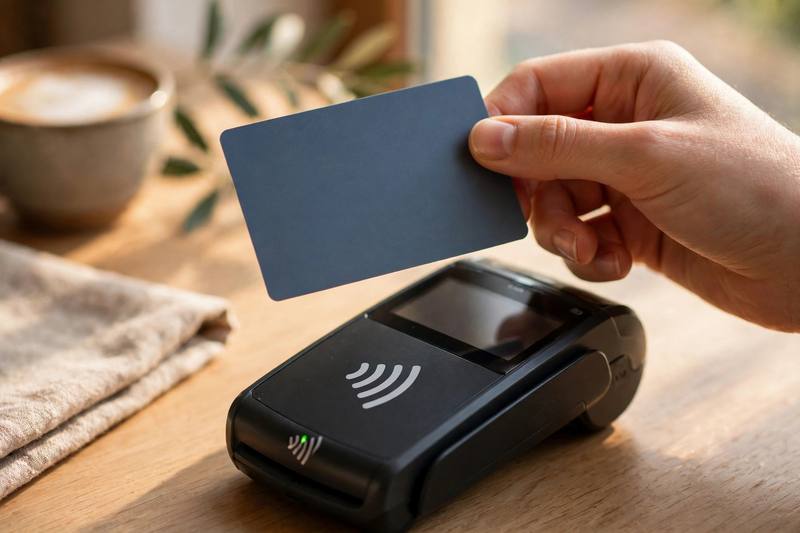
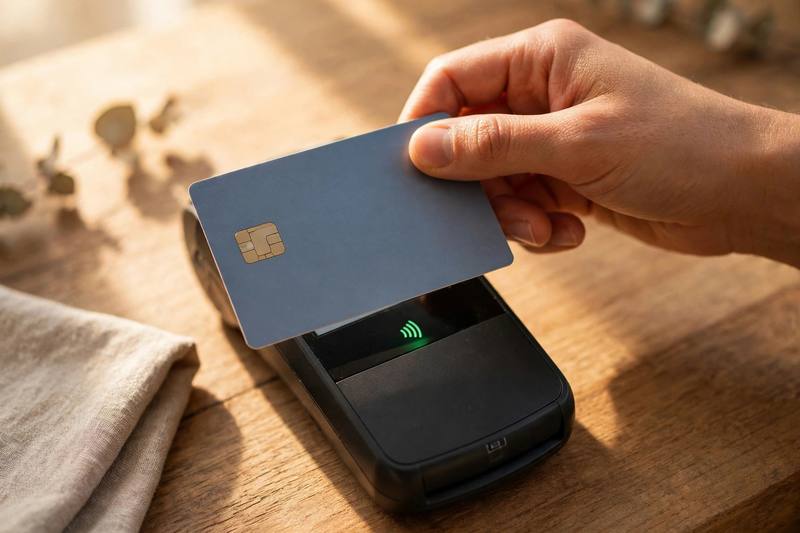
He wanted to pay with his contactless card, because contactless payment is fast and easy. You just tap the card, and the payment is done. But the painting cost more than his contactless limit, so the gallery asked him to pay by cheque. And then, disaster: his cheque bounced. When a cheque bounces, the bank returns it unpaid because there is not enough money in the account.
Oh no. His cheque bounced? That must have been embarrassing. Why did his cheque bounce? Was Tom broke?
He was almost broke. He had spent too much money that month, and he was completely broke by the end of the week. He told me he was broke, and he felt terrible. He called the bank, and the bank was kind. They agreed to cancel debt on a small old loan, which means they officially stopped asking him to repay that money. To cancel debt is a big decision for a bank, but they wanted to help him.
That is good news. And what about the painting? Did he manage to charge it to a credit card in the end?
And here is a quick reminder about the Muse English app, because review days work best with daily practice. Every day you get new words with photos and clear pronunciation, this podcast, shadowing stories, quizzes, grammar lessons, and points on the leaderboard. It is free, so download it today and keep your English growing, one day at a time.
Yes. The gallery let him charge the painting to a credit card. When you charge something to a credit card, you pay for it with the card, and the money comes from the bank. Tom decided to charge it to a credit card and pay it back slowly over three months. He said he could charge it to a credit card safely because his new job paid well.
And could his new salary cover the cost? Remember, to cover something means to provide enough money to pay for it. Could his salary cover the monthly payments?
It could. His salary could cover the payments easily, and his savings could cover the rest if he needed help. He checked his budget twice, and he was sure his income could cover everything. He was lucky, because his country is slowly coming out of recession. When a country comes out of recession, it recovers from a period of economic decline, and more people find work. Tom found his job just as the economy started to come out of recession.
Our third story is about work, and it begins with Sara, a friend of mine who just got a new job. Her new company offered her a wonderful benefits package. A benefits package is the extra compensation a company gives you besides your salary, like health insurance and paid holidays. Sara said the benefits package was one reason she accepted the job.
A good benefits package makes a real difference. Did she also get a bonus?
She did. She gets a yearly bonus when her team reaches its goals. A bonus is extra money for good performance, and Sara loves the idea of a bonus. She told me her bonus could pay for a holiday, and she is already planning it.
What does Sara do in her new job?
She sells software to hotels, and she has to understand brand loyalty. Brand loyalty is when customers keep buying the same brand again and again because they trust it. Sara says strong brand loyalty protects a company when prices go up, and she is learning how to build brand loyalty with her clients.
And how is she doing in the job? Is she nervous in meetings?
A little, but she is working on her body language. Body language is how you communicate without words, through your posture, your gestures, and your face. Sara practises standing tall, and her body language is becoming calm and confident. Her manager told her that good body language can boost your confidence, and when you boost your confidence, you speak more clearly too.
That is so true. When a course or a small success helps you boost your confidence, everything feels easier. And Sara's company is interesting too. They just bought a new office building, and the building is a capital asset. A capital asset is a valuable long-term asset, like property or equipment. The building is the biggest capital asset the company owns.
A capital asset is a useful phrase for business English. Did Sara say anything else about the capital asset?
She said the company bought the building because it is a capital asset that will help them for many years. They can rent out part of it, and the rent will cover the costs. It is a smart investment, and it shows the company is growing.
Now, a quick recap of our ten review words. Bounce: when a cheque bounces, the bank returns it unpaid. Genetically modified food: food from organisms with altered genetic material. Extraterrestrial being: a hypothetical intelligent life form from another planet. Capital asset: a valuable long-term asset, like property or equipment. Flat-screen TV: a television with a thin, flat display screen. Contactless: payment without physical contact with a reader. Charge to a credit card: to pay for something using a credit card. Gene therapy: treating disease by replacing faulty genes. Bidder: a person who offers a price for something. And cover: to provide enough money to pay for something.
That is our review day. Three stories, ten words, and no new vocabulary. Listen again, repeat the words out loud, and try the quiz in the app. We will see you tomorrow with new words. Goodbye from Maya.
And goodbye from Lena. Keep practising, and keep listening to Muse English.
🎙 تمرین شدوئینگ نمونهٔ رایگان
گوش کنید و همزمان با صدا بلند تکرار کنید. تمرین کامل شدوئینگ در اپ است: هر جمله را تکرار میکنید و میبینید اپ چند کلمه از آن را تشخیص داده است.
Tom loves auctions, and last Saturday he went to a charity auction in his town.
Tom became a bidder at the auction, and he was the highest bidder for a beautiful old painting.
Every bidder at the auction wanted the painting, but Tom was the bravest bidder of all.
صحبت کردن را تمرین کنید
در اپ Muse English همهٔ جملهها را شدوئینگ کنید. اپ گوش میدهد و نشان میدهد چند کلمه از جملهتان را تشخیص داده است.
📝گرامر: Inversion After Negative Adverbials
When a sentence starts with a negative or limiting word, such as never, rarely, hardly, not only or only when, we use question word order — auxiliary verb before the subject. *Never have I seen such a beautiful view.*
This is called inversion. It is formal and emphatic, and it is common in writing, speeches and storytelling. It makes a sentence sound stronger and more dramatic.
If there is no auxiliary verb, add do, does or did. We rarely see talent like this becomes Rarely do we see talent like this. With be, just put be first: **N
این گرامر را در اپ کامل یاد بگیرید
توضیح کاملتر، مثالهای بیشتر و تمرین تعاملی.
راهنمای کامل و تمرینها: Inversion After Negative Adverbials ←
هر روز ادامه بدهید
هر روز درس، پادکست و آزمون تازه؛ رایگان در اپ Muse English.