
📖 Muse English چیست؟
Muse English یک اپلیکیشن رایگان آموزش زبان انگلیسی است، با درس روزانه برای هر شش سطح، از A1 (مبتدی) تا C2 (تسلط کامل). هر روز لغتهای تازه با معنی فارسی، یک پادکست واقعی، تمرین شدوئینگ، گرامر و آزمون دارید. دربارهٔ اپ
📚 لغتها
۷ لغت تازه لغتهای تازه با معنی فارسی، مثال واقعی و تلفظ.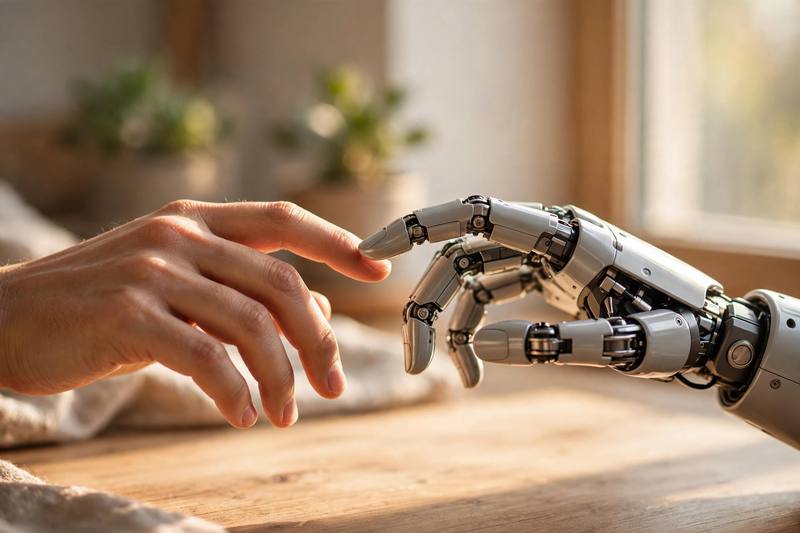


پادکست: فناوری
گفتوگوی امروز را گوش کنید.
📝 متن پادکست
Welcome to Muse English! I'm Maya.
And I'm Lena. Today we're diving into seven technology words you see in the news almost every single day, words like AI, Bluetooth, and cloning.
And by the end of this episode, you'll not only know what they mean, you'll be able to use them confidently in real conversation.
Let's start with the biggest one. AI. The letters A I stand for artificial intelligence, and AI is one of those words that changed the world quietly, then all at once.
Exactly. AI is not a robot with red eyes like in the movies. AI is a computer system that can do tasks that normally need human intelligence. Recognizing your face in a photo, translating a sentence, predicting the weather, that is all AI.
And here's something I find amazing. AI is learning faster than any human student ever could. One AI model can read millions of books in a single day.
True. And AI is already part of your daily routine, even if you never notice it. When your phone suggests the next word in your message, that is AI at work.
So the next time someone says AI is going to change everything, remember, AI is already changing almost everything you touch. Your search results, your music recommendations, even the traffic lights on your street.
Speaking of how fast AI is spreading, let me tell you about the Muse English app. Every day it gives you words with photos and pronunciation, this podcast, shadowing stories, quizzes, grammar lessons, and a leaderboard where you earn points for learning. Install it free and make English a daily habit, one short lesson at a time. It costs nothing, it fits in your pocket, and your streak can start today.
That sounds like something our listeners will love. Now let's go back in time a little, to a word that sounds old but is still alive. The word is analogue.
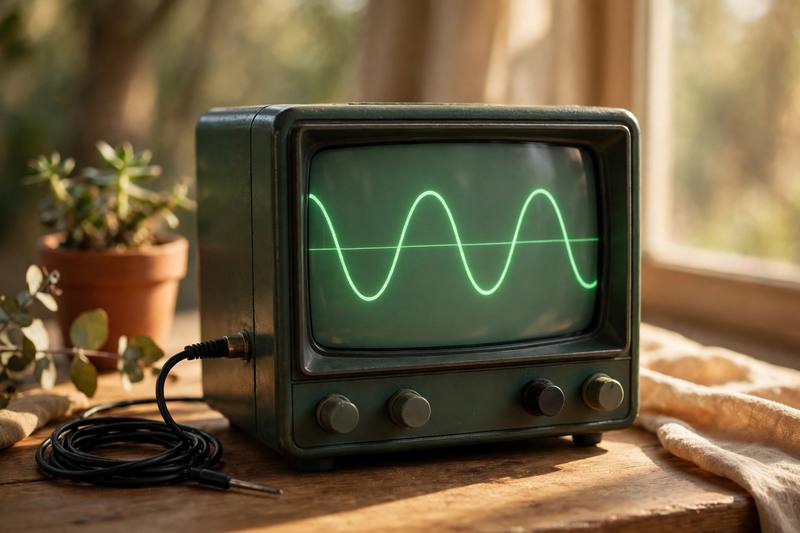
Analogue. A N A L O G U E. It describes a signal or data that is continuous, smooth, never broken into steps.
Right. An analogue watch has hands that move smoothly around the face. An analogue sound, like a vinyl record, is a smooth wave, while digital sound is chopped into tiny pieces.
And musicians will tell you that analogue equipment has a warm feeling that digital copies still cannot fully match. Many studios still keep analogue gear because they love that sound.
Even now, some photographers prefer analogue cameras. An analogue photo has no pixels, no files, just light captured on film. That is why the word analogue keeps showing up in creative circles.
Here is a funny thought. In a world full of apps, the most analogue object on your desk might be the desktop itself, the old-fashioned computer sitting on your desk.
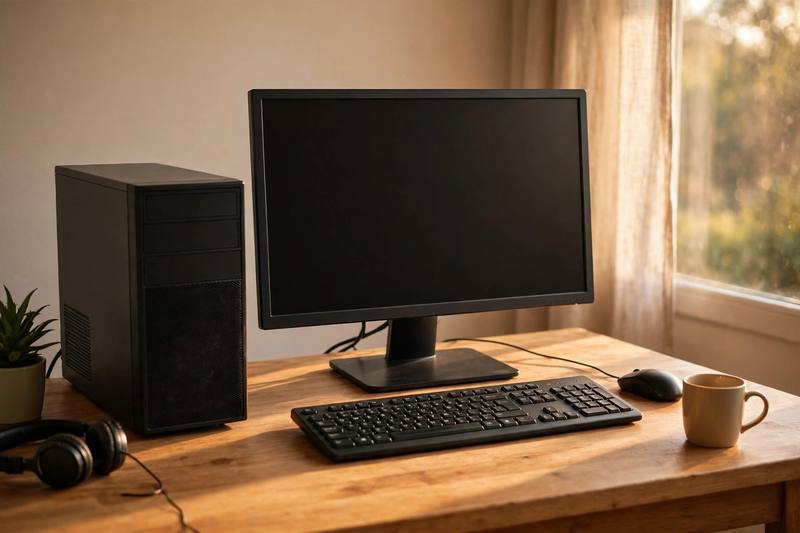
A desktop! A desktop is a computer designed to sit on a desk. Not a laptop, not a tablet, a proper desktop with a big screen and a keyboard.
My first computer was a desktop. It was heavy, it made noise, and it taught me everything. Today many people work on laptops, but a desktop still gives you the most power for the money.
That's a great point. A desktop is often the best choice for video editing or gaming, because a desktop can hold a powerful processor and a big cooling system.
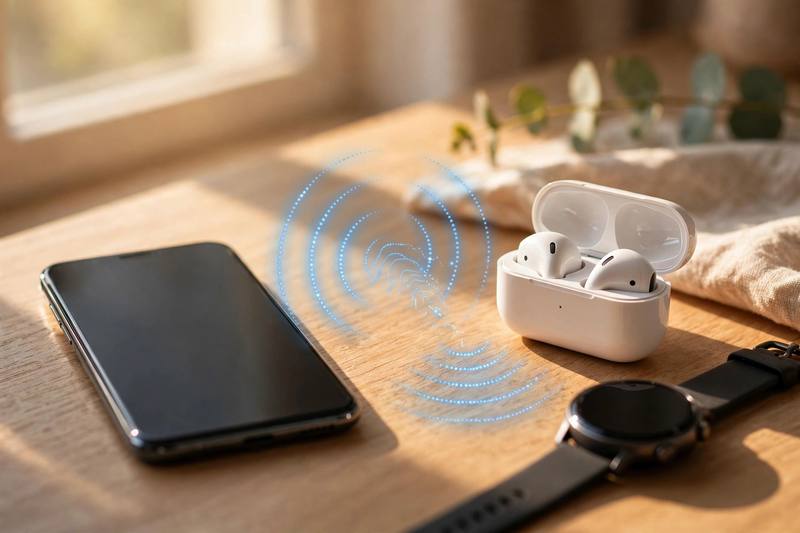
And listen to this connection. Even on a modern desktop, you might use Bluetooth every day without thinking about it. Bluetooth is the wireless technology that connects devices over a short distance.
Exactly. Your headphones, your keyboard, your mouse, they probably all talk to your computer through Bluetooth. My phone connects to my car through Bluetooth every morning.
Bluetooth works over a short range, usually around ten meters. But that short range is enough for Bluetooth to move music from your phone to your speaker with no wires at all.
I remember when Bluetooth was new and people thought it was magic. Now Bluetooth is so normal that we forget it exists. That is the fate of great technology, I suppose.
It really is. Here is a question for our listeners. Which do you prefer, analogue or digital? Send us your answer in your head, and think of a sentence with the word analogue.
I will answer first. I prefer digital for work, because digital files are easy to search, but I love analogue for music. There is something about an analogue groove that feels alive.
Same here. And what about the desktop? When did you last sit at a real desktop computer? Many of us do everything on phones now, but a desktop still wins when you need real power.
My father still uses the same desktop he bought eight years ago. He says the desktop is like an old friend. It never complains, it just works.
Eight years is a good life for any computer. Now, before we leave the world of gadgets behind, let me remind you about the Muse English app. You are learning these words right now, but in the app you can review them with photos, pronunciation, shadowing stories, grammar lessons, and quizzes that keep track of your points. It is free to install, and it turns ten quiet minutes a day into real progress.
Ten minutes a day is all it takes. Now, Maya, let's shift to the science side of technology. Our next word is biotechnology.
Biotechnology. It is the use of living organisms to develop new products or processes. It sounds complicated, but biotechnology touches your life already.
For example, the medicine that doctors prescribe for diabetes is often made with biotechnology. Farmers also use biotechnology to grow crops that survive in dry climates.
And biotechnology is still young. Researchers say biotechnology will change medicine more in the next twenty years than anything we have seen before.
It is not just medicine. Some companies use biotechnology to make cleaner fuel from plants. Others use biotechnology to create materials that replace plastic.
Our listeners should know that biotechnology is one of the fastest growing fields for new jobs. If you study biology and technology together, biotechnology could be your future career.
And biotechnology connects directly to our next word, which is cloning. Cloning is the process of creating an exact genetic copy of a living organism.
Scientists first proved cloning was possible when they created Dolly the sheep. After that, cloning became one of the most debated topics in science.
Today cloning is used to save endangered animals. Researchers use cloning to produce a genetic copy of an animal that is almost extinct, and that is a hopeful use of cloning.
But cloning also raises deep questions. If cloning can copy an animal, should cloning ever be used on people? Most scientists agree that human cloning must remain illegal.
The debate about cloning shows how fast technology moves. Every new cloning experiment forces society to ask, just because we can do something, should we?
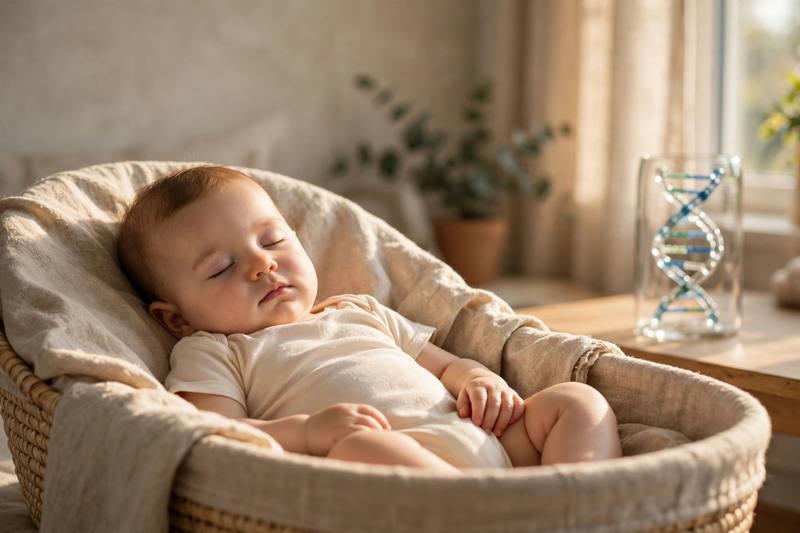
And that question leads perfectly to our last word, designer baby. A designer baby is a baby whose genetic makeup has been chosen by the parents.
Imagine parents visiting a clinic and selecting traits for their child. That is the idea behind the phrase designer baby, and it worries a lot of people.
Some experts say a designer baby could be free from terrible diseases. But others fear that the designer baby idea could create unfair advantages for rich families.
The ethics of the designer baby are discussed in every serious newspaper. Is a designer baby a medical miracle, or a dangerous step too far?
What is clear is that the designer baby debate is not science fiction anymore. Technology keeps moving, and society must keep talking about the designer baby question honestly.
Let's make these words stick. Maya, give me one quick sentence for each word, and I'll try to follow you.
Deal. One, AI helps doctors read medical scans faster than humans.
Two, an analogue record player sounds warmer than a digital stream.
Three, my Bluetooth speaker connects to my phone in two seconds.
Four, a powerful desktop is still the best machine for editing video.
Five, biotechnology can grow clean fuel from ordinary plants.
Six, cloning an endangered animal could save it from extinction.
Seven, the designer baby debate will shape laws for years to come.
Not bad for a first round. Now a harder game. Use two words in one sentence. I'll go first. My new desktop uses AI to finish my sentences while I type.
Nice. Here's mine. The old analogue tape player sits next to my modern desktop, and they look like two different centuries.
Great image. Biotechnology and cloning both ask us how far science should go.
And a designer baby is a perfect example of a question that biotechnology raises, while AI raises questions about our jobs.
One more round. Bluetooth made wires disappear, and now I cannot find my Bluetooth headphones because they are so small.
That is the most modern problem I have ever heard. And here is one more thought. People love analogue hobbies, like film photography, because analogue things slow us down.
Exactly. So we have AI, analogue, biotechnology, Bluetooth, cloning, designer baby, and desktop. Say each one out loud now, wherever you are listening. It helps your memory.
Pause the episode if you need to. Repeat them slowly. AI. Analogue. Biotechnology. Bluetooth. Cloning. Designer baby. Desktop.
Beautiful. Your pronunciation is already improving.
Let's pull it all together. AI is reshaping how we work. Analogue reminds us that smooth, continuous signals still have value. Bluetooth keeps our devices connected. The desktop still rules for heavy work.
Biotechnology is healing people and feeding the planet. Cloning forces us to think about the limits of science. And the designer baby debate shows that technology is never just about machines, it is about values.
Seven words, seven windows into our future. Try using them this week. Say AI at work, mention Bluetooth at home, ask a friend what they think about cloning.
Great job listening today. Come back tomorrow for more words, and remember, the Muse English app is waiting with today's words, photos, pronunciation, and quizzes. See you next time.
Bye for now.
🎙 تمرین شدوئینگ نمونهٔ رایگان
گوش کنید و همزمان با صدا بلند تکرار کنید. تمرین کامل شدوئینگ در اپ است: هر جمله را تکرار میکنید و میبینید اپ چند کلمه از آن را تشخیص داده است.
Technology Every Day
My new desktop is faster than my old laptop.
I use my desktop for work every morning.
صحبت کردن را تمرین کنید
در اپ Muse English همهٔ جملهها را شدوئینگ کنید. اپ گوش میدهد و نشان میدهد چند کلمه از جملهتان را تشخیص داده است.
📝گرامر: Causative: Have/Get Something Done
We use have something done when we arrange for another person to do something for us, usually a service. *I had my hair cut yesterday* — a hairdresser did the cutting, not me.
Get something done means the same and is more informal. *I need to get my car fixed.* If your Bluetooth speaker dies, you might get your Bluetooth speaker repaired instead of fixing it yourself.
Word order matters: the object comes before the past participle. *I had my hair cut* means someone cut it for me. *I had cut my hair* is past perfect — it means I did it myself.
We also use **have s
این گرامر را در اپ کامل یاد بگیرید
توضیح کاملتر، مثالهای بیشتر و تمرین تعاملی.
راهنمای کامل و تمرینها: Causative: Have/Get Something Done ←
هر روز ادامه بدهید
هر روز درس، پادکست و آزمون تازه؛ رایگان در اپ Muse English.