

📖 Muse English چیست؟
Muse English یک اپلیکیشن رایگان آموزش زبان انگلیسی است، با درس روزانه برای هر شش سطح، از A1 (مبتدی) تا C2 (تسلط کامل). هر روز لغتهای تازه با معنی فارسی، یک پادکست واقعی، تمرین شدوئینگ، گرامر و آزمون دارید. دربارهٔ اپ
📚 لغتها
۱۰ لغت تازه لغتهای تازه با معنی فارسی، مثال واقعی و تلفظ.








پادکست: روز مرور
گفتوگوی امروز را گوش کنید.
📝 متن پادکست
Welcome to Muse English! I'm Maya.
And I'm Lena. Hello, everyone! Today is review day, so we are going to look back at all the words we learned over the last three days, and use them again in real conversation.
That's right. No new words today. Just a good, strong review. We learned words about nature, about character and feelings, and about travel. Let's start with travel, because Lena just came back from a trip to the coast.
Oh, yes! I spent the weekend at the coast, and it was beautiful, but also a little bit dramatic. The weather was boiling hot, really boiling, and the whole crew at the hotel was working so hard in the heat.
Boiling hot at the coast? That sounds wonderful and tiring at the same time. Did you complain about anything, or was everything perfect?
I almost had to complain! On the first night, the air conditioning in my room did not work, and the room felt boiling. I went down to the desk, and I tried to be assertive about it. I said, very politely, that I needed a working air conditioner, and I did not want to complain again the next day.
That is a great attitude. Being assertive is not the same as being rude. You can be assertive and kind at the same time.
Exactly. The woman at the desk had a wonderful attitude too. She listened, she smiled, and she moved me to a cooler room right away. The crew there was fantastic. The whole crew seemed happy to help, and nobody made me feel bad for speaking up.
My room even had a little bunk bed in the corner, which made me smile.
Before we go on, a quick word about the Muse English app. Every day you get new words with photos and clear pronunciation, this podcast, shadowing stories you can practise out loud, quizzes, grammar lessons, and a leaderboard where you can earn points. It is free to install, and it makes learning English a daily habit you actually enjoy. Give it a try today!
I love that. Now, back to the coast. What else did you see?
I love that. A good crew can save a whole trip. What else did you do at the coast?
We visited an old castle on a hill above the coast. It was huge and beautiful, and the view of the sea was amazing. But the castle tour was so crowded that one man started to complain loudly about the waiting time. He was not assertive at all. He was just angry, and his attitude made everyone around him uncomfortable.
Oh no. Some people complain about everything. Did anyone say anything to him?
A guide did, very calmly. She was assertive, but gentle. She said, "I understand you are unhappy, and I will help you, but please speak kindly to the crew." That was a perfect example of an assertive attitude. She did not shout, she did not argue, she just stated the facts.
That is such a good lesson. You know, some words from this week really fit that story. The man was argumentative, always ready to argue. And honestly, he sounded a bit arrogant, as if his time mattered more than everyone else's time.
Yes! Arrogant is the right word. He believed he was more important than the rest of us. But the guide stayed calm. Her attitude stayed warm and professional, and in the end, even the angry man relaxed.
And what about the hotel business? Was it a big business, a chain, or a small family place?
It was a small family business, and I think that is why the crew cared so much. The owner told me that a storm last year had caused some damage to the roof, and the whole crew worked for weeks to repair the damage. They did not want the damage to hurt the business, so they fixed everything before the summer season.
And now, let's move from the coast to nature, because our first day of words this week was all about trees and plants.
Yes! Let's talk about a walk in the park. Imagine a big old tree, with one thick bough hanging low over the path. A bough is a large branch of a tree, and this bough was so heavy with leaves that it almost touched the ground.
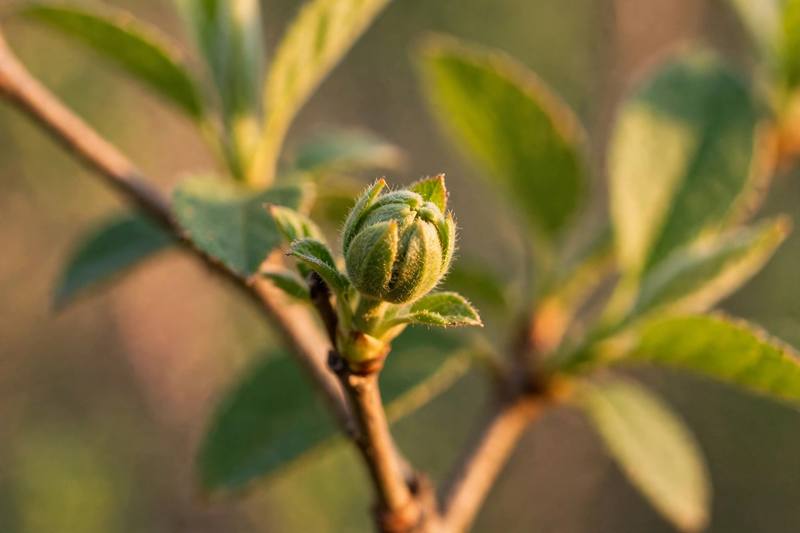
And on that bough, there were tiny buds everywhere. A bud is a small new part of a plant, and in spring, every bud opens into a flower or a leaf. I love watching a bud open. It feels like the tree is waking up.
Me too. And when the whole tree starts to blossom, when it produces flowers, the park looks magical. The blossom on those trees was pink and white, and the air smelled sweet.
That reminds me of something, Maya. What helps you remember all these words?
The Muse English app gives you daily words with photos and clear pronunciation, this podcast, shadowing stories to practise speaking, quizzes to test yourself, grammar lessons that build step by step, and a leaderboard with points to keep you motivated. It is free, and it turns five quiet minutes a day into real progress. Download it and start your streak today!
One branch of the tree reached right over the bench where I was sitting. A branch is a part of a larger subject, but it is also a part of a tree, of course. I sat under that branch and read my book, and a bird built a nest there. Birds breed in spring, and this bird was busy bringing food to its babies in the nest on the bough.
So the birds breed in spring, and their babies grow up in the nest on that thick bough.
Exactly. But then, suddenly, a fire broke out in a bin near the park entrance. To break out means to start suddenly, like a fire or a disease. A fire can break out very fast, and so can a cold in winter. Luckily, someone called for help, and the crew from the park arrived quickly.
A fire can break out so fast. That is scary. Was anyone hurt?
No, nobody was hurt. The crew put the fire out in minutes, and the damage was very small. Just one bin and a little bit of grass. No real damage to the trees, which was a relief.
Good. And the day was boiling hot, was it not? The sun was boiling down on the park, and I remember you said you had to sit in the shade of that big bough because the heat was boiling.
Yes, it was boiling! I drank three bottles of water. And you know what? A little bud I planted at home finally opened that same day. Every bud in my garden seems to open when the weather gets warm.
Nature words are so lovely. Now, let's talk about character and feelings, because day two gave us some strong words about people.
Right. We learned assertive, attitude, appal, argumentative, arrogant, and anorexic. Let's start with appal. To appal means to shock or horrify someone greatly. Bad news can appal you. Cruelty can appal you.
Yes, it can appal anyone with a kind heart. For example, it would appal me to hear that someone was rude to a waiter. That kind of behaviour appals me, honestly.
I agree. And attitude is such an important word. Your attitude is your way of thinking or feeling about something. A positive attitude can change a whole day. A negative attitude can spoil it.
And being assertive is part of a healthy attitude. An assertive person expresses opinions strongly and confidently, but with respect. An assertive speaker does not shout, and an assertive listener does not give in to everything. It is a balance.
I try to be assertive at work. Last week, I told my manager, in an assertive way, that I needed more time for a project. I did not complain, I just explained my reasons calmly. My attitude was open and honest, and she agreed.
That is perfect. Now, what about argumentative and arrogant? An argumentative person often likes to argue or disagree with people. An arrogant person believes they are better or more important than others.
The man at the castle was both, was he not? Argumentative and arrogant. He wanted to argue with the guide, and he acted as if he were more important than the rest of the group.
Yes, and the guide's calm, assertive attitude was the opposite of arrogant. She was confident, but never arrogant. There is a big difference between confident and arrogant.
There is. And what about anorexic? That is a serious word. It describes someone suffering from an eating disorder that causes extreme weight loss. It is not a word to use lightly, and it reminds us to be kind about how we talk about bodies and food.
Very true. And appeal to is a lovely phrase. If something appeals to you, it is attractive or interesting to you. The coast appeals to me. Quiet mornings with a book appeal to me. What appeals to you, Maya?
Long walks appeal to me, and so does cooking a good meal. What appeals to you most about this week, Lena?
Yes! Your challenge today is to use five of these review words in your own sentences. Write them down, say them out loud, and try to use them tomorrow.
And remember, review days are not a break from learning. They are how words move from short-term memory into long-term memory. Every time you use a word like assertive, attitude, or appal in a real sentence, it stays with you a little longer.
Thank you for joining us for this review day on Muse English. Keep practising, keep listening, and we will see you tomorrow with brand new words.
Goodbye, everyone, and happy learning!
🎙 تمرین شدوئینگ نمونهٔ رایگان
گوش کنید و همزمان با صدا بلند تکرار کنید. تمرین کامل شدوئینگ در اپ است: هر جمله را تکرار میکنید و میبینید اپ چند کلمه از آن را تشخیص داده است.
Sara woke up early on a hot morning by the coast.
The sun was already boiling hot, and the sea shone bright blue along the coast.
Sara did not want to complain about the heat, so she smiled and packed her bag.
صحبت کردن را تمرین کنید
در اپ Muse English همهٔ جملهها را شدوئینگ کنید. اپ گوش میدهد و نشان میدهد چند کلمه از جملهتان را تشخیص داده است.
📝گرامر: Modals of Deduction in the Past (must have, can't have)
To guess about the past, use modal + have + past participle. The ground is wet. It must have rained last night.
Must have means you are almost sure it happened. Can't have means you are almost sure it did NOT happen.
Might have, may have, and could have mean it is possible that it happened. Might not have and may not have mean it is possible that it did not happen.
For an action in progress, use modal + have been + -ing. She must have been sleeping when you called.
Always use the past participle after have. Write have, never of, and n
این گرامر را در اپ کامل یاد بگیرید
توضیح کاملتر، مثالهای بیشتر و تمرین تعاملی.
راهنمای کامل و تمرینها: Modals of Deduction in the Past (must have, can't have) ←
هر روز ادامه بدهید
هر روز درس، پادکست و آزمون تازه؛ رایگان در اپ Muse English.