
📖 Muse English چیست؟
Muse English یک اپلیکیشن رایگان آموزش زبان انگلیسی است، با درس روزانه برای هر شش سطح، از A1 (مبتدی) تا C2 (تسلط کامل). هر روز لغتهای تازه با معنی فارسی، یک پادکست واقعی، تمرین شدوئینگ، گرامر و آزمون دارید. دربارهٔ اپ
📚 لغتها
۷ لغت تازه لغتهای تازه با معنی فارسی، مثال واقعی و تلفظ.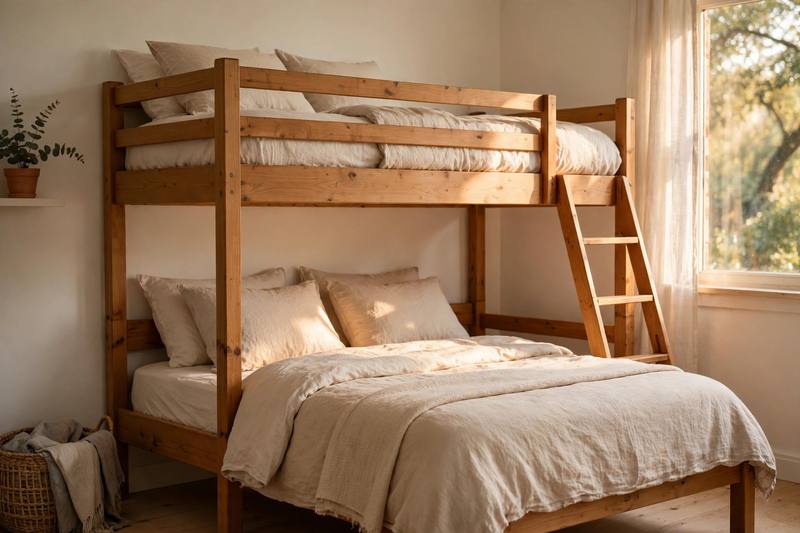


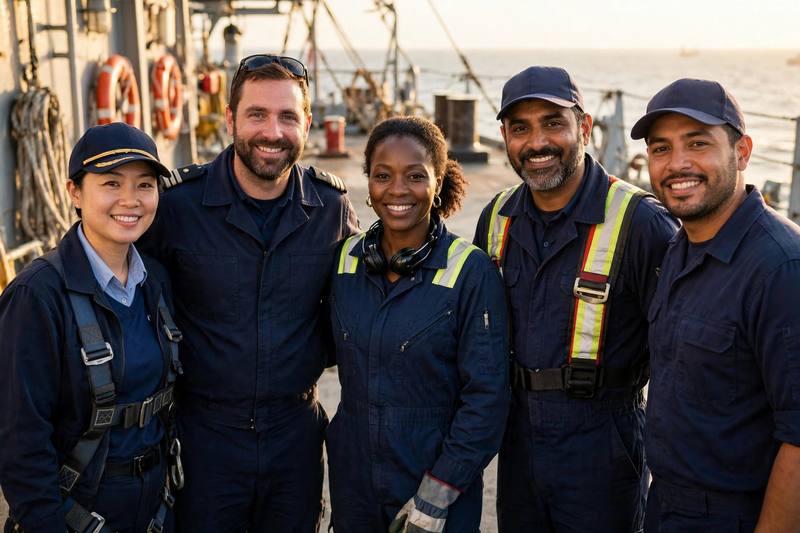

پادکست: سفر و حملونقل
گفتوگوی امروز را گوش کنید.
📝 متن پادکست
Welcome to Muse English! I am Maya, and I am here with Lena. Today we are talking about travel, and I have a story for you about a trip that had a little bit of everything, a castle, the coast, a small family business, and one very tired traveller.
I love a good travel story, Maya. And today we have seven useful words for you, so listen for them as we talk. The words are bunk bed, business, castle, coast, complain, crew, and damage.
Let us start at the beginning. Last summer, my cousin Sara decided to travel along the coast of Portugal. She wanted to see the sea, visit an old castle, and stay somewhere cheap and friendly.
That sounds like a perfect plan. Where did she stay? A hotel?
No, she stayed in a small hostel near the coast. Her room had a bunk bed, and she slept on the top bunk. She said the bunk bed was comfortable, and the view from the window was amazing.
A bunk bed on the top? I would be scared to fall off in the night! But I love hostels. You meet so many people, and the price is low. Did she like the hostel?
Before we continue the story, a quick word about the Muse English app. Every day you get new words with photos and clear pronunciation, this podcast, shadowing stories to practise speaking, quizzes, grammar lessons, and points on the leaderboard. It is free, so download it today and make English part of your daily routine, even for just a few minutes. You can learn anywhere, on the bus, at lunch, or before bed.
She loved it. The hostel was a family business, run by a mother and her two daughters. A small business like that feels different from a big hotel chain. The family knew every guest by name, and they cooked breakfast every morning.
That is the best part of a small business, the personal touch. A big hotel can feel cold, but a family business feels like home. What did she do during the day?
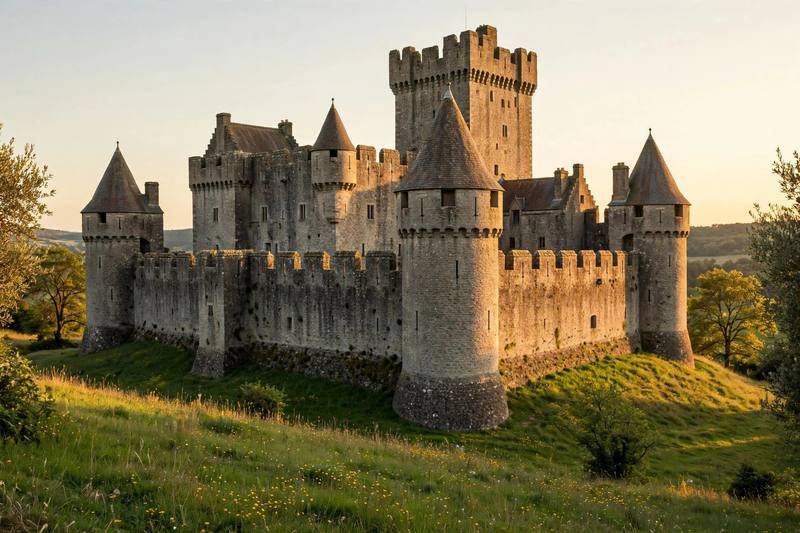
On the first day, she walked along the coast to an old castle on a hill. The castle was built hundreds of years ago, and from the top of the castle you could see the whole coast, the sea, the boats, and the little town below.
A castle on the coast, that is a dream. Did she go inside the castle?
Yes, she went inside, and she learned the history of the castle. The castle was once a home for a king, and later it became a museum. She said standing inside that old castle made her feel like she was in another century.
On the second day, she found a tiny cafe by the sea. It was another small business, and the owner made the best coffee on the whole coast. Sara sat there for hours, watching the waves and planning her next stop. The owner told her his business started with just two tables, and now people travel from far away to taste his coffee.
That sounds wonderful. Did anything go wrong on the trip? Every good travel story has a small problem.
You are right, Lena. On the third night, the room next to hers was very noisy. People were talking and laughing until three in the morning, and Sara could not sleep in her bunk bed at all. In the morning she went to the desk to complain. She did not want to complain in an angry way, she just wanted a quiet room.
That is a good example. When you complain, you say you are unhappy about something, but you can complain politely. What did the family say when she went to complain?
They were so kind. They moved her to a quiet room on the other side of the building, and they gave her a free breakfast. Sara said she did not need to complain twice, because they fixed the problem at once. That is how a good business treats its guests.
I like that. A small business can react fast, because the owners are right there. So after the noisy night, the rest of the trip was smooth?
Mostly, yes. She spent two more days walking along the coast, and she visited a second castle, smaller than the first, but just as beautiful. This castle stood on a rock above the sea, and the wind from the coast was strong. She took a hundred photos of that castle, and she bought a small book about the castle in the gift shop.
Two castles in one trip, lucky Sara. What about the journey home? That is often the hardest part.
The flight home was an adventure. The crew on the plane were wonderful. The crew smiled, they helped her with her bag, and they brought her water twice. Sara said the crew made the long flight feel short. When the plane hit a little turbulence, the crew stayed calm, and that helped everyone relax.
A good crew really changes a flight. A friendly crew can turn a boring trip into a nice memory. Did her luggage arrive safely?
And here is a quick reminder about the Muse English app. If you want to remember words like castle, coast, and crew, open the app every day. You will find fresh lessons with photos, fun quizzes, grammar practice, shadowing stories, and your place on the leaderboard, and a daily streak that keeps you going. It is free, and it takes only a few minutes a day, so give it a try today.
Almost. When she opened her suitcase at home, she found damage on one wheel. The wheel was broken, and the side of the suitcase had a big scratch. The damage was not terrible, but the suitcase was new, so she was upset.
Oh no. Did she complain to the airline about the damage?
Yes, she wrote to the airline to complain about the damage. She sent photos of the damage, and she explained that the suitcase was new. The airline said sorry, and they paid for the repair. Sara said it was worth it to complain, because the damage was their fault, and they fixed it.
That is a useful lesson. If something is broken, do not stay silent. Complain politely, show the damage, and ask for help. Most companies will listen.
So what did Sara do next? Did the trip put her off travel?
Not at all. She is already planning her next trip. She wants to walk along a different coast, visit another old castle, and stay in another small family business, because she loved the personal touch. She said the only thing she will do differently is pack a stronger suitcase, so there is no damage next time.
Smart. And she will probably choose a quiet room far from the stairs, so she does not need to complain again. She might even ask about the crew before she books, because a kind crew makes the flight so much better.
Exactly. She learned that a little planning saves a lot of trouble, and that a polite complaint can fix a problem fast. She also learned that a bunk bed is fine if the room is quiet, and that a castle is always worth the climb.
Now, a small challenge for you, our listeners. Can you use our seven words in your own sentences? Try this. Describe a bunk bed you slept in, or a family business you love. Talk about a castle or a coast you visited, a time you had to complain, a kind crew you met, or some damage you had to fix.
That is a great idea. Say your sentences out loud, or write them down. Using the words yourself is the fastest way to remember them. And if you visit the coast one day, or stay in a bunk bed, or meet a friendly crew, tell us about it in your own words.
Let us recap our seven words before we finish. Maya, what was the first word?
Bunk bed. Two beds, one above the other. Sara slept in a bunk bed in her hostel, and the bunk bed was on the top, near the window.
Business. An organization that sells goods or services. The hostel was a family business, and the cafe by the sea was a small business too.
Castle. A large, strong building from the past. Sara visited a castle on the coast, and the old castle made her feel like she was in another century.
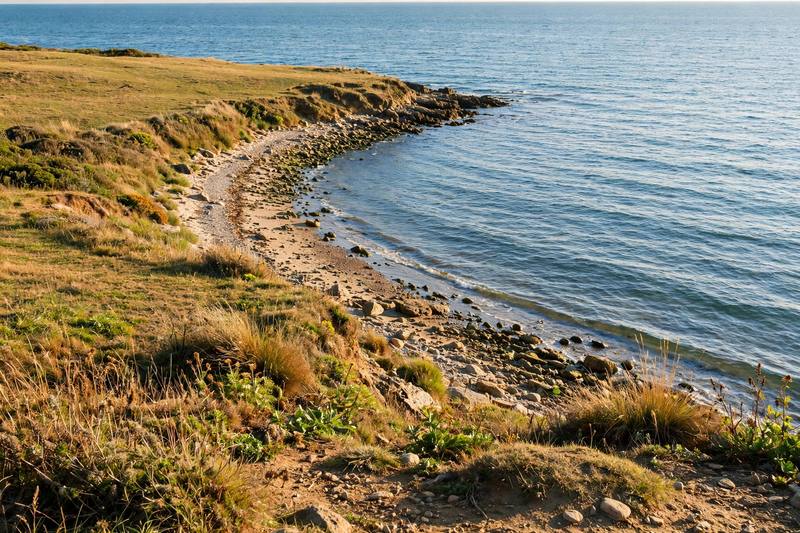
Coast. The land next to the sea. She walked along the coast every day, and the coast in Portugal is beautiful.
Complain. To say you are unhappy about something. Sara had to complain about the noise, and later she had to complain about the damage to her suitcase.
Crew. The people who work on a ship or a plane. The crew on her flight were kind, and the whole crew worked hard to help the passengers.
Damage. Harm or injury to something. She found damage on her suitcase wheel, and the airline paid to repair the damage.
Great work, everyone. Try to use these words this week. Tell a friend about a castle you visited, or a trip along the coast. Talk about a small business you love, or a time you had to complain about something politely.
And remember, the crew on a plane, a bunk bed in a hostel, and a castle on the coast are all part of travel. The more you use these words, the faster they become yours.
Thanks for listening to Muse English. We will be back tomorrow with seven new words and another story. Until then, keep practising, and have a wonderful day.
Goodbye, everyone, and happy travels!
🎙 تمرین شدوئینگ نمونهٔ رایگان
گوش کنید و همزمان با صدا بلند تکرار کنید. تمرین کامل شدوئینگ در اپ است: هر جمله را تکرار میکنید و میبینید اپ چند کلمه از آن را تشخیص داده است.
Sara loves to travel, and last summer she planned a trip along the coast.
She wanted to visit an old castle, and she wanted to stay in a small family business.
The hostel was a small business, and her room had a bunk bed near the window.
صحبت کردن را تمرین کنید
در اپ Muse English همهٔ جملهها را شدوئینگ کنید. اپ گوش میدهد و نشان میدهد چند کلمه از جملهتان را تشخیص داده است.
📝گرامر: Wish and If Only
We use wish and if only to talk about situations we want to be different. The verb after wish moves one step back in time.
If only means the same as I wish, but it is stronger and more emotional. If only I had more money!
For a wish about the present, use wish + past simple. I wish I lived near the coast. I wish I knew the answer.
For a regret about the past, use wish + past perfect. I wish I had visited the castle. I wish I had studied harder.
To complain about someone's behaviour, use wish + would. I wish you would stop talking. **I
این گرامر را در اپ کامل یاد بگیرید
توضیح کاملتر، مثالهای بیشتر و تمرین تعاملی.
هر روز ادامه بدهید
هر روز درس، پادکست و آزمون تازه؛ رایگان در اپ Muse English.