

📖 What is Muse English?
Muse English is a free English learning app with daily lessons across all 6 CEFR levels (A1 Beginner to C2 Proficient). Every day brings new vocabulary, a real podcast conversation, shadowing practice, grammar and quizzes — all at museenglishapp.com.
📚 Vocabulary
10 new words Learn new words with real examples and audio.
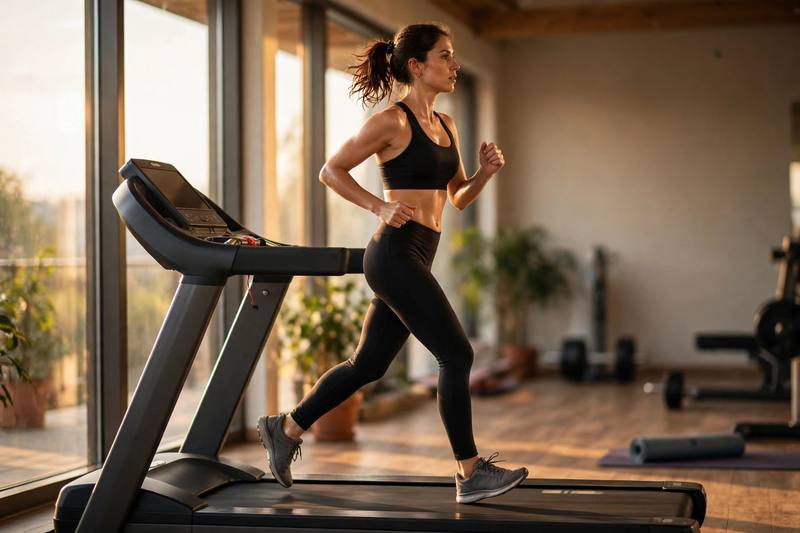

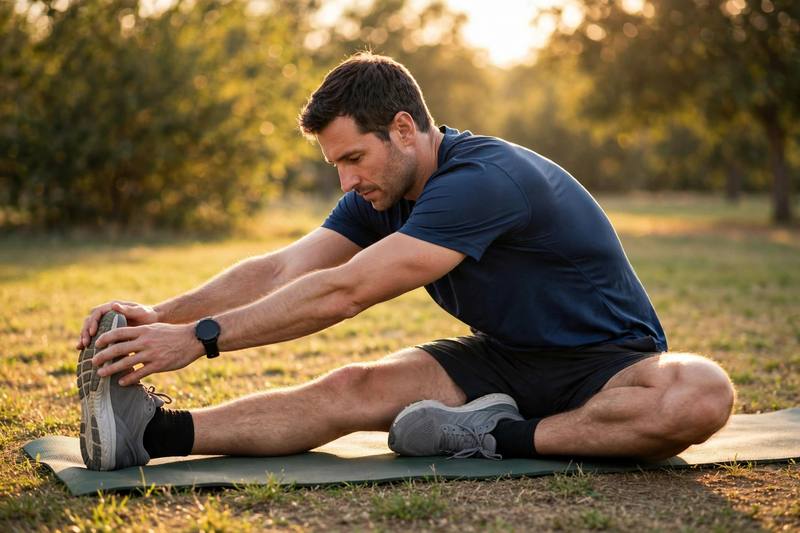
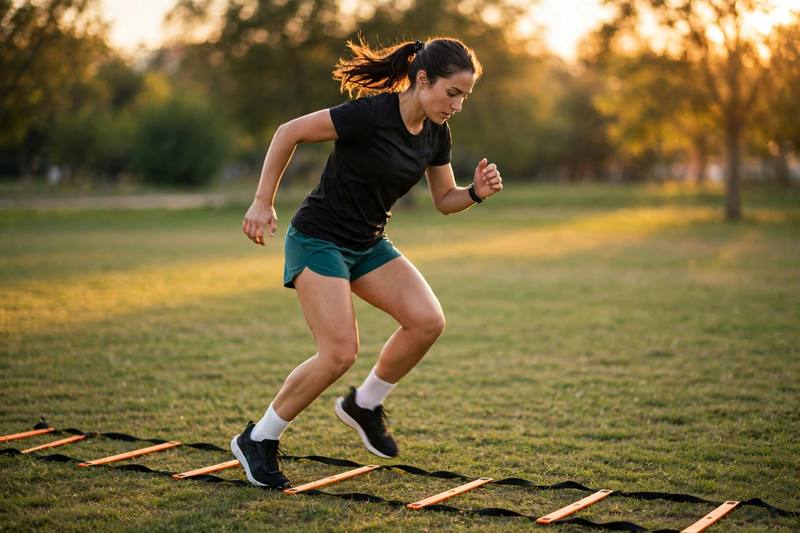
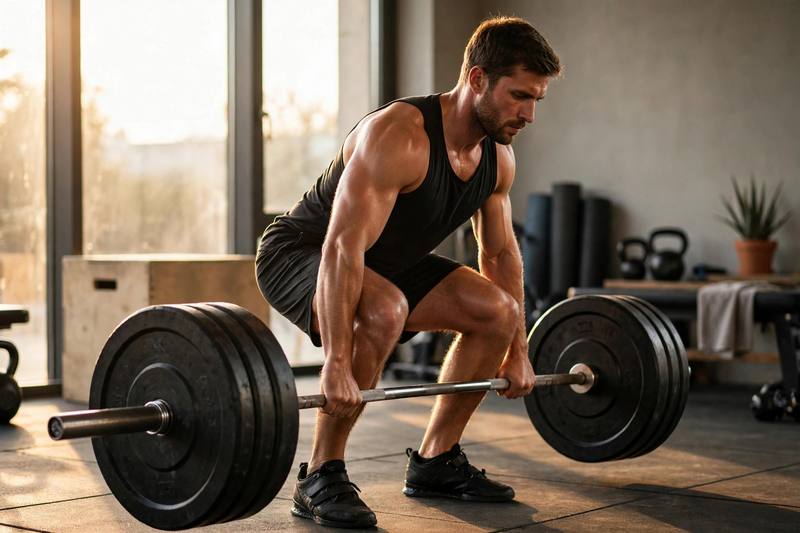
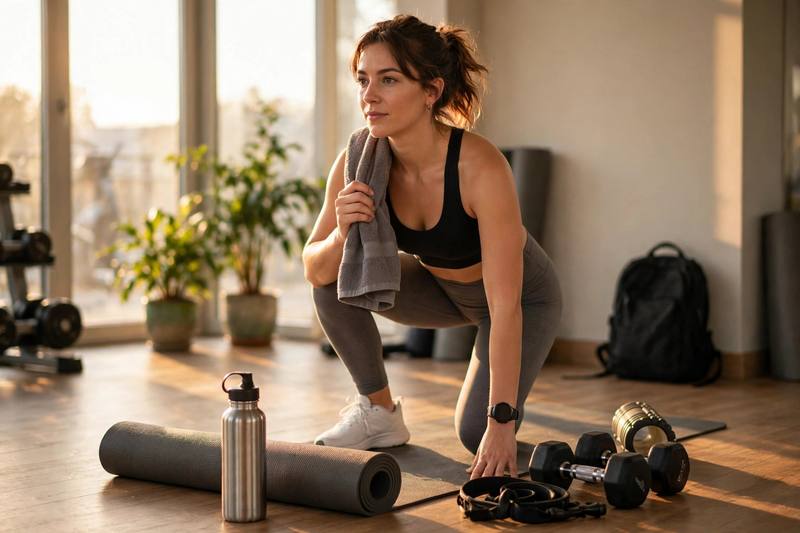
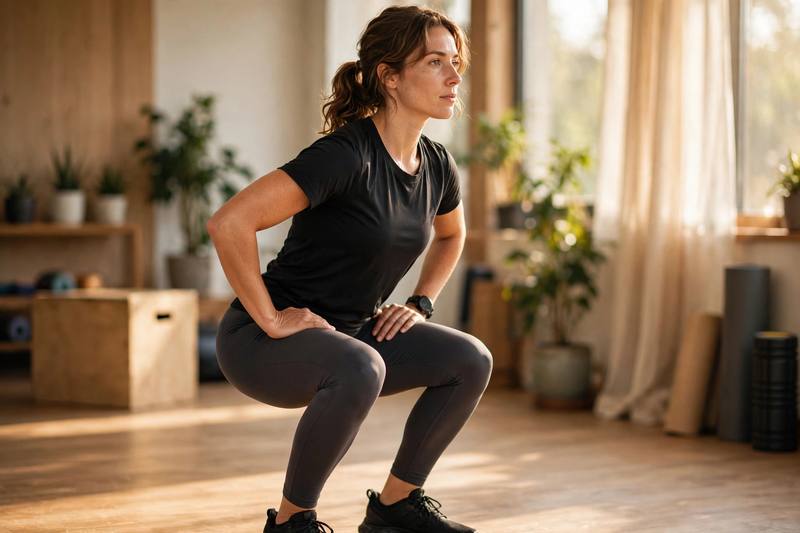

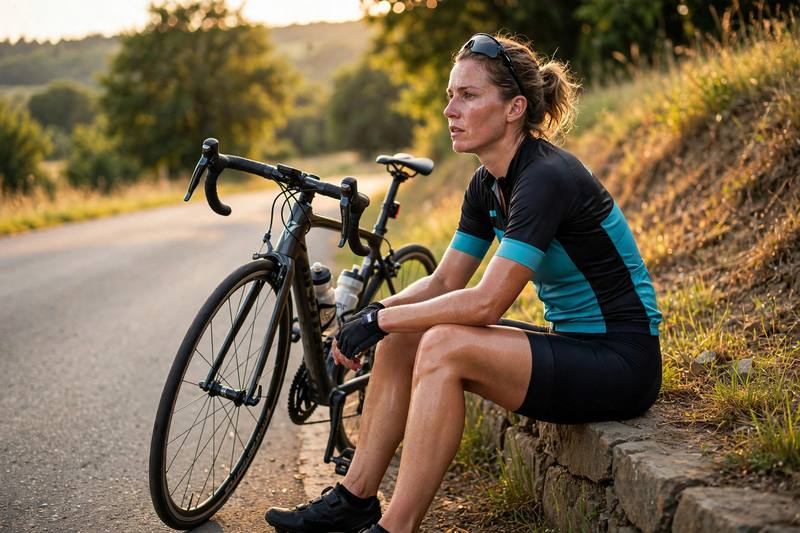
Podcast: Sports & Fitness
Listen to today’s conversation.
📝 Podcast Transcript
Welcome back to Word Kitchen, the show where we learn English through real conversation. I'm Maya.
And I'm Lena. Today's theme is all about sports and fitness, something both of us love.
Absolutely. Lena, I've been thinking about how I never really had a fitness routine before this year. Now I can't imagine my life without one. A good routine changed everything for me.
I know the feeling. My workout used to be a total mess, honestly. I would show up at the gym with no plan, do whatever machine was free, and leave after twenty minutes. Now every workout has a clear purpose.
That is the key. A workout is so much better when you plan it. I start with a proper stretch, then my main sets, then I finish with another gentle stretch. My body thanks me every time.
Yes, the stretch is the part everyone skips, and it's the part you need most. I learned that the hard way. Last year I pulled a muscle because I forgot to stretch after my run, and I couldn't train for a month.
Ouch. That is painful and frustrating. Now I stretch before and after every single workout, even the short ones. It only takes five minutes, but it protects you so well.
Exactly. Stretch after cardio, stretch after strength, stretch after everything. Actually, let's talk about cardio, because people have strong opinions about it. Do you enjoy your cardio sessions?
Honestly, I used to hate cardio. Running felt boring. But then I tried interval training on the bike, and everything changed. One interval of hard effort, one interval of easy spinning, and time flies.
Interval training is brilliant. An interval workout burns more calories than a slow steady jog, and it takes half the time. I do a short interval session twice a week and my fitness improved fast.
And intervals keep your brain engaged. You count down the seconds of each interval, so you're never bored. I also mix in a sprint here and there. A good sprint wakes up your whole body.
I love a sprint finish at the end of a run. One final sprint, everything you've got. Sprint training builds serious speed, and honestly it just feels powerful.
It does. I remember my first sprint session on the track. I could barely sprint forty meters without gasping. Now I can sprint the full straight, and my legs feel like they belong to a real athlete.
That is progress. Speed is fun, but what about strength? A lot of people focus only on cardio and forget about strength training. Strength protects your joints and your bones.
So true. My strength work is simple: squats, deadlifts, and push-ups. Building strength takes patience, but every month I feel the strength difference in daily life, carrying groceries, climbing stairs.
Strength really is a life skill. But here's a question: which matters more, lifting heavy or doing the movement correctly? For me, technique wins every time.
Technique, no contest. Good technique prevents injuries. Bad technique with heavy weights is a recipe for pain. I always tell beginners to master the technique first, then add weight slowly.
And technique matters for every lift. Your squat technique, your bench press technique, your deadlift technique. One small fix in your technique can change everything about how an exercise feels.
Agreed. You know, a friend of mine used to train without any guidance, and his technique was all over the place. He hired a coach, fixed his technique in three sessions, and his progress doubled.
A coach is worth every penny. My routine really leveled up when I started following a structured routine instead of improvising. I mean, a fixed routine removes all the guesswork.
Can I ask about your rest days? I used to think rest was lazy. Now I treat rest as part of my routine. Without rest, every workout feels harder and your technique falls apart.
I learned the same lesson. My coach told me that strength grows while you rest, not while you train. So now I plan my rest days as carefully as my workout days.
That is mature thinking. People forget that recovery is training. I sleep eight hours, I eat enough protein, and my strength numbers keep climbing without extra gym time.
Nutrition is half the battle. I wasn't eating enough when I started, and my cardio sessions felt awful. Now I fuel properly and every interval feels sharper.
Same here. Let me ask you, what motivates you on the days you want to skip your workout? We all have those days.
I tell myself to just start. Five minutes, that's it. And once I start my stretch and my warm-up, I always want to finish the whole workout. Motivation follows action, not the other way around.
That is exactly right. And I keep a training diary. When I look back and see how far my strength and my agility have come, I get excited to train again.
A diary is a great idea. It also helps you spot patterns. If your sprint times drop for three weeks in a row, maybe you need more rest or a different routine.
Or better technique. When my technique slipped on squats last spring, my knees told me about it. I filmed myself, fixed one small thing, and the pain disappeared.
Filming yourself is such a smart move. I record my deadlift technique now and compare it month to month. Slow, steady progress is the most satisfying kind.
It really is. Okay, before we move on, one more question. If someone listening has never done any fitness training, where should they start?
Start with walking. Seriously. A thirty minute walk is wonderful cardio, and you can turn it into an interval walk by alternating fast and slow minutes. Add a basic stretch after, and you have a complete workout.
I love that advice. Walking is underrated. And once walking feels easy, they can try a beginner strength routine at home, bodyweight squats, push-ups against a wall, and gentle stretch sessions. No gym needed.
Exactly. The best workout is the one you'll actually do. The best routine is the one that fits your life. And the best technique is the one you can repeat safely, week after week.
Beautifully said. Now, I have to circle back to something. We keep talking about racing, but what if someone doesn't want to compete? Is fitness still worth it without ever competing?
A hundred percent. You never have to compete to enjoy fitness. Competing is just one flavor. Most of my training has nothing to do with any race. I train because it makes me feel strong and capable.
I agree completely. Whether you compete or not, the benefits are the same. Your heart gets stronger, your body gets more flexible, and your mind gets quieter.
And here's the thing: even if you never compete, training like an athlete changes how you see yourself. You start to trust your body again.
Let me describe my weekly routine, actually. Monday is strength, Tuesday is cardio, Wednesday I rest, Thursday is another strength workout, and Friday I do a mixed session. That routine works beautifully for my schedule.
That sounds like a dream routine. My workout week is similar. My morning workout on Mondays is strength, and my evening workout on Thursdays is mostly cardio and agility drills.
Agility drills? Tell me more. I never train agility, and I suspect I'm missing out.
Agility is your ability to move quickly and change direction, like a tennis player chasing a drop shot. My agility improved a lot from ladder drills. Agility training makes you feel light on your feet.
I need that. My agility is honestly terrible. I tripped over a cone at boot camp once, so embarrassing. Better agility would save me from moments like that.
It builds confidence too. Now, let me ask you something bigger. Have you ever thought about actually competing? Like signing up for a race?
Funny you ask. I am going to compete in a local five kilometer race next month. My first time. I never thought I would compete in anything, but here we are.
That is exciting. When you compete, the adrenaline changes everything. I compete in amateur tennis tournaments, and even a small match feels electric. You'll love it.
I hope so. My goal isn't to win, it's just to finish strong and enjoy the day. But there's something about saying, I am going to compete, that makes training feel more serious.
It absolutely does. So what's your race plan? How are you preparing?
My race plan is simple. Three easy runs a week, one interval session, and a long stretch session on Sundays. My coach says the stretch session matters most for staying injury free.
Smart. And during the race, remember to pace yourself. Don't sprint the first kilometer. Save your sprint for the final stretch of the course, and you will finish feeling strong.
Great advice. You know, Lena, when I started this journey, my whole routine felt impossible. Now that same routine feels like the best part of my day.
That's the magic of consistency. Speaking of training, let's recap our ten words for today. Number one: workout. Every workout needs a plan.
Number two: cardio. A little cardio keeps your heart happy. Number three: sprint. Add one sprint to your next run and feel the difference.
Number four: stretch. Never skip your stretch. Number five: agility. Train your agility and move like an athlete. Number six: strength. Build your strength patiently.
Number seven: routine. Follow a routine you actually enjoy. Number eight: technique. Perfect your technique before you add weight. Number nine: compete. Sign up, compete, and surprise yourself.
And number ten: interval. One more interval is all it takes to make progress. Maya, if our listeners remember just one thing from this episode, what should it be?
Start small, stay consistent, and enjoy the process. Find a workout you love, build your routine, and the rest will follow. See you next time on Word Kitchen.
See you next time. Go move your body.
🎙 Try Shadowing free sample
Listen and repeat along with the studio audio. Full shadowing practice with pronunciation scoring is in the app.
My Fitness Journey
1. My morning workout starts at seven.
2. I always plan my workout the night before.
Train your speaking
Shadow every sentence with studio audio and get your pronunciation scored — only in the Muse English app.
📝Grammar: Future forms - present continuous, be going to, will / won't
English has three main ways to talk about the future. Each one fits a different situation. Use **be going to + infinitive** for plans you have already decided. For example, you are going to add cardio to your workout routine next month. Also use **be going to** for predictions with clear evidence. If your friend looks exhausted after one interval, he is going to rest soon. Use the **present continuous** for future arrangements you have already fixed. If you signed up for a race, say you are competing next Saturday. Use **will / won't** for instant decisions, promises, and offers. You will
Master this grammar in the app
Get clear explanations, more examples and interactive exercises.
Keep learning every day
New lessons, podcasts and quizzes daily — free in the Muse English app.