
📖 Muse English چیست؟
Muse English یک اپلیکیشن رایگان آموزش زبان انگلیسی است، با درس روزانه برای هر شش سطح، از A1 (مبتدی) تا C2 (تسلط کامل). هر روز لغتهای تازه با معنی فارسی، یک پادکست واقعی، تمرین شدوئینگ، گرامر و آزمون دارید. دربارهٔ اپ
📚 لغتها
۱۰ لغت تازه لغتهای تازه با معنی فارسی، مثال واقعی و تلفظ.








پادکست: روز مرور
گفتوگوی امروز را گوش کنید.
📝 متن پادکست
Welcome to Muse English! Hello everyone, I am Maya.
And I am Lena. Today is a review day, so we are going back to words from the last three days. No new words today, just good practice with words you already know.
Exactly. Let us start with a little travel story. Imagine a grey morning. The sky is grey, the streets are grey, and Nina is waiting for a plane.
Nina wants to relax, but she cannot relax yet. She is looking for the nearest station, because the nearest bus stop is too far from her home.
So she takes public transport. Public transport is busy that morning, but her bus arrives on time. On time is important, because her plane leaves soon.
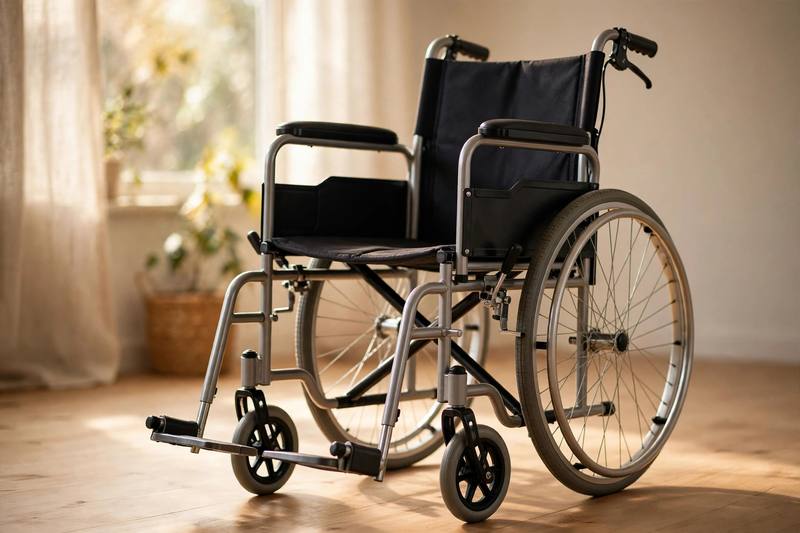
At the airport, Nina meets Tom. Tom uses a wheelchair. His wheelchair is fast, and he knows the airport very well. Nina asks about his height, because Tom is very tall, and his height surprises her.
Tom laughs. He says height is not important. What is important is to get on board early. On board the plane, you can relax, find your seat, and put your bag away.
Nina and Tom start talking. They have a lot in common. They have something in common with each other, music, travel, and old films. In fact, they have plenty in common.
Plenty is a good word here. They have plenty of time on board, plenty of stories, and plenty of questions for each other.
But first, let me tell you something that helps your English daily. In the Muse English app, you learn fresh words with photos and pronunciation, you listen to this podcast, you practise with shadowing stories, and you test yourself with quizzes and grammar lessons. You can earn points, climb the leaderboard, and build a daily habit. The app is free to install, so try it today and learn with us.
Thank you, Lena. Back to Nina and Tom. On board, a serious message comes from the pilot. It sounds serious, very serious, but it is only about the weather.
Nina feels a little bit nervous. Just a little bit. Tom tells her to relax. Relax, breathe slowly, and look out of the window, he says.
Nina tries to get used to flying. She is getting used to the noise, getting used to the small seat, and getting used to the cold air. It takes time to get used to something new.
That is true in learning too. At first, English can feel hard. Then you get used to listening every day, and soon you are used to it.
On the plane, Nina and Tom shake hands with the woman next to them. Well, they shake hands when they meet, and she tells them a funny story.
She says her husband fell in love with travel on his first plane trip. He used to hate flying, yes, he really did hate it, but now he loves it. She says people can fall in love with a place very fast.
She also warns them about the sun at the beach. She once got a bad sunburn, a serious sunburn, because she had no protection. Sun protection is important, she says. Use cream, wear a hat, and rest in the shade.
Tom nods. A sunburn is not a joke. It can be serious, and protection is simple. Good protection keeps your skin safe on a sunny day.
The woman laughs and says some travel advice is a load of rubbish. A load of rubbish means nonsense. Not all advice is good advice, she says.
For example, someone told her that an innocent traveller never needs a map. That is rubbish. An innocent person can still get lost, and being innocent does not help you find the nearest hotel.
I love that story. Innocent, a load of rubbish, sunburn, and protection, all in one beach story. And remember, Nina still has to relax on board and enjoy the flight.
Let us pause and think about your learning. To keep these words in your memory, practise them in the Muse English app. Every day you get new words with photos and pronunciation, this podcast, shadowing stories, fun quizzes, and easy grammar lessons. You earn points and see your progress on the leaderboard. Install the app for free today. Open today's lesson and learn with us.
Great advice, Lena. Now, near the end of the flight, the sky is still grey, but Nina feels calm. She can relax now. She is on board her favourite plane, well, a plane she likes, and Tom is asleep in his wheelchair seat beside her.
Wait, Tom travels in his wheelchair to the gate, and the wheelchair is stored safely on the plane. At the airport, a wheelchair is waiting for him when they land. That is how his trips work.
Thank you for explaining that. So, Tom's height, his wheelchair, Nina's nearest gate, the grey sky, and the long plane ride all come together in one story.
And what do Nina and Tom have in common at the end? They have calm in common, they have curiosity in common, and they have a love of travel in common.
Beautiful. They both had to get used to a long trip, they both learned to relax, and they both listened to a serious message without fear. Serious does not always mean dangerous.
Exactly. A serious voice on board can just give information. On board, on time, and with plenty of time to talk, a trip can teach you a lot.
Let us review the key words one more time in short sentences. The nearest station is near my home. Please get on board the plane. What is your height? He uses a wheelchair every day.
This is a serious book. I am getting used to the cold weather. I like to relax after work. We travelled by plane last year. The sky was grey and cloudy. We have nothing in common, but we are good friends.
Perfect review. You heard every word many times today, in a story, in advice, and in short sentences.
Keep practising, keep listening, and join us tomorrow for fresh new words. Goodbye for now.
Goodbye everyone, and happy learning.
🎙 تمرین شدوئینگ نمونهٔ رایگان
گوش کنید و همزمان با صدا بلند تکرار کنید. تمرین کامل شدوئینگ در اپ است: هر جمله را تکرار میکنید و میبینید اپ چند کلمه از آن را تشخیص داده است.
Under a grey sky, Nina tried to relax before her plane trip.
She asked for the nearest gate, because the nearest gate was quiet and calm.
Tom arrived in his wheelchair, and he parked his wheelchair by the window.
صحبت کردن را تمرین کنید
در اپ Muse English همهٔ جملهها را شدوئینگ کنید. اپ گوش میدهد و نشان میدهد چند کلمه از جملهتان را تشخیص داده است.
📝گرامر: Used To
We use used to + base verb for past habits and past states that are not true now. Nina used to take the plane every month, but she does not travel so often now.
The positive form is subject + used to + base verb. The negative is didn't use to, and questions start with Did you use to...? After did and didn't, write use to with no d.
Used to is only for the past, and there is no present form. For a present habit, use the present simple with usually: *I usually relax after work.*
For past habits, you can also use would + base verb, for re
این گرامر را در اپ کامل یاد بگیرید
توضیح کاملتر، مثالهای بیشتر و تمرین تعاملی.
هر روز ادامه بدهید
هر روز درس، پادکست و آزمون تازه؛ رایگان در اپ Muse English.