
📖 Muse English چیست؟
Muse English یک اپلیکیشن رایگان آموزش زبان انگلیسی است، با درس روزانه برای هر شش سطح، از A1 (مبتدی) تا C2 (تسلط کامل). هر روز لغتهای تازه با معنی فارسی، یک پادکست واقعی، تمرین شدوئینگ، گرامر و آزمون دارید. دربارهٔ اپ
📚 لغتها
۷ لغت تازه لغتهای تازه با معنی فارسی، مثال واقعی و تلفظ.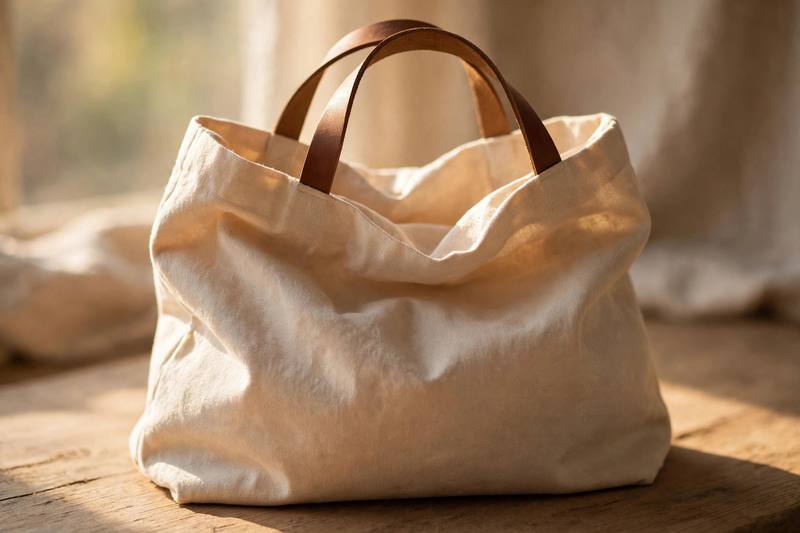

پادکست: پول و خرید
گفتوگوی امروز را گوش کنید.
📝 متن پادکست
Welcome to Muse English! Hello, Lena, and hello to all our listeners. Today we are going to talk about money and shopping.
Hi, Maya! I love this topic. Shopping is fun, but money can be a little stressful, don't you think?
Oh, yes. Last Saturday I went shopping for new furniture for my living room, and it was quite an adventure.
Furniture? That sounds expensive. What kind of furniture did you buy?
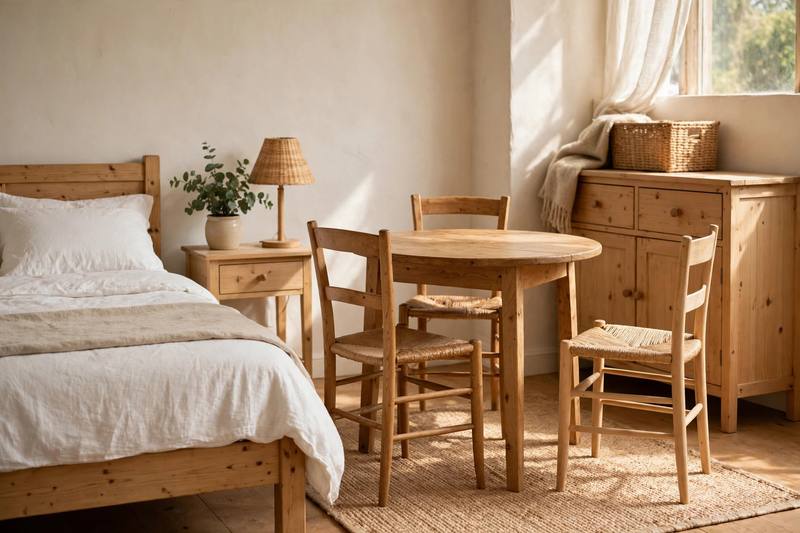
I bought a small table and two chairs. The table was the most important item on my list, and the chairs were the second item.
Did you pay with cash or with a credit card?
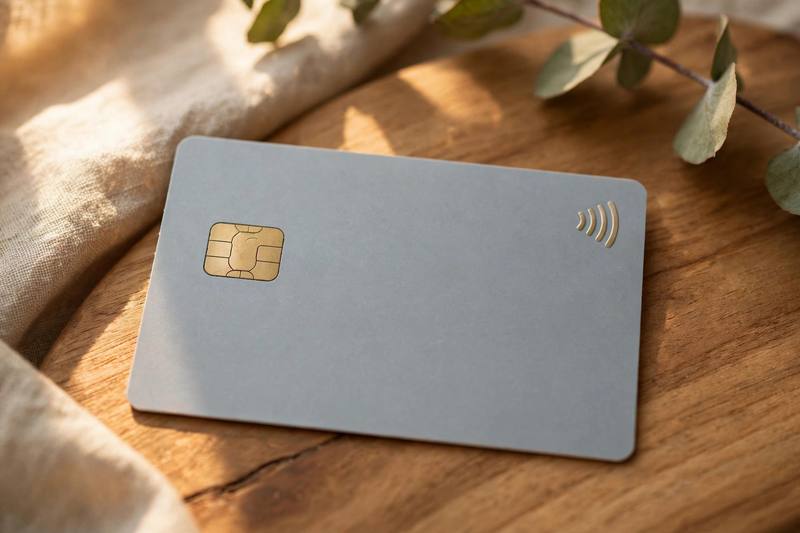
I paid with my credit card. I like my credit card because I do not need to carry a lot of cash, and I can pay for every item quickly.
That is true, but a credit card can be dangerous. It is easy to buy one more item, and then another item, and suddenly the bill is very big.
You are right. I always check my credit card bill very carefully. Last month I bought a bag, a beautiful leather bag, and I almost forgot about it until the bill arrived.
A bag? What kind of bag?
A shopping bag for the market, but a very nice one. I carry my lunch in that bag every day, and I also use the bag when I go to the market.
That sounds useful. A good bag is worth the money. Did you find a cashpoint near the furniture shop?
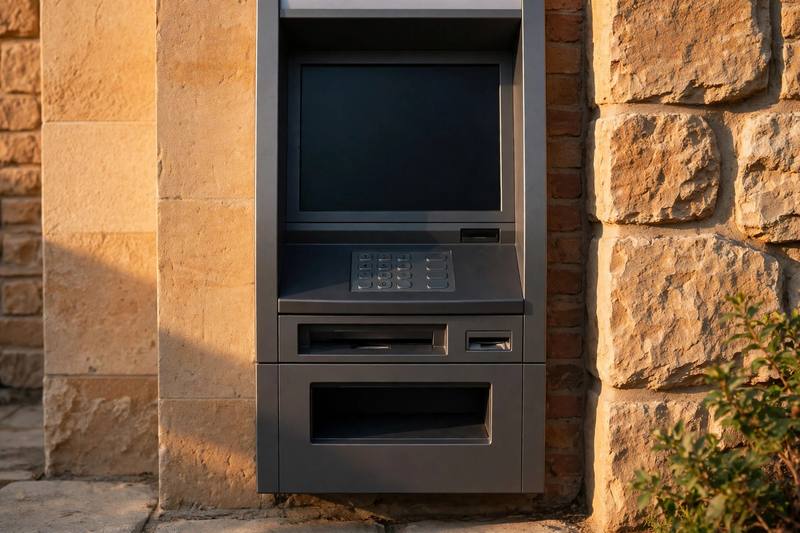
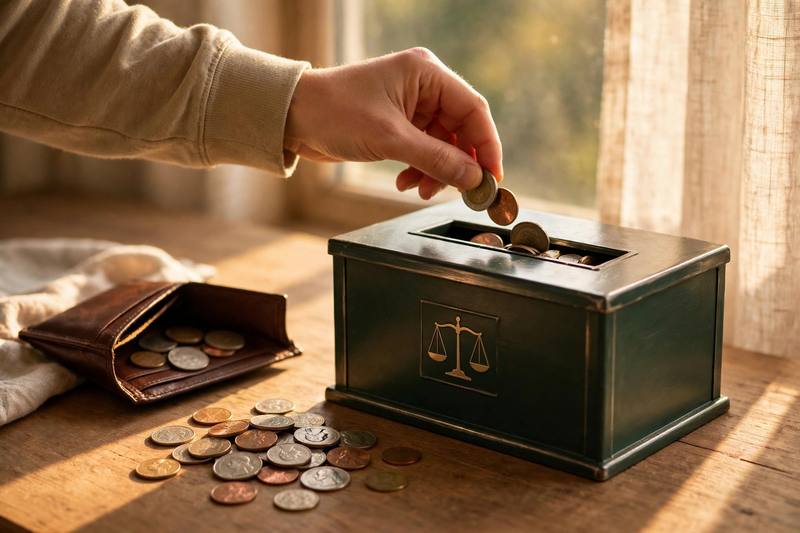
Yes, there was a cashpoint right outside the shop. I needed some cash for the market, so I stopped at the cashpoint before I went inside.
A cashpoint is so useful. I always look for a cashpoint when I travel, because some small shops do not take a credit card.
Exactly. And speaking of useful things, let me tell you about something that helps me learn English every single day.
Oh, what is it?
It is the Muse English app. It gives you new words every day with photos and clear pronunciation, plus this podcast, fun shadowing stories, quick quizzes, grammar lessons, and a leaderboard where you can earn points. It is free, it is easy to use, and it makes learning feel like a game. So go and install the Muse English app today, and start learning with us.
That sounds great. Now, back to your shopping day. What happened after the cashpoint?
Well, I went into the furniture shop with my bag over my shoulder, and I was looking at a big sofa when I saw my friend Tom.
Tom? What was he doing there?
He was buying furniture too. He had three heavy bags in his hands, and he was walking very fast. Then, oh no, he tripped and started to fall over.
Oh no! Did he fall over?
Yes, he did fall over, right in the middle of the shop. His bags went everywhere. It was funny, but I felt sorry for him. When you carry too much, it is easy to fall over.
Poor Tom. Did anyone help him?
Yes, I helped him up, and a shop worker helped him too. Tom laughed and said, "I should not carry so much at once, or I will fall over again."
That is a good lesson. One bag is enough. So, did you buy the sofa?
No, the sofa was too big and too expensive. I bought the small table instead. The table is a lovely item, and it fits my living room perfectly.
And what about income tax? My brother always talks about income tax when we talk about money.
Income tax is the money we pay to the government from what we earn. Everyone has to pay income tax, and it is part of adult life.
My brother says income tax is boring, but he also says income tax pays for roads, schools, and hospitals. So income tax is important, even if it is boring.
That is true. When I get my salary, income tax comes out first, and then I decide what I can spend on shopping.
Good plan. So, after the furniture shop, did you go anywhere else?
Yes, I went to the market. I bought fruit, bread, and cheese. Each item went into my bag, and soon the bag was very full.
A full bag is a happy bag. Did you use your credit card at the market?
No, at the market I used cash from the cashpoint. Small shops like cash, and my credit card stayed in my bag.
Smart. And did you see Tom again?
Yes, I saw Tom at the market, and he was walking slowly this time. He said, "I will never run with heavy bags again, because I do not want to fall over twice in one day."
Wise Tom. Did the shop deliver your furniture, or did you carry it home yourself?
The shop delivered it, thank goodness. The table is a big item, and I could never carry it in my bag. The delivery man brought the furniture on Saturday evening, and now my living room looks wonderful.
Lovely. A new table, a full bag of market food, and no more falling over.
Yes, and next Saturday I will go back for a chair, but this time I will take only one bag and pay by credit card.
Before we finish, here is a quick reminder for all our listeners.
If you love learning English with us, try the Muse English app. Every day you get fresh words with photos and clear pronunciation, this podcast, shadowing stories to practise speaking, quick quizzes, grammar lessons, and points on the leaderboard. It is free, it is fun, and it fits in your pocket. Install the Muse English app today and keep learning with Maya and Lena. Learn a little every day, anywhere you go.
That is all for today. Remember our words: bag, cashpoint, credit card, fall over, furniture, income tax, and item. Practise them, use them when you go shopping, and we will see you tomorrow.
Bye, everyone, and happy shopping.
🎙 تمرین شدوئینگ نمونهٔ رایگان
گوش کنید و همزمان با صدا بلند تکرار کنید. تمرین کامل شدوئینگ در اپ است: هر جمله را تکرار میکنید و میبینید اپ چند کلمه از آن را تشخیص داده است.
Sara loves Saturday shopping.
On Saturday morning, Sara takes her big bag and goes to the market.
She puts her phone and her wallet in the bag.
صحبت کردن را تمرین کنید
در اپ Muse English همهٔ جملهها را شدوئینگ کنید. اپ گوش میدهد و نشان میدهد چند کلمه از جملهتان را تشخیص داده است.
📝گرامر: Future Time Clauses (when, as soon as, until)
After when, as soon as, until, before, after and once, we use the present simple, not will, to talk about the future. We say 'I will call you when I get home', not 'when I will get home'.
The main clause uses will or an imperative. You can say 'Text me when you arrive'.
Use the present perfect to show the first action will be finished first. For example, 'I will go shopping when I have finished my work'.
If and unless work the same way. We say 'If it rains, we will stay at home', not 'if it will rain'.
When means you are s
این گرامر را در اپ کامل یاد بگیرید
توضیح کاملتر، مثالهای بیشتر و تمرین تعاملی.
راهنمای کامل و تمرینها: Future Time Clauses (when, as soon as, until) ←
هر روز ادامه بدهید
هر روز درس، پادکست و آزمون تازه؛ رایگان در اپ Muse English.