
📖 What is Muse English?
Muse English is a free English learning app with daily lessons across all 6 CEFR levels (A1 Beginner to C2 Proficient). Every day brings new vocabulary, a real podcast conversation, shadowing practice, grammar and quizzes — all at museenglishapp.com.
📚 Vocabulary
20 new words Learn new words with real examples and audio.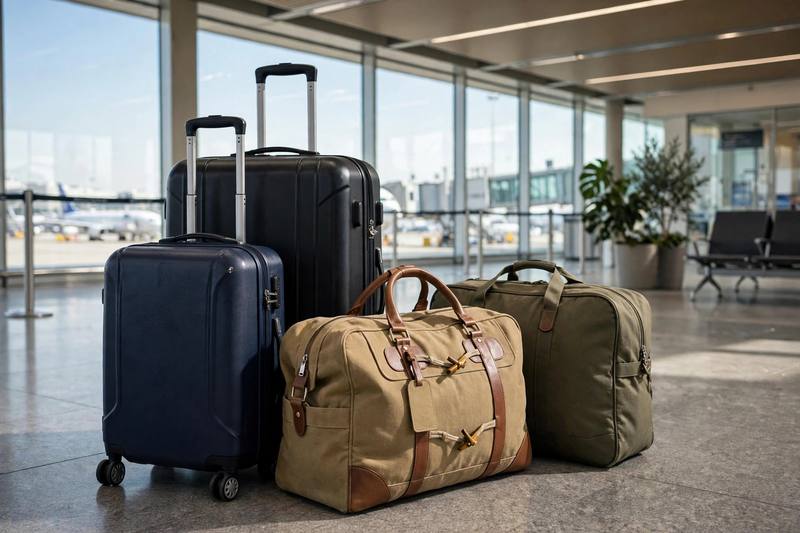




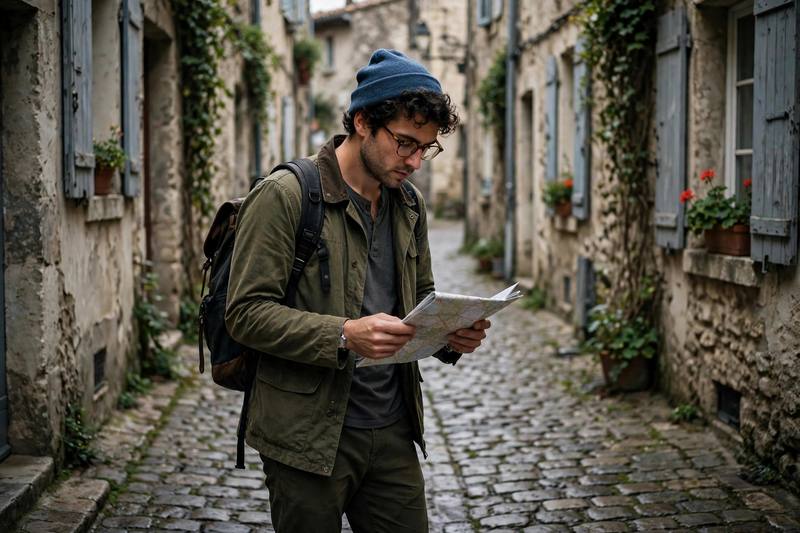
Podcast: Travel & Holidays
Listen to today’s conversation.
📝 Podcast Transcript
Welcome back to Word Kitchen, everyone. I'm Maya.
And I'm Lena.
And today we are packing our bags
because the whole episode is about travel and holidays.
That's right. We have 20 super useful travel words for you today
and we are going to use every single one in real stories
so you can hear how they actually sound in conversation.
Let's start at the very beginning of a trip.
Maya, what is the first thing you do when you travel?
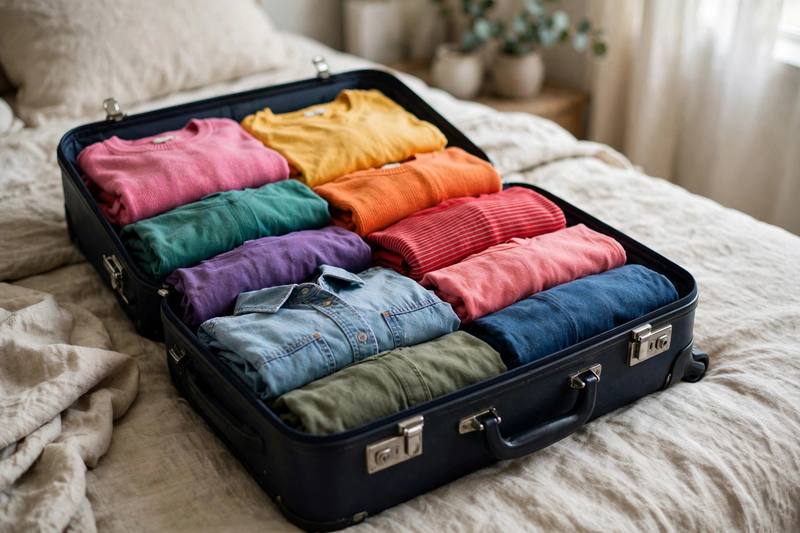
I pack my luggage, obviously.
Luggage is the word for all the bags
and suitcases you take with you when you travel.
So I always say, I need to pack my luggage the night before,
never in the morning, because I always forget something.
Oh, I am the same.
And I am very specific about my suitcase.
A suitcase is that big rectangular bag with a handle and wheels.
My suitcase is bright red,
so I can spot it immediately when it comes around the belt.
Smart. Mine is black like everyone else's
and every trip I pick up somebody else's suitcase by mistake.
So red suitcase is honestly a life hack.
Okay, so bags packed, now the journey itself.
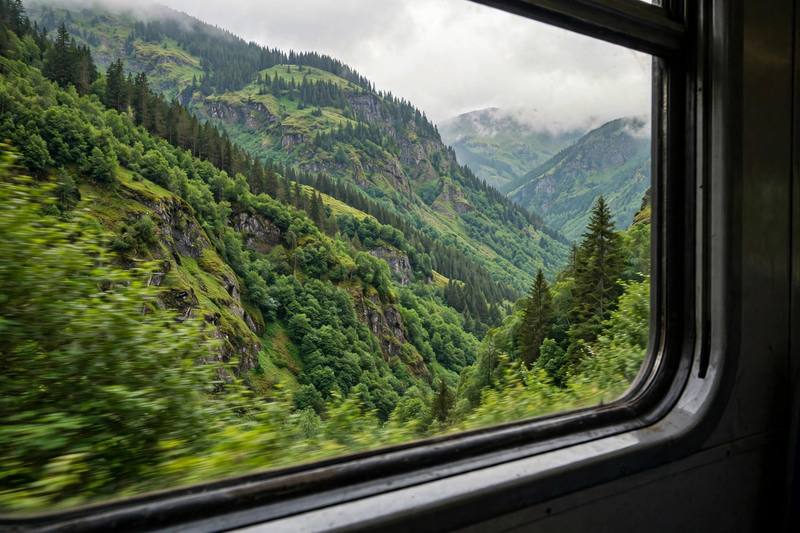
A journey is a long trip from one place to another,
especially one that takes some time.
Like, the journey from my city to the coast
takes about six hours by train.
And I love it.
I just look out the window the whole time.
A journey feels more romantic than just a trip, right?
A trip can be short,
but a journey sounds like an experience.
Every journey teaches you something.
Exactly.
Now, before the journey starts,
there's the departure.
Departure is the noun for the act of leaving a place.
At the airport, you hear it all the time.
Like, our departure is at six in the morning,
or please go to gate 12 for your departure.
And the opposite is arrival.
Arrival means reaching a place, getting there.
I love the moment of arrival.
When the plane lands and you walk out into a new city
and the air even smells different.
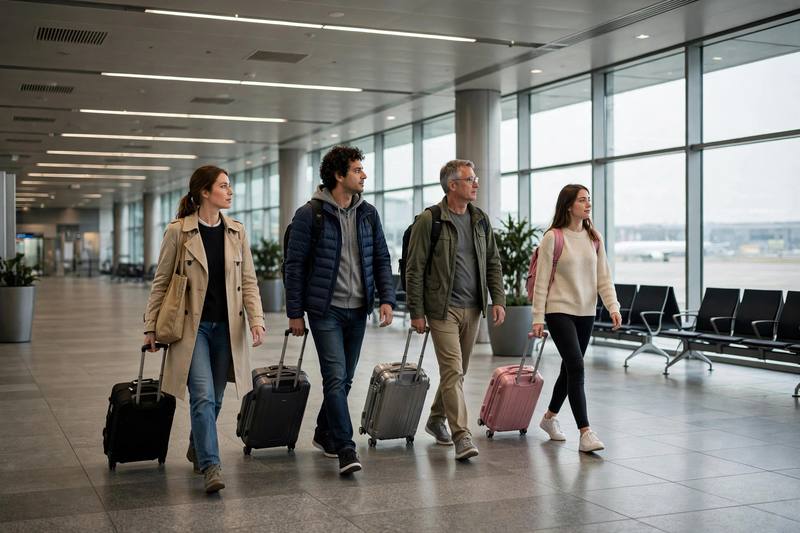
Yes, and all of this happens inside the terminal.
The terminal is the big building at the airport where you check in,
go through security and wait for your plane.
Big airports have more than one,
so you always have to check,
am I in terminal one or terminal two?
I once went to the wrong terminal and had to run across the whole airport.
Never again.
Now I check my terminal three times.
Good rule.
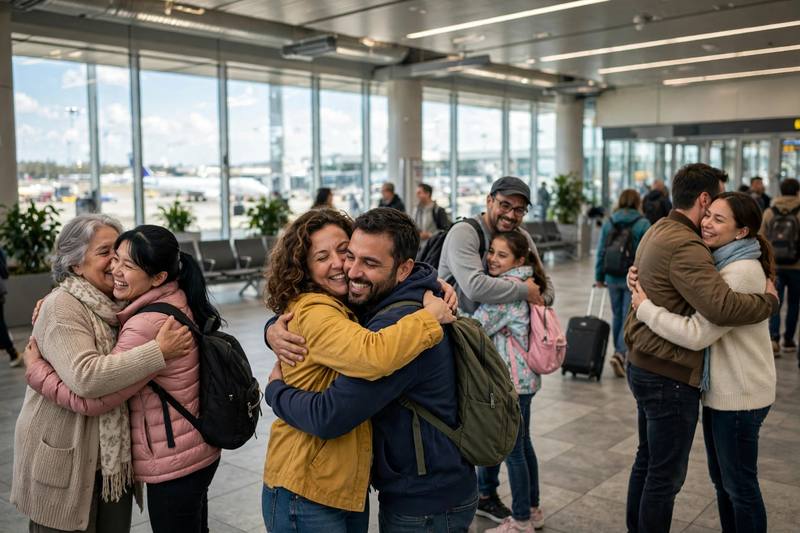
Okay.
So you have arrived.
Where do you sleep?
If you want something cheap and friendly,
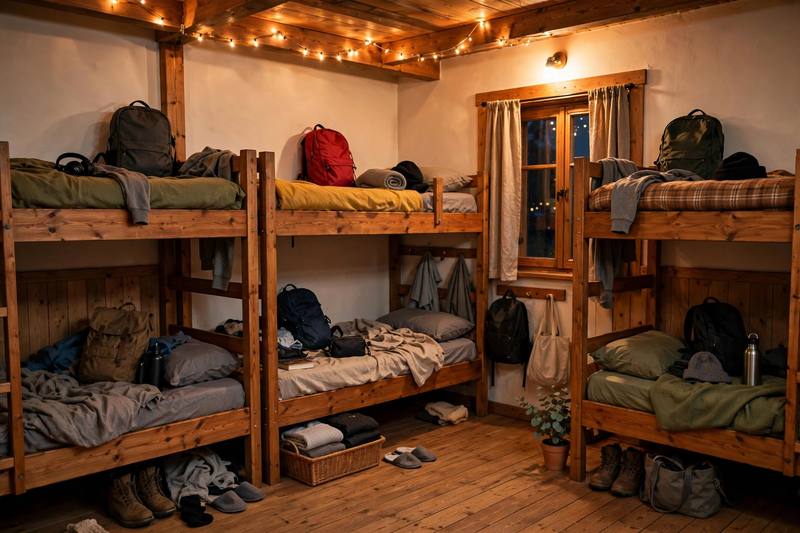
you stay in a hostel.
A hostel is a low-cost place to stay.
Popular with young travelers,
where you often share a room with other people.
I stayed in hostels all through my twenties.
You meet the most interesting people in a hostel kitchen at midnight.
Everybody has a story.
And if you want the opposite,
luxury by the sea,
you go to a resort.
A resort is a place where lots of people go on holiday.
Usually somewhere beautiful,
with pools, restaurants,
everything in one place.
My parents love resorts because they don't have to plan anything.
Resorts are perfect when you just want to relax.
But if you want to actually see things,
you go sightseeing.
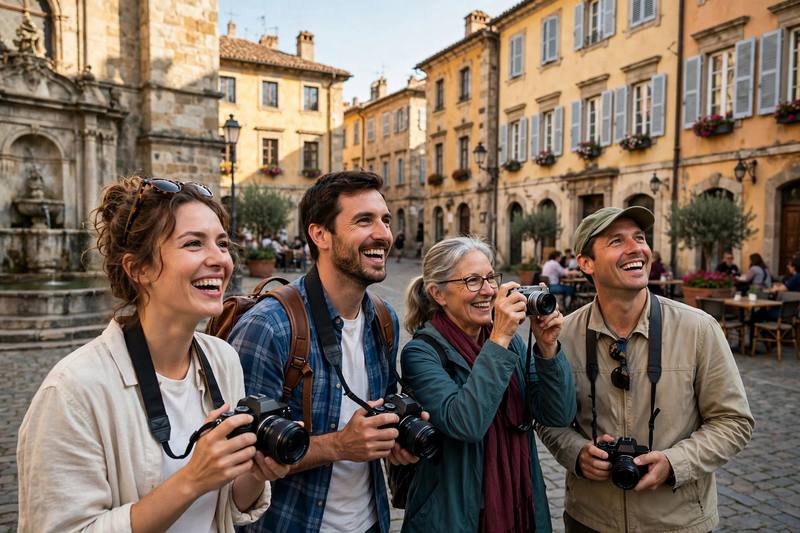
Sightseeing means visiting famous places as a tourist,
walking around, taking photos, all of that.
Last summer, we spent three whole days sightseeing in the old town.
And when you're sightseeing,
you look for the landmarks.
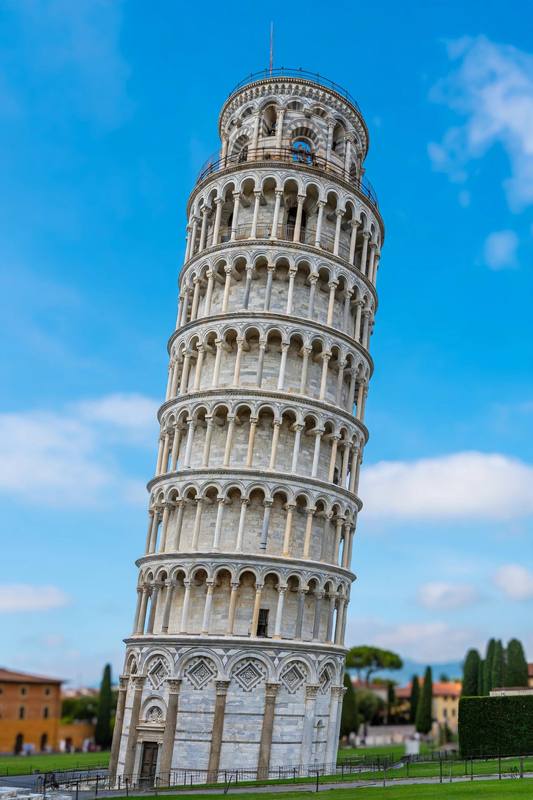
A landmark is a famous building or place that everyone recognizes,
like a tower or a statue or a bridge.
Every city has one landmark
that is on all the postcards.
Landmarks are great meeting points too.
Like, let's meet at the landmark at noon
and everybody knows where to go.
Now, to find those landmarks,
I always buy a guidebook.
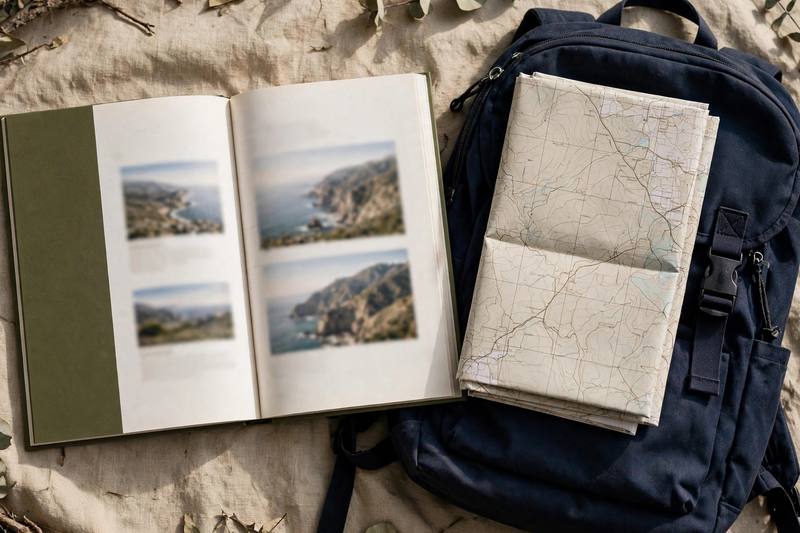
A guidebook is a book full of information for travelers,
with maps, restaurant tips, history, all of it.
I know everyone uses their phone now,
but I still love a paper guidebook.
Me too, and I love to just explore.
Explore is a verb that means to travel around a place to learn about it,
to discover it.
We explored the city on foot for hours,
turning down random streets just to see what was there.
That is the best way to travel.
And when you explore the countryside,
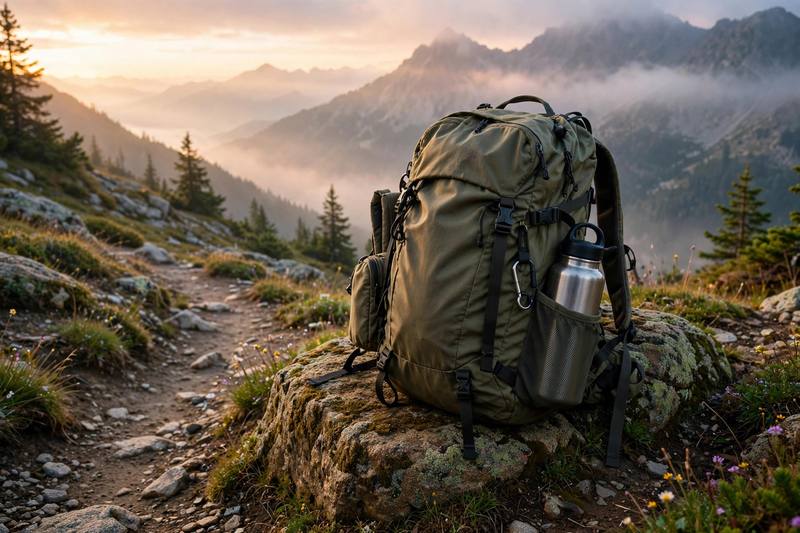
you take a backpack.
A backpack is the bag you carry on your back,
perfect for hiking.
My backpack has been to four countries with me.
A good backpack is a traveler's best friend.
Now, what about going across water?
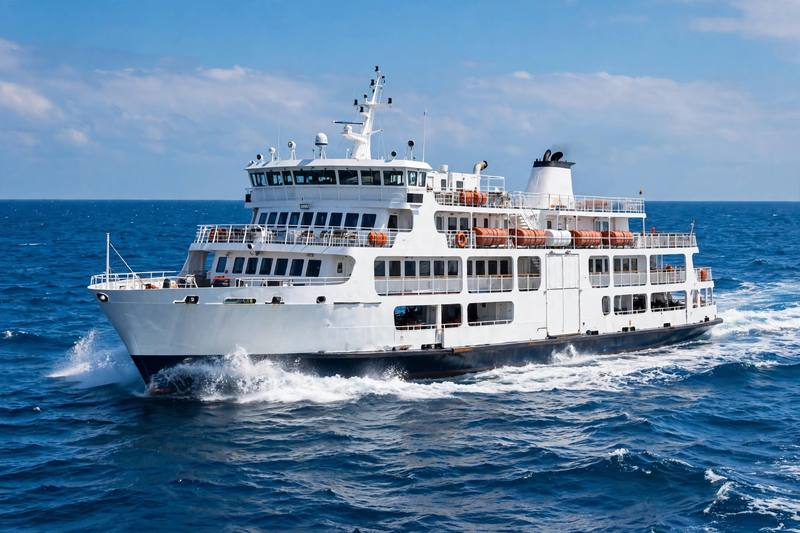
You can take a ferry.
A ferry is a boat that carries people across water on a regular route,
like from the mainland to an island.
We took the ferry at sunset, and it was beautiful.
Ferrys are lovely.
And then there's the big one, the cruise.
A cruise is a holiday on a large ship that visits different places.
My aunt went on a cruise around the Mediterranean,
and she still talks about it every single Christmas.
A cruise is like a floating hotel.
You wake up in a new place every day.
I want to try one someday.
Okay, but travel's not always smooth.
Sometimes there's a delay.
A delay means something happens later than planned.
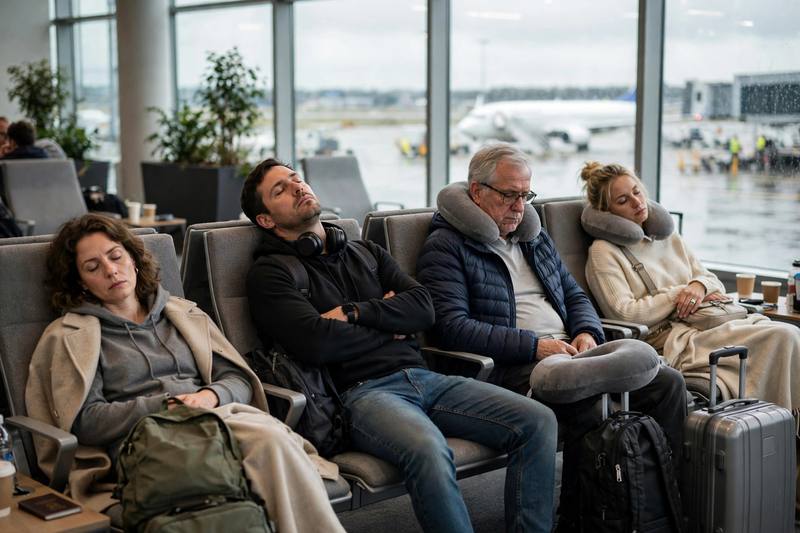
Our flight was delayed by two hours,
so we just sat in the terminal, drinking coffee.
Delays are annoying but normal.
What is worse is when they cancel.
Cancel is a verb that means to stop something that was planned.
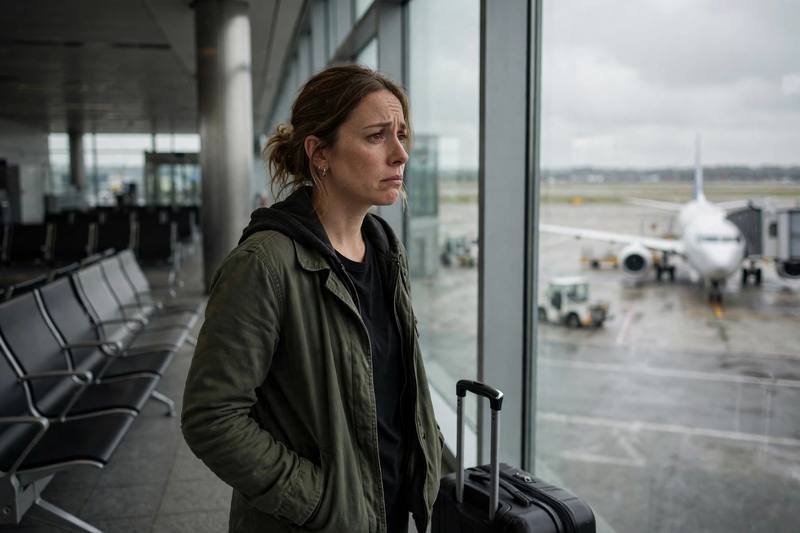
They canceled our flight because of the storm,
and we had to stay one more night.
That happened to me once, and honestly,
the extra night turned into a great adventure.
Adventure is an exciting or unusual experience.
Our trip to the desert was a real adventure.
Camels and sand dunes and everything.
I love that word, like every good trip needs a little adventure.
Now a comma word, reserve.
Reserve is a verb that means to book something in advance.
I reserved a table at the restaurant,
or we reserved our hostel room two months early.
Always reserve in the busy season.
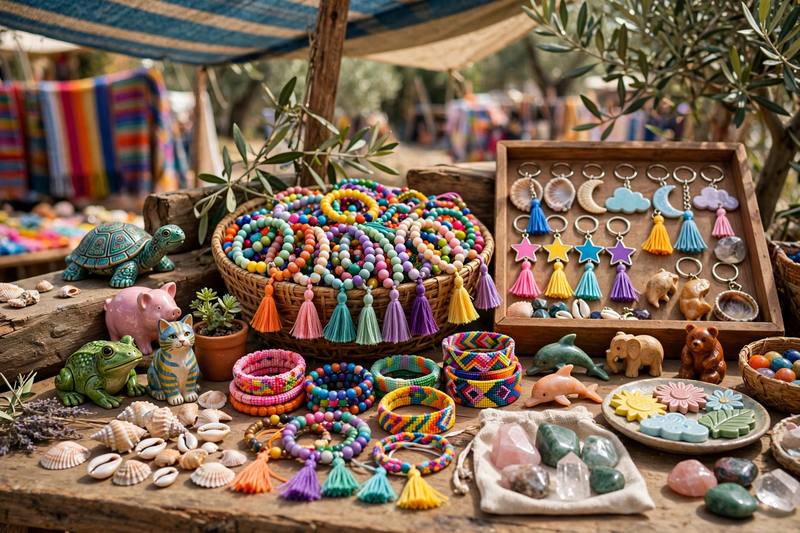
And before we finish, one more lovely word, souvenir.
A souvenir is something you buy to remember a trip by.
A little gift.
I bought a small souvenir for my mother,
a tiny painted plate.
Souvenirs are the best.
Every time I look at mine, I am back on that trip for a second.
Let's do a quick recap of our 20 words, just to lock them in.
Luggage, your travel bags,
suitcase, the big bag with wheels,
journey, a long trip,
departure, leaving,
arrival, reaching your destination,
terminal, the airport building,
hostel, the cheap, friendly place to stay.
20 words, one big holiday.
If you learned even half of them today,
that is a great result.
And here is our challenge for you.
Use three of these words in a sentence about your dream holiday
and say it out loud.
Like, I want to take a ferry to an island and have a real adventure.
I love that.
Mine is, I will reserve a room in a beach resort and spend every day sightseeing.
Perfect. Thanks for traveling with us today on Word Kitchen.
See you next time and happy travels, everyone.
Bye!
🎙 Try Shadowing free sample
Listen and repeat along with the studio audio. Full shadowing practice with pronunciation scoring is in the app.
Our journey began early in the morning at the airport terminal.
Our journey began early in the morning at the airport terminal.
We collected our luggage and found our suitcases quickly.
Train your speaking
Shadow every sentence with studio audio and get your pronunciation scored — only in the Muse English app.
📝Grammar: Present perfect: have/has + past participle
We use the **present perfect** to talk about past actions that are connected to the present. Form it with **have** or **has** + the **past participle** of the main verb: *I have visited*, *she has eaten*. Use **have** with *I, you, we, they* and **has** with *he, she, it*: *they have arrived*, *he has arrived*. We often use it for **life experiences** with *ever* and *never*: *Have you ever been to Japan? I have never tried sushi.* The exact time is not important — what matters is the experience itself. We also use it for **recent actions** with *just*, *already*, and *yet*: *She has just f
Master this grammar in the app
Get clear explanations, more examples and interactive exercises.
Keep learning every day
New lessons, podcasts and quizzes daily — free in the Muse English app.