

📖 What is Muse English?
Muse English is a free English learning app with daily lessons across all 6 CEFR levels (A1 Beginner to C2 Proficient). Every day brings new vocabulary, a real podcast conversation, shadowing practice, grammar and quizzes — all at museenglishapp.com.
📚 Vocabulary
15 new words Learn new words with real examples and audio.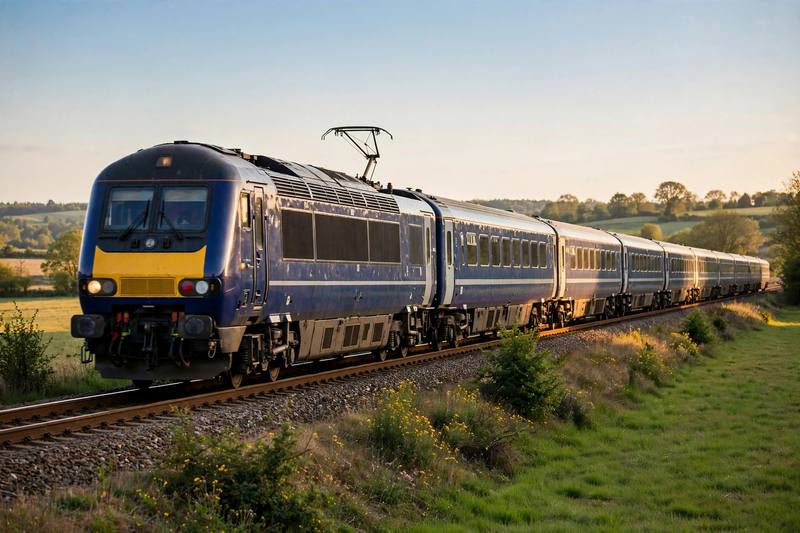





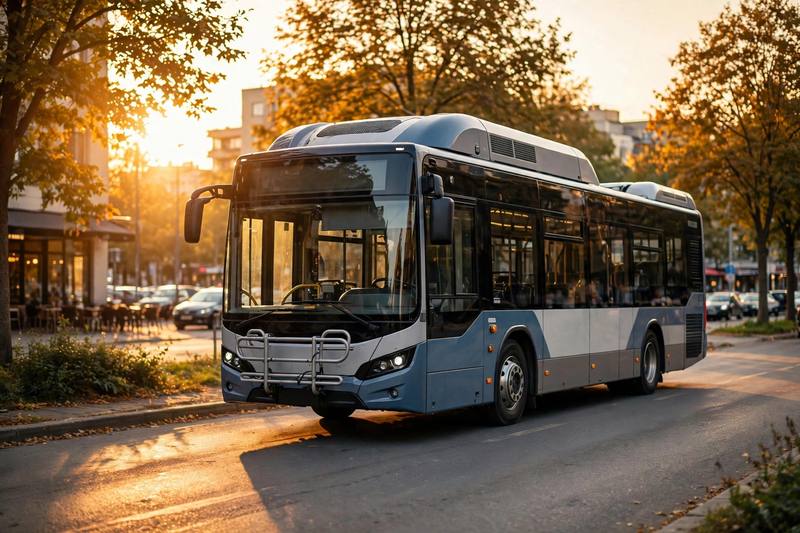
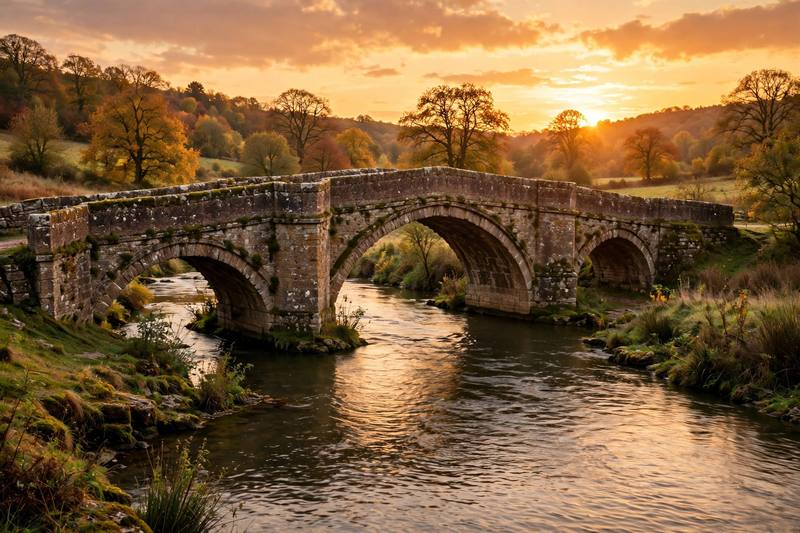
Podcast: Travel & Transport
Listen to today’s conversation.
📝 Podcast Transcript
Hello everyone, and welcome back to Word Kitchen! I am Maya.
And I am Lena! Today we are talking about travel and transport. We have fifteen new words for you, and we will use them in a fun travel story.
That sounds great, Lena. So, where are we going today?
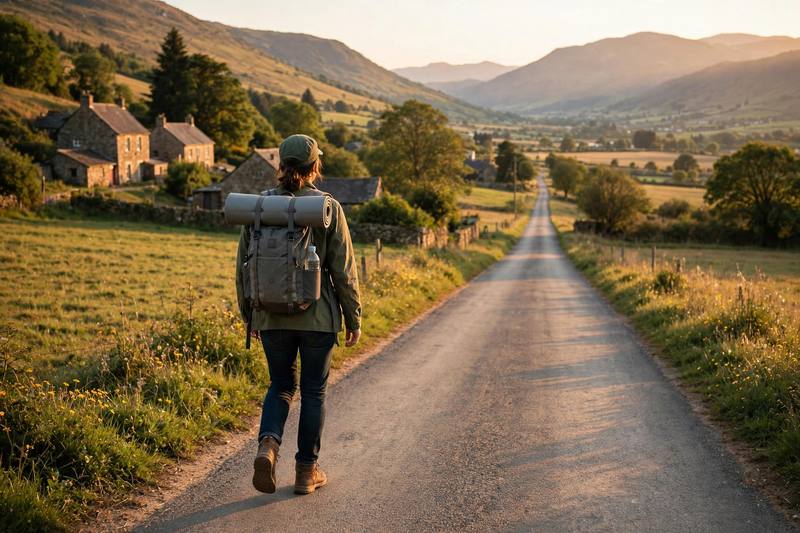
We are going on a journey! A journey is a long trip from one place to another. Our journey starts at the train station.
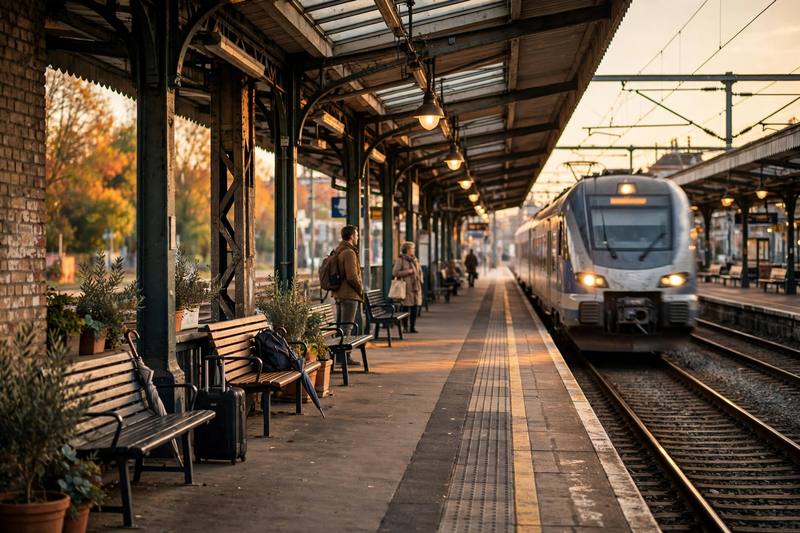
A station is the building where trains stop. Our first word, train, is a long vehicle that carries people on rails. So we are at the station, and we are taking the train.
Right. Before we get on the train, we need a ticket. A ticket is a small paper you buy to travel. Maya, do you have your ticket?
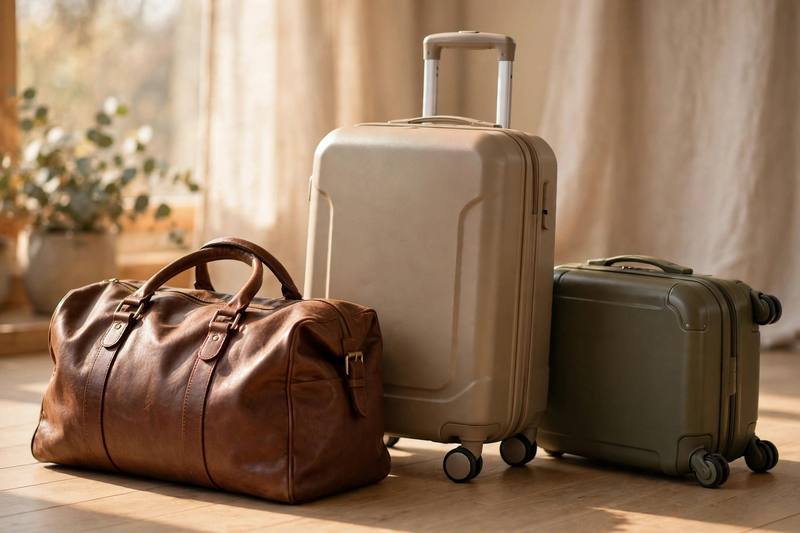
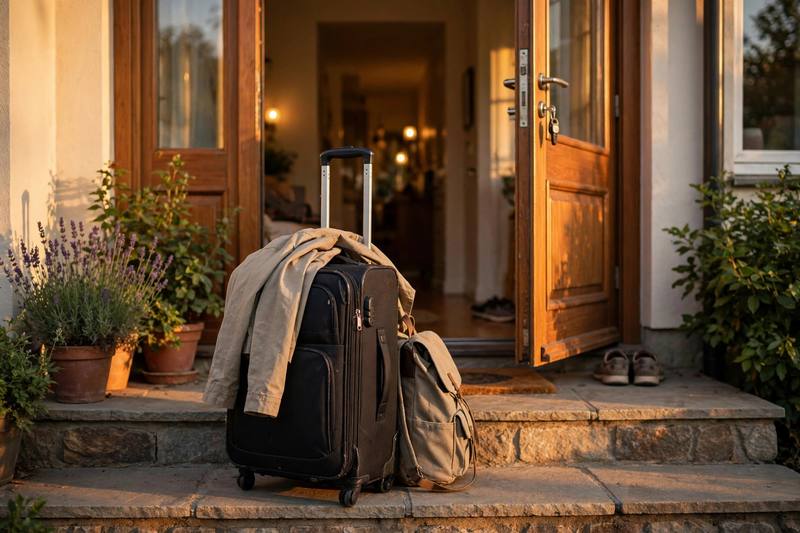
I do! And I have my luggage too. Luggage is the bags you carry when you travel. My luggage is very heavy today. What about you, Lena?
My luggage is light. I packed only one small bag. Oh no, look at the big clock in the station. What time is our departure?
Departure means the time you leave a place. Our departure is at ten o'clock. We still have twenty minutes.
Good. And what time is our arrival? Arrival is the time you come to a place.
Our arrival is at one in the afternoon. We will be on the train for three hours.
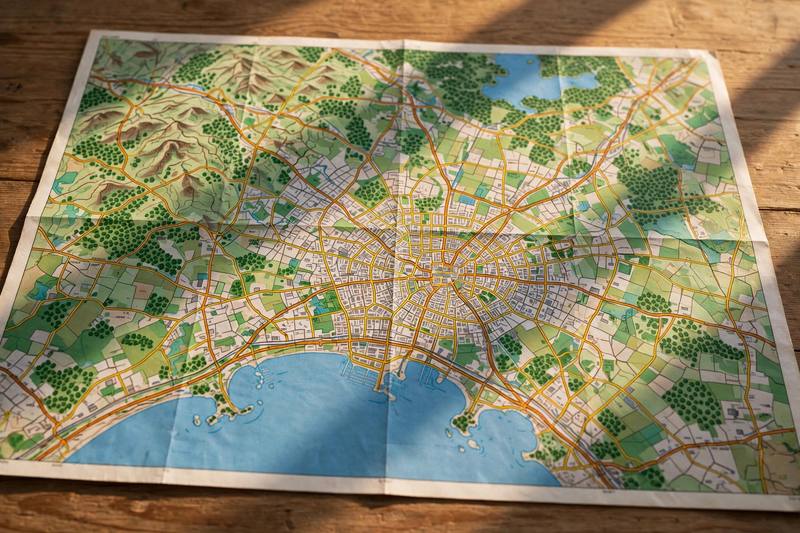
Three hours is a long time. Let me look at the map. A map is a picture that shows roads and places. The map says we will cross a big river.
Oh, and we will go over a bridge! A bridge is a road over a river. I love looking out the window when the train goes over a bridge.
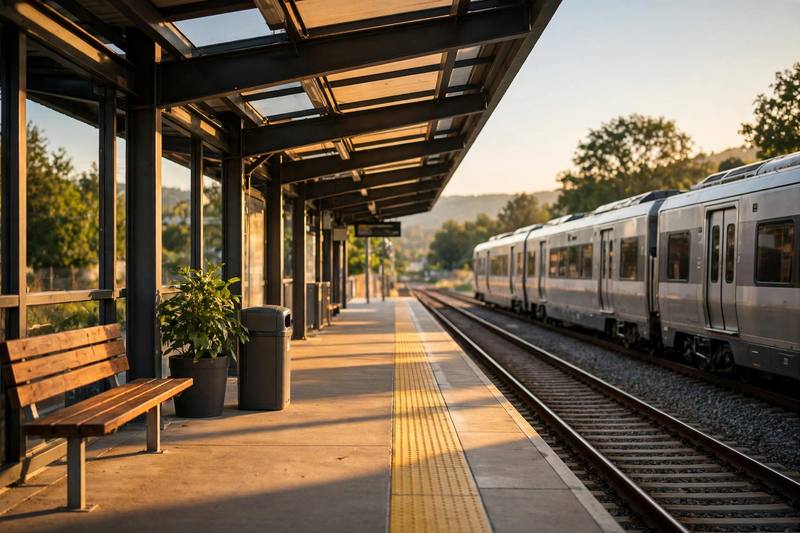
Me too. Wait, what platform are we on? A platform is the raised area where you wait for a train.
Let me check the ticket. It says platform two. We are on platform two, but the train is not here yet.
No problem. I can see the station is very busy. Many people are waiting with their luggage.
Do you have your passport, Lena? A passport is the small book that lets you travel to other countries.
For a train in this country, I do not need my passport. But I always carry it when I travel. It is good to have it.
Smart. Oh look, the train is coming! Let's go to the platform door. Do not forget your luggage!
I have it. Wow, the train is so long. Let's find our seats. My ticket says seat number twelve.
My ticket says seat number thirteen. Perfect, we are sitting together. Here is the journey part, Lena. Three hours on the train.
I like the start of a journey. Everything is new and exciting. Where will we sleep tonight, Maya?
At a hotel. A hotel is a building where travellers sleep and pay for rooms. Our hotel is near the station in the new city.
Will we be a guest there? A guest is a person staying at a hotel.
Yes, we will be guests at the hotel for two nights. Then we take the bus to the mountains.
A bus is a big vehicle that carries many people on the road. Is the bus station far from our hotel?
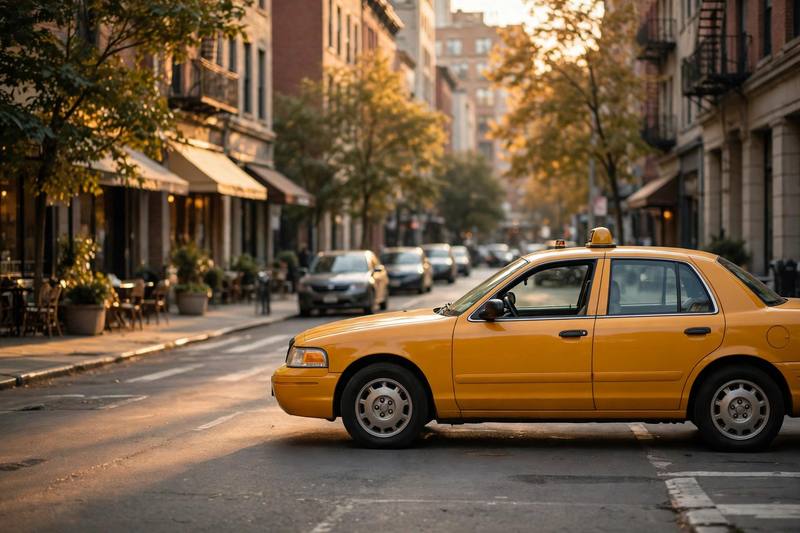
No, it is very close. We can take a taxi. A taxi is a car with a driver that you pay to take you somewhere.
Good idea. A taxi is fast, and our luggage is heavy. Maya, look out the window! We are on the bridge!
Wow, the river is so beautiful. The train is moving slowly over the bridge. I can see boats on the water.
This journey is already wonderful. Let's use our words one more time, Maya. A journey is a long trip.
A train carries people on rails. A station is where trains stop. A ticket is the paper you buy to travel.
Luggage is your travel bags. A map shows roads and places. A hotel is where travellers sleep.
A guest stays at a hotel. A passport lets you travel to other countries. A taxi is a car with a driver you pay.
Arrival is when you come to a place. Departure is when you leave. A platform is where you wait for the train.
A bus carries many people on the road. And a bridge is a road over a river.
That is all fifteen words! Great job, everyone. Practice them on your next trip.
Wait, Lena, one more question. What is the most important thing for a good journey?
Hmm. I think it is a good map, a light bag of luggage, and a comfortable hotel at the end of the day.
I agree. And do not forget your ticket before the departure, or the train will leave without you!
That is true. I once missed my bus because I forgot the time of departure. Now I always check my ticket two times.
Good habit. When you travel by taxi, the driver can take you straight to the hotel door. No heavy luggage to carry.
And at the hotel, the guest room is waiting. You give your name, you get a key, and your journey for the day is done.
Then tomorrow, a new bus, a new bridge, and a new adventure. Travel is the best way to learn new words.
It really is. Okay, now we are really finished. Practice these words with a friend and plan your own journey.
Thanks for listening to Word Kitchen. See you next time!
Bye!
🎙 Try Shadowing free sample
Listen and repeat along with the studio audio. Full shadowing practice with pronunciation scoring is in the app.
Tutor: Hello! Here is today's shadowing story. It uses all fifteen words from today's lesson. I will read each sentence two times. First, just listen. Then, speak along with me.
Tutor: Sam is going on a journey to a new city.
Tutor: Sam is going on a journey to a new city.
Train your speaking
Shadow every sentence with studio audio and get your pronunciation scored — only in the Muse English app.
📝Grammar: Obligation and prohibition: have to, must, should
We use **have to**, **must**, and **should** to talk about rules and advice. Use **have to** for a rule or a need. You **have to** show your passport at the station. Use **must** for a very strong rule. You **must** stop at the red light. Use **don't have to** when something is not needed. You **don't have to** take a taxi to the hotel. Use **mustn't** when something is not allowed. You **mustn't** smoke on the train. Use **should** for good advice. You **should** check your ticket before departure.
Master this grammar in the app
Get clear explanations, more examples and interactive exercises.
Keep learning every day
New lessons, podcasts and quizzes daily — free in the Muse English app.