
📖 Muse English چیست؟
Muse English یک اپلیکیشن رایگان آموزش زبان انگلیسی است، با درس روزانه برای هر شش سطح، از A1 (مبتدی) تا C2 (تسلط کامل). هر روز لغتهای تازه با معنی فارسی، یک پادکست واقعی، تمرین شدوئینگ، گرامر و آزمون دارید. دربارهٔ اپ
📚 لغتها
۱۰ لغت تازه لغتهای تازه با معنی فارسی، مثال واقعی و تلفظ.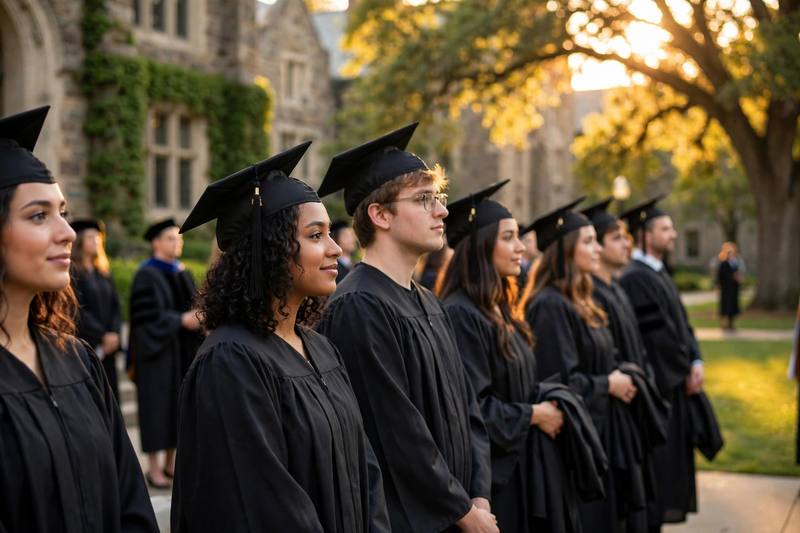








پادکست: روز مرور
گفتوگوی امروز را گوش کنید.
📝 متن پادکست
Welcome to Muse English! I am Maya, and today is a special review day. We are not learning new words today. Instead, we are looking back at twenty one wonderful words from the last three days, and we are going to use them again until they feel completely natural.
Hello everyone, I am Lena. I love review days, because this is when learning really sticks. We talked about health, technology, and education. Today we will connect all three themes in one conversation.
Let us start with health, because it gave us some beautiful and very advanced words. Imagine a patient who arrives at a hospital with an acute problem. When doctors say acute, they mean severe and sudden. An acute pain is not a small ache that lasts for weeks. It arrives quickly and it demands attention right away.
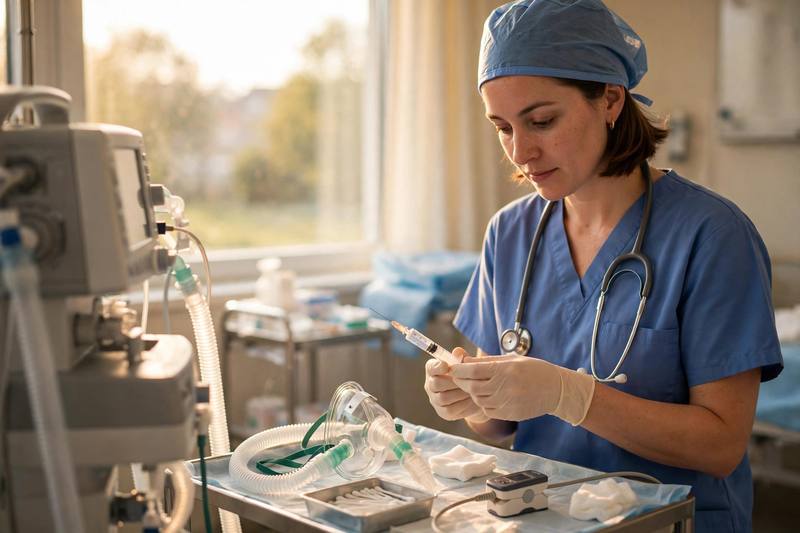
That is a helpful way to remember acute. And who helps that patient in the operating room? The anaesthetist is the doctor who specialises in anaesthesia, the controlled loss of sensation that allows surgery to happen safely. A good anaesthetist watches every breath and every heartbeat, so the patient feels nothing and stays safe.
Exactly. Without anaesthesia, modern surgery would be impossible. Sometimes a patient may face an adverse reaction to a medicine. Adverse means unfavourable or harmful, so doctors always explain possible adverse effects before treatment.
Health is not only about hospitals. Many people wake up with aches and pains after a long walk. For those aches and pains, some people visit an acupuncturist. An acupuncturist places very fine needles at specific points, and many patients say an acupuncturist helped them relax.
I find that fascinating. An acupuncturist represents a much older tradition of healing, and that tradition is part of what we call alternative medicine. Alternative medicine includes treatments that sit outside conventional Western medicine. Some people choose alternative medicine alongside hospital care, while others explore alternative medicine when they want a gentler approach.
And we should clarify something important here. When we clarify a point, we make it clearer and easier to understand. So let me clarify: alternative medicine is not a rejection of science. The best doctors clarify the benefits and the limits of every option, so patients can decide with confidence.
Beautifully said. A comprehensive approach to health looks at the whole person. A comprehensive check includes body, mind, sleep, food, and daily habits.
Speaking of comprehensive, let us remind our listeners how they can practise these words every day.
That is right, Lena. If you enjoy this review, you will love the Muse English app. It is completely free, and every day it gives you fresh words with clear photos, natural examples, and pronunciation you can listen to and repeat. You get this podcast, shadowing stories that train your speaking, fun quizzes that test your memory, grammar lessons that build step by step, and a friendly leaderboard where your points grow as you learn. Install Muse English today, open your daily lesson, and turn five quiet minutes into real progress. Your future self will thank you for starting now.
Now let us move to the medicine of the future, and one of the most hopeful phrases in English: gene therapy.
Gene therapy treats disease by replacing faulty genes. Instead of only managing symptoms, gene therapy tries to fix the root cause inside our cells. Scientists who carry out research in this field spend years testing ideas carefully. When teams carry out research with patience and honesty, gene therapy moves from a dream to a real treatment.
To carry out research means to conduct a systematic investigation to establish facts. Universities carry out research, hospitals carry out research, and even our listeners can carry out research when they investigate a question properly. Good research begins with a clear question, and then we clarify what we already know and what we still need to discover.
Gene therapy is connected to genetic modification, which means altering genetic material for specific traits. Genetic modification raises ethical questions we must discuss openly. We cannot foresee every consequence, because to foresee is to predict before it happens.
Nobody could foresee how quickly technology would change our homes. Twenty years ago, a flat-screen TV felt like science fiction. Today a flat-screen TV hangs in almost every living room, and my brother plays his games console right next to it.
My nephew loves his games console too. While we watch a flat-screen TV, scientists envisage bigger changes. To envisage is to imagine a future possibility. They envisage hospitals without waiting lists, and classrooms where every child learns at their own pace.
I envisage a future where learning English feels like a game. Some dreamers even envisage meeting an extraterrestrial being, a hypothetical intelligent life form from another planet. We have no proof that an extraterrestrial being exists, but imagining one helps us ask deep questions.
That wonder is why education matters, our third theme. A great teacher can clarify a difficult concept in one simple sentence. When a student says, please clarify that point, that question is always welcome.
Teachers help students carry out research for their projects. A comprehensive education teaches students to ask questions and check facts. At the end, students celebrate at commencement. Commencement is a beginning, and also the graduation ceremony itself.
I still remember my commencement. At commencement, families take photographs and students feel proud and nervous. Commencement closes one chapter and opens another.
Let us pause for our second reminder, because a daily habit makes words stay in your memory.
Here is a simple promise you can keep. Open the Muse English app every morning, learn your new words with their photos and pronunciation, listen to this podcast while you walk, and then practise the shadowing story out loud until the sentences feel easy. The app remembers what you studied, brings words back for review at the perfect moment, and celebrates your streak when you show up again. It is free, it is friendly, and it fits in your pocket. Download Muse English, start your streak today, and let small daily steps carry you to fluent, confident English.
That system is truly comprehensive. Now let us return to health. Imagine an athlete who feels an acute pain in her knee during a race. The pain is acute, so she stops immediately.
A wise decision. An acute injury needs rest. Her doctor arranges a comprehensive examination. If surgery is needed, an anaesthetist will care for her, and the anaesthetist will monitor her until she wakes.
During recovery, she might visit an acupuncturist. Her acupuncturist treats the aches and pains that follow training. Some athletes combine hospital medicine with alternative medicine, and they say alternative medicine helps them feel calmer.
To clarify the science, researchers carry out research on these approaches. They carry out research in hospitals, and their comprehensive reports help doctors choose wisely. In the future, gene therapy might help injured tissue repair faster, and gene therapy could change sports medicine.
We cannot foresee the exact year, but clear communication will always matter. Doctors must clarify risks and teachers must clarify ideas, especially when they face computer jargon. Computer jargon is the specialised language of computer professionals, and too much computer jargon hides simple ideas.
Every expert should learn to clarify. Language keeps changing too. Writers coin new words when old words are not enough. To coin means to invent, and Shakespeare would coin expressions we still use today. Perhaps a listener will coin the next great word.
When fighting ends, we speak of the cessation of hostilities. Cessation means the stopping of something. In daily life, the cessation of noise after a busy day feels like a gift.
Let us end with a scene at home. A family gathers around their flat-screen TV to watch a commencement on the news. On the flat-screen TV, graduates throw their caps in the air. Grandfather laughs that his games console cannot teach him as much as those students learned.
That is exactly how review works. We meet a word in a hospital, then in a classroom, then at home, and suddenly the word belongs to us.
Let us do a very quick final check together. Acute means severe and sudden. An anaesthetist gives anaesthesia and keeps patients safe. An acupuncturist uses fine needles to help with pain. Alternative medicine offers approaches outside conventional care. To clarify is to make something clearer. Comprehensive means complete and including everything. Gene therapy treats disease by replacing faulty genes. To carry out research is to investigate systematically. Commencement is a beginning and a graduation ceremony. And a flat-screen TV is the thin television on your wall.
Perfect. You have reviewed health, technology, and education in one comprehensive conversation, in real sentences, not a list. Stay with these words today, say them out loud, and notice them this week.
Before we say goodbye, try one small challenge tonight. Choose one word from today, perhaps acute or comprehensive, and use it in a sentence about your own life. Then choose another, perhaps clarify or commencement, and explain it to a friend in your own words. Teaching a word is the fastest way to own it, and your friend will learn something new as well.
Thank you for joining us for this review day on Muse English. Keep your streak alive in the app, practise your shadowing story, and come back tomorrow for fresh words and a brand new conversation. Until then, keep learning, keep smiling, and keep speaking English with confidence.
Goodbye for now, everyone. We are proud of you, and we will see you tomorrow on Muse English.
🎙 تمرین شدوئینگ نمونهٔ رایگان
گوش کنید و همزمان با صدا بلند تکرار کنید. تمرین کامل شدوئینگ در اپ است: هر جمله را تکرار میکنید و میبینید اپ چند کلمه از آن را تشخیص داده است.
The anaesthetist explained the plan before the commencement of the operation.
An acute pain in his chest made the patient call for help at once.
The acupuncturist asked the patient to clarify where the acute pain began.
صحبت کردن را تمرین کنید
در اپ Muse English همهٔ جملهها را شدوئینگ کنید. اپ گوش میدهد و نشان میدهد چند کلمه از جملهتان را تشخیص داده است.
هر روز ادامه بدهید
هر روز درس، پادکست و آزمون تازه؛ رایگان در اپ Muse English.