
📖 Muse English چیست؟
Muse English یک اپلیکیشن رایگان آموزش زبان انگلیسی است، با درس روزانه برای هر شش سطح، از A1 (مبتدی) تا C2 (تسلط کامل). هر روز لغتهای تازه با معنی فارسی، یک پادکست واقعی، تمرین شدوئینگ، گرامر و آزمون دارید. دربارهٔ اپ
📚 لغتها
۷ لغت تازه لغتهای تازه با معنی فارسی، مثال واقعی و تلفظ.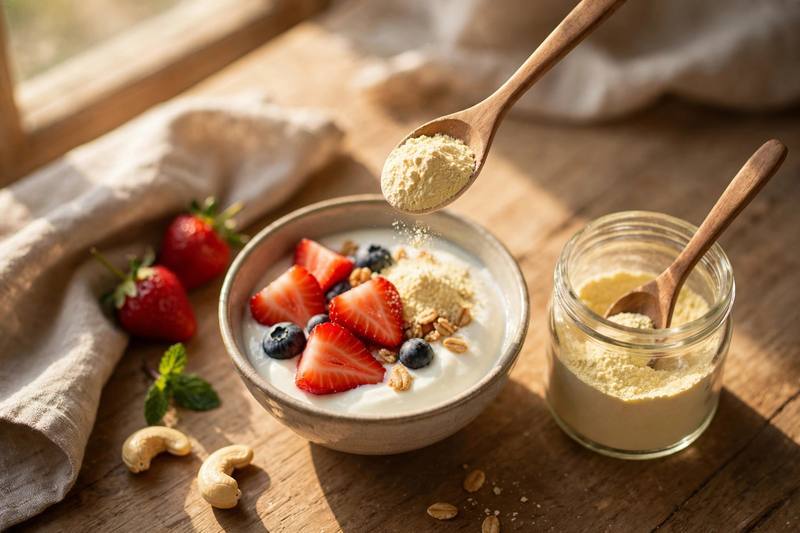



پادکست: غذا و آشپزی
گفتوگوی امروز را گوش کنید.
📝 متن پادکست
Welcome to Muse English! I am Maya, and today we are talking about something we all deal with every single day, the food we eat, and the choices behind it.
And I am Lena. Maya, I have to confess something. Yesterday I stood in the supermarket for ten minutes just reading the back of a soup packet, and I still had no idea what half of it meant.
That is exactly where we should start, because food labels are full of words that sound scientific but affect our daily lives. Take the word additive. An additive is a substance added to food to improve it, maybe to keep it fresh longer, to give it color, or to make it taste stronger.
So when a label says it contains an additive, that is not automatically a bad thing?
Not automatically, no. Some additive products are completely harmless, like vitamin C added to juice to stop it going brown. But other people worry about a particular additive, especially an artificial one, because they feel they do not know what it really does to the body.
That makes sense. I think the real question is how much we trust what is in our food, and how much we actually cook ourselves.
Exactly. And that brings us to our first break, because there is something I want to tell you about.
If you are enjoying learning words like this, you should try the Muse English app. Every day you get fresh words with photos and pronunciation, plus this podcast, shadowing stories, quizzes, grammar lessons, and a leaderboard where you collect points as you learn. It is free to install, and it turns ten spare minutes into real progress. Go and give it a try today.
Welcome back. Lena, before the break you said you stood in the supermarket reading labels. Did you end up buying the soup?
I did not. I put it back, because I saw a long list of ingredients I could not pronounce, and I thought, I would rather cook something simple at home.
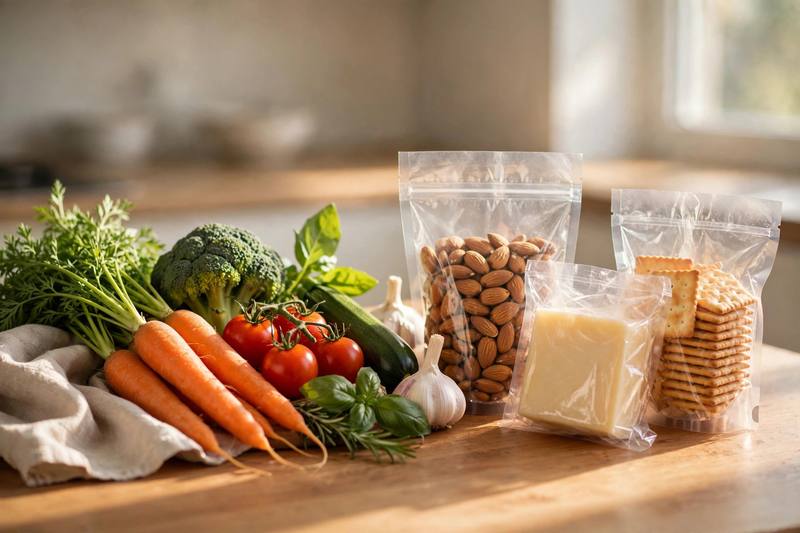
That is a very common reaction. Cooking at home gives you control, and it also means you eat less convenience food. Convenience food is pre-prepared food that needs very little cooking, like a frozen pizza or a ready meal you just heat up.
Convenience food saves time, though. After a long day at work, convenience food feels like the only realistic option.
It does, and there is no shame in that. But when convenience food becomes the default every night, you lose track of what you are eating. A home cooked meal does not have to be complicated. It can be rice, vegetables, and some beans, and it is still faster than you think.
Speaking of knowing what you eat, Maya, I have a friend who has to read every label very carefully, because she is allergic to peanuts. If she is allergic to something, even a tiny amount can make her seriously ill.
That is a really important point. When someone is allergic to a food, it is not a preference, it is a medical issue. And an allergy can develop at any age. An allergy is a damaging immune response to a substance, which means the body overreacts to something harmless, like a peanut.
Her allergy is so severe that she carries an EpiPen everywhere. She told me that eating at a restaurant feels stressful, because she has to explain her allergy to every waiter, every single time.
I can imagine. And it is not just peanuts. Some people discover an allergy to milk, or to shellfish, or to wheat, and suddenly their whole diet changes. Living with an allergy teaches you to cook carefully and to ask questions, which is actually a useful skill for everyone.
It also makes you think about the food system itself. Like, where does our food come from, and how are the animals treated?
That is the next big question, and it connects to two more of our words today. Animal welfare means the physical and mental well-being of animals. When shoppers care about animal welfare, they want to know that the animals lived decent lives, with space, fresh air, and proper food.
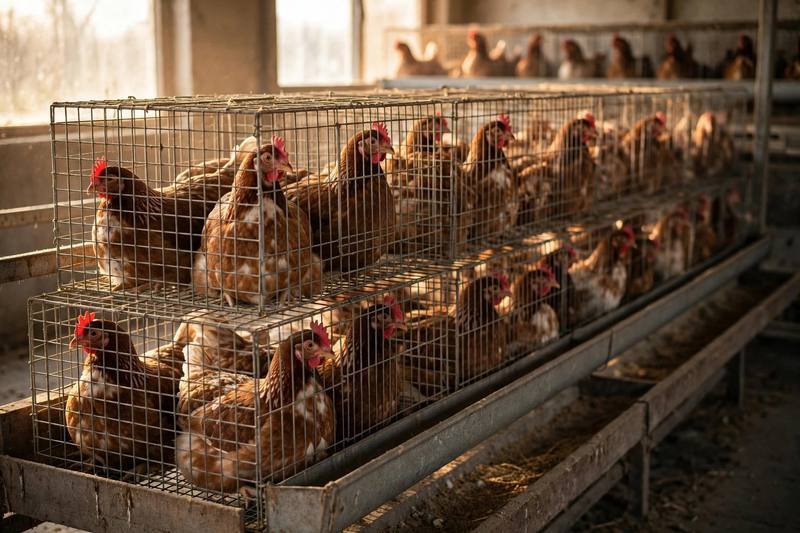
And the opposite of that is battery farming, right? Battery farming means keeping farm animals in small cages for mass production. Many consumers oppose battery farming because of ethical concerns.
Yes. Battery farming is efficient, and it keeps prices low, but critics say it ignores animal welfare completely. So shoppers face a real dilemma. Do you pay more for food that respects animal welfare, or do you buy the cheaper option?
I think a lot of people would choose better animal welfare if they could afford it. But when money is tight, convenience food and cheap meat win, even if you dislike battery farming.
Listeners, a quick word about the Muse English app. It gives you daily words with photos and pronunciation, this podcast, shadowing stories to practise speaking, quizzes to test yourself, grammar lessons, and a leaderboard with points to keep you motivated. It is free, it is fun, and it fits into your day. Download it and keep learning with us.
Thanks, Lena. Now, let us pull all of this together. Maya: That tension is real. And it is why some people say a good cook needs all the ingredients of a great meal, not just food, but knowledge too. When we say a team has all the ingredients of a champion, we mean it has everything it needs to succeed. In the same way, a good food system needs all the ingredients of fairness: honest labels, decent animal welfare, and affordable prices.
I love that expression. A person can have all the ingredients of a great cook, too. Curiosity, patience, and a willingness to try new flavors. You do not need fancy equipment, just all the ingredients of a good attitude.
Exactly. And here is something else worth saying before we finish this part.
Thanks for that thought, Lena. Now, let us pull all of this together. Food is not just fuel. Every meal is a set of choices, about health, about money, and about values.
Let us recap our words. First, additive. An additive is a substance added to food, and while one additive may be harmless, a long list of additives on a packet is worth questioning.
Second, convenience food. Convenience food is quick and easy, but relying on convenience food every day means you rarely know exactly what you are eating.
Third, allergic and allergy. If you are allergic to something, your body reacts badly to it, and an allergy is the medical name for that response. A nut allergy, for example, can be life threatening.
Fourth, animal welfare and battery farming. Animal welfare is about how well animals live, and battery farming is the intensive system that many people believe harms animal welfare.
And finally, all the ingredients of something. Remember, a team can have all the ingredients of a champion, and a cook can have all the ingredients of success. It means having everything necessary.
Now, here is my challenge for you this week. Cook one meal from scratch, read one food label properly, and ask yourself one question: does this food respect my health, my budget, and animal welfare?
That is a great challenge. And if you try it, tell us how it went. We love hearing from you.
And here is a practical tip for your next shopping trip. When you pick up a packet, look for the shortest ingredient list you can find. A short list usually means less processing, fewer additives, and food that is closer to its natural state.
That is good advice. I also try to buy food in season. Seasonal vegetables taste better, they cost less, and they rarely need an additive to stay fresh, because they have not travelled for weeks to reach the shop.
Exactly. And if you do buy convenience food sometimes, and we all do, just balance it. Have convenience food for lunch, then cook something fresh for dinner. Nobody is perfect, and one ready meal does not ruin a healthy diet.
What about eating out? If you have an allergy, eating out is stressful, but restaurants are getting better. Many menus now mark dishes clearly, and a good waiter will always check with the kitchen about your allergy.
That is true, and it shows how awareness is growing. Ten years ago, almost nobody talked about animal welfare in a restaurant. Today, menus proudly say where the meat comes from, and whether the farm respects animal welfare. That change happened because customers asked for it.
So our choices really do matter. Every time we choose food that respects animal welfare, or refuse to support battery farming, we send a message to the whole food industry.
And every time we cook at home, we practise the language of food, too. You learn words like additive and allergy naturally, because they are part of your real life, not just a list in a book.
Before we go, let us practise. Say these words with us. Additive. Allergic. Allergy. Animal welfare. Battery farming. Convenience food. And the phrase, all the ingredients of.
Beautiful. Keep practising, keep cooking, and keep learning. This is Muse English, and we will see you tomorrow with seven brand new words.
Goodbye, everyone, and happy cooking.
🎙 تمرین شدوئینگ نمونهٔ رایگان
گوش کنید و همزمان با صدا بلند تکرار کنید. تمرین کامل شدوئینگ در اپ است: هر جمله را تکرار میکنید و میبینید اپ چند کلمه از آن را تشخیص داده است.
Sara loves cooking dinner for her family every evening.
Yesterday she read a food label and found a strange additive in her favourite soup.
She did not know what the additive did, so she searched for information online.
صحبت کردن را تمرین کنید
در اپ Muse English همهٔ جملهها را شدوئینگ کنید. اپ گوش میدهد و نشان میدهد چند کلمه از جملهتان را تشخیص داده است.
📝گرامر: Inverted Conditionals (Had I known, Should you need...)
In formal English, we can drop if and invert the subject and the auxiliary. Had I known means the same as if I had known, but it sounds more formal and more elegant.
Only three auxiliaries work this way: should, were and had. Should you need help covers a possible future event, were I you covers an unreal present, and had I known covers an unreal past.
For negatives, put not after the subject and never use a contraction. Had I not seen the label is correct, while Hadn't I seen it is wrong.
Two fixed phrases are worth memorising: were it not for an
این گرامر را در اپ کامل یاد بگیرید
توضیح کاملتر، مثالهای بیشتر و تمرین تعاملی.
راهنمای کامل و تمرینها: Inverted Conditionals (Had I known, Should you need...) ←
هر روز ادامه بدهید
هر روز درس، پادکست و آزمون تازه؛ رایگان در اپ Muse English.