

📖 Muse English چیست؟
Muse English یک اپلیکیشن رایگان آموزش زبان انگلیسی است، با درس روزانه برای هر شش سطح، از A1 (مبتدی) تا C2 (تسلط کامل). هر روز لغتهای تازه با معنی فارسی، یک پادکست واقعی، تمرین شدوئینگ، گرامر و آزمون دارید. دربارهٔ اپ
📚 لغتها
۷ لغت تازه لغتهای تازه با معنی فارسی، مثال واقعی و تلفظ.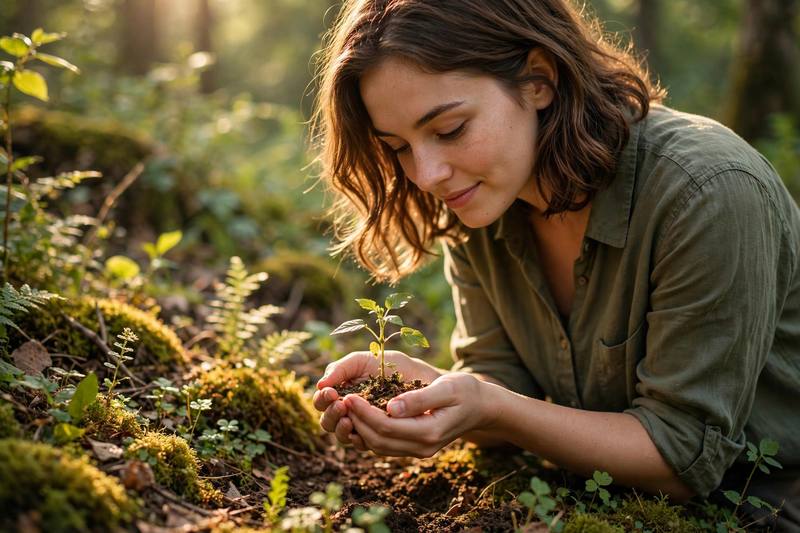
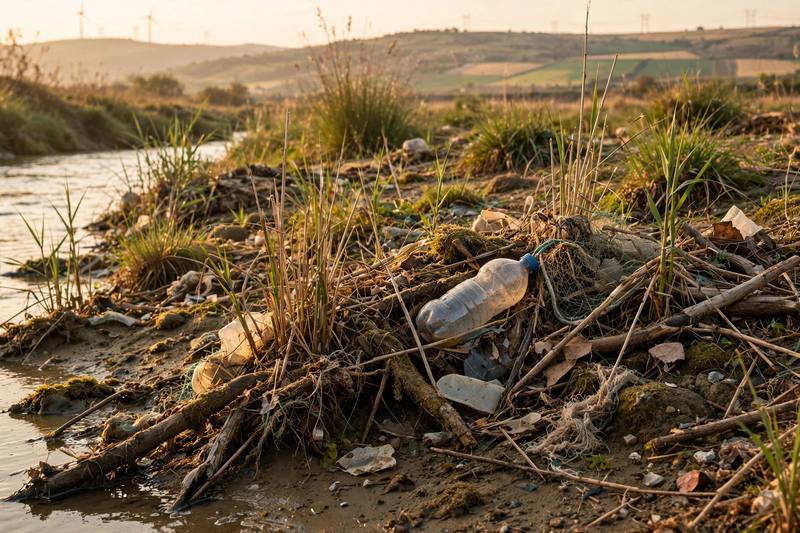
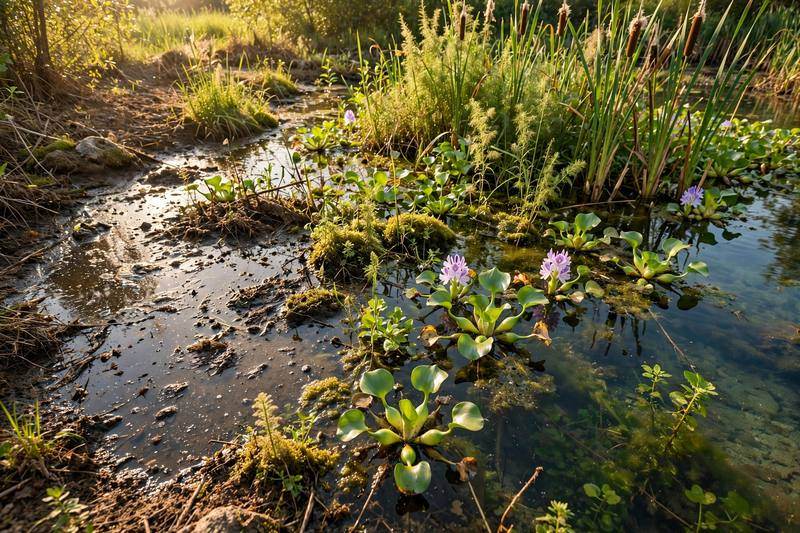
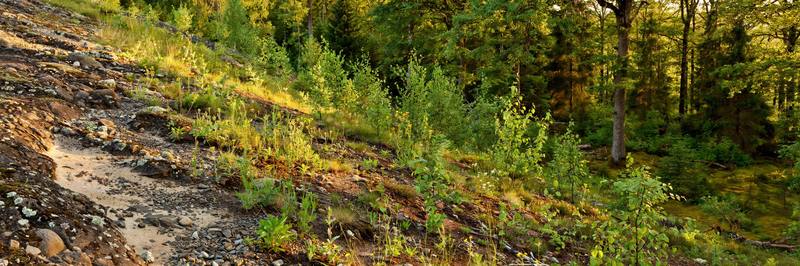
پادکست: طبیعت و محیط زیست
گفتوگوی امروز را گوش کنید.
📝 متن پادکست
Welcome to Muse English! I'm Lena, and today we are walking into the wild with seven beautiful, precise words about nature.
And I'm Maya, here to ask the questions you are probably thinking. Our seven words today are biophilia, anthropocene, bioremediation, succession, defaunation, vernal, and riparian.
By the end of this episode, you will have heard each of them in real conversation, because that is how words stick. Maya, which one should we start with?
Start with biophilia. It sounds like a philosophy.
It almost is. Biophilia is a deep love of living things and nature. The biologist E O Wilson popularized the word, and it describes that pull many of us feel toward forests, oceans, and wild places.
So when I drive an hour out of the city just to sit under big trees, that is my biophilia speaking?
Exactly. People with strong biophilia feel calmer around plants and animals, and research shows that this love of nature is genuinely good for our health. A house full of plants, a weekend hike, a walk by the river, all of these are little acts of biophilia.
I love that. One word for a feeling I have had my whole life.
That is the magic of advanced vocabulary. It names feelings. And here is a word for the age that feeling lives in, the anthropocene.
The anthropocene. Break it down for me.
Anthropo means human, and cene is a geological ending, like the Holocene before it. The anthropocene is the proposed geological age in which humans are the dominant force shaping Earth's systems. It marks the moment when human activity, not glaciers or volcanoes, drives the planet's biggest changes.
So the anthropocene is not only about pollution. It is about our footprint becoming a geological layer.
Beautifully said. Future scientists may read our plastic and concrete as the signature layer of the anthropocene. And if your biophilia makes that idea sad, you are not alone. Many people carry both feelings at once, a love of nature and grief that the anthropocene is wounding it.
A heavy pair of words. Do we get any hope today?
We do, and it comes from our next word. But first, a quick break.
Wait, Lena, before we pause, let me try these two. Biophilia, my love of wild places. Anthropocene, the age of humans reshaping the planet. How did I do?
Perfect. You are already thinking in advanced English. And now, friends, a word about the app.
If you are learning something new today, the Muse English app is where today's words live on after the episode. Open the app and you will find today's words with photos and pronunciation, the full transcript of this podcast, shadowing stories to train your speaking, quizzes to test yourself, grammar lessons, and a leaderboard where you earn points every day. It is completely free to install. Make today's vocabulary yours forever.
And we are back. Lena, give me the hopeful word.
Bioremediation. Say it slowly, bio re me diation. Bioremediation is the use of living organisms, such as bacteria, fungi, or plants, to clean pollution from air, water, or soil. Instead of digging up poisoned earth with machines, we let nature heal itself, with a little help.
Give me a picture I can see.
Imagine a river stained by an old factory. Engineers plant reeds along its banks. The roots absorb heavy metals, and helpful microbes break down the chemicals. That is bioremediation in action. No smoke, no noise, just roots and microbes doing what they have done for millions of years.
So bioremediation is like medicine, but the patient is the land itself.
I will steal that sentence. And bioremediation is growing fast, because it is often cheaper and gentler than traditional cleanup. After bioremediation, a dead river can breathe again, and sometimes your biophilia gets a happy ending.
From cleanup to rebirth. What comes next?
Succession. In everyday speech, succession means following after, but ecologists use it for something gorgeous. Succession is the natural sequence of changes by which an ecosystem develops over time, for example from bare ground to mature forest.
So nature has a script, and succession is the plot?
Exactly. First, tough little weeds and mosses settle on bare rock. They die and build soil. Then grasses come, then shrubs, then trees. That whole long relay is succession. Leave an abandoned parking lot alone for a hundred years, and succession will quietly turn it into a young forest.
A hundred years? Succession is patient.
Very patient. And wise. Farmers and foresters study succession because fighting it is expensive and working with it is free. When you watch succession, you watch nature's memory at work, always returning toward balance.
Okay, I am tracking five words so far. What is defaunation? It sounds ominous.
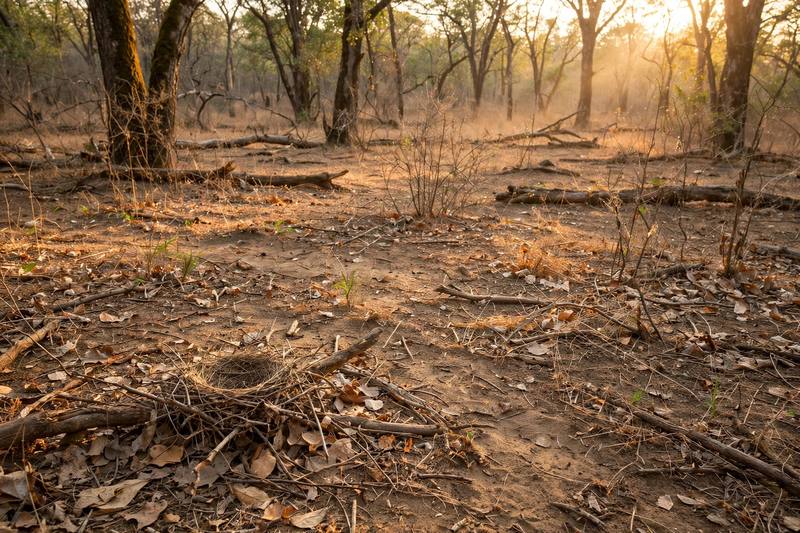
It is. Defaunation is the loss of wild animals from an ecosystem, especially through hunting or habitat loss. Think of defaunation as deforestation's quiet sibling. The trees may still stand, but the forest is empty.
An empty forest. That is haunting.
Scientists call these silent forests. Defaunation happens when hunters take the large animals, the elephants, the big cats, the monkeys. Without them, seeds do not travel, trees do not regenerate, and the whole web weakens. Defaunation starts with animals but ends with plants, and eventually with people, because we depend on those systems too.
Can defaunation be reversed?
Sometimes, yes. Protect the animals, restore their corridors, and the land can recover. Rewilding projects are really just fights against defaunation. Every wolf returned to a valley, every rhino guarded from poachers, is a small victory over defaunation.
That is a word I will not forget. One more pause before the last two?
Yes, and friends, another word about the app.
Everything we cover here, the daily words, this podcast, the shadowing stories, the quizzes, the grammar lessons, they all live in the Muse English app, and it is free to install. Open the app to find today's words with photos and pronunciation, read the full transcript, and test yourself with a quiz. Your points and streaks build on the leaderboard, so every day you practice moves you up. Ten minutes a day is all it takes. Grab the app and start building your streak tomorrow morning.
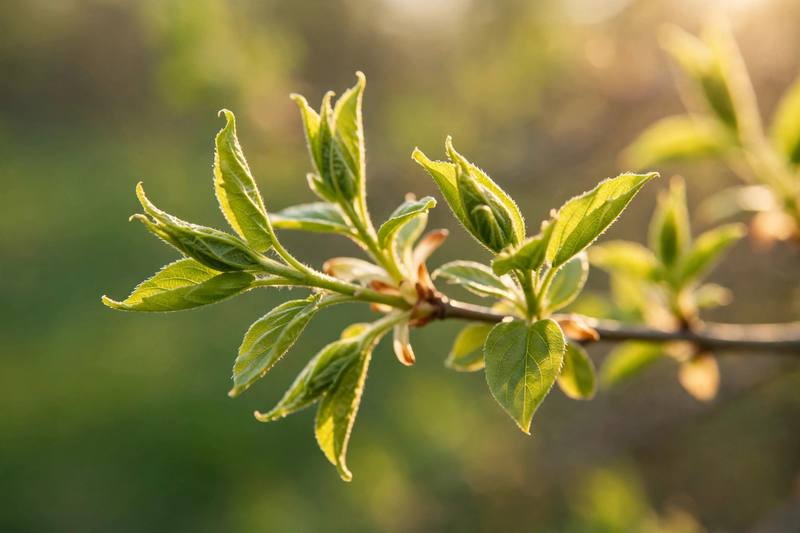
Two words left, and they are the gentlest of the seven. Vernal. It comes from the Latin word for spring. Vernal simply means relating to spring or the beginning of a season.
Vernal. It even sounds fresh.
Use it for that first week of April feeling. The garden wakes each year with vernal energy, crocuses, daffodils, and the first bees. Poets love the vernal light, that clear, hopeful brightness that arrives after winter. And vernal works for beginnings beyond nature too, the vernal season of a new career, a vernal morning in your life.
I will never say just spring again when I can say vernal. And the last one, riparian?
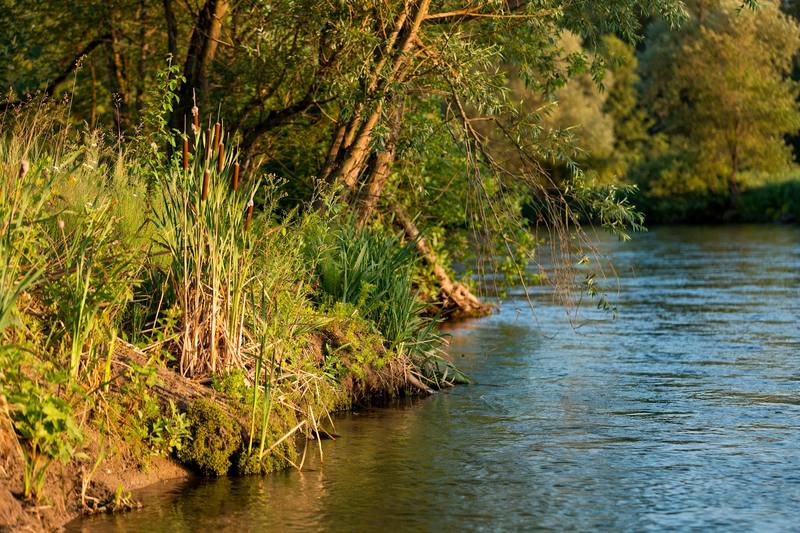
Riparian is a specialist's word, and it means relating to the banks of rivers and streams. The riparian woodland along a river shelters otters, kingfishers, and ancient willows. Those trees are called riparian vegetation, and they do important work, holding the soil, shading the water, feeding the fish.
So if I walk along a river and admire the trees on its banks, I am admiring riparian life.
Precisely. Next time you cross a bridge, look down at the riparian strip on each side. That green fringe is one of the richest habitats on Earth, a nursery for birds, insects, and fish. Riparian zones punch far above their weight.
Before the final review, give me one real sentence for each word, something I can steal for my own English.
Happily. Her biophilia is so strong that she plans every vacation around national parks. The scientists published a paper arguing that the anthropocene began in the nineteen fifties.
Keep going.
The city chose bioremediation over bulldozers, and the lake is swimmable again. Foresters waited patiently while succession did the replanting for free. Camera traps proved that the reserve had escaped defaunation, and the leopards were back.
Two left.
A vernal rain washed the city clean on the first morning of April. And the beavers built their dam in the riparian shallows, where the willows lean over the water.
Stealing all seven.
Then let me do a final review. Biophilia, a love of living things and nature. Anthropocene, the age of humans reshaping the planet. Bioremediation, healing pollution with living organisms.
Succession, nature's long relay from bare ground to forest. Defaunation, the emptying of wild animals from ecosystems. Vernal, of spring and new beginnings. Riparian, of riverbanks and their green fringe.
Seven words, and I can use every one of them. That is a good day.
It is. Open the Muse English app to review them with photos and pronunciation, take the quiz, and try the shadowing story. Until tomorrow, this is Lena.
And Maya. Keep learning, keep growing.
🎙 تمرین شدوئینگ نمونهٔ رایگان
گوش کنید و همزمان با صدا بلند تکرار کنید. تمرین کامل شدوئینگ در اپ است: هر جمله را تکرار میکنید و میبینید اپ چند کلمه از آن را تشخیص داده است.
The River Remembers
Every spring, my grandmother's biophilia pulled her back to the same wild riverbank.
She said the anthropocene could not touch the place where she grew up.
صحبت کردن را تمرین کنید
در اپ Muse English همهٔ جملهها را شدوئینگ کنید. اپ گوش میدهد و نشان میدهد چند کلمه از جملهتان را تشخیص داده است.
📝گرامر: Cleft Sentences (It was... that, What I need is...)
You met cleft sentences at C1; at C2 the focus is precision and range. A cleft sentence splits one idea into two parts to emphasise the part that matters most.
*The reeds cleaned the river* becomes *It was the reeds that cleaned the river* — the reeds, not the machines. The two main types are it-clefts and wh-clefts.
Use it-clefts to correct or contrast: *It's not the river I blame, it's the factory*. With people, use who rather than *which*: *It was my sister who told me*.
After a what clause, the verb stays singular and you never add *it*: *What bio
این گرامر را در اپ کامل یاد بگیرید
توضیح کاملتر، مثالهای بیشتر و تمرین تعاملی.
راهنمای کامل و تمرینها: Cleft Sentences (It was... that, What I need is...) ←
هر روز ادامه بدهید
هر روز درس، پادکست و آزمون تازه؛ رایگان در اپ Muse English.