

📖 What is Muse English?
Muse English is a free English learning app with daily lessons across all 6 CEFR levels (A1 Beginner to C2 Proficient). Every day brings new vocabulary, a real podcast conversation, shadowing practice, grammar and quizzes — all at museenglishapp.com.
📚 Vocabulary
10 new words Learn new words with real examples and audio.
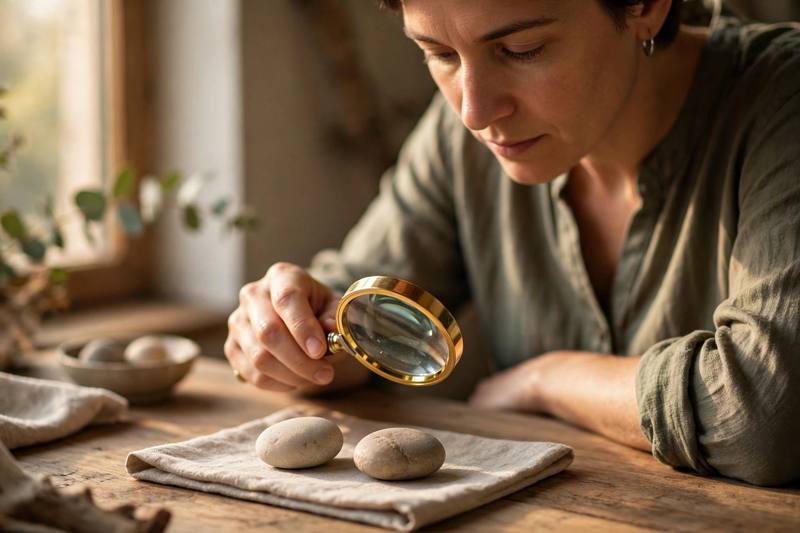








Podcast: Education & Learning
Listen to today’s conversation.
📝 Podcast Transcript
Welcome back to Word Kitchen, everyone. I am Maya.
And I am Lena. Today we are doing something close to both of our hearts, learning itself.
Exactly. We both love reading, we love studying new subjects, and today's ten words are all about the life of the mind. They describe the people who love to learn and the skills that turn a good learner into a great one.
My grandfather is a perfect example of a philomath. He never went to college, but his kitchen table was always buried in library books, and his passion was pure.
A philomath is simply a person who loves learning. What did he read about?
Everything. Astronomy, shipbuilding, the history of jazz. The joy was in the learning itself.
It is not about degrees or titles. It is about curiosity that never switches off.
And curiosity is wonderful, but Maya, here is my question. How do you get good at learning? Because I read a lot, but sometimes I feel like I forget everything a week later.
That is a great question, and our second word answers part of it. The word is assiduity, and it means steady, careful, persistent hard work. Real learning is not just reading on the couch. It is the assiduity of taking notes, of going back, of reviewing what you did not understand.
So a philomath without assiduity is just someone with a lot of unfinished books.
Exactly. My grandfather had that assiduity. He kept a notebook for every subject, and he would reread his own notes every Sunday. That quiet assiduity is what separated him from someone who just skimmed.
I need more assiduity in my life, honestly. But let me add another piece. I think good learners also need discernment.
Ah, discernment. That is a great word. Discernment is the ability to judge well, to notice small but important differences.
Right. Because when you are learning, you face a mountain of information, books, videos, articles, and not all of it is good. Discernment is what tells you which source to trust and which claim is weak.
That is so true. A learner with discernment reads two history books that disagree and asks, which author checked the facts? That discernment saves you from wasting months on bad information.
I once spent weeks learning guitar from a video series that taught everything wrong. A little discernment would have saved me from all those bad habits.
Ouch. That is a painful lesson, but it is exactly what discernment is for. Now, Lena, let me give you a word for a sharper skill, something like discernment but faster. It is called perspicacity.
Perspicacity. That sounds impressive.
It means the ability to understand things quickly and judge accurately. Think of a student who hears one explanation and immediately sees the whole idea. That student has real perspicacity.
So discernment is careful judgment, and perspicacity is fast insight.
Perfect distinction. My favorite teacher had that perspicacity. You could give her a confusing essay, and within two minutes her perspicacity would find the one sentence that showed the student had misunderstood everything.
That kind of perspicacity would make teaching so much easier. I think great doctors have perspicacity too. They look at a list of symptoms and their perspicacity points straight at the cause.
Perspicacity shows up everywhere, in medicine, in business. And it pairs beautifully with discernment. Discernment checks carefully, perspicacity sees instantly, and a master learner uses both.
Okay, so we have the philomath who loves learning, the assiduity to keep going, the discernment to judge sources, and the perspicacity to grasp ideas fast. What about the deep work, Maya? The kind where you sit down with one text and really take it apart?
That is our sixth word, exegesis. Exegesis is the careful, critical interpretation of a text. It comes from the study of ancient literature and sacred writings, where scholars would do a full exegesis of a single paragraph.
So exegesis is not just reading. It is dissecting the text, asking what each word really means.
Yes. In my literature class in college, we spent two weeks doing an exegesis of one short poem. That exegesis showed me three meanings I had completely missed on the first reading.
That sounds intense but rewarding. Does exegesis apply outside literature?
Definitely. Lawyers do an exegesis of a contract, historians an exegesis of an old letter. Anytime you interpret a text closely and carefully, you are practicing exegesis.
I love that word. Now let me take us to the opposite end, the scary end. Sometimes texts are so difficult that nobody wants to touch them. That is our word recondite.
Recondite means obscure and hard to understand, known to very few people. What is an example?
My cousin is a physicist, and she once tried to explain her thesis to me. It was full of recondite mathematics, pages of symbols I had never seen, and the whole thing felt completely recondite.
I know that feeling. I once opened a book on medieval philosophy that was so recondite it was clearly written for a tiny circle of specialists.
But here is the thing. Should a philomath be afraid of recondite topics?
Never. That is exactly where assiduity comes back. A recondite subject becomes clear if you apply enough assiduity. What looks recondite on Monday can feel familiar by Friday.
That is encouraging. So when I face something recondite, I should not run away. I should slow down and bring my assiduity to it.
Exactly. Now, let me give you a word for the opposite of recondite, the friendly big picture. It is called a conspectus.
A conspectus. What does that mean?
A conspectus is a broad overview, a survey of a whole subject in one place. Before you dive into a recondite topic, a good conspectus shows you the map.
Oh, I use those all the time. Before I start learning anything new, I look for a conspectus, like a long video or a review article that gives me the full conspectus of the field.
That is smart. A textbook chapter, a documentary, a long video, all of these can be a conspectus. It gives you the landscape before you explore the valleys.
And it would help with exegesis too, right? If I do an exegesis of a poem, a conspectus of the poet's life first would make the exegesis much richer.
Beautifully connected. The conspectus gives context, and the exegesis goes deep. And your discernment helps you pick a good conspectus, while your perspicacity helps you see what matters in it.
These words are all linking together. Okay, Maya, I have a question about teaching. I tutor my neighbor's kids in math, and I need better methods. Do we have a word for structured teaching?
We do. It is catechism, and it is a wonderful old word. A catechism is a series of structured questions and answers used for teaching.
So like, what is the capital of France? Paris. That kind of thing?
Exactly. A flight school uses a kind of catechism for emergency procedures, question, answer, until the response is automatic.
I actually use a mini catechism with my students. I ask, what is seven times eight? And they answer until the answer is automatic. That simple catechism builds real confidence.
That is a perfect catechism. And here is a fun idea. A philomath can build her own catechism. After you finish an exegesis of a text, write your own catechism of questions about it. That catechism will lock the knowledge in.
I am going to try that. Maya, before we move on, I have to ask about a word I keep seeing in book reviews, disquisition.
Disquisition is a long, formal discussion of a topic, in writing or in speech. It is bigger than an essay. A disquisition explores one subject from every angle.
So a book can be a disquisition on a whole subject.
Exactly. My grandfather's favorite book was a famous disquisition on the history of medicine. That disquisition took him three weeks to finish, and his exegesis of it took another week.
I like that combination. First the author's disquisition, then your own exegesis. Every serious disquisition deserves a careful exegesis.
Well said. Now, one more word. We have talked about the learner, the skills, the methods. What about wisdom? The thing that comes from years of all this?
That is our final word, sagacity. Sagacity is deep wisdom, good judgment that grows out of experience.
So a young student can have perspicacity, but sagacity takes time.
Exactly right. Perspicacity is quick. Sagacity is earned. Your grandfather, the philomath, probably had real sagacity by the end of his life.
He did. Near the end, people came to him for advice about everything, careers, marriages, hard decisions. That sagacity came from a lifetime of reading and thinking.
That is what sagacity looks like. And notice how sagacity needs all the rest. Without discernment and perspicacity, experience teaches you nothing. With them, experience becomes sagacity.
Let me put the whole picture together for our listeners. First, be a philomath. Fall in love with learning.
Then bring assiduity, the steady work that never quits.
Use discernment to choose good sources, and let perspicacity help you grasp ideas quickly.
Practice exegesis when a text deserves close reading, and do not fear the recondite, because assiduity will open it up.
Start with a conspectus to see the big picture, and use a catechism to teach yourself and others.
And one day, after years of all this, you will have earned sagacity.
What a journey. Before we close, let us do a quick review for our listeners. I will say the word, you give the one-line meaning.
Deal. Go.
Philomath.
A person who loves learning.
Assiduity.
Steady, persistent, careful hard work.
Discernment.
The ability to judge well and notice small differences.
Perspicacity.
Quick, accurate insight and understanding.
Exegesis.
Close, careful interpretation of a text.
Disquisition.
A long, formal discussion of one subject.
Recondite.
Obscure and difficult to understand.
Conspectus.
A broad overview of a whole subject.
Catechism.
Structured questions and answers for teaching.
Sagacity.
Deep wisdom and good judgment from experience.
Perfect score. Listeners, try using one of these words today. Describe a friend's perspicacity, or your own assiduity in a project you are finishing.
Or call yourself a philomath out loud and see how good it feels. Thanks for listening to Word Kitchen. I am Lena.
And I am Maya. See you tomorrow for ten new words.
🎙 Try Shadowing free sample
Listen and repeat along with the studio audio. Full shadowing practice with pronunciation scoring is in the app.
The Night School Library
Sara was a true philomath who spent every evening in the old night school library.
The librarian admired the philomath because she treated every book like a treasure.
Train your speaking
Shadow every sentence with studio audio and get your pronunciation scored — only in the Muse English app.
📝Grammar: Passive (all tenses)
Use the **passive voice** when the action matters more than the doer. A true philomath reads a disquisition for its ideas, not for the hand that wrote it. Build it with **be** plus the **past participle**. *Is decoded*, *was published*, *has been revised* — the old object becomes the new subject. Name the agent with **by** only when it adds real information. *The recondite manuscript was cracked by a philomath* keeps the hero; otherwise drop it, as in *Mistakes were made*. The passive works in every tense: **is being analyzed**, **had been hidden**, **will be taught**. Formal and academic w
Master this grammar in the app
Get clear explanations, more examples and interactive exercises.
Keep learning every day
New lessons, podcasts and quizzes daily — free in the Muse English app.