

📖 What is Muse English?
Muse English is a free English learning app with daily lessons across all 6 CEFR levels (A1 Beginner to C2 Proficient). Every day brings new vocabulary, a real podcast conversation, shadowing practice, grammar and quizzes — all at museenglishapp.com.
📚 Vocabulary
10 new words Learn new words with real examples and audio.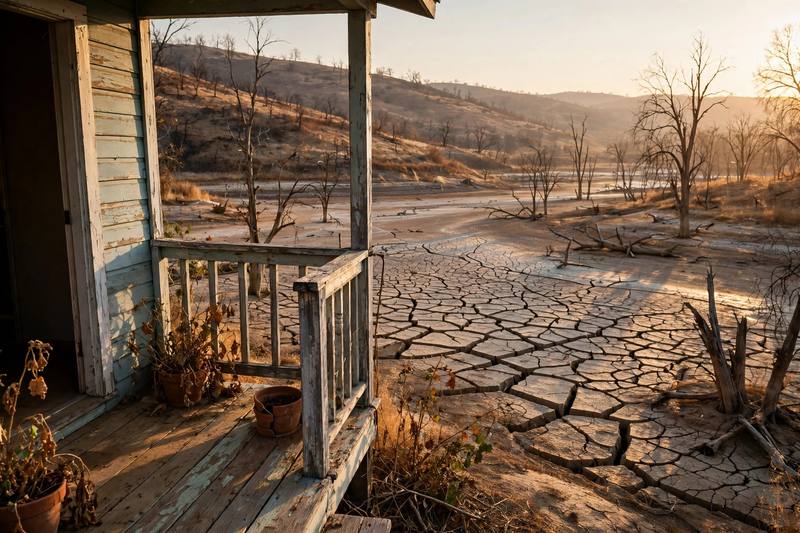
Podcast: Nature & Environment
Listen to today’s conversation.
📝 Podcast Transcript
Lena, I want to start today with a question. Have you ever visited a place you knew as a child and felt it was somehow wrong? Like the landscape itself had been altered while you were away?
Oh, completely. And there is a perfect word for that feeling. Solastalgia. It is a kind of homesickness, except you never left home. It is the sadness you feel when the environment around you has been damaged or changed beyond recognition.
Solastalgia. I love the word, even though the feeling is awful. Here is the difference I find so useful. Nostalgia is when you miss a place you are far from. Solastalgia is when the place you love has changed right under your feet.
Exactly. Farmers describe solastalgia when their valleys slowly dry up. People on disappearing coastlines talk about solastalgia too. The word was coined by an Australian philosopher who watched open-pit mining transform his home region. And honestly, I think solastalgia may become one of the defining emotions of this century.
I once went back to the orchard where I picked apples every summer as a girl. Half the trees were gone, replaced by a parking lot. The solastalgia I felt there was so sharp it surprised me. I was not missing the past. I was grieving a landscape that had changed without my permission.
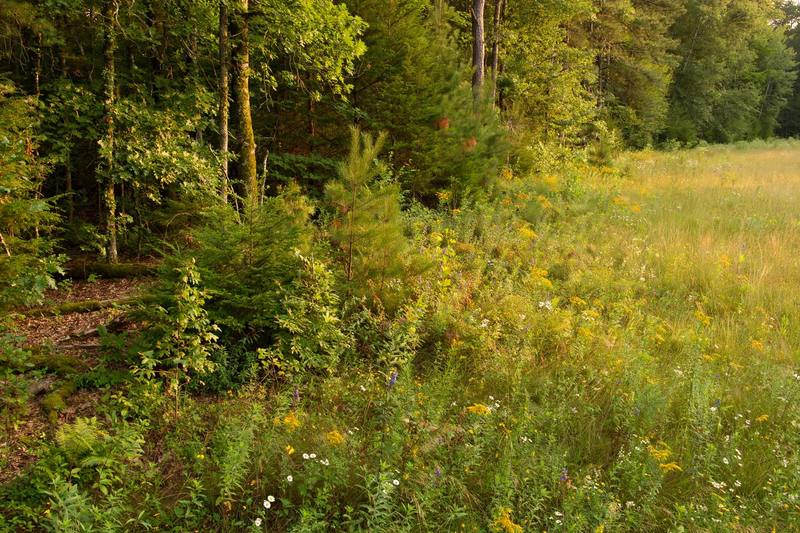
That is solastalgia in its purest form. And speaking of landscapes in transition, let me take you somewhere else. Have you ever walked through a forest and suddenly stepped into an open meadow? That boundary line, that in-between space, has a name too. It is called an ecotone.
Ecotone. One of my favorite words in all of ecology. An ecotone is the transition zone where two ecosystems meet and blend. Forest becomes grassland. River meets the sea. And here is the fascinating part. An ecotone is often richer in life than either of the habitats it connects.
Because species from both sides wander into the ecotone. You find forest birds in the ecotone in the morning and meadow insects there by noon. Biologists have known for decades that a healthy ecotone can hold more diversity than the two ecosystems on either side of it.
I walked a mountain ecotone once, right where the tree line gave up and the alpine tundra began. The wildflowers in that narrow ecotone band were unbelievable. And conservationists love an ecotone, because protecting a narrow transition zone gives you an outsized return in biodiversity.
Which brings us to repair. Maya, you visited that valley in Europe last year. Tell us about the rewilding project there.
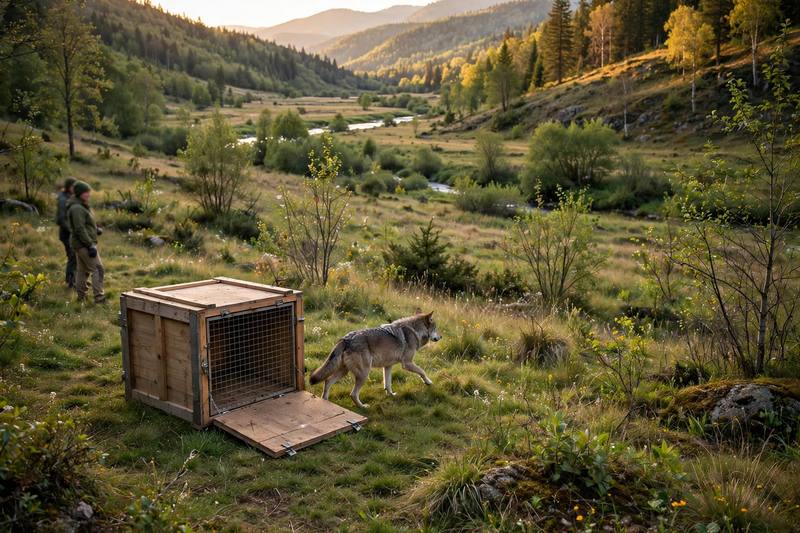
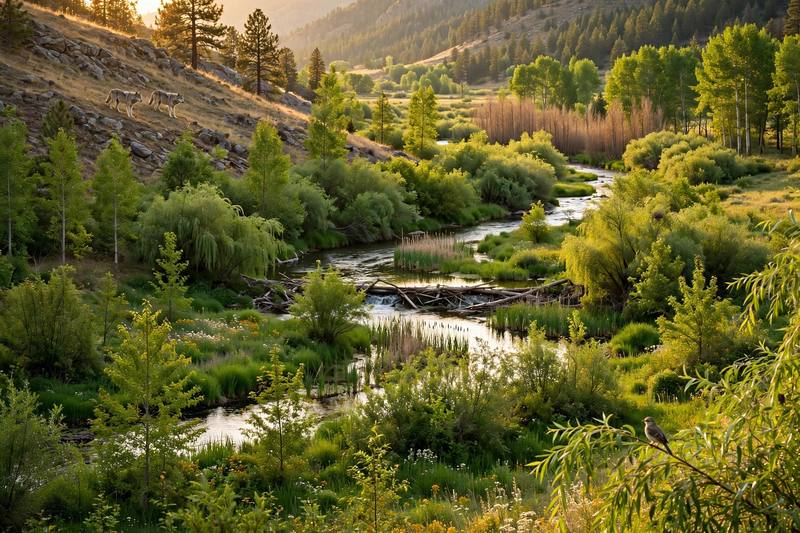
Ah, yes. I spent four days in a valley where a rewilding project had been running for about fifteen years. Rewilding is an approach to conservation where, instead of managing every detail, you let nature take the lead again. You remove the fences, you bring back the missing species, and you step aside while the ecosystem rebuilds itself.
And the wolves.
The wolves were the centerpiece. The rewilding team had reintroduced wolves after a century of absence. And here is the magic of it. The wolves did not just eat deer. Their presence changed where the deer felt safe grazing, which let young willow trees grow back, which stabilized the riverbanks. Rewilding is not about putting one animal back on the landscape. It is about restoring an entire web of relationships.
That is the most hopeful version of rewilding I have ever heard. Critics sometimes say rewilding is just abandonment dressed up as science, but the results in that valley tell a different story. True rewilding takes patience, because nature sets the schedule, not us.
And the waterfall of effects those wolves set off actually has its own name. A wonderful phrase. Trophic cascade. A trophic cascade is the chain reaction that runs through a food chain when something changes at one level. Trophic relates to feeding, and a cascade is a waterfall of consequences.
So in the rewilding story, the wolves sit at the top of the cascade. The trophic cascade runs from wolves to deer to trees to rivers. When the wolves returned, the entire trophic cascade reversed a century of ecological decline.
There is a famous real-world trophic cascade in Yellowstone. The wolves had been gone for decades before anyone measured what their absence had cost. When researchers finally mapped the trophic cascade, they found that losing one predator had thinned the forests, eroded the streams, and emptied the birdlife.
Scientists who study the trophic cascade call it one of the most important ideas in modern ecology. Before anyone understood the trophic cascade, people would remove a predator thinking it would help, and the whole system would quietly collapse.
But not all our words today are about recovery. Some name the damage. Let us talk about anthropogenic. It is an adjective, very common in scientific writing, and it simply means caused by human activity.
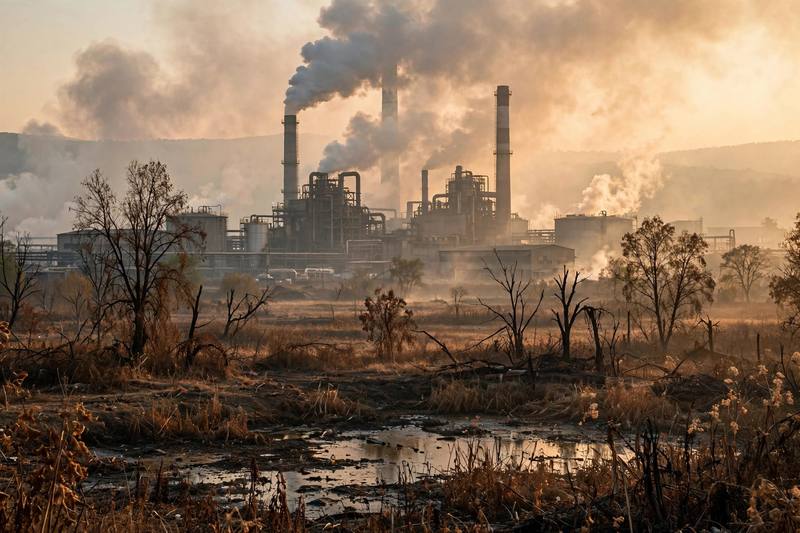
Anthropogenic climate change. Anthropogenic pollution. Anthropogenic habitat loss. When scientists describe a change as anthropogenic, they are making a precise claim. This did not happen naturally. We did this.
And here is a subtle point I love. Calling something anthropogenic is not an accusation. It is a classification. It tells researchers where to look for solutions. If the drying of a lake is anthropogenic, you study water management, not geology.
Some scientists argue we should call our era the Anthropocene, the age defined by anthropogenic change. Whether or not the name sticks, the evidence for anthropogenic transformation of the planet is written into the ice cores and the sediment.
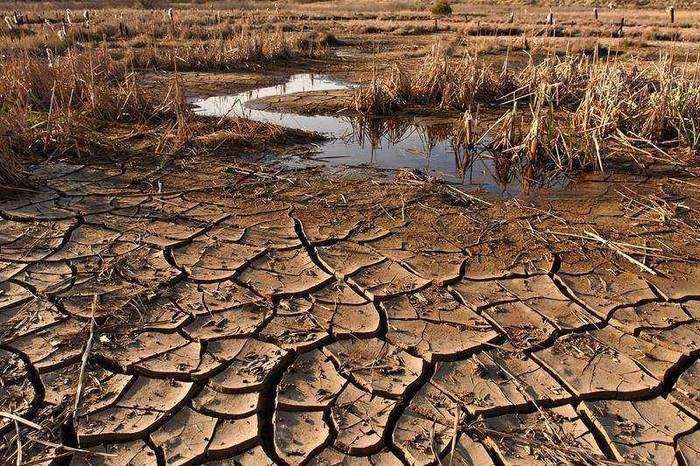
Speaking of drying lakes, that leads perfectly to our next word. Desiccation. What a powerful, heavy word. Desiccation is extreme drying out. It is what happens when a wetland loses its water, when soil turns to dust, when a landscape slowly dies of thirst.
The desiccation of a landscape is often gradual, which makes it invisible until the damage is done. There is a famous example, a vast inland sea that had been full for centuries. Decades of river diversion caused its desiccation within a single generation.
I have seen photographs from before and after that desiccation. Fishing boats rusting in a desert where water used to be. And the people who watched the desiccation happen describe the same grief we started with today. That is solastalgia again. The grief of watching home change.
These words keep folding back into each other. Okay, let us shift to time itself. Phenology. Phenology is the study of seasonal timing in nature. When flowers bloom. When birds migrate. When insects emerge. And phenology has become one of our clearest windows into climate change.
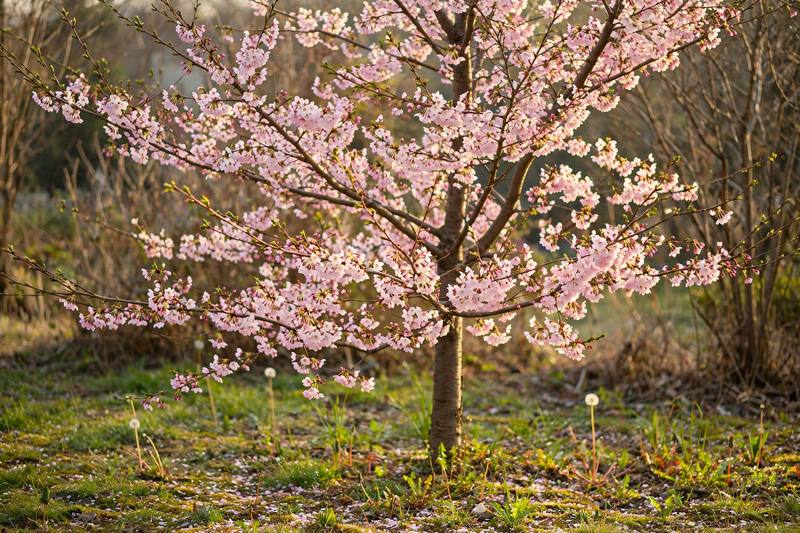
Because phenology records go back so far. In Japan, people have recorded cherry blossom dates for more than a thousand years. Modern phenology studies compare those old records with today, and the pattern is unmistakable. Everything is happening earlier.
A phenology researcher once told me that the flowers are now blooming before the pollinators arrive. The phenology of the flowers and the phenology of the insects are drifting out of sync. And that mismatch could ripple through entire food webs.
What moves me about phenology is that nobody was doing it for climate science. Generations of observers had been recording the first bloom of spring for centuries before anyone knew the phenology data would become a thermometer for the planet.
From timing to toxins. Our next word is bioaccumulation. Bioaccumulation is how pollutants build up in living tissue as you move up the food chain.
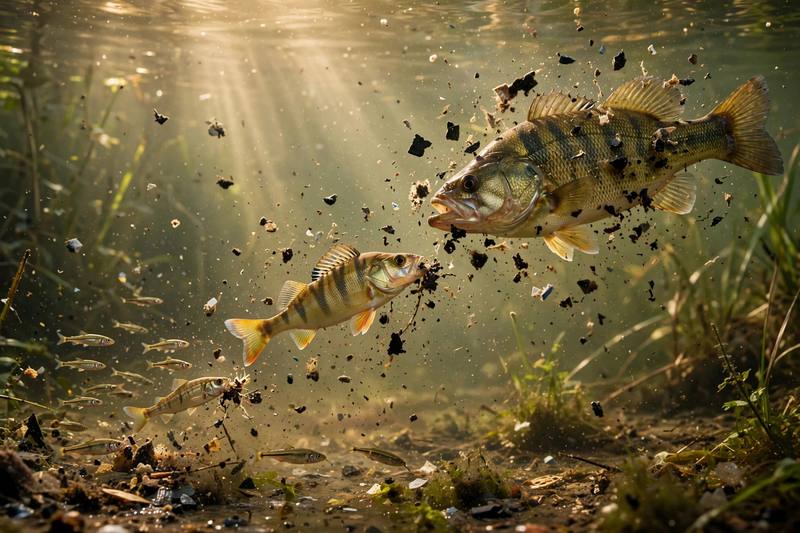
Let me trace it. A trace of mercury in the water is absorbed by plankton. Small fish eat the plankton. Larger fish eat the small fish. At each step, bioaccumulation concentrates the toxin. By the time you reach a large predatory fish, bioaccumulation has multiplied that original trace thousands of times.
Which is why health advisories warn against eating too much of certain fish. Bioaccumulation turns a distant factory's waste into a personal health question. Once you understand bioaccumulation, you start reading food labels very differently.
The classic bioaccumulation disaster involved a pesticide that thinned the eggshells of birds of prey. Bioaccumulation carried it from insects to songbirds to eagles, and it nearly wiped out the peregrine falcon before the chemical was banned.
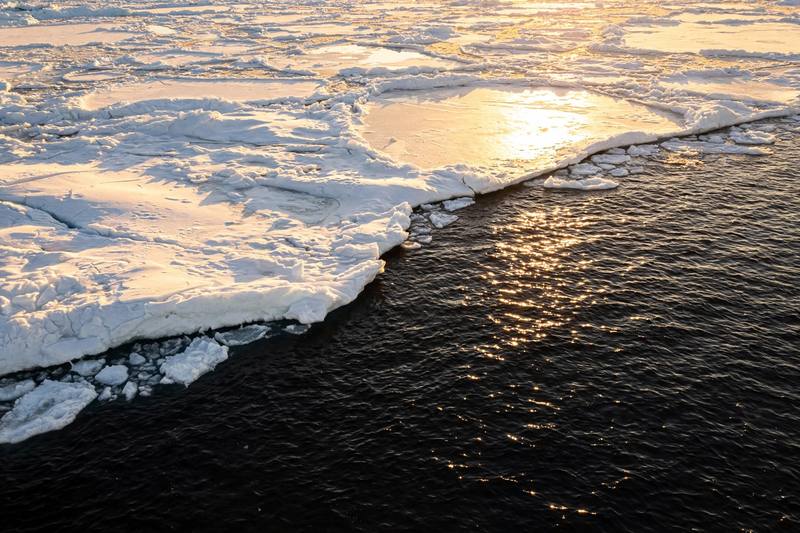
Now let us go north, to the ice. Albedo. Albedo is the measure of how much sunlight a surface reflects. Fresh snow has a very high albedo. It bounces most sunlight back into space. Dark open ocean has a low albedo. It absorbs the energy instead.
And albedo is why the Arctic matters far beyond the Arctic. When sea ice melts, it exposes dark water with a lower albedo. Lower albedo means more heat absorbed, which means more melting, which means even lower albedo. Scientists call this the albedo feedback loop, and it is one of the fastest-moving parts of climate change.
I once read that if you change the albedo of a landscape, you change its local weather. White roofs in hot cities are a tiny, human-scale version of albedo thinking. Understanding albedo means understanding that color, on a planetary scale, is power.
It also means the loss of ice is not just the loss of ice. Every square meter of vanished ice is a patch of high albedo replaced by low albedo. The Arctic is literally getting darker, and a darker Arctic is a warmer planet.
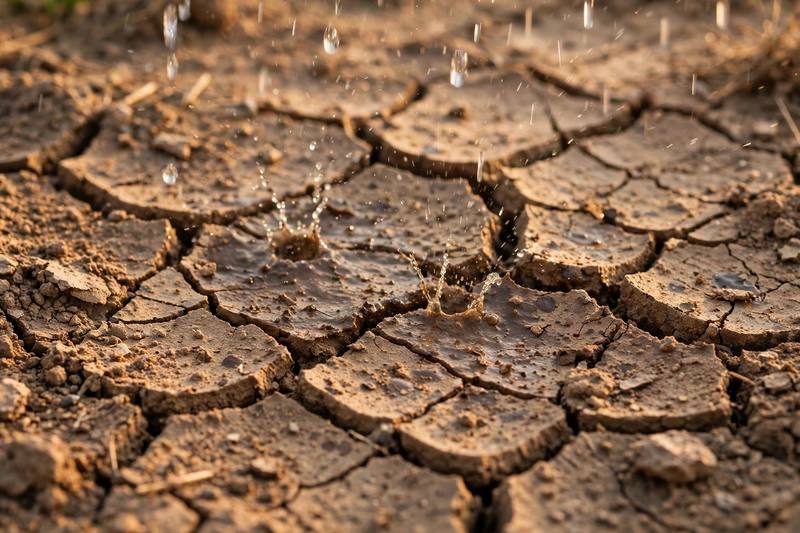
From ice to rain. Our final word today is pure poetry. Petrichor. Petrichor is the earthy scent of rain falling on dry soil. You know that smell after a long hot spell, when the first drops strike the dust?
Oh, that is one of my favorite sensations in the world. Petrichor has this mineral, almost metallic sweetness. Scientists say petrichor comes from oils that plants release during dry periods, and when rain hits, the impact throws those compounds into the air. The word petrichor was coined in the nineteen sixties, and it comes from ancient Greek words meaning the blood of stone.
The blood of stone. And here is a lovely thought. Petrichor is a scent of relief. After the desiccation of a long summer, petrichor is nature announcing that the drying has ended. Petrichor always arrives as good news.
Let us gather all ten words before we go. Lena, the quick round.
We began with solastalgia, the grief of a changed home.
Then ecotone, the rich boundary between two ecosystems.
Rewilding, letting nature lead the recovery.
Anthropogenic, the damage we caused ourselves.
Trophic cascade, the waterfall of effects through a food chain.
Desiccation, the drying out of landscapes.
Phenology, nature's changing calendar.
Bioaccumulation, poisons climbing the food chain.
Albedo, the reflectivity that cools or warms a planet.
And petrichor, the smell of rain on dry earth. Ten words, and every one of them sharpens how you see the living world.
That is what this level of vocabulary is for. Not showing off, but seeing more precisely. Next time you walk through an ecotone, you will know its name. Next time you catch petrichor on the wind after a storm, you will know what you are smelling.
This has been Word Kitchen. Join us tomorrow for ten more words, and until then, keep listening to the world around you.
🎙 Try Shadowing free sample
Listen and repeat along with the studio audio. Full shadowing practice with pronunciation scoring is in the app.
The Valley That Learned to Breathe Again
When I returned to the valley after twenty years away, the solastalgia hit me before I had even unpacked; the air itself carried solastalgia, heavy with everything that had changed.
The marsh where I had learned to swim was gone, a victim of slow desiccation that no one had tried to stop.
Train your speaking
Shadow every sentence with studio audio and get your pronunciation scored — only in the Muse English app.
📝Grammar: Past tenses - simple, continuous, perfect
**Past simple** (worked, went) reports finished actions and repeated habits. It is the tense of facts: what happened, full stop. **Past continuous** (was working) paints an action in progress at a past moment. It sets the background, like the petrichor rising while the valley waited for rain. **Past perfect** (had worked) looks further back from a past moment. It tells you what had already finished before this point, such as the bioaccumulation that had concentrated toxins long before anyone tested the fish. **Past perfect continuous** (had been working) adds duration to that earlier past.
Master this grammar in the app
Get clear explanations, more examples and interactive exercises.
Keep learning every day
New lessons, podcasts and quizzes daily — free in the Muse English app.