
📖 Muse English چیست؟
Muse English یک اپلیکیشن رایگان آموزش زبان انگلیسی است، با درس روزانه برای هر شش سطح، از A1 (مبتدی) تا C2 (تسلط کامل). هر روز لغتهای تازه با معنی فارسی، یک پادکست واقعی، تمرین شدوئینگ، گرامر و آزمون دارید. دربارهٔ اپ
📚 لغتها
۷ لغت تازه لغتهای تازه با معنی فارسی، مثال واقعی و تلفظ.
پادکست: فناوری
گفتوگوی امروز را گوش کنید.
📝 متن پادکست
Welcome to Muse English! I am Maya, and today Lena and I are talking about the future. More exactly, we are talking about digital technology, and the future we envisage for it.
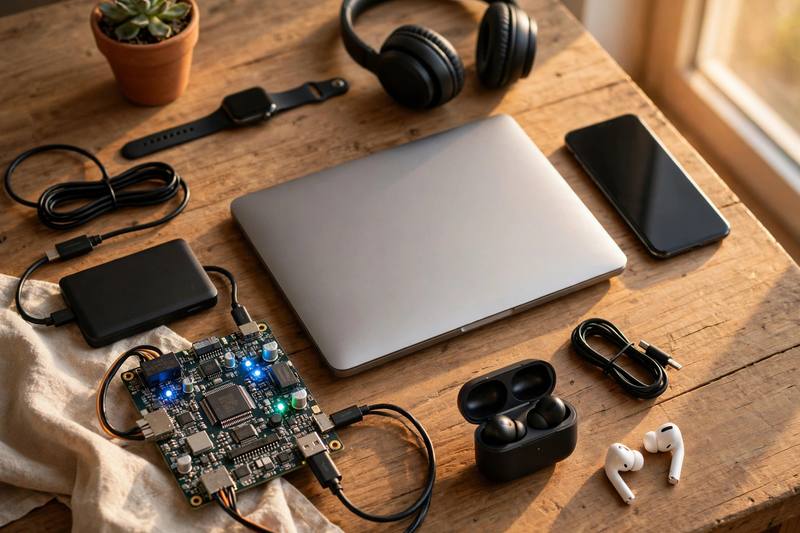
Hi, everyone! I am Lena. Yes, digital technology is everywhere in our lives now. We wake up to phones, we work on laptops, and we relax with an e-reader in the evening. It is hard to imagine life without digital technology.
That is true. When I was younger, I read only paper books. Now my e-reader holds hundreds of books, and I carry it everywhere. Do you still use an e-reader, Lena, or do you prefer paper?
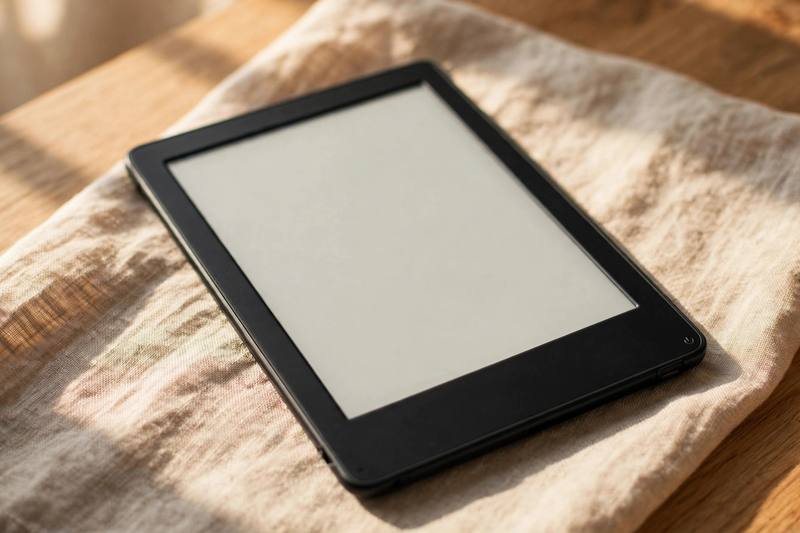
I love my e-reader, Maya. I read on my e-reader every night before bed. It is light, it remembers my place, and I can download a new book in seconds. Honestly, the e-reader changed the way I read.
That is a good question. Let us talk about the app for a moment, because learning English is also about the future you envisage for yourself. If you want daily words with photos and pronunciation, plus this podcast, shadowing stories, quizzes, grammar lessons, and a leaderboard where you earn points, try the Muse English app. It is free to install, and a new lesson is waiting for you every single day. Start today, and build your English step by step.
It changed the way many people read. And that makes me think about the future. When we envisage the future, we often picture flying cars and robots. But the real future of digital technology might be quieter and more practical.
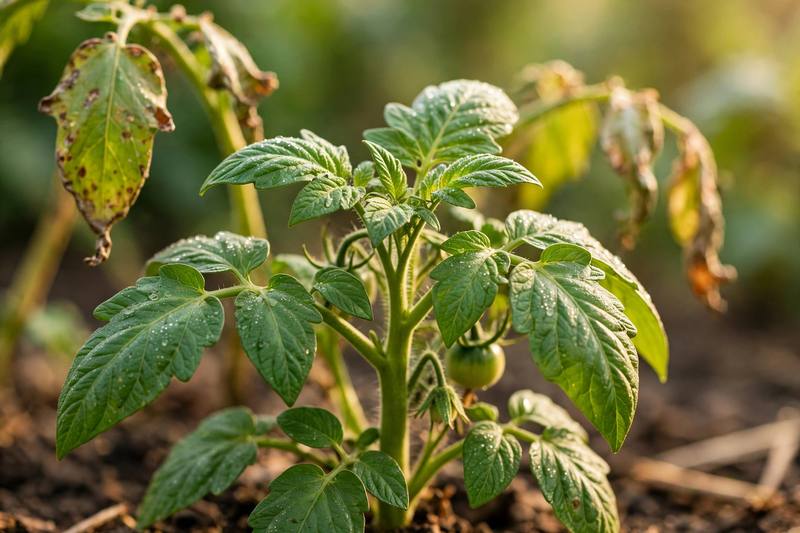
Exactly. I envisage a future where digital technology helps us solve real problems, like health and food. For example, scientists are developing disease-resistant crops. These disease-resistant plants can survive illnesses that used to destroy whole harvests.
That is a wonderful example. Disease-resistant crops mean more food for more people. And if farmers can grow disease-resistant wheat and rice, whole villages become safer. It is strange to think that a disease-resistant seed can change a family's destiny.
Destiny! That is a big word, Maya. Do you believe in destiny? Do you think our lives are already written, or do we create our own destiny?
I think we create our own destiny, mostly. But sometimes technology feels like destiny. When a new invention arrives, it changes everything, and we cannot go back. Do you think digital technology is our destiny, Lena? Is it something we cannot escape?
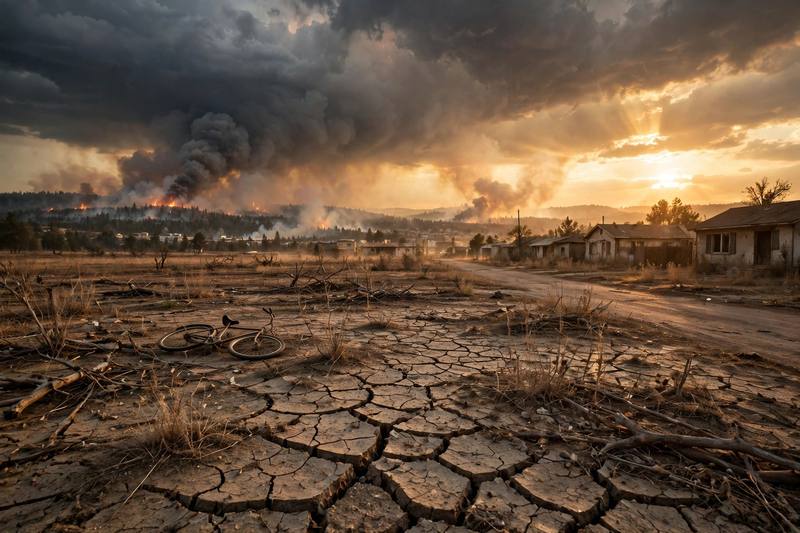
Hmm, I think we choose how we use it. Our destiny is not decided by machines. We decide. But I understand why people worry. Some people envisage a dark future, a doomsday scenario where machines control everything and humans lose their jobs and their freedom.
Yes, the doomsday scenario appears in so many films. In a doomsday scenario, robots take over, or the climate collapses, or the internet stops working. But a doomsday scenario is a story, not a prediction. We should take problems seriously without believing every doomsday scenario we see on screen.
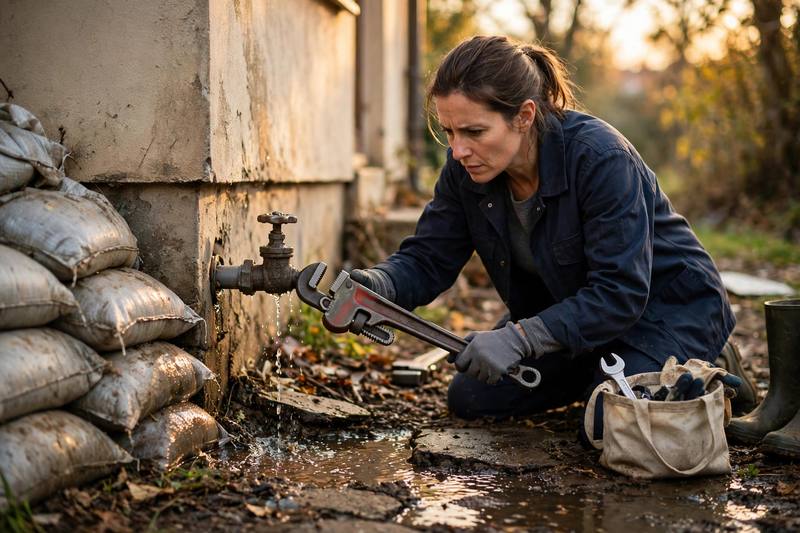
I agree. Still, some problems are serious. Climate change is serious. Experts say drastic measures are needed to protect our planet. But what does that mean? Drastic measures could mean changing how we travel, how we eat, and how we build our homes.
And drastic measures are not easy. Nobody likes drastic measures. But sometimes small changes are not enough, and only drastic measures can fix a big problem. The question is: can digital technology help us avoid drastic measures, by making clean energy cheaper and smarter?
Great tip, Lena! Now, back to our topic. When I envisage the future of schools, I see students learning with digital technology every day. They will read on an e-reader, practise with apps, and talk to students in other countries. That is a future I would love.
Me too. And I envisage a future where doctors use digital technology to find disease-resistant treatments. Imagine a medicine that is disease-resistant in a new way, a treatment that helps the body fight illness faster. That would change so many lives.
It would. And it would change people's destiny. A child who grows up healthy has a different destiny from a child who is often sick. Health, food, and education shape our destiny more than luck does.
That is beautifully said. But let me ask you something difficult. If the climate keeps changing, will governments take drastic measures? Will they close airports, ban cars, or ration energy? Drastic measures like that would change daily life completely.
They might. And people would argue about it, of course. Some would say the drastic measures are necessary. Others would say they go too far. But ignoring a problem does not make it disappear. Sometimes we must act, even when action is hard.
True. And here is another thought. Some people love a good doomsday scenario story because it is exciting. But real life is usually slower. Real change happens step by step. We should not wait for a doomsday scenario to start caring about the planet.
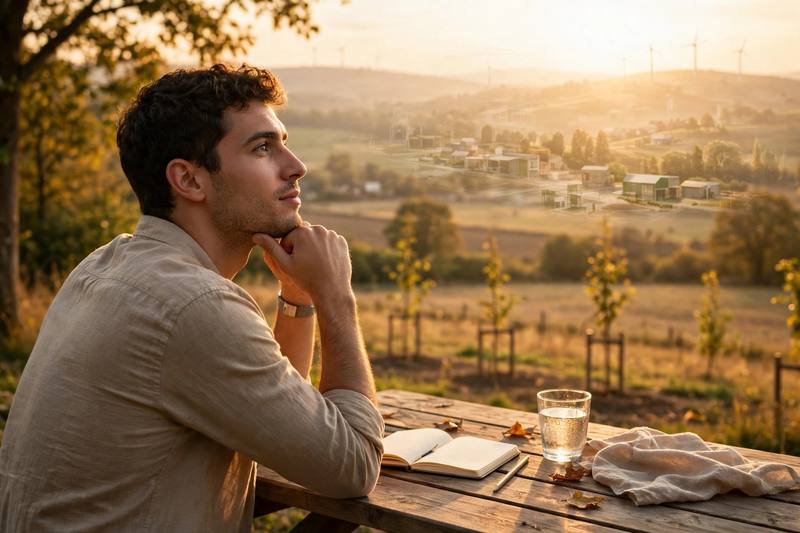
Exactly. We should act now, calmly and wisely. We can envisage a better future and then work toward it. When we envisage something clearly, we can plan for it. That is how progress happens.
Speaking of progress, do you remember when people said the e-reader would kill paper books? It did not happen. Paper books are still here, and the e-reader is here too. People choose what they like. That is why I do not believe in a fixed destiny for technology. We choose.
I love that. Our destiny is in our hands. And learning English is part of that. Before we finish, a quick reminder about the Muse English app. Every day you get new words with photos and clear pronunciation, this podcast, shadowing stories to practise speaking, fun quizzes, grammar lessons, and points on the leaderboard as you learn. It is free, so install it today and keep your streak going. Your future self will thank you.
Before we go on, I want to tell you about my friend Sara. She is a teacher, and she uses digital technology in her classroom every day. Her students read on an e-reader, they watch short science videos, and they write stories together online.
That sounds wonderful. What do her students think about the future? Do they envisage a world full of robots, or something simpler?
Both, actually. One boy said he wants to build disease-resistant plants when he grows up. He told Sara that disease-resistant food could end hunger in his grandmother's village. He is only twelve, but he already speaks about it with such passion.
That is amazing. A twelve-year-old who wants to change the world. And what about the others? Did anyone talk about destiny? Do children still believe in destiny?
One girl said she does not believe her destiny is fixed. She said, my destiny is what I study, what I practise, and who I help. I thought that was very wise. She also said she wants to write a film about a doomsday scenario, but a funny one, where people save the world by planting trees and sharing food.
A funny doomsday scenario! I like that. Usually a doomsday scenario is dark and scary. But her version sounds hopeful. People often forget that a doomsday scenario is just an imagined story. We can imagine a better story instead.
Exactly. Sara also told her class about drastic measures. She explained that drastic measures are not always about bans and rules. Sometimes drastic measures mean a whole town deciding to change together, like riding bicycles, saving water, and wasting less food.
That is a kinder way to see it. Drastic measures sound frightening, but they can also mean brave, positive choices. And digital technology can help. An app can show a family how much energy they save. An e-reader can replace hundreds of paper books. Small tools, big difference.
Yes, and that brings us back to the idea of destiny. If a whole town changes its habits, the town's destiny changes too. Destiny is not magic. It is the result of many small decisions, made by many people, over a long time.
I could not agree more. So, when we envisage the future, let us envisage one where digital technology serves people, where disease-resistant crops feed everyone, and where we never need a real doomsday scenario because we acted in time.
You know, Lena, this conversation makes me want to spend the weekend reading. I have a new novel on my e-reader, and I have been saving it for a quiet Sunday afternoon.
That sounds perfect. What is it about? Let me guess: a scientist who must take drastic measures to stop a doomsday scenario, and in the end she discovers that her destiny was to become a hero?
Ha! Not quite, but close. It is about a young engineer who uses digital technology to design disease-resistant gardens for cities. She does not save the world in one day. She saves it street by street, garden by garden, and that feels very real to me.
I love stories like that. They remind us that we do not need to envisage a perfect future. We only need to envisage the next good step, and then take it. That is how real change begins, one garden, one classroom, one reader at a time.
Wonderful. Let us wrap up with our seven words. Digital technology is changing the world. An e-reader changed how we read. When we envisage the future, we imagine what could be. Destiny is the life we build, day by day. Disease-resistant crops protect our food. Drastic measures are strong actions for big problems. And a doomsday scenario is a frightening story about the future, not a fact.
Perfect summary, Lena. Thanks for listening, everyone. Keep learning, keep imagining, and we will see you tomorrow on Muse English. Goodbye!
Goodbye, everyone! And remember: your English destiny is yours to shape.
🎙 تمرین شدوئینگ نمونهٔ رایگان
گوش کنید و همزمان با صدا بلند تکرار کنید. تمرین کامل شدوئینگ در اپ است: هر جمله را تکرار میکنید و میبینید اپ چند کلمه از آن را تشخیص داده است.
Maya loves her e-reader, and she reads on her e-reader every evening.
Digital technology has changed the way we read, learn, and work.
When she envisages the future, she sees a town full of green gardens.
صحبت کردن را تمرین کنید
در اپ Muse English همهٔ جملهها را شدوئینگ کنید. اپ گوش میدهد و نشان میدهد چند کلمه از جملهتان را تشخیص داده است.
📝گرامر: Ellipsis and Substitution
Natural English avoids repeating words. We either replace them with a short word (substitution) or leave them out (ellipsis).
For nouns, use one for a singular countable noun and ones for a plural noun. With digital technology, we rarely repeat long phrases: I love my old e-reader, but I want the new one.
For verb phrases, use do, does or did, or the formal do so. She speaks French better than I do, and he was asked to leave, so he did so at once.
For a whole clause, use so for a positive reply and not for a negative one, especiall
این گرامر را در اپ کامل یاد بگیرید
توضیح کاملتر، مثالهای بیشتر و تمرین تعاملی.
هر روز ادامه بدهید
هر روز درس، پادکست و آزمون تازه؛ رایگان در اپ Muse English.