

📖 Muse English چیست؟
Muse English یک اپلیکیشن رایگان آموزش زبان انگلیسی است، با درس روزانه برای هر شش سطح، از A1 (مبتدی) تا C2 (تسلط کامل). هر روز لغتهای تازه با معنی فارسی، یک پادکست واقعی، تمرین شدوئینگ، گرامر و آزمون دارید. دربارهٔ اپ
📚 لغتها
۱۰ لغت تازه لغتهای تازه با معنی فارسی، مثال واقعی و تلفظ.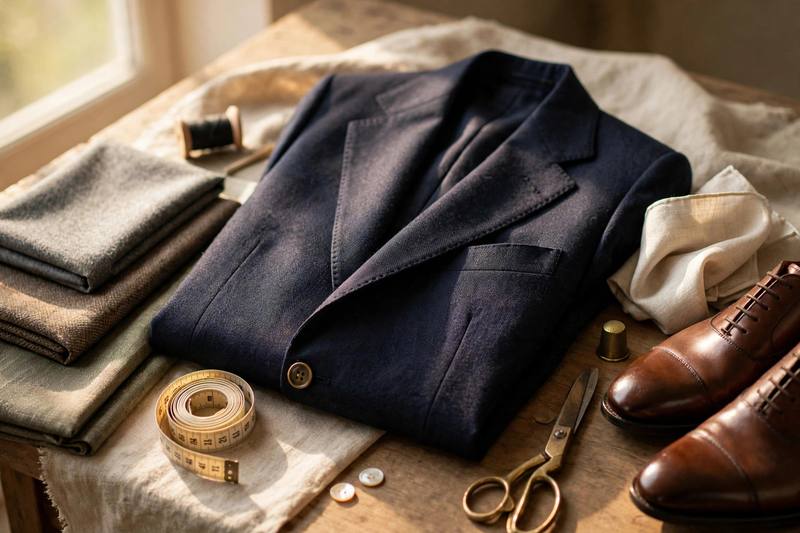
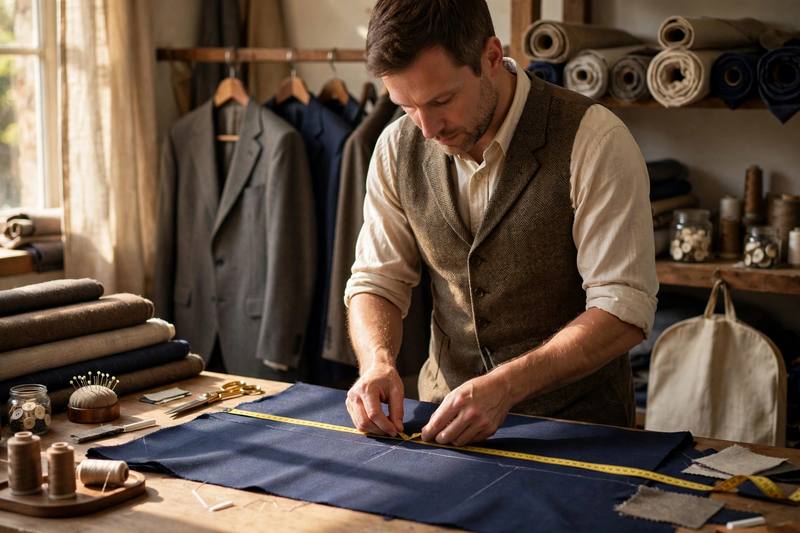
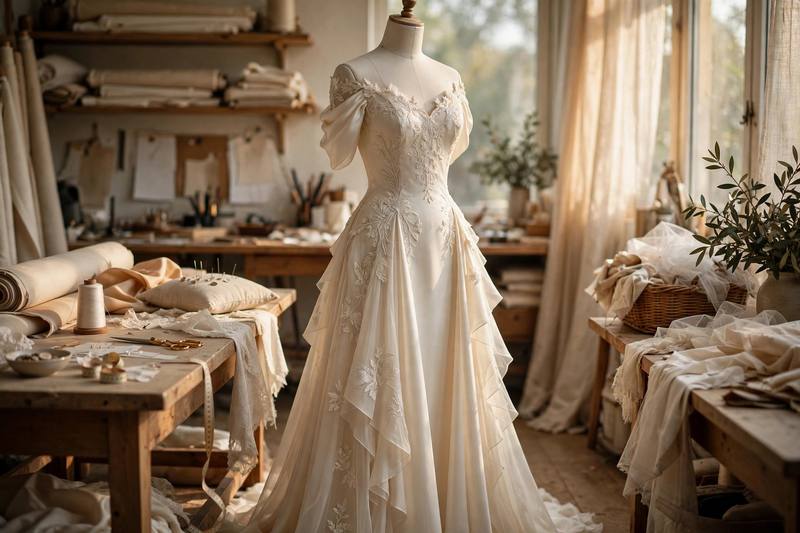
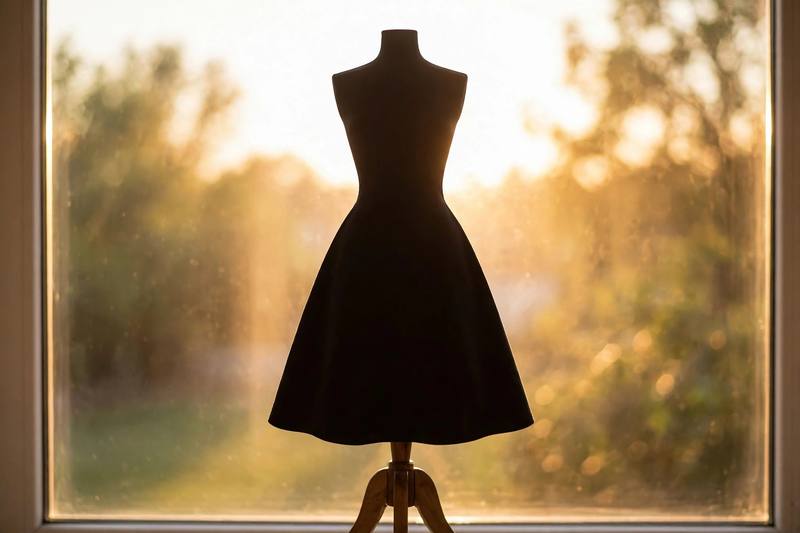

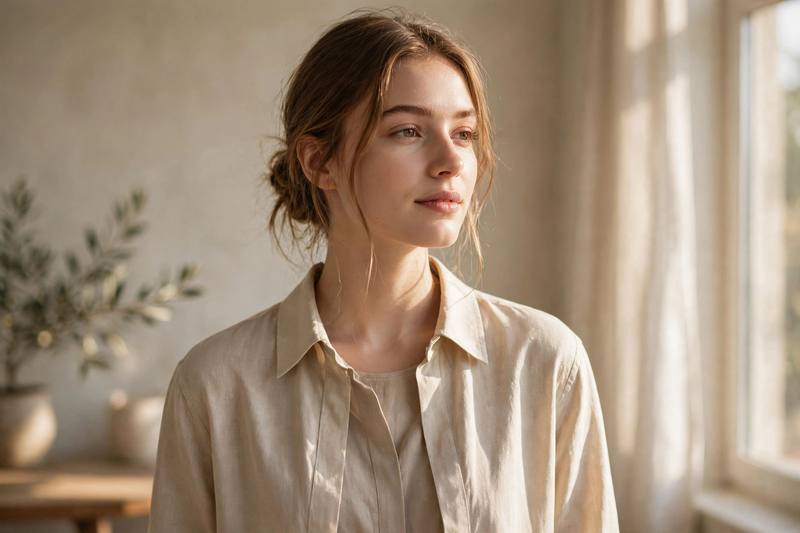
پادکست: مد و استایل
گفتوگوی امروز را گوش کنید.
📝 متن پادکست
Welcome to Muse English! I am Maya, and today we are talking about fashion and style, and the rich vocabulary that describes how people dress.
Hello, everyone! I am Lena. Fashion is a perfect topic for advanced vocabulary, because the words are precise, expressive, and full of personality.
Exactly. The way we dress sends a message before we even speak. So the words we use to describe clothes matter a great deal.
And today we will explore ten advanced words that will help you talk about fashion like a native speaker, with nuance and confidence.
Before we begin, a quick word about the Muse English app. If you enjoy this podcast, you will love the app. It gives you daily words with photos and pronunciation, this podcast, shadowing stories, quizzes, grammar lessons, and a leaderboard with points. You can install it free and keep learning every single day.
That sounds wonderful. Now, Maya, let us start with a word that sounds elegant all by itself. Sartorial.
Sartorial is a lovely word. It relates to tailored clothing and refined style, especially the craft of cutting and fitting garments beautifully.
So when we say someone has sartorial taste, we mean their clothing choices show care, precision, and elegance.
Yes. Think of a man in a perfectly fitted suit. His sartorial sense is obvious. Every detail, from the collar to the cuffs, looks intentional.
I love that. Sartorial is not just about expensive clothes. It is about the art behind them, the sartorial skill of the tailor and the sartorial eye of the wearer.
Beautifully put. And that brings us to our next word, bespoke, which is closely connected to tailoring.
Bespoke means made specially for one person. A bespoke suit is cut for your body alone. Nobody else in the world has exactly the same garment.
Right. In a bespoke process, the tailor measures you, discusses the fabric, and builds the suit around you. A bespoke jacket fits like a second skin.
I once watched a tailor create a bespoke coat. He adjusted the shoulders three times. That bespoke attention to detail is what makes the result extraordinary.
And bespoke fashion is the opposite of mass production. It is slow, personal, and precise. A bespoke piece tells a story about its owner.
Our third word takes us to Paris, to the highest level of fashion. Couture.
Couture means high-end custom fashion, garments designed and sewn by hand for individual clients.
When people talk about couture, they mean the most luxurious, artistic clothing in the world. Couture gowns can take hundreds of hours to complete.
Yes, couture is fashion as art. A couture dress might feature hand-sewn beads, delicate lace, and layers of silk. The couture houses of Paris set trends for the whole industry.
It is fascinating. Couture is not about everyday dressing. It is about imagination, craftsmanship, and beauty at the highest level.
Now let us talk about shape. Our fourth word is silhouette.
Silhouette means the outline or shape of a garment, or of the body wearing it. It is the first thing you notice from across the room.
Exactly. A dress can have a slim silhouette, a flowing silhouette, or a dramatic silhouette with wide shoulders.
Designers think carefully about silhouette. A good silhouette flatters the wearer and gives the outfit its character. The silhouette is the architecture of fashion.
And a silhouette can change with the decades. In the nineteen twenties, the silhouette was straight and simple. In the nineteen fifties, the silhouette became full and feminine.
Wonderful. Before we continue, let me tell you about the Muse English app. You can learn a new set of words every day, practise with shadowing stories, test yourself with quizzes, study grammar, and earn points on the leaderboard. It is free, it is fun, and it keeps your English growing. Download it today and make English part of your daily routine.
Thanks, Lena. Our fifth word is drape, a verb that describes how fabric hangs and falls.
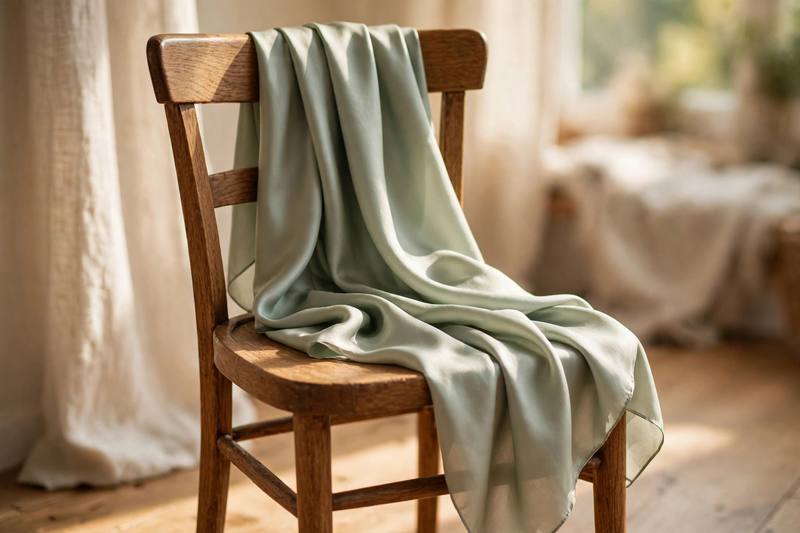
To drape means to arrange fabric so that it hangs loosely and gracefully. A silk scarf drapes over the shoulders. A curtain drapes across a window.
Yes. Good fabric has a beautiful drape. When a designer chooses cloth, they watch how it drapes on the body. A stiff fabric drapes differently from a soft one.
I love watching a gown drape as someone walks. The way it drapes tells you about the quality of the material and the skill of the designer.
And drape can be used more widely too. You can drape a blanket over a chair or drape a necklace around your neck. It is a graceful, gentle word.
Next, embellish. To embellish means to decorate something with beautiful details.
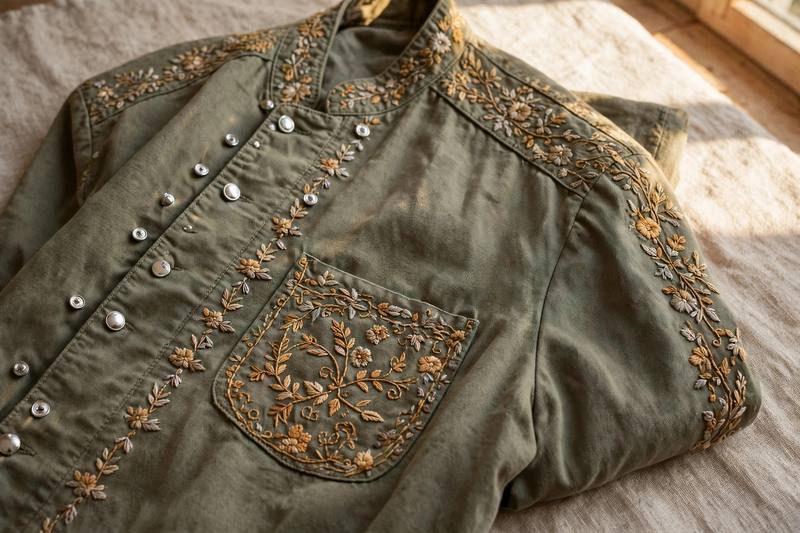
A designer might embellish a jacket with silver buttons, or embellish a gown with beads and embroidery.
Exactly. You embellish to add beauty, not to hide flaws. A plain dress becomes special when you embellish it with careful, thoughtful details.
But be careful. If you embellish too much, the result can look busy. The art is knowing when to embellish and when to stop.
True. The best designers embellish with restraint. One beautiful detail is often stronger than ten noisy ones.
Our seventh word is capsule, and it belongs to a very modern idea, the capsule wardrobe.
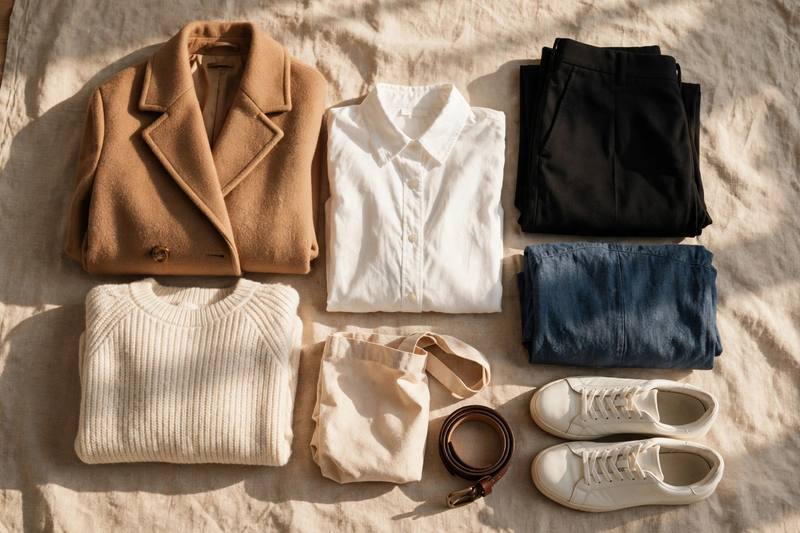
A capsule wardrobe is a small collection of versatile pieces that all work together. A capsule approach means fewer clothes, but better ones.
Yes. With a capsule wardrobe, you might own thirty pieces that mix and match. The capsule idea saves time, money, and closet space.
I admire people who build a capsule wardrobe. Their capsule choices are deliberate. Every piece earns its place.
And a capsule wardrobe can still be stylish. Capsule does not mean boring. It means intentional, flexible, and smart.
Now a word for mixing styles. Eclectic.
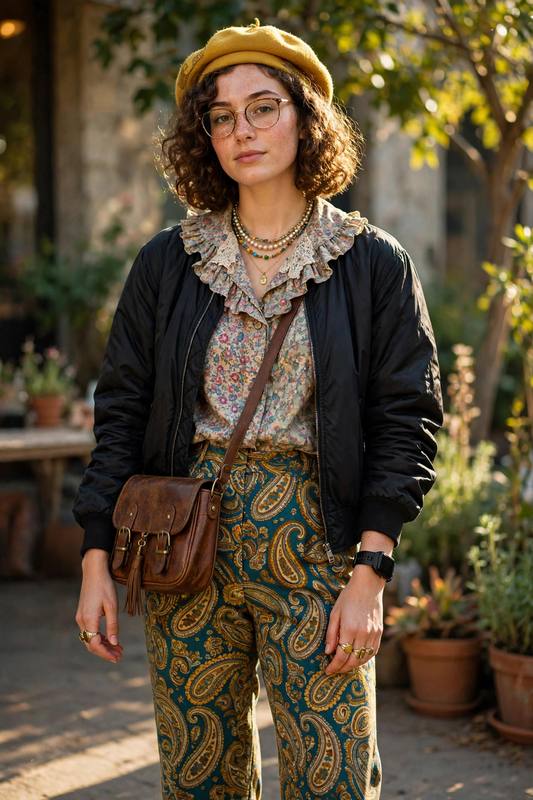
Eclectic means bringing together many different styles, influences, and periods. An eclectic outfit might mix vintage pieces with modern designs.
I love eclectic style. An eclectic wardrobe tells many stories at once. You might wear an eclectic combination of a classic blazer, a handmade scarf, and bold boots.
Yes, eclectic dressing takes confidence. An eclectic look works when the pieces share a mood or a colour, even if they come from different worlds.
The word eclectic is useful beyond fashion too. You can have eclectic taste in music, eclectic friends, or an eclectic library. It celebrates variety.
Our ninth word is flamboyant, for the boldest dressers among us.
Flamboyant means bold, showy, and colourful. A flamboyant jacket, flamboyant shoes, or a flamboyant hat will attract attention.
A flamboyant outfit says, look at me. Flamboyant style is joyful and theatrical. Some people wear flamboyant colours to express their personality.
I once saw a singer in a flamboyant suit covered in sequins. His flamboyant entrance lit up the whole stage.
Flamboyant is not for everyone, but fashion needs flamboyant moments. They remind us that clothes can be fun, dramatic, and daring.
Finally, understated, the elegant opposite of flamboyant.
Understated means elegant without showing off. An understated look uses simple colours, clean lines, and quiet quality.
I admire understated style. An understated outfit never shouts, but people notice its refinement. Understated elegance is powerful.
Yes. An understated dress in soft grey can be more impressive than a loud gown. Understated choices show confidence. You do not need to prove anything.
And understated works everywhere, in the office, at dinner, or at a wedding. Understated is timeless.
Lena, if you had to describe your own style with these words, what would you choose?
I would say my style is eclectic with an understated base. I like simple, understated pieces, and then I add one eclectic surprise, like a vintage scarf or bold earrings.
That is a lovely combination. My style is more sartorial. I love sharp tailoring, a clean silhouette, and fabric that drapes beautifully.
And what about bespoke? Would you ever order a bespoke piece?
I would love a bespoke jacket one day. A bespoke garment is an investment, but the fit and the feeling are unforgettable.
True. A bespoke piece is made for you alone. No one else walks into the room wearing your bespoke jacket.
What about flamboyant? Do you ever go flamboyant?
Rarely, but sometimes a flamboyant touch is fun. A flamboyant scarf can transform an understated outfit in seconds.
I agree. Fashion is a balance. You can be eclectic and understated, sartorial and flamboyant, all in the same week. The capsule wardrobe idea helps too. A strong capsule base lets you experiment without chaos.
Exactly. Start with a capsule of reliable pieces, then embellish with one special detail. Let a beautiful scarf drape over a simple coat, or choose a dress whose silhouette flatters you.
And remember couture as inspiration. Most of us will never wear couture, but couture shows what fabric, craft, and imagination can achieve.
So today we explored sartorial elegance, bespoke tailoring, couture artistry, the silhouette of a garment, the way fabric drapes, how designers embellish, the capsule wardrobe, eclectic mixing, flamboyant colour, and understated grace.
Ten words, ten ways to see fashion more clearly. Try using them this week. Describe an outfit you love. Notice the silhouette, the drape, and the details.
And remember, you can practise all of today's words in the Muse English app, with photos, pronunciation, shadowing, and quizzes. Keep learning, keep dressing with confidence, and we will see you tomorrow.
Goodbye, everyone, and happy styling!
🎙 تمرین شدوئینگ نمونهٔ رایگان
گوش کنید و همزمان با صدا بلند تکرار کنید. تمرین کامل شدوئینگ در اپ است: هر جمله را تکرار میکنید و میبینید اپ چند کلمه از آن را تشخیص داده است.
The Wardrobe That Told a Story
My friend Sara has a wonderful sartorial sense.
She believes that sartorial elegance begins with a perfect fit.
صحبت کردن را تمرین کنید
در اپ Muse English همهٔ جملهها را شدوئینگ کنید. اپ گوش میدهد و نشان میدهد چند کلمه از جملهتان را تشخیص داده است.
📝گرامر: Inversion After Negative Adverbials
In a normal English sentence, the subject comes before the verb. Inversion flips that order after certain negative words at the start of a sentence.
Use inversion after never, rarely, seldom, and hardly ever when they open a sentence. The helper verb comes before the subject, which gives the sentence a formal, dramatic tone.
Use inversion after not only and not until as well. Not only usually pairs with but also later in the same sentence, as in a review of a bespoke collection.
Use inversion after no sooner and little too. No sooner pairs with **
این گرامر را در اپ کامل یاد بگیرید
توضیح کاملتر، مثالهای بیشتر و تمرین تعاملی.
راهنمای کامل و تمرینها: Inversion After Negative Adverbials ←
هر روز ادامه بدهید
هر روز درس، پادکست و آزمون تازه؛ رایگان در اپ Muse English.