

📖 What is Muse English?
Muse English is a free English learning app with daily lessons across all 6 CEFR levels (A1 Beginner to C2 Proficient). Every day brings new vocabulary, a real podcast conversation, shadowing practice, grammar and quizzes — all at museenglishapp.com.
📚 Vocabulary
10 new words Learn new words with real examples and audio.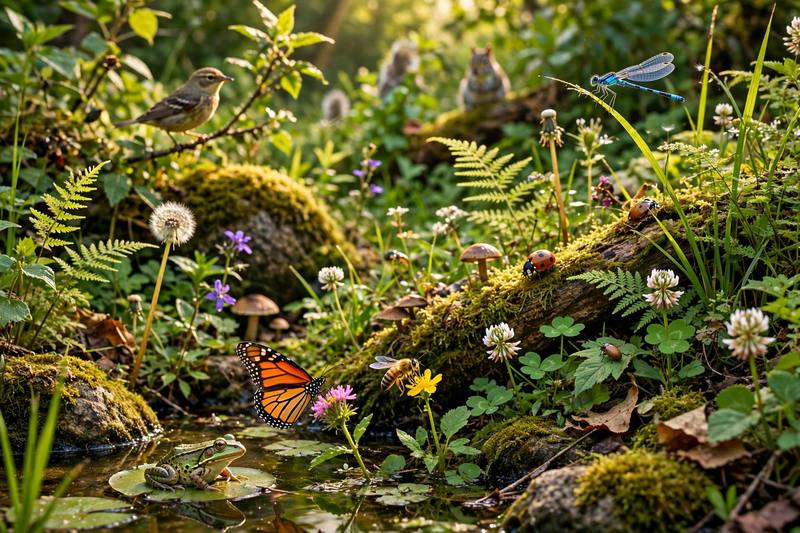
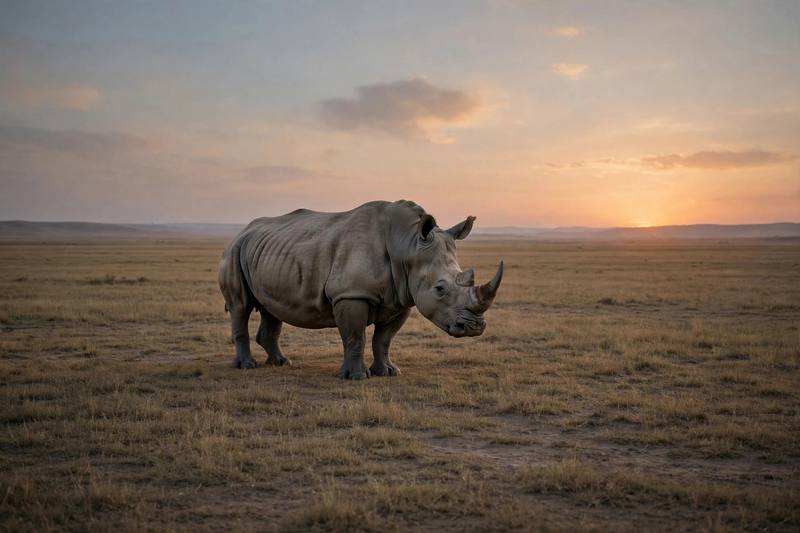
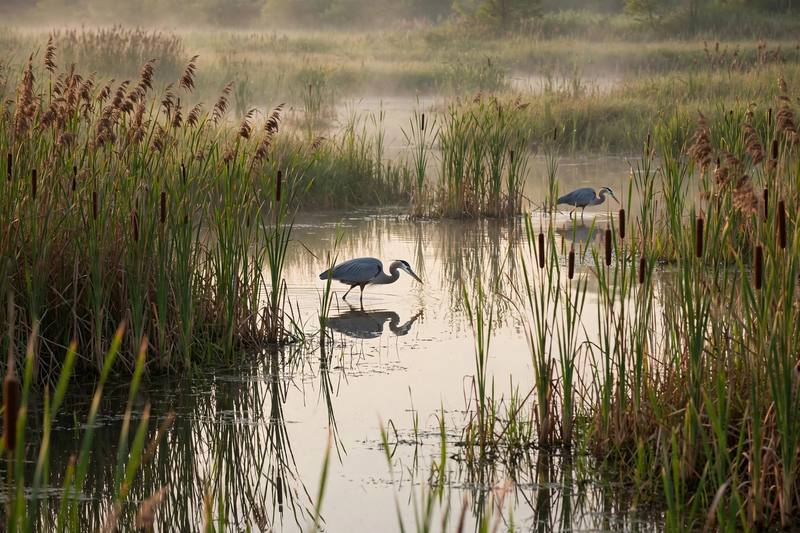
Podcast: Nature & Environment
Listen to today’s conversation.
📝 Podcast Transcript
Welcome back to Word Kitchen, the show where we cook up powerful English words and serve them in real, natural conversation. I'm Maya.
And I'm Lena, and I am so excited about today's menu. We're talking about nature and the environment: forests, oceans, wildlife, and the people fighting to protect them.
It's one of those topics where the vocabulary is just beautiful. We've chosen ten advanced words that will level up the way you talk about the planet. Shall we dive in?
Let's do it. And listeners, here's a little challenge for you: try to notice how many times you hear each word. We repeat every word on purpose, because repetition is how new vocabulary sticks.
Great point. Our first word is the heavyweight champion of environmental vocabulary: biodiversity. Biodiversity means the variety of plant and animal life in a particular place or habitat.
So when someone says the Amazon has astonishing biodiversity, they mean it's absolutely packed with different species. High biodiversity usually means a healthy, resilient ecosystem. Low biodiversity is a warning sign.
Exactly. Scientists even measure biodiversity the way a doctor checks your heartbeat. Take coral reefs: they cover less than one percent of the ocean floor, yet they shelter roughly a quarter of all marine life. That density of biodiversity is why people call them the rainforests of the sea.
And here's the heartbreaking part. That precious biodiversity is shrinking fast. Warming seas, pollution, and habitat destruction are draining biodiversity from our oceans and forests faster than scientists can even catalog it. Every species lost takes a piece of that biodiversity away forever.
Which connects perfectly to our second word: deforestation. Deforestation is the clearing of forests, usually to make room for farms, roads, mines, or growing cities.
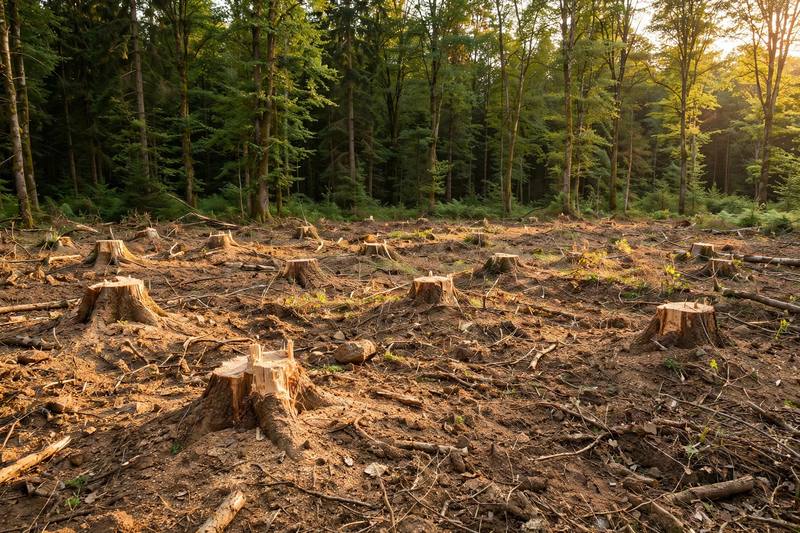
Deforestation is brutal, honestly. When a forest falls, animals lose their homes, the soil washes away in the rain, and the carbon that trees stored for decades escapes straight into the atmosphere. Tropical deforestation alone is responsible for a huge share of global carbon emissions.
And deforestation doesn't only happen in some faraway jungle. It hides in the products we buy every day. Deforestation can be traced to palm oil, beef, timber, soy, even some of the paper in your printer. If we want to slow deforestation, we have to look honestly at what we consume.
There is some good news, though. Several countries are finally pushing back against deforestation. Stricter laws and satellite monitoring have cut deforestation rates in parts of the Amazon and Southeast Asia. But the global fight against deforestation is far from over.
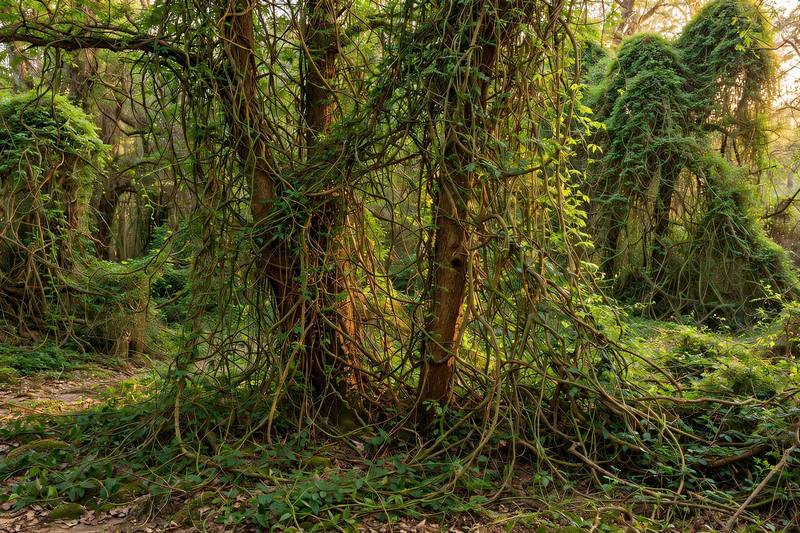
Let's switch to a word full of hope: rewilding. Rewilding means restoring land to a natural, wild state. Instead of managing every single acre, you step back and let nature take the lead.
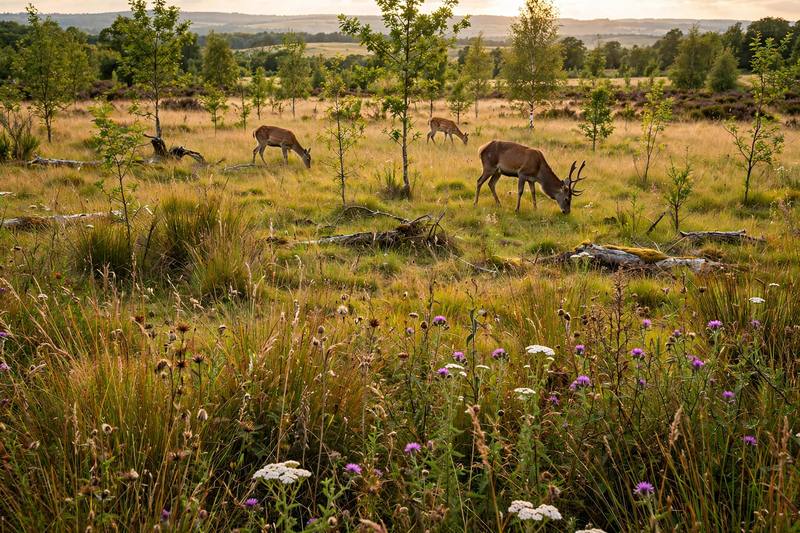
I adore rewilding. There is a famous project in England where worn-out farmland was simply left alone, and the rewilding that followed brought back nightingales, butterflies, storks, and even beavers. Rewilding works because nature already knows how to heal itself.
The classic rewilding story is Yellowstone. When wolves were reintroduced there, the whole park transformed. Rivers changed course, forests regrew, and scientists realized that this one act of rewilding had repaired an entire ecosystem. It showed that rewilding can succeed on a massive scale.
Rewilding is spreading across Europe and beyond now. Bison are roaming again, lynx are returning, and every new rewilding success gives hope to damaged landscapes. Of course, rewilding needs space, patience, and local support, but the results speak for themselves.
Our next word is a verb I use constantly: replenish. To replenish means to fill something up again, to restore it to its former level or strength.
Nature is full of replenishing cycles. Autumn rain replenishes our reservoirs. Forests replenish the oxygen we breathe. And wetlands, which we'll meet later, quietly replenish the groundwater that whole cities depend on.
It works as a metaphor too. A quiet weekend in the countryside can replenish a tired mind. Time with people you love can replenish your energy. Nature doesn't just replenish resources; it replenishes us, body and soul.
The flip side of replenish is our next word: deplete. To deplete means to use up the supply of something, to drain it dry. Overfishing is depleting fish stocks at an alarming rate.
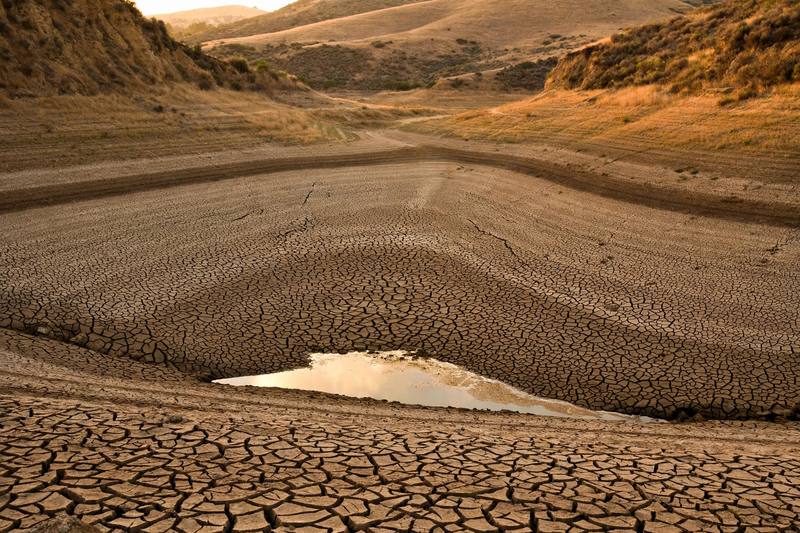
Humanity has become dangerously good at depleting nature faster than it can recover. We deplete the soil with intensive farming, we deplete underground aquifers by pumping far too much water, and we can deplete a thousand-year-old forest in a single generation.
The scary thing is the point of no return. You can replenish a lake with one rainy season, but it's almost impossible to replenish what you deplete from an ancient aquifer that took ten thousand years to form. Once you deplete something like that, it's gone.
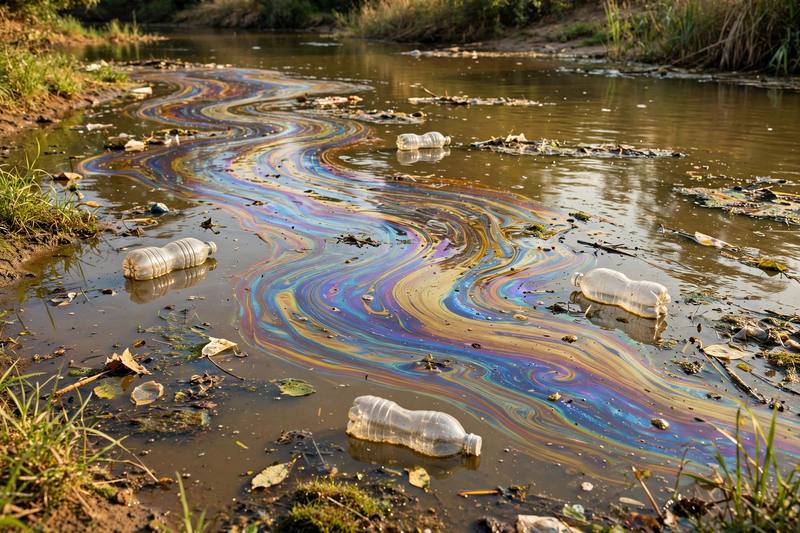
Our next word is one every environmental campaigner knows well: contaminate. To contaminate means to make something impure, dirty, or polluted. A single factory can contaminate an entire river.
Oil spills contaminate coastlines for years. Plastic waste contaminates the food chain, all the way up to the fish on our plates. And the cruelest part is that what we contaminate today, our children will inherit tomorrow.
But communities are fighting back. Volunteers are cleaning rivers that industry used to contaminate without consequence. Laws punishing companies that contaminate water supplies are getting tougher, and new sensors can detect the exact moment pollutants begin to contaminate a stream.
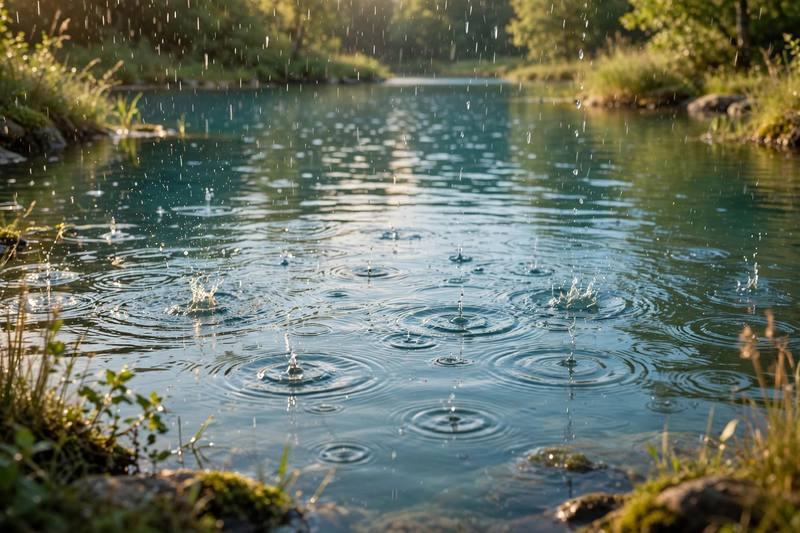
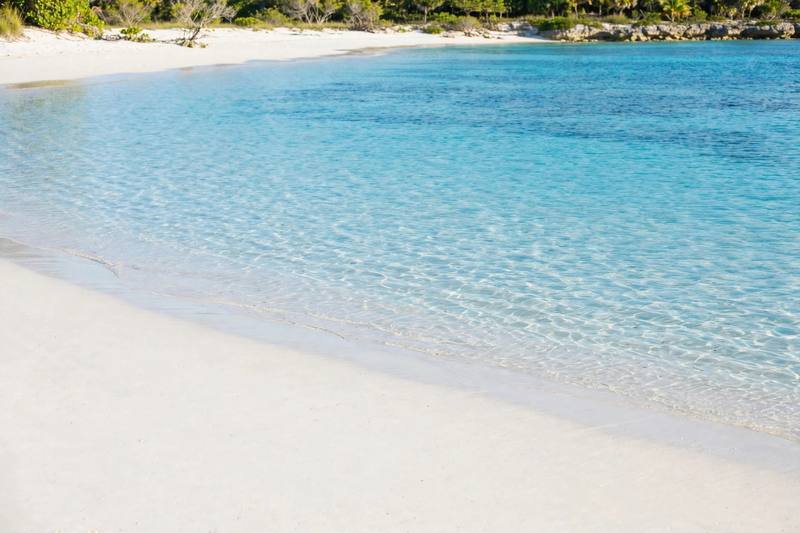
Let's lift the mood with a gorgeous word: pristine. Pristine means in its original condition, completely untouched and unspoiled. Picture a pristine alpine lake, or a pristine beach with not a single footprint.
Truly pristine places are becoming rare. The high Arctic still holds vast pristine landscapes, but even there, researchers are finding microplastics in once pristine ice. Protecting the last pristine corners of the planet feels more urgent every year.
That's why national parks matter so much. Rangers patrol to keep these places pristine. Visitors are asked to leave them pristine. And every generation hopes the next will find them still pristine, still wild, still whole.
Our next word is a sneaky one: invasive. An invasive species is a plant or animal that spreads aggressively in a new place and harms the local environment. It doesn't belong there, and it causes chaos.
The textbook example is the cane toad in Australia. This invasive amphibian has been poisoning native predators for almost a century. Once an invasive species gets established, removing it is brutally difficult and wildly expensive.
Islands suffer the worst from invasive newcomers. A single invasive rat can wipe out entire seabird colonies. An invasive weed can smother a whole forest floor. Around the world, controlling invasive species has become a full-time mission for conservation teams.
Next, a heavy but important word: extinction. Extinction is the dying out of a species, the moment the very last individual disappears from the Earth. The dodo is the famous symbol of extinction.
Scientists warn that we're living through a mass extinction event right now. Habitat loss, pollution, and climate change are driving species toward extinction faster than at any time since the asteroid killed the dinosaurs.
But extinction is not always the end of the story. The California condor was pulled back from the very edge of extinction. The Arabian oryx too. Every species rescued from extinction proves that determined action actually works.
Our final word today is wetland. A wetland is land that is covered or saturated with water: marshes, swamps, bogs, and floodplains. Wetlands rank among the most productive ecosystems on Earth.
Wetlands are nature's kidneys. Wetlands filter the water we drink, soak up floodwater before it reaches our homes, and shelter millions of migratory birds. Yet half of the world's wetlands have already been drained for farming and development.
Here's the exciting part: restoring a wetland is one of the smartest climate investments we can make. A healthy wetland locks away carbon. A protected wetland shields coastlines from storms. And every new wetland we create is a gift to the future.
Before we recap, Maya, I want to share a message from a listener. She wrote that her city turned an old landfill into a wetland park, and the transformation has been incredible.
Oh, I love stories like that. That's rewilding in action. They took land that used to contaminate the soil, and now the wetland filters the water and the biodiversity is coming back.
Exactly. And here's a fun challenge for everyone listening. Take two of today's words and connect them in one sentence. For example: deforestation destroys biodiversity, but rewilding can restore it.
Or this one: pristine rivers suffer when factories contaminate them, and invasive species move in when native life is depleted.
Beautiful. One more from me: protecting wetlands helps replenish groundwater and pushes back the extinction crisis for migratory birds.
Listeners, send us your two-word sentences. We might read the best ones on the next episode.
Time for a quick recap. Biodiversity, the variety of life. Deforestation, the clearing of forests. Rewilding, letting land go wild again. Replenish, to fill back up. Deplete, to use up. Contaminate, to pollute. Pristine, untouched and pure. Invasive, the aggressive newcomer. Extinction, the final goodbye. And wetland, nature's watery treasure.
Ten words, one planet. If this episode inspired you, share it with someone who loves the wild. And remember our challenge: use one of these words in conversation this week.
The planet doesn't need a handful of people doing everything perfectly. It needs millions of people doing small things, consistently. Thanks for listening to Word Kitchen.
See you next time, and keep your vocabulary wild.
🎙 Try Shadowing free sample
Listen and repeat along with the studio audio. Full shadowing practice with pronunciation scoring is in the app.
Fifty years ago, Miller's Creek was a pristine stream full of trout, kingfishers, and wildflowers.
Then the old paper mill began to contaminate the water with harsh chemicals.
Within a decade, those chemicals had started to contaminate every pool and riffle along the creek.
Train your speaking
Shadow every sentence with studio audio and get your pronunciation scored — only in the Muse English app.
📝Grammar: Future forms - present continuous, be going to, will / won't
Use **be going to + infinitive** for future plans and intentions that are already decided. It also makes predictions when there is clear present evidence. Use the **present continuous** for future arrangements that already have a time or place fixed. It sounds more definite than a general intention. Use **will / won't + infinitive** for instant decisions made while speaking. It also covers promises, offers, refusals, and spontaneous predictions. **Will** additionally states future facts and strong predictions without present evidence. Formal **shall** survives in offers and suggestions with
Master this grammar in the app
Get clear explanations, more examples and interactive exercises.
Keep learning every day
New lessons, podcasts and quizzes daily — free in the Muse English app.