📖 Muse English چیست؟
Muse English یک اپلیکیشن رایگان آموزش زبان انگلیسی است، با درس روزانه برای هر شش سطح، از A1 (مبتدی) تا C2 (تسلط کامل). هر روز لغتهای تازه با معنی فارسی، یک پادکست واقعی، تمرین شدوئینگ، گرامر و آزمون دارید. دربارهٔ اپ
📚 لغتها
۷ لغت تازه لغتهای تازه با معنی فارسی، مثال واقعی و تلفظ.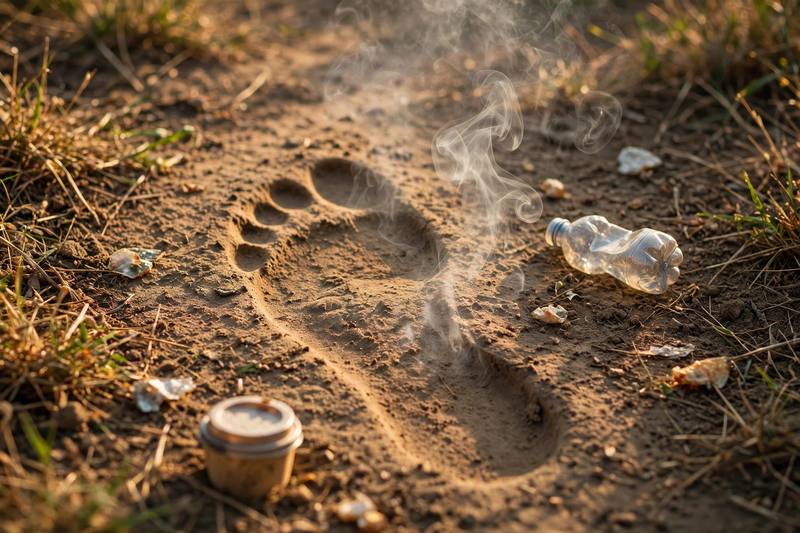
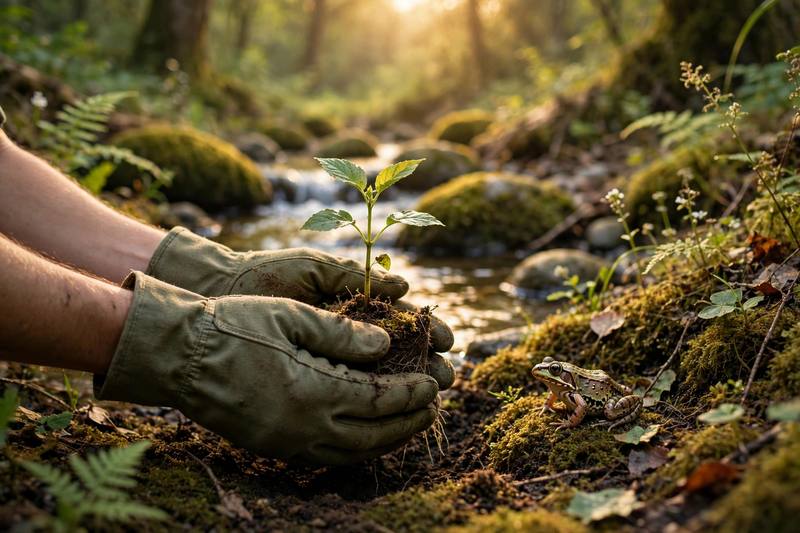
پادکست: طبیعت و محیط زیست
گفتوگوی امروز را گوش کنید.
📝 متن پادکست
Welcome to Muse English! I am Maya, and today Lena and I are talking about our planet, about nature, and about the choices that shape the future for all of us.
Hello everyone, I am Lena. I love this topic, because it connects science, history, health, and everyday life. By the end of our conversation, you will hear seven useful words again and again, in real situations.
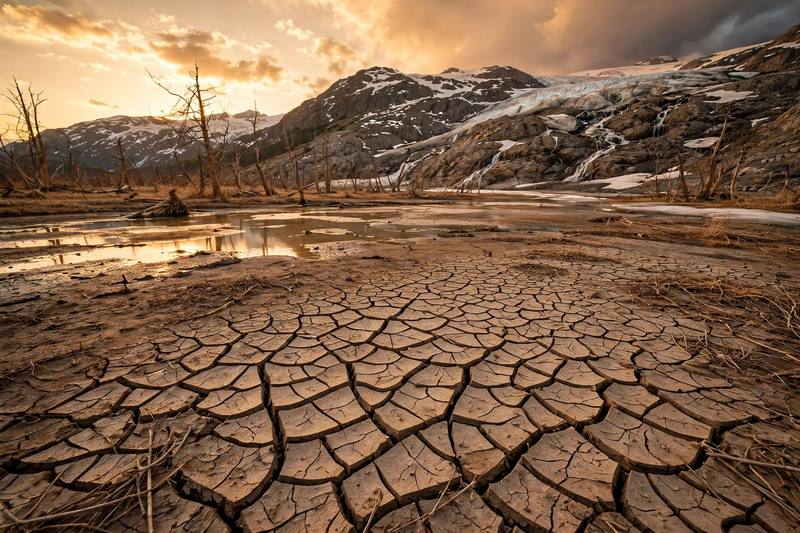
Let us start with a phrase you hear everywhere now, climate change. When we say climate change, we mean changes in global weather patterns, hotter summers, stronger storms, and rising seas in many places.
Yes, climate change is not just one hot day. Climate change is a long pattern. Scientists measure it over many years, and they can see that climate change is speeding up in many regions.
That is a good point. A single cold morning does not disprove climate change, just as one hot afternoon does not prove it. We look at the whole picture, year after year.
And closely linked to climate change is our carbon footprint. Your carbon footprint is the amount of carbon dioxide produced by you, by your travel, your home, and the things you buy.
Exactly. If you fly often, drive a large car alone, and waste a lot of energy at home, your carbon footprint grows. If you walk, cycle, and use public transport, your carbon footprint usually becomes smaller.
I checked my carbon footprint last month with an online calculator. I was shocked. My flights alone made my carbon footprint much bigger than I expected, so now I take the train when I can.
I did the same. Reducing a carbon footprint does not mean living with nothing. It means making smarter choices, step by step, and encouraging companies to do the same.
That leads us to conservation. Conservation means protecting animals, plants, and natural resources, so that future generations can enjoy them too.
Conservation can be big, like protecting a national park, or small, like planting trees in your street. Good conservation needs science, money, and local people who care.
My cousin works in conservation in Africa. She says conservation works best when local families benefit, because then they protect the wildlife instead of hunting it.
And conservation is not only about cute animals. Conservation protects clean water, healthy soil, and forests that slow climate change by absorbing carbon dioxide.
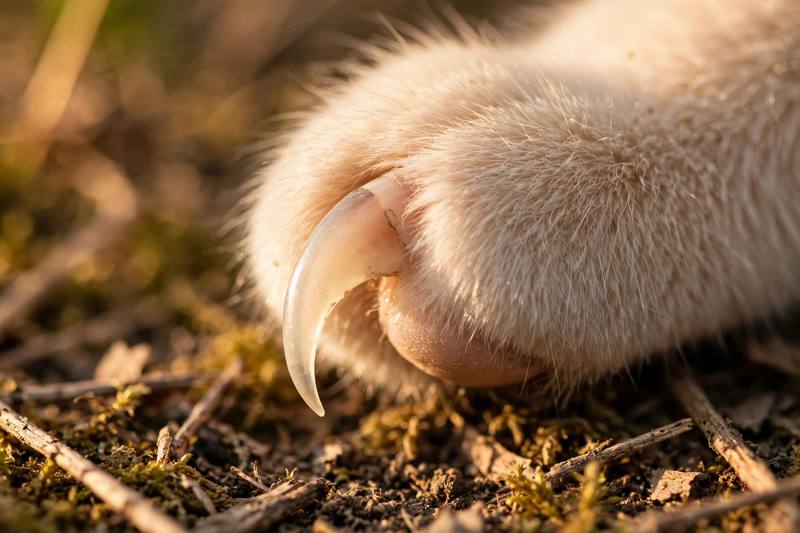
Speaking of animals, let us meet our next word, claw. A claw is a sharp, curved nail on an animal's foot. A cat has a claw on each toe, and an eagle has powerful claws for hunting.
I remember a cat scratching a tree. Each claw was so sharp. The cat sharpened its claw on the bark, then cleaned another claw with its tongue, very carefully.
Birds of prey depend on the claw more than almost any other tool. A strong claw can catch a fish, hold a branch, or defend a nest. Without a healthy claw, hunting becomes very hard.
In a wildlife hospital, vets check every claw. A broken claw can stop an animal from climbing or feeding, so they treat a damaged claw quickly and gently.
Before we go further, Maya, can I share something that is helping my own English, and I think it will help our listeners too?
Of course, please do.
I have been using the Muse English app every morning, and it has changed my routine. Each day I get fresh words with clear photos and pronunciation, I listen to this podcast, and then I practise with the shadowing stories. The quizzes test me gently, the grammar lessons are short and clear, and I earn points and climb the leaderboard, which keeps me coming back. It is free to install, and if you are listening now, try it today and make English a daily habit, not a someday plan.
I love that, because small daily practice beats one long session once a month. Now, let us turn to a harder part of our topic, health and conflict, and two difficult words, cholera and casualty, and also civil war.
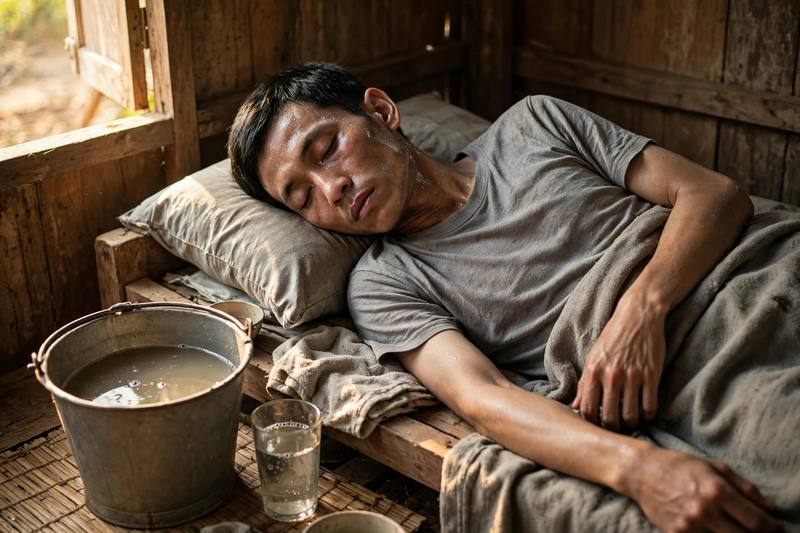
Yes, these words appear in news reports. Cholera is a serious disease causing severe diarrhoea. Cholera can spread quickly in poor areas, especially where clean water is scarce after a flood or an earthquake.
Doctors say cholera is preventable. Clean water, good toilets, and quick treatment save lives. When cholera breaks out, health workers move fast, because cholera can make a person dangerously ill within hours.
I read about a town where cholera returned after the water system was damaged. Nurses taught families to boil water, and that simple step slowed cholera dramatically.
Our next word, casualty, means a person injured or killed in an accident or war. News reports often say there were many casualties, and each casualty is a real person with a family.
That is so important to remember. Behind every casualty number there is a story. A casualty might be a driver hurt in a crash, a firefighter injured at work, or a child hurt in a storm.
After the earthquake, hospitals treated every casualty they could. One casualty arrived with a broken leg, another casualty needed urgent surgery, and teams worked all night for each casualty.
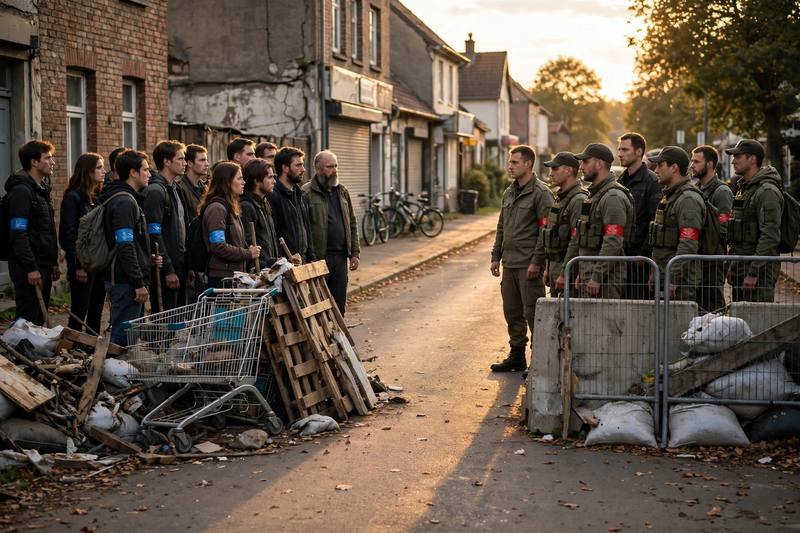
And when fighting happens inside one country, we call it a civil war. A civil war is a war between groups in the same country, and a civil war can destroy homes, schools, and hospitals for a generation.
History shows that a civil war rarely has a simple cause. Leaders may fight for power, regions may want independence, and ordinary people suffer most in any civil war.
In the novel I am reading, a family tries to stay together during a civil war. The civil war separates brothers, closes the university, and forces their mother to flee with almost nothing.
Notice how these words connect. A civil war can damage water systems, and then cholera spreads. Climate change can bring floods, and floods can also help cholera spread, so health, nature, and conflict are linked.
And conservation suffers too. During a civil war, conservation parks lose their guards, and illegal hunting grows. After peace returns, conservation workers must rebuild trust and protection from zero.
Lena, this is a good moment for our second little break. Would you like to tell listeners how they can practise today's words after the episode?
I would love to. Friends, if you want today's words to stay in your memory, open the Muse English app after this podcast. You will find the same words with photos and clear pronunciation, a shadowing story you can speak along with, sentence by sentence, and short quizzes that check what you remember. There are grammar lessons too, a friendly leaderboard, and points for every day you study. Installing the app is free, it takes a minute, and it turns listening into real learning. Join us in the app today, and bring a friend with you.
Thank you, Lena. Now let us return to solutions, because I do not want listeners to feel hopeless. What can one person really do about climate change?
A lot, together. You can reduce your carbon footprint, support conservation, and vote for leaders who take climate change seriously. No single action fixes climate change, but millions of actions change markets and laws.
I agree. Start with your carbon footprint at home. Turn off lights, waste less food, and repair things instead of replacing them. Each choice cuts your carbon footprint a little, and the habit spreads to friends.
For conservation, you can join a local clean-up, plant a tree, or give a small amount to a trusted conservation group. Even sharing a conservation story online can bring new supporters.
And watch wildlife with respect. If you see an eagle, admire its claw and its wings from a distance. Never try to hold a wild animal or touch a claw, because that stresses the animal and can hurt you.
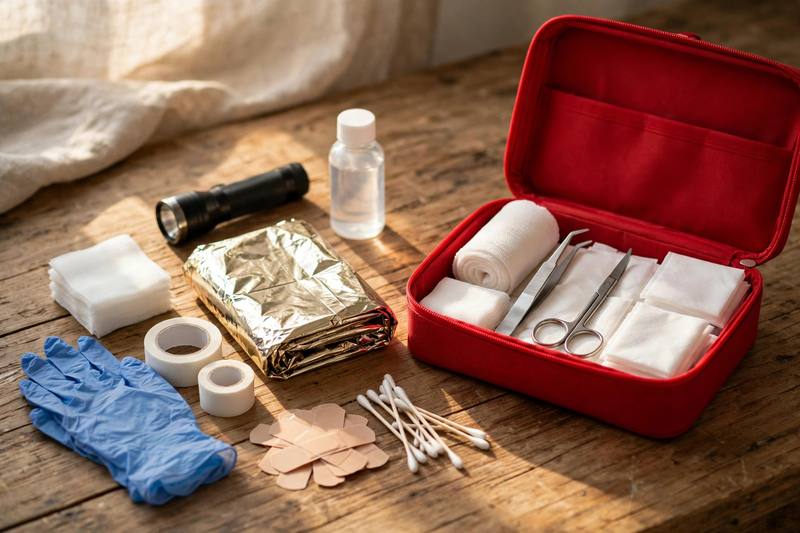
A vet once told me that a tiny claw injury can become serious if it gets infected. So if you find an injured animal, call experts. Do not treat the claw yourself.
Let us also remember the human side. When you read that a casualty was taken to hospital, or that cholera is spreading, or that a civil war has started, slow down. Ask who is affected, and what help they need.
Yes. Words help us understand the world with care. Casualty teaches us empathy, cholera teaches us about clean water, and civil war teaches us why peace is precious and fragile.
And climate change teaches us patience and responsibility, because climate change will not be solved in a week. Conservation teaches us hope, because conservation shows that nature can recover when we protect it.
Let me test myself, Maya. My carbon footprint is smaller when I cycle. Conservation protects forests and animals. A cat uses its claw to climb. Have I used our words well?
Perfectly. And I will add one more round. Reducing your carbon footprint helps slow climate change. Good conservation protects the places where animals use every claw to survive. Clean water prevents cholera, quick help saves a casualty, and dialogue can prevent a civil war.
That sentence connects everything beautifully. If listeners remember only one idea today, let it be this, small daily choices, in English and in life, really do add up.
Well said. Thank you for listening to Muse English. Keep practising in the app, review today's words tonight, and join us tomorrow for a new conversation, new words, and new stories. Goodbye for now.
Goodbye everyone, take care of each other, and take care of our planet.
🎙 تمرین شدوئینگ نمونهٔ رایگان
گوش کنید و همزمان با صدا بلند تکرار کنید. تمرین کامل شدوئینگ در اپ است: هر جمله را تکرار میکنید و میبینید اپ چند کلمه از آن را تشخیص داده است.
The small village by the sea was worried about climate change.
Climate change brought stronger storms and hotter summers to the village.
Old Tomas wanted to reduce his carbon footprint, so he stopped driving to the market.
صحبت کردن را تمرین کنید
در اپ Muse English همهٔ جملهها را شدوئینگ کنید. اپ گوش میدهد و نشان میدهد چند کلمه از جملهتان را تشخیص داده است.
📝گرامر: Present Perfect vs Past Simple
Use the past simple for a finished time in the past. The time is over, like *yesterday*, *last year*, *in 2019*, or *two years ago*.
Use the present perfect when the time is not finished, or when the past connects to now. We form it with have or has + the past participle, for example have worked and has gone.
For life experience with no time given, use the present perfect: *I've been to Paris three times.* For a specific past moment, use the past simple, especially in when questions.
Use since with a starting point and for with a p
این گرامر را در اپ کامل یاد بگیرید
توضیح کاملتر، مثالهای بیشتر و تمرین تعاملی.
هر روز ادامه بدهید
هر روز درس، پادکست و آزمون تازه؛ رایگان در اپ Muse English.