

📖 Muse English چیست؟
Muse English یک اپلیکیشن رایگان آموزش زبان انگلیسی است، با درس روزانه برای هر شش سطح، از A1 (مبتدی) تا C2 (تسلط کامل). هر روز لغتهای تازه با معنی فارسی، یک پادکست واقعی، تمرین شدوئینگ، گرامر و آزمون دارید. دربارهٔ اپ
📚 لغتها
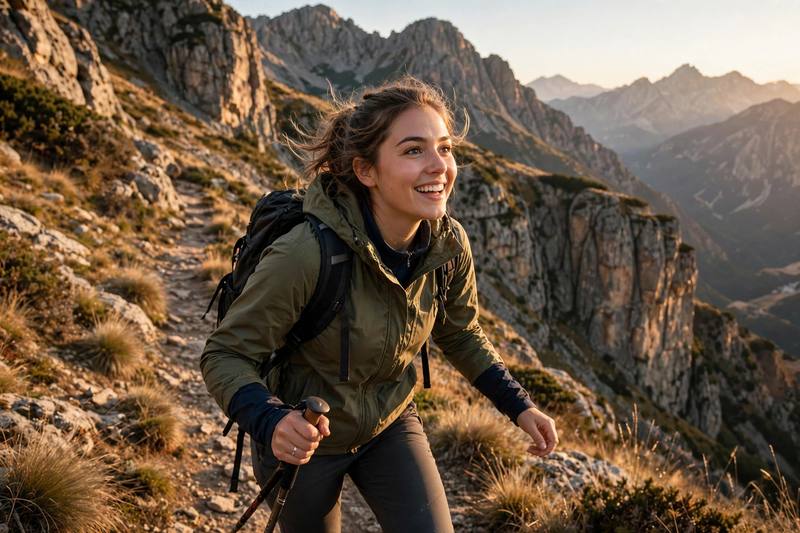
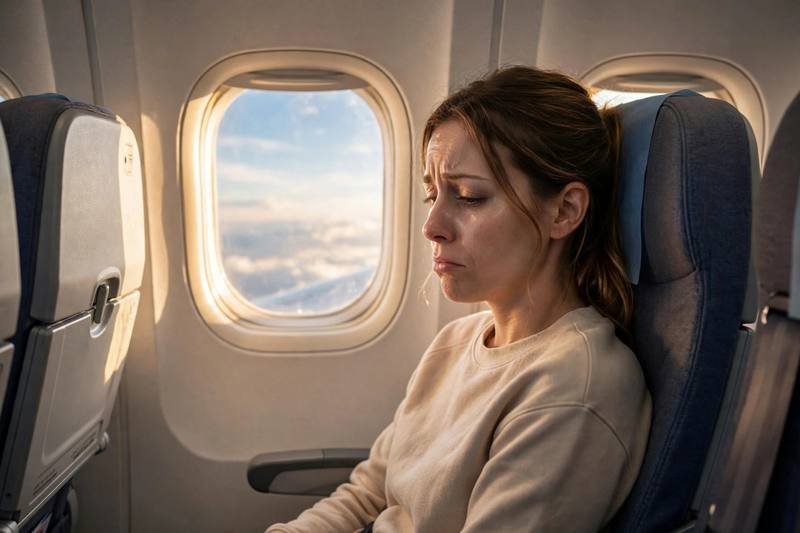
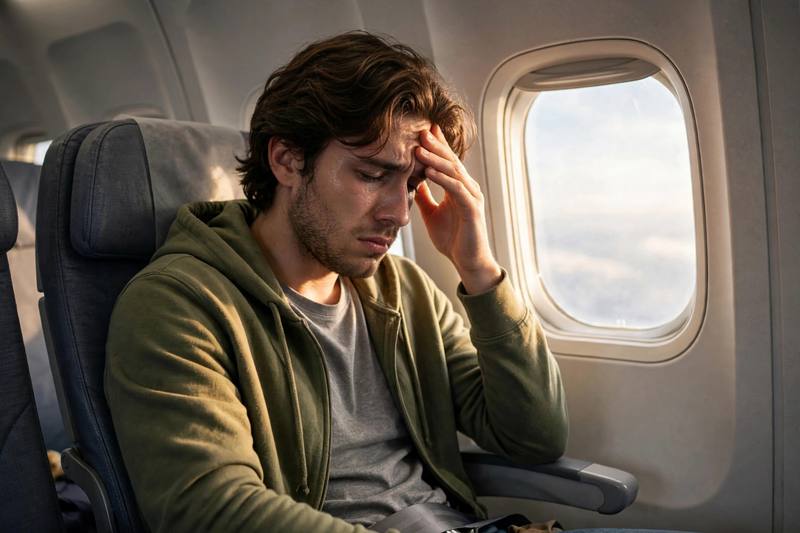
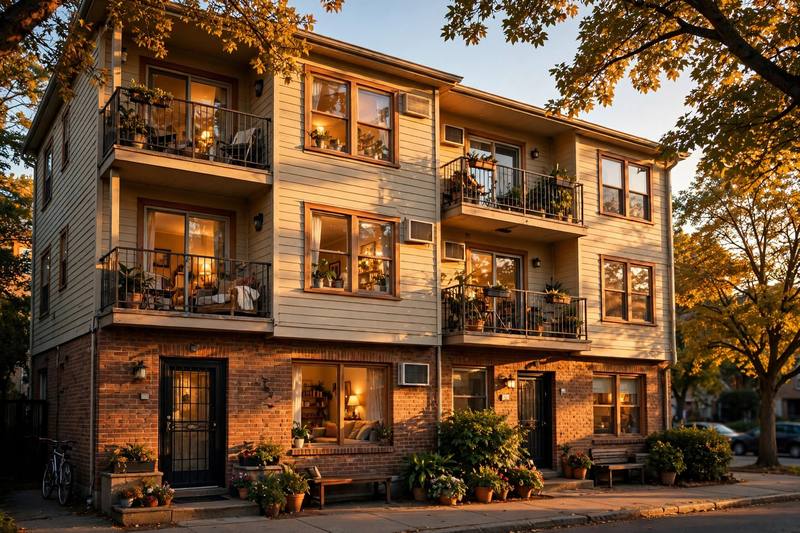
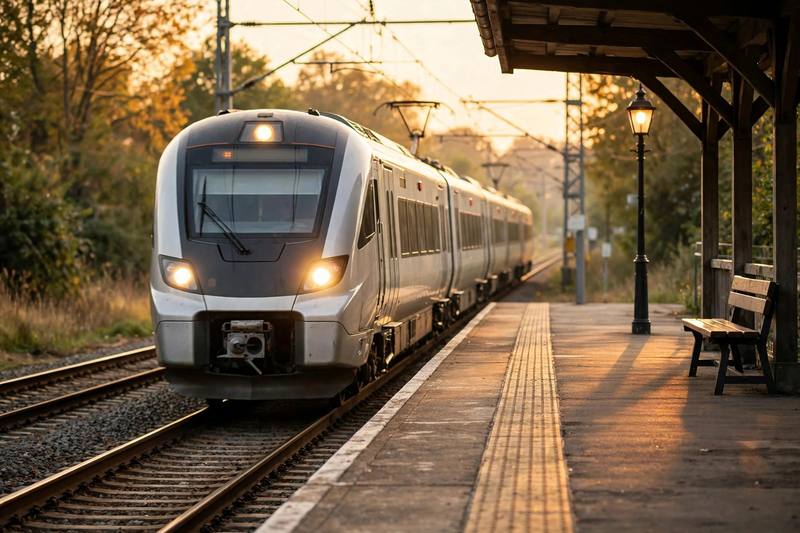
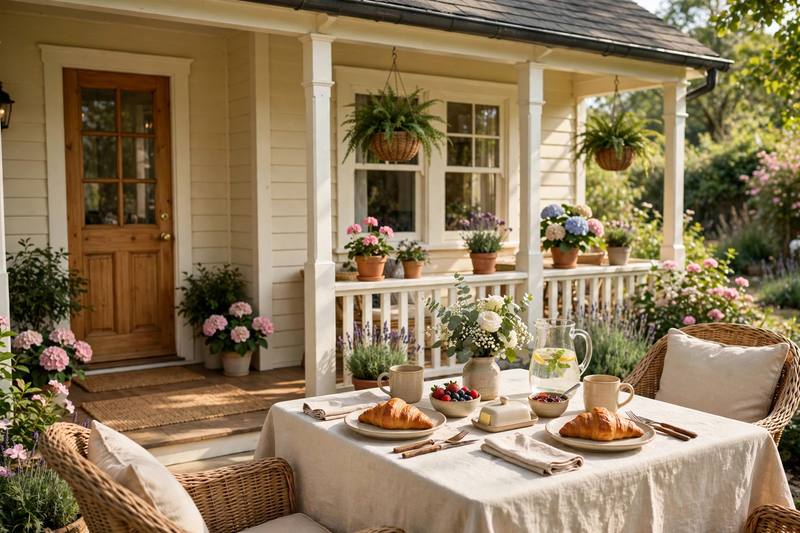
۷ لغت تازه لغتهای تازه با معنی فارسی، مثال واقعی و تلفظ.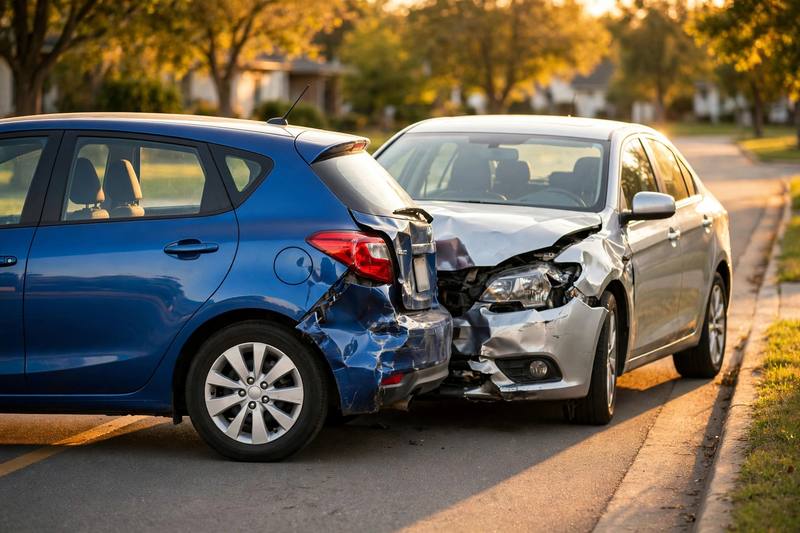
پادکست: سفر و حملونقل
گفتوگوی امروز را گوش کنید.
📝 متن پادکست
Welcome to Muse English! I'm Maya, and today we're going on a journey. Our topic is travel and transport, and my friend Lena just came back from a wonderful trip. Hi, Lena!
Hi, Maya! Hi, everyone! Yes, I just got back, and I have so many stories for you.
Let's start with a great word: adventurous. When we say someone is adventurous, we mean they are willing to take risks and try new things. Lena, are you an adventurous traveler?
I am becoming one! My old holidays were very simple. I booked a hotel near the beach and sat by the pool all week. But this year, my brother and I wanted to be more adventurous. We rented a small car and planned a road trip through the mountains.
That sounds exciting. So instead of a quiet beach, you chose something adventurous — long drives, small towns, new experiences every day.
Exactly. And before I tell you what happened, I want to share something that makes learning English so much easier.
Oh? What's that?
The Muse English app. Every day you get fresh words with real photos and clear pronunciation audio, just like the words we are teaching today. Plus this podcast, shadowing stories that train your mouth to speak, quick quizzes, grammar lessons, daily streaks, and a leaderboard where you earn points as you learn. It is free to install, so download it today and keep learning with us. Start today and feel the difference.
Thanks, Lena! Now, back to your adventurous road trip. What happened on the first day?
The first day was perfect. Blue sky, beautiful views, good music. But on the second day, we had an accident. Don't worry — a very small one. Let me explain the word first. An accident is something bad that happens by chance. It's not planned and not on purpose.
So what was your accident?
We were driving on a narrow mountain road, and I went a little too fast around a corner. We touched a wooden fence. Just a scratch on the car. Nobody was hurt, but after that small accident, I drove slowly and carefully. The accident actually made the trip better — we stopped rushing and enjoyed the views more.
I'm glad it was only a small accident. An accident like that is a good reminder to slow down. Where did you stay that night?
In a small town by a lake. We had booked an apartment on a travel website. An apartment is a set of rooms for living in — usually a bedroom, a bathroom, and a small kitchen. It's like a little home.
An apartment is such a smart choice for travelers. Hotels are expensive, but an apartment gives you space and a kitchen. What was your apartment like?
It was small but lovely. Our apartment had a big window with a view of the lake. The owner left us fresh bread and coffee. Every morning we made breakfast in the apartment kitchen. I love staying in an apartment because it feels like home, not just a hotel room.
That's a great tip. So after your night in the apartment, you kept driving north?
Yes. On the third day, we left the apartment and drove toward the coast. As we started to approach the coast, we could see the sea far away. Do you know the word approach? It means to come closer to something or someone.
Approach is very useful. A train approaches the station. A plane approaches the airport. You can also approach a person to ask a question. So you were approaching the sea?
We were. But then dark clouds started to approach from the west, and heavy rain began. We stopped at a small cafe and waited. While we waited, an older couple told us about a wonderful place further along the coast.
Waiting out the rain in a little cafe sounds quite lovely, actually. Did you use the time to plan the rest of the trip?
We did. We looked at the map and planned our route along the coast. No rushing, no stress — just drive slowly, stop often, and enjoy everything. That became our approach for the rest of the trip: slow travel.
I like that. An approach can also mean a way of doing something. So your approach to travel was: take it easy and stay curious.
Exactly. When you approach a trip with calm and curiosity, every small town feels like a gift.
Before you tell us about that place, a quick reminder for our listeners about something that will make your English grow every single day.
Is it my turn again?
No, this time it's mine! Before we wrap up the first half, a quick reminder about the Muse English app. Imagine opening your phone and finding today's words with photos and pronunciation waiting for you, a podcast like this one, a shadowing story to copy out loud, a fun quiz, and grammar explained simply. You collect points on the leaderboard as you improve. Download it free today and make English part of your daily routine.
Well said, Maya! Now, where was I? Ah yes — the couple told us about a small B and B run by a local family. A B and B is a bed and breakfast — a place where you can sleep and eat breakfast in the morning, usually in someone's house.
I love B and Bs. They're smaller and more personal than hotels. Did you go to this B and B?
We did, and it was the best part of the trip! The B and B was a beautiful old house with flowers everywhere. The family welcomed us with tea, and the breakfast was incredible — fresh eggs, homemade bread, local honey. In a big hotel, nobody knows your name. In a small B and B, the family shares stories and tells you where to go.
That sounds wonderful. So many travelers love a B and B because it feels personal. You meet real people and eat real local food.
Exactly. If you ever travel along a coast, find a small B and B. You will not regret it.
Great advice. Now, your trip was by car, but didn't you also fly this year?
Yes. Before the road trip, I flew to visit my cousin. And on that flight, I learned an unpleasant word: airsick. Airsick means feeling sick because of flying.
Oh no. What happened?
It was a five-hour flight with a lot of turbulence, when the plane shakes in the air. After two hours, I started to feel airsick. My stomach was turning and my head was spinning. I just wanted the plane to land.
Poor you. And the noun is airsickness — the feeling of being sick from flying. Did anything help the airsickness?
A kind flight attendant gave me medicine for airsickness, and it helped a little. But since that flight, I'm nervous before flying. I'm afraid I'll get airsick again.
That's very common. Many people suffer from airsickness on long or bumpy flights. The good news: you can fight airsickness. Sit near the wing, where the plane moves the least. Look at the horizon. Drink water, and eat something light before the flight.
I wish I'd known that! Next time, I'll choose my seat carefully and take medicine for airsickness before I board — not after I start feeling airsick.
Perfect plan. Feeling airsick doesn't mean you can't enjoy travel. It just means you prepare better.
True. And you know what? Talking about it makes me want to plan another adventurous trip!
Lena, before our recap, one more question. If our listeners plan their own adventurous trip, what are your top three tips?
Great question! Tip one: choose your transport wisely. A car gives you freedom, but trains are relaxing and comfortable. Whatever transport you choose, check the weather first — nobody wants a storm to approach in the middle of a mountain road!
Good one. And tip two?
Tip two: mix your stays. Book an apartment for freedom and a B and B for warmth. In an apartment, you live like a local and cook your own food. In a B and B, you become part of a family for a few days.
I love that. And tip three?
Tip three: be ready for surprises. You might have a small accident, or you might feel airsick on the plane. Pack medicine for airsickness, drive carefully, and remember — every accident and every problem becomes a great story later.
That's beautiful. An adventurous spirit isn't about avoiding problems. It's about enjoying the journey anyway.
Exactly! And here's a bonus tip: learn a few local words before you go. Even ten words can change your whole trip.
Let's do a quick recap of today's seven words.
An accident is something bad that happens by chance. For example: he had a car accident yesterday. Our accident on the mountain road was small, and luckily nobody was hurt.
Second: adventurous.
Adventurous describes someone willing to take risks and try new things. She is an adventurous traveler. This trip made me more adventurous than ever.
Third and fourth: airsick and airsickness.
Airsick is an adjective meaning feeling sick because of flying. She felt airsick during the long flight. Airsickness is the noun — the feeling of being sick from flying. He took medicine for airsickness.
Fifth: apartment.
An apartment is a set of rooms for living in. We live in a small apartment. Our apartment by the lake had a beautiful view.
Sixth: approach.
Approach means to come closer to something or someone. The train is starting to approach the station. We watched the coast approach, and later we watched the storm clouds approach.
And seventh: B and B.
A B and B is a bed and breakfast — a place to sleep and eat breakfast. We stayed in a nice B and B. The family at our B and B treated us like old friends.
Wonderful. Our seven words: accident, adventurous, airsick, airsickness, apartment, approach, and B and B. Use them this week — tell someone about a trip, real or imaginary, and try to use all seven.
And tell us: are you an adventurous traveler?
That's all for today's Muse English. Keep listening, keep practicing, and keep exploring. See you tomorrow!
Bye, everyone! Travel safe, and stay adventurous!
🎙 تمرین شدوئینگ نمونهٔ رایگان
گوش کنید و همزمان با صدا بلند تکرار کنید. تمرین کامل شدوئینگ در اپ است: هر جمله را تکرار میکنید و میبینید اپ چند کلمه از آن را تشخیص داده است.
The Adventurous Road Trip
Last summer, my friend Sara planned an adventurous road trip.
She wanted to be adventurous and explore the mountains by car.
صحبت کردن را تمرین کنید
در اپ Muse English همهٔ جملهها را شدوئینگ کنید. اپ گوش میدهد و نشان میدهد چند کلمه از جملهتان را تشخیص داده است.
📝گرامر: Unless, Provided, As Long As
Besides if, English has other words for conditions. Unless means *if … not*. I won't go unless you come too.
Provided (that) and as long as mean *only if*. You can borrow my car as long as you drive carefully.
Use unless with a positive verb, not a negative one. Say unless you come. Never say unless you don't come.
After unless, provided, and as long as, use the present simple. We say unless it rains, not unless it will rain.
In case is for precautions — things you do now because something might happen later. Take a coat **in case
این گرامر را در اپ کامل یاد بگیرید
توضیح کاملتر، مثالهای بیشتر و تمرین تعاملی.
هر روز ادامه بدهید
هر روز درس، پادکست و آزمون تازه؛ رایگان در اپ Muse English.