
📖 Muse English چیست؟
Muse English یک اپلیکیشن رایگان آموزش زبان انگلیسی است، با درس روزانه برای هر شش سطح، از A1 (مبتدی) تا C2 (تسلط کامل). هر روز لغتهای تازه با معنی فارسی، یک پادکست واقعی، تمرین شدوئینگ، گرامر و آزمون دارید. دربارهٔ اپ
📚 لغتها
۱۰ لغت تازه لغتهای تازه با معنی فارسی، مثال واقعی و تلفظ.






پادکست: فناوری
گفتوگوی امروز را گوش کنید.
📝 متن پادکست
Welcome to Muse English! I am Maya, and this is the show where you learn real English for real life.
And I am Lena. Today we are diving into digital life. We have ten words for you, words you see every single day on your phone, on social media, and at work. By the end of this episode, you will use them like a native speaker.
Think about it. How many hours did you spend on your phone yesterday? Two? Three? Maybe more? All that time, you were swimming in these words. An influencer told you what to buy, a viral video made you laugh, and spam filled your inbox. These are not textbook words. These are life words.
I love that. Life words. And our first life word is influencer. An influencer is a person with a large online audience who can change what people buy, watch, or think. When an influencer recommends a new phone, thousands of followers trust that opinion.
So an influencer is more than just a famous face. A real influencer builds trust over time, and that trust moves markets. Companies now pay a top influencer more than a television star, because one honest post from a trusted influencer can sell out a product in a single day.
I follow an influencer who tests kitchen gadgets. Every influencer I follow feels like a friend, and that is exactly why their advice works so well. But being an influencer is not easy. One dishonest recommendation can destroy an influencer's reputation overnight.
That is the risk of influence. Okay, before we continue, a quick word about the app behind this show.
Go ahead.
The Muse English app gives you new words every day with clear photos and pronunciation audio, this very podcast, shadowing stories that train you to speak smoothly, fun quizzes, and grammar lessons that finally make sense. You earn points and climb the leaderboard as you learn. Start with just ten minutes a day and watch your confidence grow. It is completely free, so install it today and build your daily English habit.
Great reminder. Our second word is viral. When a video goes viral, it spreads to millions of people in just a few hours.
A viral post gets shared again and again. Yesterday I watched a viral clip of a dog ordering food at a drive-through, and by lunch that viral video was all anyone in my office talked about.
So viral means fast and massive. A normal post gets a few dozen likes, but a viral hit takes over your entire feed for a day or two.
Brands spend millions trying to go viral, but nobody can predict what goes viral. Sometimes a simple, honest phone video goes viral while a million-dollar advertisement is completely ignored.
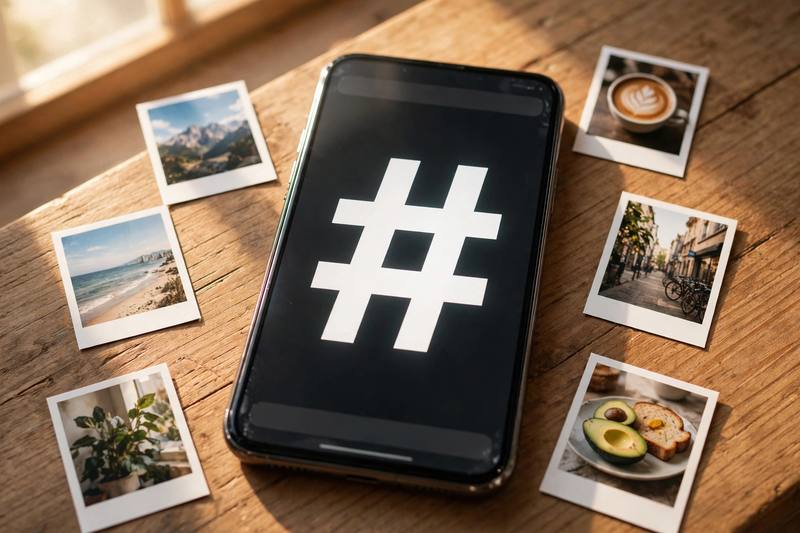
That is the magic and the mystery of the internet. Our third word is hashtag. A hashtag is the hash symbol in front of a word, and it groups posts by topic. When you click a hashtag, you instantly see every post that used that hashtag.
A smart hashtag makes your post easy to find. Big events create their own official hashtag, and thousands of people follow that hashtag to join the live conversation.
I always forget the hashtag on my photos, and then nobody discovers them. Adding one hashtag takes two seconds, and one good hashtag can honestly double your reach.
A hashtag is free advertising for your ideas. Now let's move to screenshot. A screenshot is a picture of exactly what is on your screen at that moment.
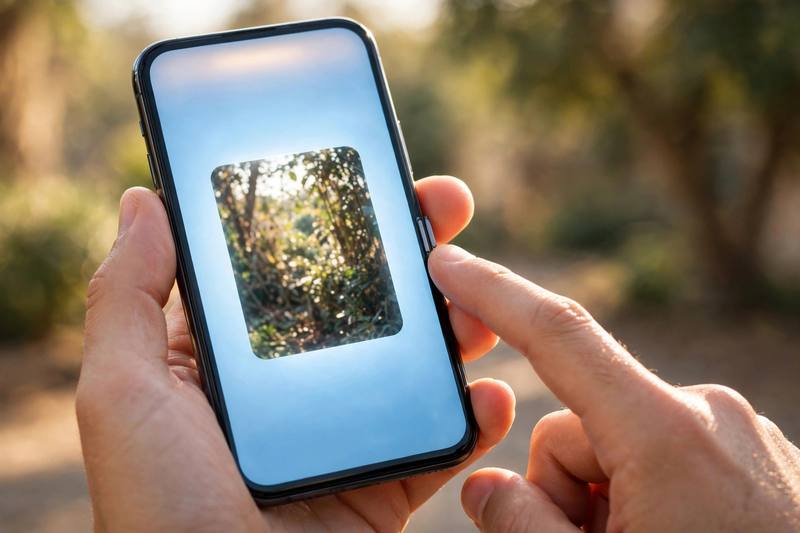
If an app shows a strange error, take a screenshot and send it to support. A clear screenshot explains the problem better than a long written description.
I take a screenshot of funny messages, useful maps, and great quotes I want to remember. On most phones you press two buttons together, and the screenshot is saved instantly. Share that screenshot with a friend, and you are done in seconds.
A screenshot is also proof. Save a screenshot of your hotel booking confirmation, and you will never argue at the front desk again. One screenshot can save you an hour of stress.
Excellent point. Our fifth word is webinar. A webinar is an online class, workshop, or meeting that people join over the internet from anywhere.
Last month I joined a webinar about food photography. That webinar had two hundred people in it, all learning comfortably from home.
A live webinar usually lets you ask questions in the chat. Our company runs a free webinar every month, and each webinar brings in new customers who found us online.
A good webinar honestly feels like a real classroom. You watch the slides, you hear the speaker, and you can still raise your virtual hand. For a busy person, a webinar is the perfect way to keep learning.
Could not agree more. And speaking of learning, Lena has something for our listeners.
If you are enjoying this episode, you will love the Muse English app. It is your daily English coach. You get vocabulary with real photos, pronunciation audio, this very podcast, shadowing stories that train your mouth to speak naturally, quizzes that lock in what you learn, and grammar lessons that are clear. Collect points, rise on the leaderboard, and feel your English grow every day. Download it free and start your streak today.
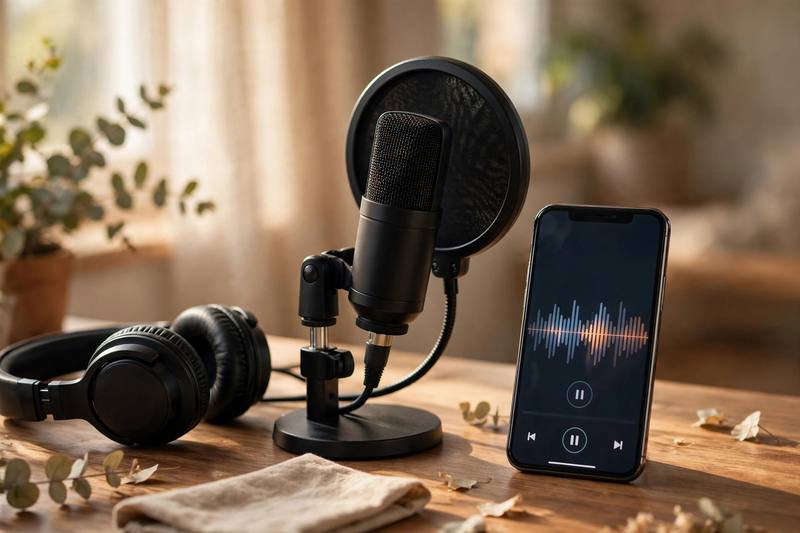
Thanks, Lena. Our sixth word is podcast. A podcast is a series of spoken audio episodes you can listen to anytime, anywhere.
You are listening to a podcast right now. This podcast is my favorite way to learn English, and every podcast I follow teaches me something new about the world.
A great podcast fits into the gaps of your day. Listen to a podcast while you cook dinner or walk to work, and suddenly that podcast becomes your personal teacher.
I also love that a podcast is free and endless. There is a podcast for every hobby you can imagine, from gardening to space travel to true crime.
Our seventh word is mute. To mute means to silence your microphone or speaker. In a big online meeting, please mute your microphone when you are not speaking.
Yes. If your dog starts barking, hit mute in one second. I once forgot to mute during a large webinar, and two hundred people heard my cat screaming. Mute saves you from total embarrassment.
You can also mute a noisy group chat. Mute the chat, keep your notifications clean, and catch up on the messages when you actually have time.
Honestly, mute is my favorite button on the entire internet. Now, spam. Spam is unwanted email or messages sent to huge numbers of people at once.
I delete spam from my inbox every single morning. Most spam promises fake prizes or miracle cures, and some spam is genuinely dangerous.
Never click a link in spam, and never reply to spam. Good email apps filter most spam automatically, but a little spam always slips through the cracks.
If spam keeps arriving from the same address, block it and report it as spam. Less spam in the morning means a calmer start to your day.
Our ninth word is firewall. A firewall is security software that protects a computer or a network from attackers.
Think of a firewall as a digital security guard standing at the door. The office firewall inspects everything trying to come in, and a strong firewall stops hackers before they can ever reach your files.
So a firewall is your first line of defense online. Even your home internet router has a simple firewall built in. Without a firewall, your personal data is completely exposed.
Exactly. Keep your firewall turned on, keep it updated, and you are dramatically safer. Our final word is reboot. To reboot means to restart your phone or computer completely.
Reboot fixes an amazing number of problems. Yesterday my laptop froze during a webinar, so I did a full reboot, and after the reboot everything worked perfectly again.
The oldest tech advice is still the best advice. When in doubt, reboot. A quick reboot clears temporary errors and gives your device a completely fresh start.
Let me paint a picture of one normal day using all ten words. You wake up, delete the spam, and join a morning webinar. Your favorite influencer posts a video that goes viral. You take a screenshot, add the perfect hashtag, and share it with friends. Later you mute a noisy group chat, listen to a relaxing podcast, and your firewall quietly protects you the whole time. If anything freezes, you just reboot and move on.
That is digital life in one paragraph. Ten words, one ordinary day.
Let's do a fast review of all ten words, with one quick example each. One, influencer. That influencer has three million followers. Two, viral. The dance video went viral overnight. Three, hashtag. Do not forget the hashtag on your post. Four, screenshot. Send me a screenshot of the ticket. Five, webinar. The free webinar starts at noon. Six, podcast. This podcast drops a new episode daily. Seven, mute. Please mute your mic. Eight, spam. I reported the spam. Nine, firewall. The firewall blocked the attack. Ten, reboot. A quick reboot fixed it.
Beautiful. Now here is your challenge. Today, use at least three of these words in real life. Take a screenshot of something useful, join a webinar, start a new podcast, or tell a friend about your favorite influencer. When you use a word in a real conversation, it becomes yours forever.
Thanks for learning with us on Muse English. We will see you tomorrow with ten brand new words.
See you tomorrow.
🎙 تمرین شدوئینگ نمونهٔ رایگان
گوش کنید و همزمان با صدا بلند تکرار کنید. تمرین کامل شدوئینگ در اپ است: هر جمله را تکرار میکنید و میبینید اپ چند کلمه از آن را تشخیص داده است.
Sara woke up early and checked her phone.
Her inbox was full of spam again.
She deleted the spam in less than a minute.
صحبت کردن را تمرین کنید
در اپ Muse English همهٔ جملهها را شدوئینگ کنید. اپ گوش میدهد و نشان میدهد چند کلمه از جملهتان را تشخیص داده است.
📝گرامر: Causative: Have/Get Something Done
Sometimes another person does the work for you. You arrange it and you pay for it, but you do not do it yourself.
English has a special causative structure for exactly this situation, from phone repairs to podcast editing. The core pattern is have + object + past participle.
This pattern tells the listener that someone else performed the action as a service for you. The focus is on the result you received.
You can also use get + object + past participle. This version is more informal, and it is very common in everyday conversation.
Word order matters. The object always comes before
این گرامر را در اپ کامل یاد بگیرید
توضیح کاملتر، مثالهای بیشتر و تمرین تعاملی.
راهنمای کامل و تمرینها: Causative: Have/Get Something Done ←
هر روز ادامه بدهید
هر روز درس، پادکست و آزمون تازه؛ رایگان در اپ Muse English.