

📖 What is Muse English?
Muse English is a free English learning app with daily lessons across all 6 CEFR levels (A1 Beginner to C2 Proficient). Every day brings new vocabulary, a real podcast conversation, shadowing practice, grammar and quizzes — all at museenglishapp.com.
📚 Vocabulary
10 new words Learn new words with real examples and audio.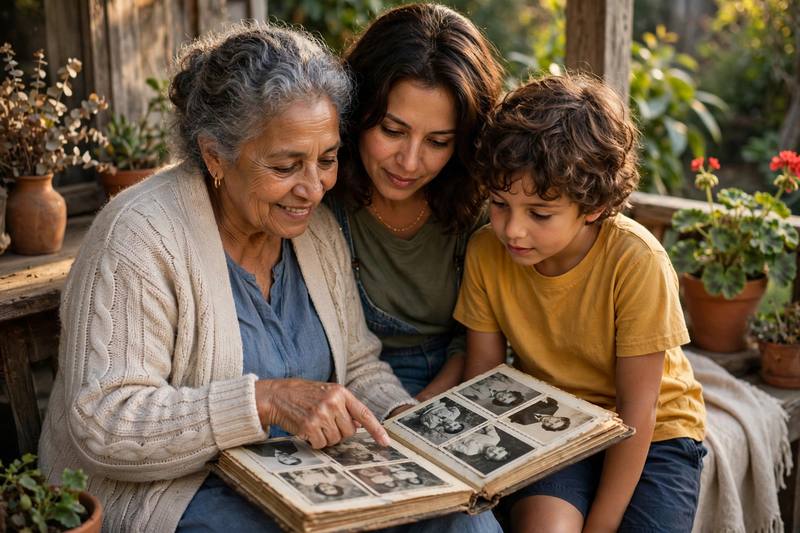


Podcast: Family & Relationships
Listen to today’s conversation.
📝 Podcast Transcript
Welcome back to Word Kitchen, everyone! Today we are cooking up something a little different. We are talking about the people who know us best, our families.
That's right, Maya. Family and relationships, the ties that shape who we are. We have got ten wonderful words for you today, and trust me, you will hear them all, again and again.
Exactly. Our plan is simple. We will use each word several times in real conversation, so by the end of the episode, you will know them like old friends.
So grab your coffee, get comfortable, and let's start with where it all begins, our upbringing.
Lena, do you think our upbringing really shapes the adults we become?
Oh, absolutely. My upbringing in a small house with three brothers taught me how to share, negotiate, and forgive quickly.
Mine was the opposite. A quiet apartment, just my parents and me. My upbringing made me independent but a little shy around crowds.
That's the power of upbringing. It is the way we are raised, the rules, the warmth, the discipline. Every upbringing leaves a mark on who we are.
True. Even the food we love, the jokes we tell, the fears we carry. So much of it comes from our upbringing.
And the good news is, understanding your upbringing helps you choose which parts to keep and which parts to change as you grow older.
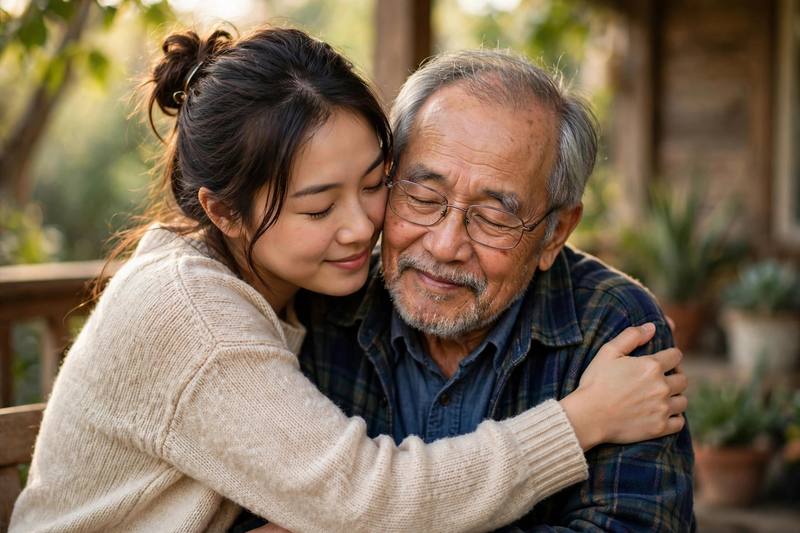
You know, when I meet someone who grew up the same way I did, I feel an instant kinship. Like we speak the same secret language.
Yes! Kinship is that deep feeling of connection, like family, even when the person is a stranger. I felt real kinship with a colleague from my hometown the very first week at work.
It is beautiful. Kinship does not need blood. It needs shared stories. And that kinship often grows into a strong bond between people.
Exactly. A bond is a strong tie, love or friendship, that holds people together. My bond with my college roommate is like a real sisterhood.
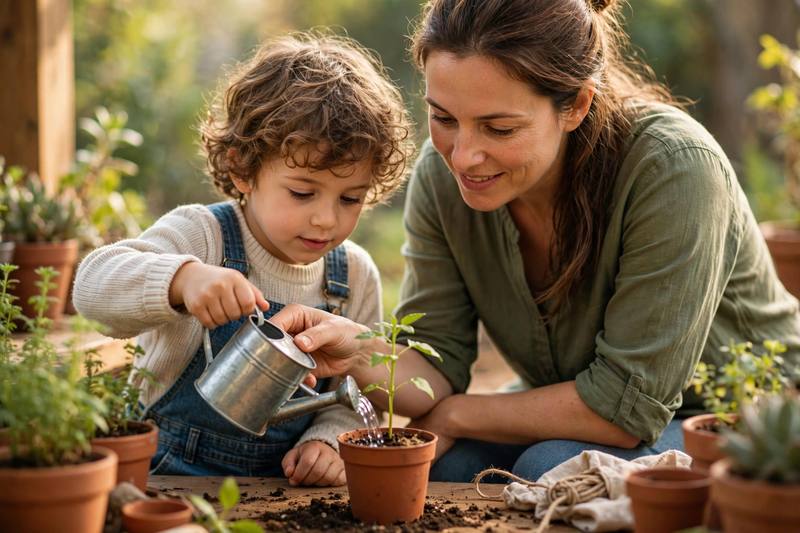
Bonds can form anywhere. A shared trip, a hard year, a family crisis. The bond between my father and me grew stronger when we built his garden together last summer.
And kinship can spark a bond in minutes. One conversation, one shared memory, and suddenly there is a bond where there was nothing before.
So kinship is the spark, and a bond is the fire that keeps burning. I love that picture.
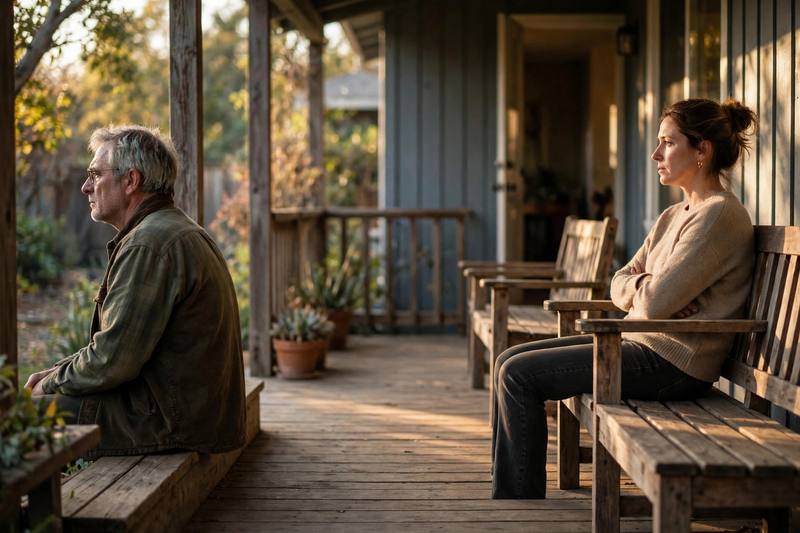
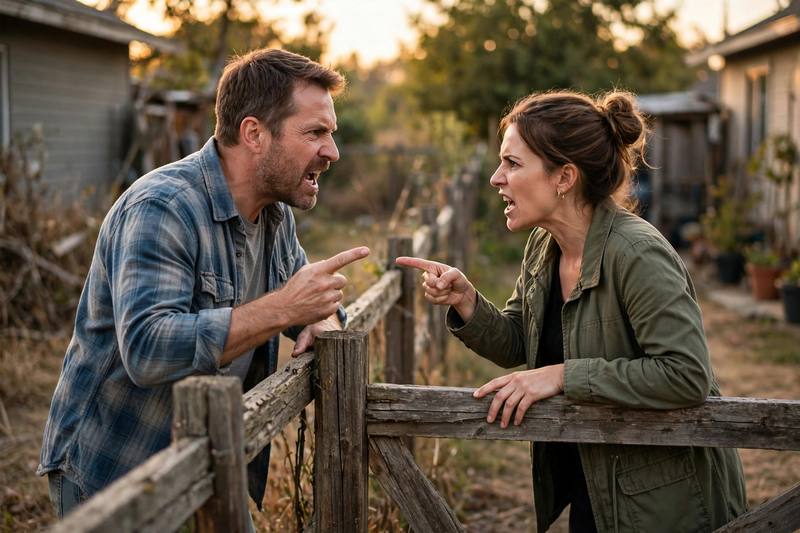
But families are not always warm, right? Sometimes there is a feud, a long angry argument that splits everyone apart.
Oh yes. A feud can start over something tiny, an inheritance, an insult at a wedding, and then it lasts for years. My uncle and his brother had a feud that divided our whole family for ages.
That is so sad. During a feud, people stop talking, stop inviting each other to dinner. The feud becomes part of the family story, unfortunately.
And when a feud goes on too long, people become estranged. Estranged means no longer in contact, cut off from the family. My cousin was estranged from her mother for almost five years.
Five years! Being estranged must feel terrible, like losing a part of yourself. I know a woman who was estranged from her sister, and she said every holiday felt empty without her.
But here is the hopeful part. Families can reconcile. To reconcile means to become friends again after a fight. My uncle and his brother finally decided to reconcile at our grandmother's birthday party.
That is wonderful! When people reconcile, the healing is slow but real. They had to reconcile with honesty, with apologies, and with a lot of patience.
And after they reconcile, the relationship is never exactly the same, but it can be even stronger. So a feud does not have to last forever. No one has to stay estranged. Anyone can choose to reconcile.
Let's talk about the happy side now. A devoted family member, someone who shows deep love and loyalty. My mother is the most devoted grandmother you will ever meet.
Being devoted is a choice you make every day. A devoted father drives across town to watch every match. A devoted sister calls every single evening just to check in.
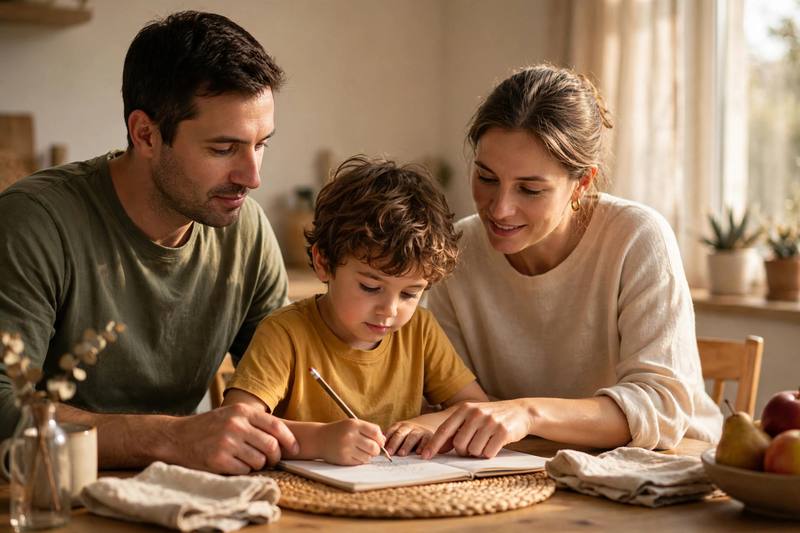
And devoted people often come from nurturing homes. Nurturing means caring and supportive, helping people grow. A nurturing home gives children real courage.
Yes! A nurturing teacher, a nurturing grandmother, a nurturing friend. That nurturing environment is where confidence is truly born.
I think nurturing is underrated. A nurturing word at the right moment can change a whole life. My old coach had that nurturing way of pushing you without ever breaking you.
Beautifully said. And people who grow up in a nurturing home learn to cherish the small things. To cherish means to love something deeply and take care of it.
I cherish the letters my grandfather wrote to me. I keep them in a wooden box, and I cherish every single word in them.
That is what cherish means, really. We cherish old photos, we cherish family recipes, we cherish memories from childhood. When you cherish someone, you treat them like a treasure.
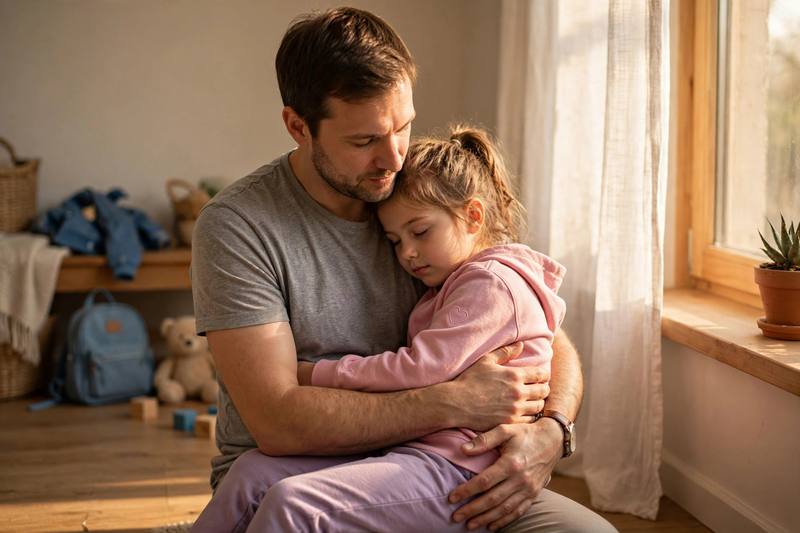
Now a heavier topic, but an important one. When parents separate, there is often a question of custody. Custody is the legal right to care for a child.
Right. Courts decide custody based on what is best for the child. Sometimes one parent gets full custody, and sometimes they share custody equally.
Shared custody can work well when parents cooperate. But custody battles, the fights over custody, can be painful for everyone, especially for the children.
That is why good lawyers and mediators try to settle custody calmly and fairly. The goal of any custody decision should always be the child's happiness, not the parents' pride.
Exactly. Custody is not about winning. It is about making sure the child still feels loved and safe every single day.
Before we recap, Lena, I want to hear one more story. You mentioned your grandmother's Sunday dinners earlier. Tell me about them.
Oh, I love talking about those! Every Sunday, my whole extended family would come to her small house. Cousins, uncles, aunts, everyone. My grandmother was a devoted cook, always making three dishes at once.
A devoted cook! I can picture it. And I bet those dinners created a special bond between all of you.
They really did. The bond between cousins who only saw each other on Sundays grew stronger every single year. We shared secrets, played cards, and laughed until our stomachs hurt.
That sounds like the perfect example of a nurturing family tradition. Nurturing is not just about parents and children. A whole family can be nurturing.
Exactly. Her house was a nurturing place where nobody felt judged. Even when cousins fought, which happened a lot, the nurturing atmosphere helped us forgive quickly.
Did anyone ever stay angry for long? I mean, with so many strong personalities in one kitchen?
Sometimes, yes. My two uncles had a small feud once over a football game, believe it or not. It lasted two whole months.
Two months over football! Did they reconcile at the next Sunday dinner?
They did. My grandmother sat them next to each other, served them both her famous stew, and said, "Life is too short for this nonsense." They had to reconcile. There was no choice.
Grandmothers are the best mediators. I cherish memories like that. Simple food, loud laughter, everyone together in one room.
Me too. I cherish those Sunday dinners more than any expensive gift I have ever received. They taught me what family really means.
You know, my own upbringing was quieter, but I feel a real kinship with your story. That feeling of belonging, of being part of something bigger than yourself.
That is kinship at its best. It connects your past to your present. And it is why I am so devoted to keeping our own family traditions alive now that I have children.
Being devoted to family traditions, that is how the bond passes from one generation to the next. Your children will feel the same bond you felt as a child.
I hope so. I want them to cherish these moments the way I cherish mine. To cherish means to hold something precious, and family time is the most precious thing we have.
And when they grow up, they will understand that their upbringing gave them roots. A strong upbringing does not mean a perfect one. It means a real one, full of love.
Beautifully said, Maya. Roots and wings. That is what a nurturing family gives you.
Wow, Lena, what a journey today. Let's recap our ten words quickly for our listeners.
Great idea. Upbringing, the way you were raised. Kinship, a deep feeling of connection. Bond, a strong tie of love or friendship.
Feud, a long angry argument. Estranged, cut off from family. Reconcile, to become friends again after a fight.
Devoted, showing deep love and loyalty. Cherish, to love something deeply and take care of it. Nurturing, caring and supportive.
And custody, the legal right to care for a child. Ten words, each used many times, all wrapped in real family stories.
Try using them this week. Tell someone about your upbringing, or describe a bond you truly cherish. Language grows when you use it.
Thanks for listening to Word Kitchen! We will see you tomorrow with ten brand new words. Bye!
Bye everyone, and give your family an extra hug today!
🎙 Try Shadowing free sample
Listen and repeat along with the studio audio. Full shadowing practice with pronunciation scoring is in the app.
The Sunday Table
My upbringing was simple, warm, and full of noisy Sunday dinners.
In my upbringing, grandparents, cousins, and uncles were always part of daily life.
Train your speaking
Shadow every sentence with studio audio and get your pronunciation scored — only in the Muse English app.
📝Grammar: Choosing between gerunds and infinitives
A gerund is a verb with -ing that works like a noun. We use **verb + -ing** after prepositions and phrasal verbs, such as *good at*, *give up*, or *feel like*. We also use **verb + -ing** as the subject of a sentence, and after verbs like **enjoy**, **don't mind**, **miss**, and **keep**. We use **to + verb** after adjectives, and to show reason or purpose, the reason why we do something. We also use **to + verb** after verbs like **want**, **need**, **learn**, **decide**, **agree**, and **hope**. Some verbs take **verb + person + to + verb**: **ask**, **tell**, **want**, and **would like*
Master this grammar in the app
Get clear explanations, more examples and interactive exercises.
Keep learning every day
New lessons, podcasts and quizzes daily — free in the Muse English app.