

📖 What is Muse English?
Muse English is a free English learning app with daily lessons across all 6 CEFR levels (A1 Beginner to C2 Proficient). Every day brings new vocabulary, a real podcast conversation, shadowing practice, grammar and quizzes — all at museenglishapp.com.
📚 Vocabulary
10 new words Learn new words with real examples and audio.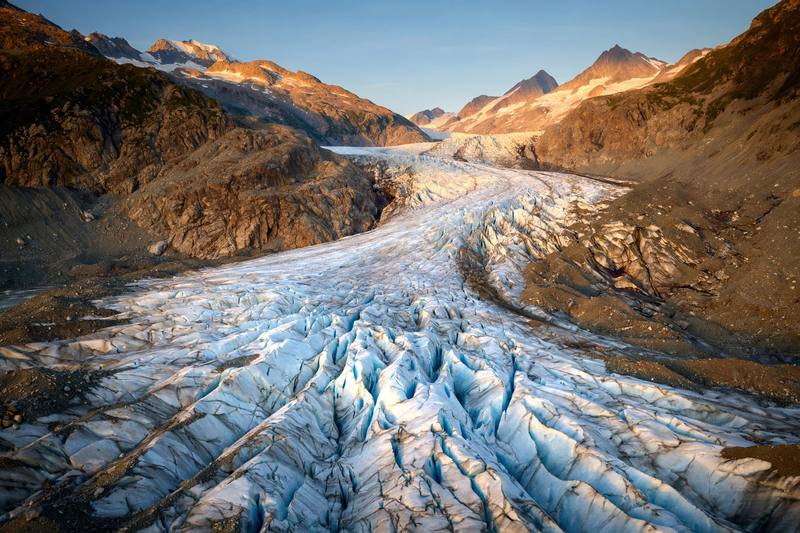
Podcast: Nature & Environment
Listen to today’s conversation.
📝 Podcast Transcript
Hello and welcome back to Word Kitchen, the show where we cook up new English words and taste-test them in real conversation. I am Maya.
And I am Lena. Maya, today's theme is nature and the environment, and honestly, it is one of those topics where the words are beautiful but the news is complicated.
That is a good way to put it. We have ten words today, from slow rivers of ice to thick city smog, and we are going to use every single one of them again and again, so by the end of the show you will know them by heart.
Let us start with something huge and slow. A glacier. A glacier is a huge, slow-moving river of ice, usually found high in the mountains. Not an ice cube in your drink. A glacier can be hundreds of meters thick.
And glaciers are moving, which people forget. A glacier moves only a few centimeters a day, but over thousands of years it can carve out entire valleys. That is real power, but very, very patient power.
The sad part is that scientists say if we do not cut emissions, many glaciers will disappear in the next fifty years. When a glacier melts, it does not just vanish. All that water flows into the sea and raises sea levels around the world.
I saw a photo of a glacier in Switzerland with a marker showing where the ice reached in nineteen eighty. Today that same glacier ends about a kilometer further up the mountain. One photo, and you understand everything.
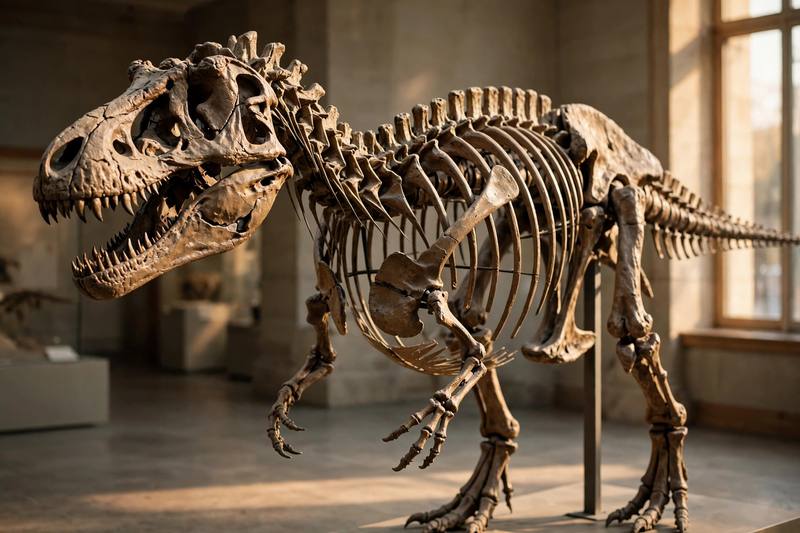
That ties into our second word, extinct. Extinct means no longer existing anywhere on Earth. The dinosaurs are extinct. But scientists worry that unless we protect their forests, thousands of frogs and insects will become extinct in our lifetime.
Extinct is such a final word. When a species goes extinct, it never comes back. A glacier can re-form in a colder climate, in theory, but an extinct animal is gone forever.
Here is a thought that stayed with me. Someone said every species that goes extinct takes a whole library of survival tricks with it. We do not even know what we are losing.
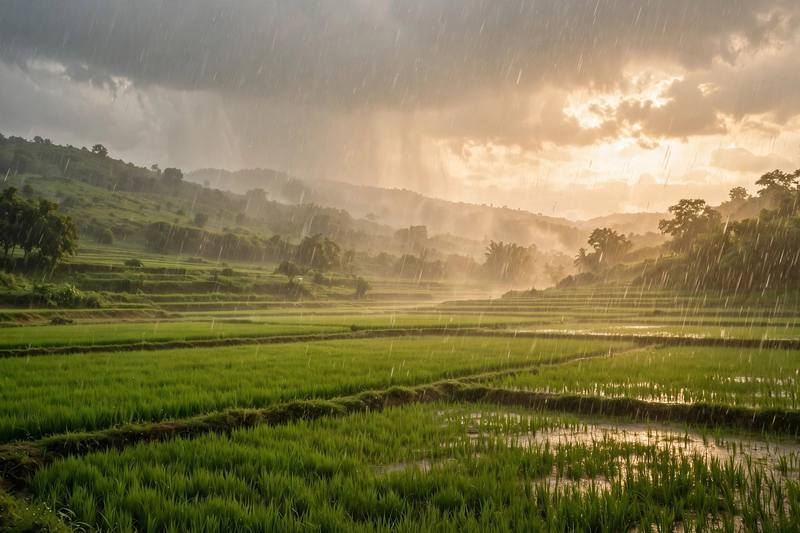
Okay, from ice and loss, let us move to water, but tropical water. Our third word is monsoon. A monsoon is a season of very heavy rain in South and Southeast Asia. Farmers wait for the monsoon before they plant rice.
The monsoon is not just rain, it is a whole season that shapes life. Schools plan around it, weddings are scheduled after the monsoon, and when the monsoon arrives late, whole economies feel it.
And when the monsoon is too strong, rivers flood. There is a saying among farmers. A good monsoon is a blessing, a bad monsoon is a disaster, and you never know which one you are getting until it starts.
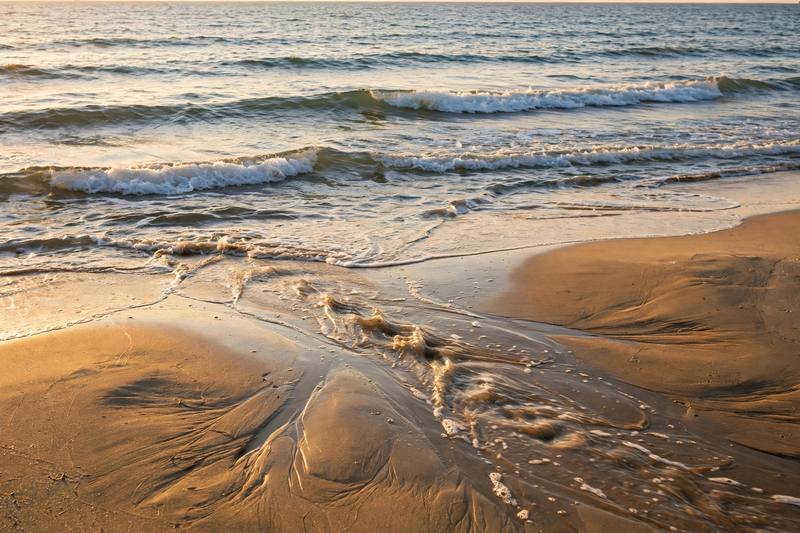
Nature's timing matters everywhere. That brings us to the tide. The tide is the regular rise and fall of the sea, twice a day. We can walk to the island when the tide is low, but we must hurry back, because the tide waits for no one.
I love that. The tide is so dependable. Sailors plan everything around the tide, and fishermen know that certain fish only bite when the tide is turning.
There is a great little harbor near my cousin's place where the tide goes out so far that the boats sit on the sand. Then the tide comes back in and lifts them again, like nothing happened. Twice a day, every single day.
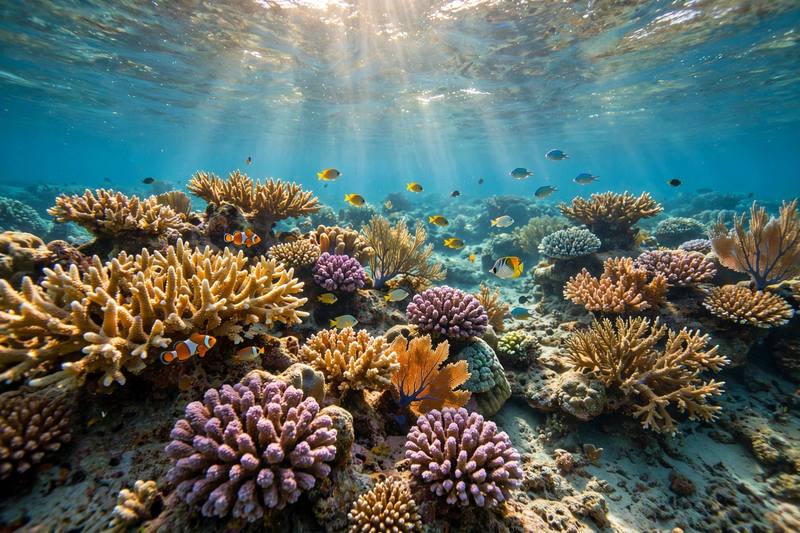
From the open sea, let us go just under the surface, to a reef. A reef is a ridge of coral or rock near the surface of the sea. The coral reef is home to thousands of colorful fish.
Reefs are basically underwater cities. A healthy reef supports a quarter of all ocean life, even though reefs cover less than one percent of the ocean floor. Every reef is a small miracle of cooperation between coral and tiny algae.
But reefs are fragile. When ocean water gets too warm, the coral pushes out the algae and turns white. Scientists call it bleaching. If a reef dies, all the fish that depended on it have to find a new home.
I went snorkeling over a reef once, and honestly it felt like flying over a city at night, with all the colors lit up. I really hope my children get to see a living reef, not just pictures of one.
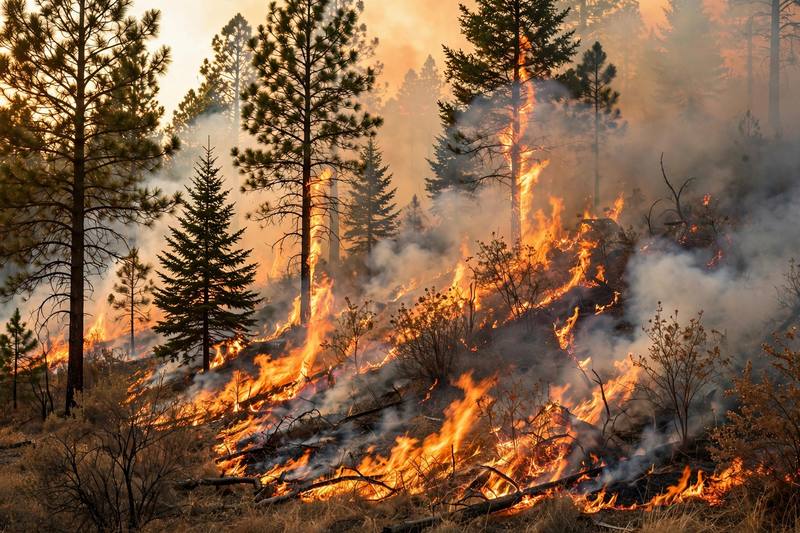
Which brings us to fire, unfortunately. Wildfire. A wildfire is a fire that spreads fast through forests or wild land. As soon as the wind rises, the wildfire will spread even further.
Wildfires have always existed, but now the fire season is longer and the fires are bigger. A single wildfire can burn an area the size of a small country and fill the sky with smoke for weeks.
And here is the scary part. If a wildfire gets close to a town, people sometimes have only minutes to leave. Firefighters say the most dangerous moment is when a wildfire jumps a road, because after that nothing stops it.
But nature fights back too. Some forests actually need fire. Certain pine cones only open their seeds after a wildfire passes. Destruction and rebirth, side by side.
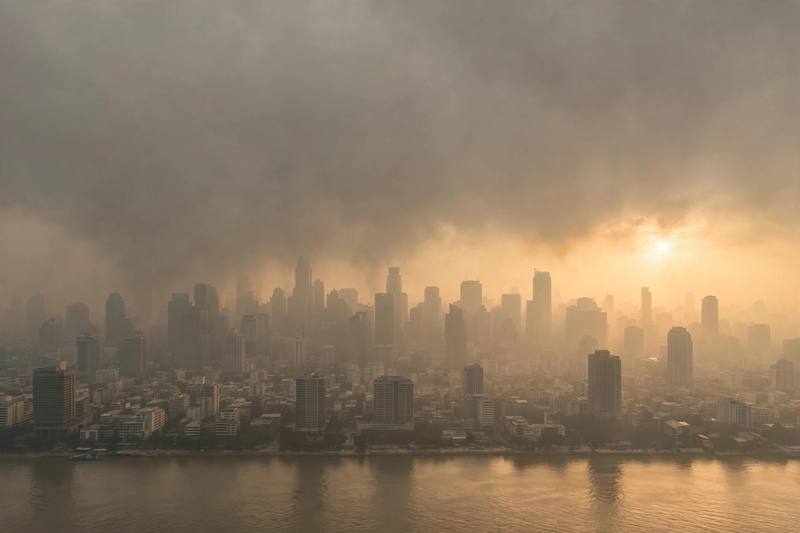
Speaking of smoke, let us talk about the air in cities. Smog. Smog is thick, dirty air made of smoke and fog over a city. If traffic does not drop, the smog will only get worse this winter.
Smog is one of those words that sounds almost soft, but it is serious. On bad smog days, schools keep children indoors, and runners wear masks. You can almost taste the smog on your tongue.
I remember visiting a city where the smog was so thick you could not see the tops of the buildings. Then it rained, the smog washed away, and suddenly there were mountains on the horizon that I never knew existed.
Okay, Maya, I need some hope now. Give me something green.
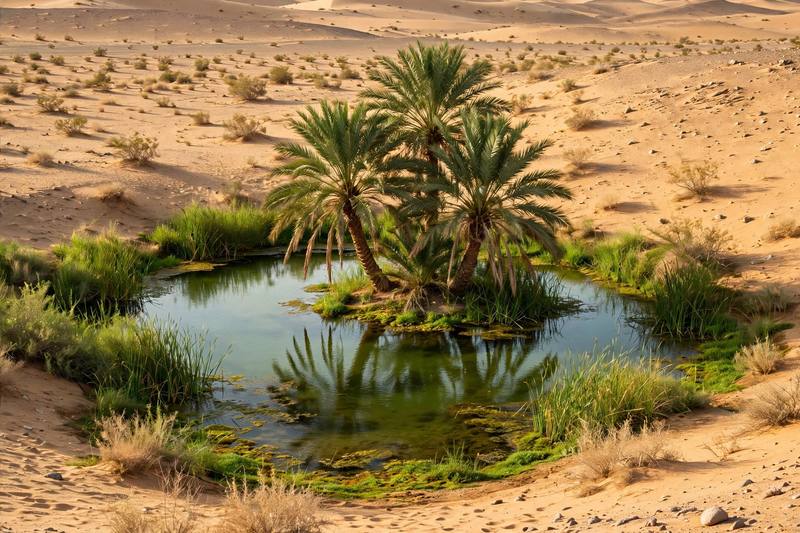
Here is your green word. Oasis. An oasis is a green place with water in the middle of a desert. After three days in the desert, the oasis looked like a miracle.
An oasis really is a miracle of geography. Water rises from deep underground and suddenly there is life. Palm trees, birds, even small farms grow around a desert oasis.
People use oasis as a metaphor too. They will say a quiet cafe in a busy city is an oasis of calm. But the real thing, an actual oasis after days of sand, must feel unreal.
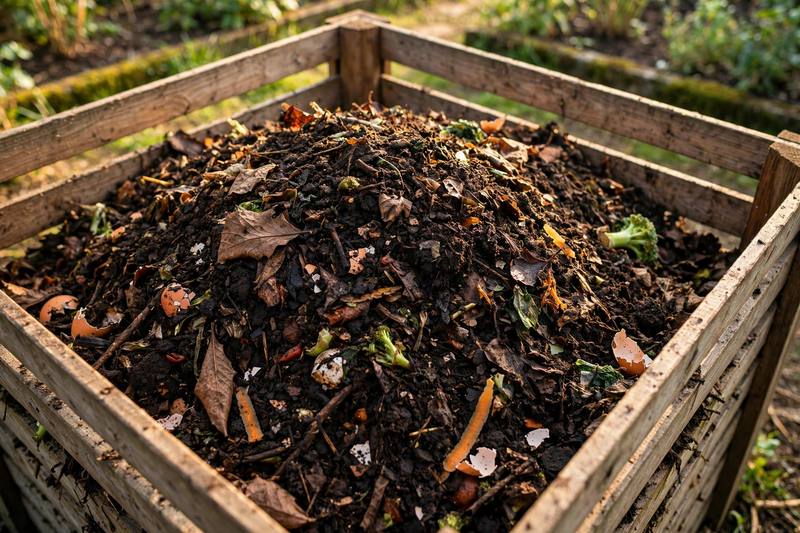
Next word, compost. Compost is old food and leaves turned into food for the soil. She turns her kitchen waste into compost for her vegetable garden.
Compost is the opposite of waste. Instead of throwing peels in the trash, you let them rot in a bin, and the compost that comes out is like black gold for plants.
My neighbor keeps a compost bin on her balcony, and her tomatoes are enormous. She always says the secret is not the seeds, it is the compost. Nature recycles everything if we let it.
And honestly, making compost is one of the easiest good habits. If everyone made compost from kitchen scraps, our landfills would shrink and our gardens would bloom.
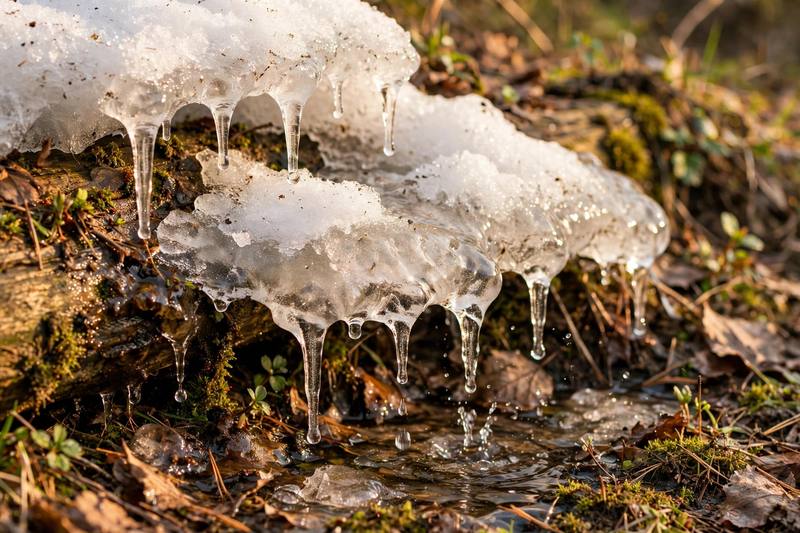
Last word, and it is a gentle one. Thaw. To thaw means to melt and become liquid after being frozen. The lake will thaw when the warm spring winds arrive.
Thaw is such a hopeful verb. After months of ice, you hear the river thaw and crack, and you know spring is really coming. Everything starts to move again.
But thaw has a serious side too. In the far north, the ground itself is frozen. It is called permafrost. And as it thaws, it releases gases that were trapped for thousands of years.
Before our quick round, one thing I love about these words is how they travel. A glacier in the mountains, a monsoon in Asia, smog in a big city. The same planet, completely different stories.
And they connect too. When a glacier melts, sea levels rise. When the tide rises higher, coastal towns flood. When a reef dies, the fish leave. Nothing in nature works alone.
That is why learning the vocabulary matters. If you can name these things, you can talk about the news, the weather, and the future. Words like extinct and wildfire are not just vocabulary. They are tools for understanding the world.
Well said. Okay, quick round time. I am ready. Give me the first pair.
Glacier and thaw.
Easy. When the glacier starts to thaw in spring, the river below fills with cold, milky water.
Nice. Now extinct and wildfire.
Hmm, let me think. After the wildfire, biologists check whether any rare animals survived, because one bad fire can wipe out the last home of a species and leave it extinct.
That is a good one. Smog and monsoon?
In some cities, the first monsoon rain washes the smog out of the sky, and people open their windows for the first time in months.
Reef and tide?
At low tide, you can walk out and see the top of the reef just under the water, but do not step on it.
Oasis and compost?
Around every desert oasis, farmers spread compost on the soil so the palm trees grow strong.
Beautiful. So let us recap our ten words. Glacier, extinct, monsoon, reef, wildfire, smog, tide, oasis, compost, and thaw.
Ten words about a planet that is powerful, fragile, and full of surprises. Use them this week. Describe the weather, the news, your garden, and they will stick.
That is it for today's Word Kitchen. I am Maya.
And I am Lena. See you tomorrow, and remember, if the tide is low, take the walk.
🎙 Try Shadowing free sample
Listen and repeat along with the studio audio. Full shadowing practice with pronunciation scoring is in the app.
The Valley That Heals
The small town sits in a green valley below tall mountains.
High above the town, a glacier shines white in the morning sun.
Train your speaking
Shadow every sentence with studio audio and get your pronunciation scored — only in the Muse English app.
📝Grammar: First conditional and future time clauses + when, until, etc.
Use the **first conditional** for a possible future situation and its result. The pattern is **if + present simple** in one half, and **will / won't + infinitive** in the other half. After **if**, always use the present tense — never the future. This is the most common mistake with the **first conditional**, so check it every time. **Unless** means **if not**. A sentence with **unless** and a positive verb means the same as **if** with a negative verb. You can replace the **will** clause with an imperative. This turns the sentence into advice or a warning instead of a prediction. After **w
Master this grammar in the app
Get clear explanations, more examples and interactive exercises.
Keep learning every day
New lessons, podcasts and quizzes daily — free in the Muse English app.