📅 2026-09-29📊 B2 Upper-Intermediate📚 20 new words🎧 daily podcast
📖 What is Muse English?
Muse English is a free English learning app with daily lessons across all 6 CEFR levels (A1 Beginner to C2 Proficient). Every day brings new vocabulary, a real podcast conversation, shadowing practice, grammar and quizzes — all at museenglishapp.com.
📚 Vocabulary
20 new wordsLearn new words with real examples and audio.
download /DOWN-lohd/
verb
to get a file, app, or song from the internet onto your phone or computer
"I downloaded the new app last night."
upload /UP-lohd/
verb
to put a file or photo from your device onto the internet
"She uploaded her vacation photos to the website."
install /in-STAWL/
verb
to put an app or program onto your device so you can use it
"I need to install the new version of this game."
update /up-DAYT/
verb
to make an app or program newer, usually with improvements
"My phone updates its apps every night."
delete /dih-LEET/
verb
to remove a file, photo, or app from your device
"I deleted ten old photos to free up space."
scroll /SKROHL/
verb
to move a page up or down on a screen with your finger
"He scrolled through the news on his phone."
swipe /SWAYP/
verb
to move your finger across a screen to move something or change pages
"Swipe left to see the next photo."
stream /STREEM/
verb
to watch or listen to something on the internet without downloading it first
"We streamed a movie last night."
attach /uh-TACH/
verb
to add a file or photo to an email you send
"I attached the document to the email."
crash /KRASH/
verb
when an app or computer suddenly stops working
"The app crashed while I was writing a message."
device /dih-VYS/
noun
a piece of electronic equipment, like a phone, tablet, or laptop
"He owns three devices: a phone, a tablet, and a laptop."
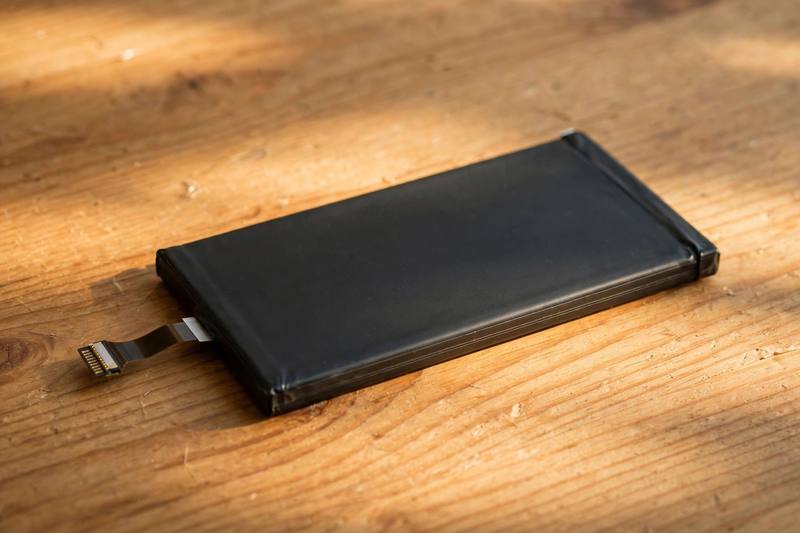
battery /BAT-uh-ree/
noun
the part inside a phone or laptop that stores power
"My battery is low, so I need to charge my phone."
password /PAS-wurd/
noun
a secret word or code that keeps your account safe
"Never share your password with anyone."
notification /noh-tuh-fuh-KAY-shun/
noun
a short message from an app that appears on your phone
"I got a notification that my food had arrived."
feature /FEE-chur/
noun
a special part or ability of a product or app
"The best feature of this phone is its camera."
shortcut /SHORT-kut/
noun
a fast way to do something on a computer or phone
"Learn the keyboard shortcuts to work faster."
gadget /GAJ-it/
noun
a small, clever electronic tool or device
"His desk is full of cool gadgets."
data /DAY-tuh/
noun
information stored on a computer or phone
"Back up your data so you never lose it."
wireless /WYUR-luhs/
adjective
connecting without wires, through the air
"These wireless headphones are very comfortable."
innovative /IN-uh-vay-tiv/
adjective
new and clever; bringing fresh ideas
"It was an innovative idea to teach English with short videos."
🎧
Podcast: Technology
Listen to today’s conversation.
🎙 Try Shadowing free sample
Listen and repeat along with the studio audio. Full shadowing practice with pronunciation scoring is in the app.
Last month, Sarah bought a new device at the Gadget Store.
It was an innovative phone with many new features.
The first thing she did was install her favorite apps.
🎙
Train your speaking
Shadow every sentence with studio audio and get your pronunciation scored — only in the Muse English app.
📝Grammar: Choosing between comparatives and superlatives
Use a comparative adjective plus than to compare two people, places, or things, for example older than or more expensive than. Short adjectives add er: old becomes older, big becomes bigger, easy becomes easier. Longer adjectives use more: modern becomes more modern, difficult becomes more difficult. Some common adjectives are irregular: good becomes better, bad becomes worse, far becomes further or farther. Use not as plus adjective plus as to say two things are equal: as comfortable as, not as busy as. Use the plus a superlative to compare one person or thing with all of their group: the tal
Master this grammar in the app
Get clear explanations, more examples and interactive exercises.