

📖 What is Muse English?
Muse English is a free English learning app with daily lessons across all 6 CEFR levels (A1 Beginner to C2 Proficient). Every day brings new vocabulary, a real podcast conversation, shadowing practice, grammar and quizzes — all at museenglishapp.com.
📚 Vocabulary
10 new words Learn new words with real examples and audio.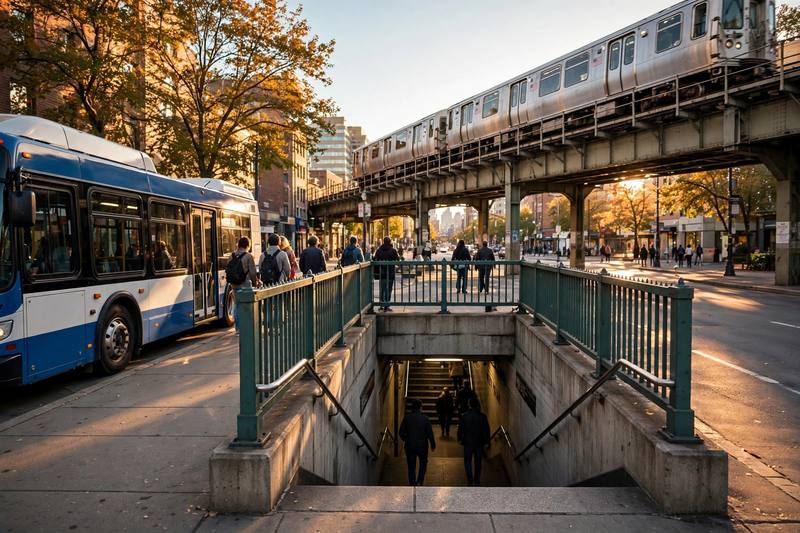


Podcast: Travel & Transport
Listen to today’s conversation.
📝 Podcast Transcript
Welcome to Word Kitchen. I am Maya.
And I am Lena. Today we are talking about getting around, buses, trains, cars, and travel.
I love this topic. Every day, millions of people use public transit. Transit is the system of buses, trains, and subways in a city.
A good transit system changes everything. In my city, the transit is clean and fast. I take the transit to work every single morning.
Same here. When the transit is on time, my day starts well. Cities with great transit feel alive. Do you know who uses the transit most?
The commuter, of course. A commuter is a person who travels to work or school every day.
Every commuter has a routine. A smart commuter leaves home early. I was a commuter for five years, and every commuter learns the best seat on the train.
Commuters are creatures of habit. A tired commuter just wants a quiet ride. Every commuter I know has a podcast or a book for the trip.
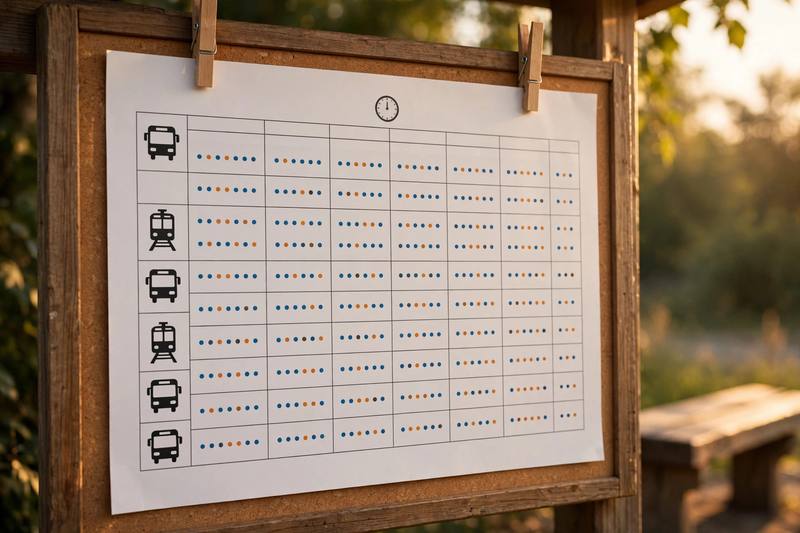
And every commuter needs a timetable. A timetable is a list showing when buses or trains arrive and leave.
The timetable is my morning bible. I check the timetable while I drink my coffee. If the timetable changes, my whole plan changes.
Modern timetables live on our phones. A clear timetable means no long waits in the rain. I always save the timetable for the way home too.
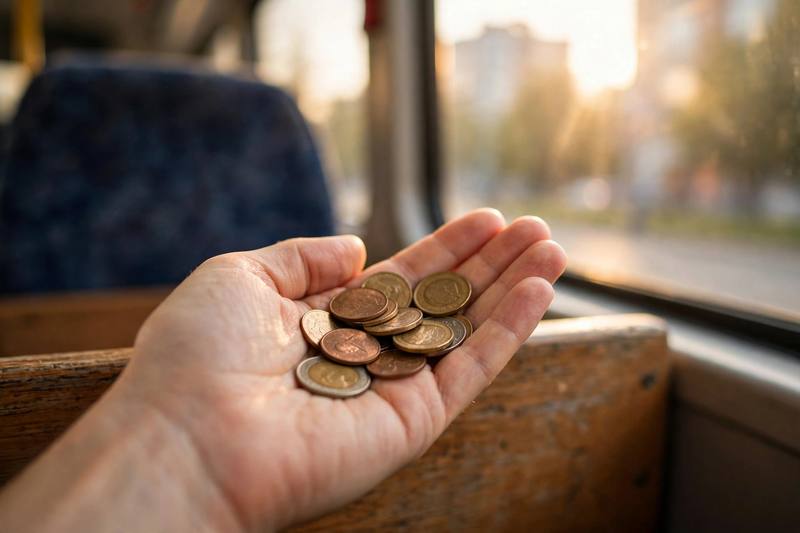
Then there is the fare. The fare is the money you pay to travel by bus, train, or taxi.
Fares go up, fares go down. The bus fare here is two dollars. A monthly card is cheaper than paying the fare every day.
Students pay a lower fare in many cities. If the fare is fair, more people ride. A high fare pushes people back into cars.
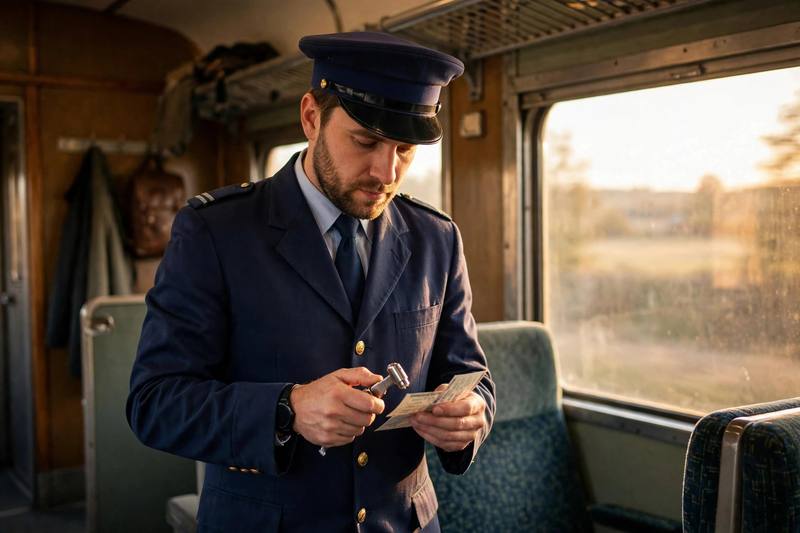
On the train, you meet the conductor. A conductor is a person who checks tickets on a train or bus.
Our conductor is wonderful. When the conductor comes, everyone shows a ticket. A friendly conductor makes the trip better.
The conductor knows all the regulars. A good conductor helps lost tourists too. I once saw a conductor return a lost bag to its owner.
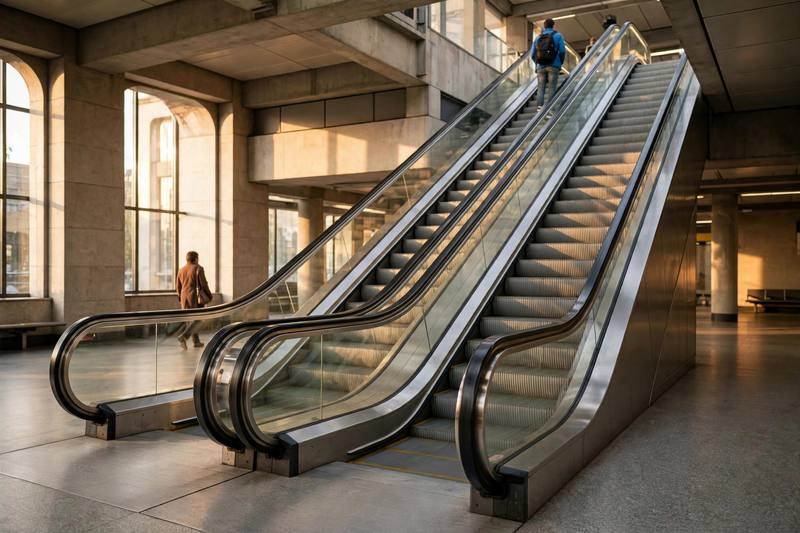
At the station, you take the escalator. An escalator is moving stairs that carry people up or down.
I love escalators. The escalator at the main station is so long. Stand on the right of the escalator, walk on the left.
Every escalator has that rule. Kids ride the escalator just for fun. The new escalator near my office is made of glass.
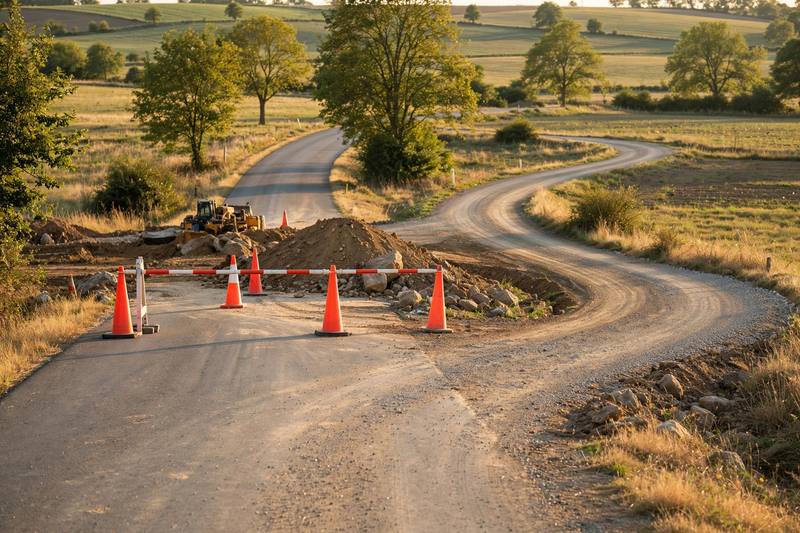
Sometimes the road is closed, and you need a detour. A detour is a longer road you take when the usual road is closed.
Detours test your patience. Last week a detour added twenty minutes to my trip. But a detour can also show you a pretty street.
My driver took a clever detour yesterday and beat the traffic. A bad detour wastes your morning. Always ask why there is a detour.
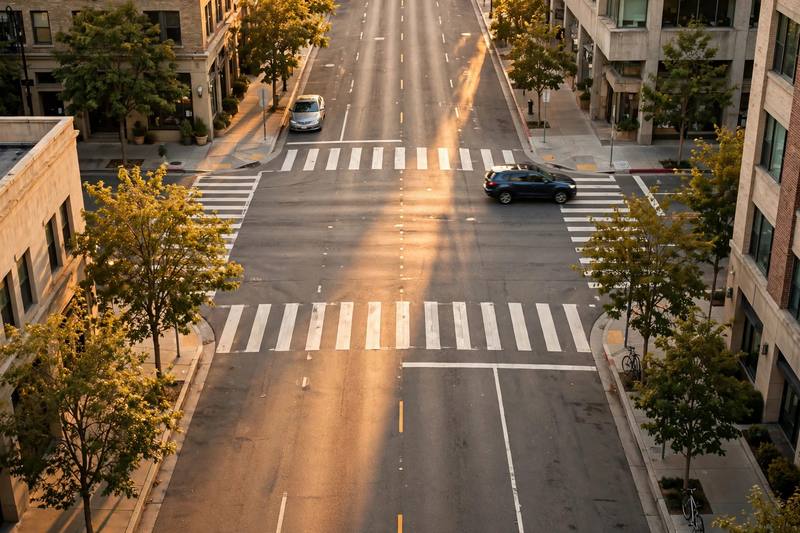
In the city, every road meets at an intersection. An intersection is a place where two or more roads meet.
Intersections are busy. At every intersection, watch the lights. The intersection by my office has the longest red light ever.
Be extra careful at a big intersection. Cars, bikes, and people share the intersection. I always look both ways at an intersection.
For longer trips, take the highway. A highway is a wide, fast road between cities.
I love highway driving. The highway to the beach takes two hours. Early on a Sunday, the highway is completely empty.
A highway at rush hour is a different story. Every highway has rest stops for coffee. We sang songs all the way down the highway.
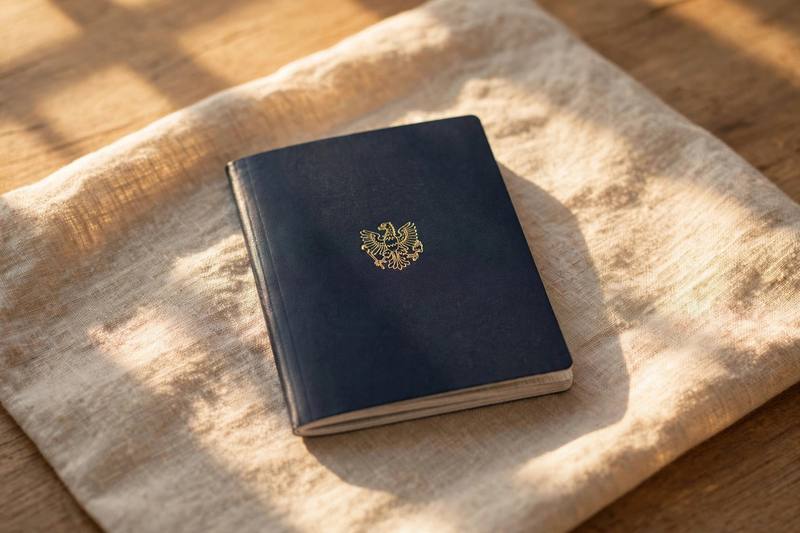
And for travel abroad, you need a passport. A passport is a small official book you need to travel to other countries.
My passport is full of stamps. I keep my passport in a special pocket. Check that your passport is valid before you book a flight.
A passport opens the world. Without a passport, no international trip. Every traveler should know where their passport is.
Before we finish, let's share our best travel tips. Lena, what is your number one rule for the transit?
Always check the timetable first, and keep some coins for the fare. If the fare machine is broken, coins save the day. A prepared commuter never gets stuck.
Great tip. Mine is about stations. Take the escalator when you have luggage, but learn where it ends. And smile at the conductor, because a happy conductor remembers you.
I like that. My tip for drivers is this. When there is a detour, stay calm and follow the signs. A detour is temporary. And at every intersection, slow down, even if the light is green.
Solid advice. My last tip is for road trips. Plan your highway stops before you leave. A good highway plan means good coffee. And always check your passport the night before a flight, not at the airport.
I learned that the hard way. One more tip from me. If you are a new commuter in a new city, ride the transit for fun on the weekend. Learn the lines, learn the fare system, and you will feel at home fast.
Wonderful. Travel is easier when you know the words. Let's say them together one more time, nice and slow.
Transit, commuter, timetable, fare, conductor.
Escalator, detour, intersection, highway, passport.
Nicely done.
Let's review. Transit moves the city. The commuter rides every day. The timetable gives the times. The fare is the price. The conductor checks tickets. The escalator carries you up. A detour saves you when roads close. The intersection is where roads meet. The highway links cities. The passport opens the world.
Use these words this week. Describe your transit, or tell a friend about a funny detour.
Thanks for listening to Word Kitchen. See you next time.
🎙 Try Shadowing free sample
Listen and repeat along with the studio audio. Full shadowing practice with pronunciation scoring is in the app.
A Day of Travel
Ali is a commuter who loves the city transit.
Every morning, this commuter checks the train timetable.
Train your speaking
Shadow every sentence with studio audio and get your pronunciation scored — only in the Muse English app.
📝Grammar: The Passive (be + past participle)
Use the **passive** when the action matters more than who does it. In travel news we say the train **was delayed** — we do not say who delayed it. Form the passive with **be + past participle**: **is cleaned**, **was closed**, **has been checked**. The object of the active sentence becomes the new subject: the conductor checks the tickets → the tickets **are checked**. Add **by** only when the person is important: the bridge **was built** by a famous engineer.
Master this grammar in the app
Get clear explanations, more examples and interactive exercises.
Keep learning every day
New lessons, podcasts and quizzes daily — free in the Muse English app.