

📖 Muse English چیست؟
Muse English یک اپلیکیشن رایگان آموزش زبان انگلیسی است، با درس روزانه برای هر شش سطح، از A1 (مبتدی) تا C2 (تسلط کامل). هر روز لغتهای تازه با معنی فارسی، یک پادکست واقعی، تمرین شدوئینگ، گرامر و آزمون دارید. دربارهٔ اپ
📚 لغتها
۷ لغت تازه لغتهای تازه با معنی فارسی، مثال واقعی و تلفظ.
پادکست: طبیعت و محیط زیست
گفتوگوی امروز را گوش کنید.
📝 متن پادکست
Welcome to Muse English! I am Maya, and today Lena and I are travelling, at least in our imaginations, to a stormy coastline where nature, war, and weather all collide in one unforgettable week.
Hello, everyone. I am Lena. Our story begins in a small coastal region where a long conflict had only just paused, and where the first question on everyone's lips was whether the ceasefire would actually hold through the winter storms.
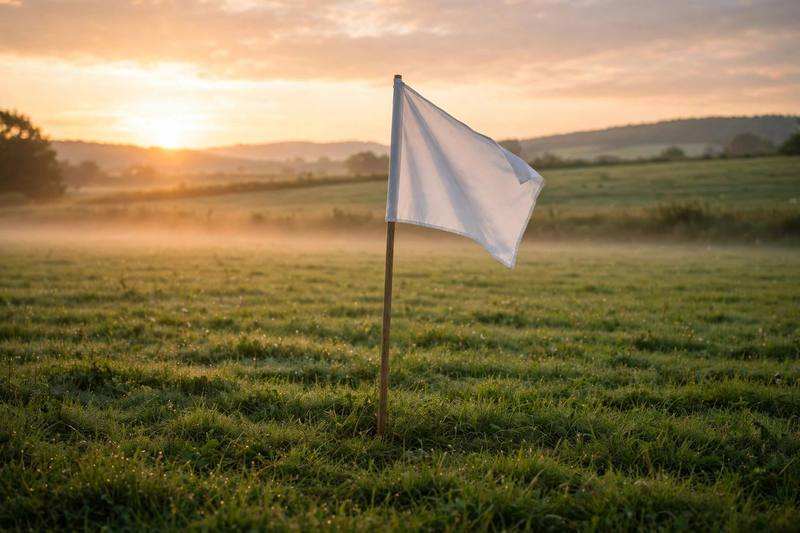
That word, ceasefire, is a perfect place to start. A ceasefire is a temporary agreement to stop fighting. In our story, both sides signed a ceasefire on Monday, and by Tuesday ordinary families were walking to the market again for the first time in months.
And yet a ceasefire is fragile. One loud explosion, one misunderstanding, and a ceasefire can collapse in an hour. That is why international observers stayed in the region, watching carefully and reporting every violation of the ceasefire the moment it happened.
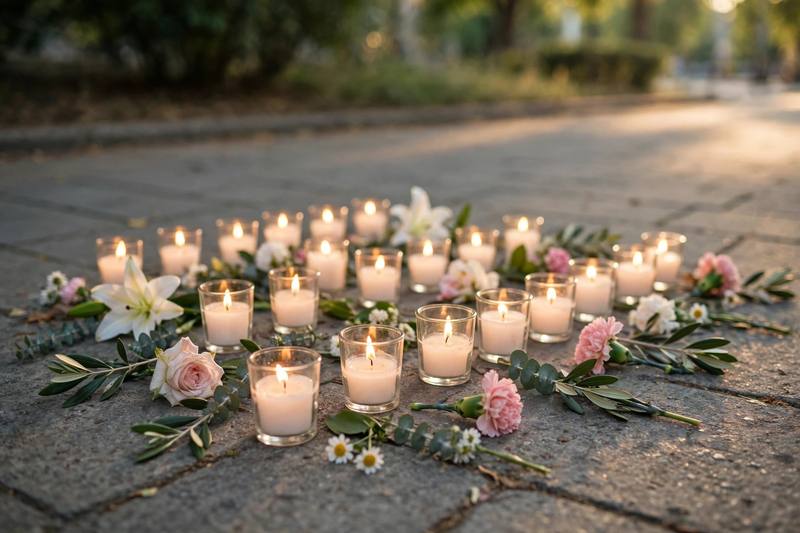
The observers also wrote about something darker in their report. They described the brutal suppression of peaceful protests in a town just across the border, where people who had gathered with candles were driven from the square.
Brutal suppression means harsh and violent control, the crushing of dissent. When journalists use the phrase brutal suppression, they are signalling that force was not calm or measured, but deliberately severe.
In the report, the brutal suppression led to a debate in parliament. Some politicians defended the police, while others said that brutal suppression of unarmed citizens could never be justified, whatever the provocation.
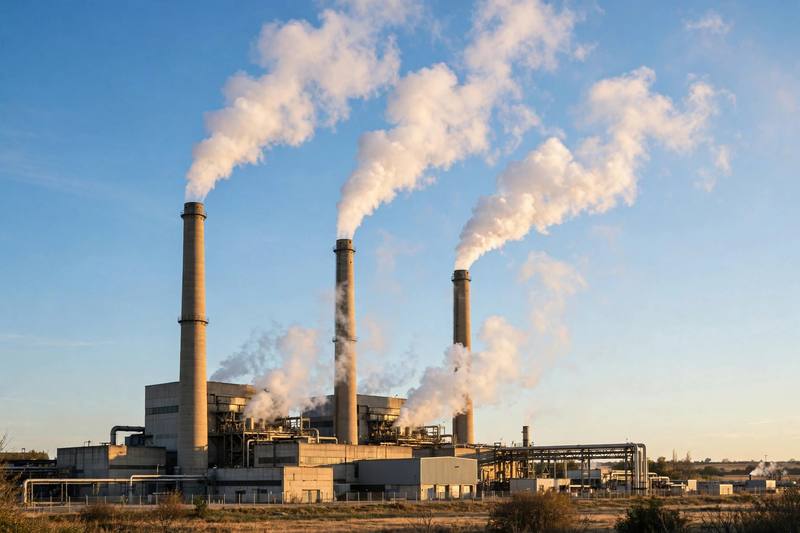
And notice how the story connects to our second big theme, the environment. War is an environmental disaster too. Burning fuel depots raised carbon dioxide emissions across the whole region, and scientists measured those carbon dioxide emissions from satellites.
Exactly. Carbon dioxide emissions are the release of carbon dioxide into the atmosphere. Every factory, every truck convoy, and every fire adds to carbon dioxide emissions, and those carbon dioxide emissions trap heat and change the climate.
The observers calculated that one month of fighting produced more carbon dioxide emissions than the region's capital city normally produced in a whole year. That is a staggering figure, and it shows why climate scientists now study carbon dioxide emissions from conflicts as well as from industry.
Meanwhile, the human cost was impossible to ignore. The report counted civilian casualties in every district. Civilian casualties are people who are not in the military but are killed or injured in a conflict.
It is a phrase we hear on the news so often that we risk becoming numb to it. But behind the words civilian casualties there are teachers, bakers, grandparents, and children. Each statistic about civilian casualties is a family that will never be whole again.
In one village, the ceasefire arrived too late to prevent civilian casualties during the final night of shelling. Aid workers arrived the next morning, and their first task was simply to record the civilian casualties so that families could learn what had happened to their relatives.
That is heavy, Maya, but I think our listeners appreciate honesty. Shall we lighten the mood for a moment and talk about the weather in this coastal region, because the weather there was truly dramatic that week?
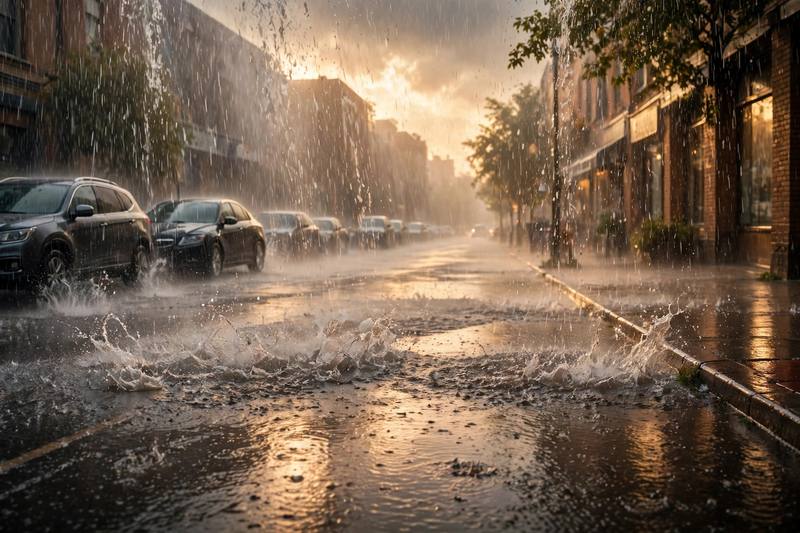
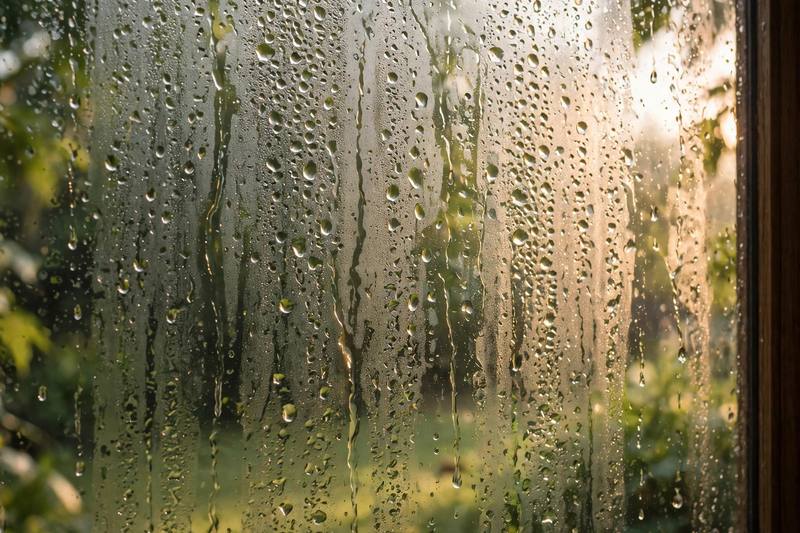
Gladly. On Wednesday the sky turned grey, the air grew clammy, and by noon it began to absolutely chuck it down. And when I say chuck it down, I mean rain so heavy that the streets turned into rivers within twenty minutes.
Chuck it down is a wonderfully British informal phrase. It means to rain very heavily. You might say, take an umbrella, it is going to chuck it down later, or, we cannot walk home now, look at it chuck it down out there.
And clammy, our other weather word, describes that unpleasant damp and sticky feeling on your skin before a storm. The air felt clammy in the aid workers' tent, clammy in the school, clammy everywhere, because the humidity was so high and there was no wind at all.
I remember you once described a tropical evening as clammy, Maya. Your shirt sticks to your back, your hands feel clammy, and even the paper in your notebook goes soft and clammy in the damp air.
That is exactly it. And in our story, after hours when it continued to chuck it down, the clammy air finally gave way to a cool, fresh breeze, and everyone agreed the storm had cleaned the sky.
Now, Maya, before we go any further, I want to pause and tell our listeners something useful, because learning words like these is much easier with the right daily habit, and that is exactly what our app gives you.
You are so right, Lena. In the Muse English app, you get fresh words every day, each with a photo, a clear meaning, and real pronunciation. You hear conversations like this one, practise shadowing stories, and test yourself with quizzes and grammar lessons, winning points as you go. It is completely free to install, so find Muse English today and start learning.
Beautifully said. Now, back to our coastline, because there is a nature reserve at the heart of this region, and that is where our next word lives. The reserve is famous for one magnificent carnivore, the coastal wolf.
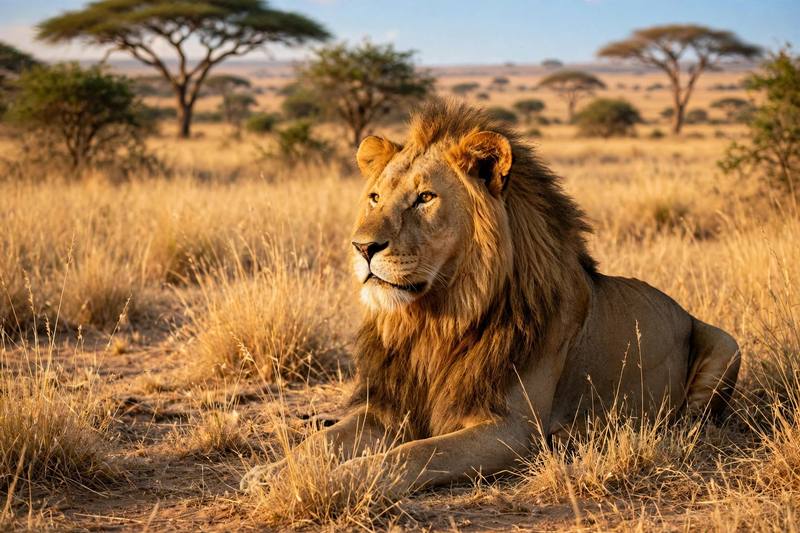
A carnivore is an animal that eats only meat. A lion is a carnivore, a shark is a carnivore, and our coastal wolf is a carnivore too, hunting deer and rabbits across the marshes.
During the fighting, the carnivore population suffered badly. With no rangers in the reserve, poachers moved in, and every large carnivore, from the wolves to the wild cats, was suddenly at risk.
Biologists told the observers that protecting a top carnivore protects everything beneath it. If the carnivore disappears, the deer multiply, the young trees are eaten bare, and the whole ecosystem slowly unravels.
That is why, once the ceasefire held for a second week, the rangers returned. Their first survey found that at least one famous carnivore, an old female wolf the locals called Grandmother, had survived the war with her cubs.
I love that detail. And the rangers connected her survival to the climate story too. The marshes around the reserve absorb enormous amounts of carbon. When those marshes burn, carbon dioxide emissions rise sharply, so protecting nature is also a way of cutting carbon dioxide emissions in the long term.
Which brings us back to politics. At the peace conference, negotiators argued about who should pay for the environmental damage. One delegate said the brutal suppression of the protests had to be investigated before any money was discussed.
Another delegate answered that the ceasefire had to come first, because without a ceasefire there would be more civilian casualties, more fires, and even higher carbon dioxide emissions. First stop the fighting, she said, then argue about everything else.
It is a powerful argument. Every extra week of war means more civilian casualties, and every report of civilian casualties makes reconciliation harder. The phrase civilian casualties therefore appears again and again in the conference documents, and sadly, so does brutal suppression.
The conference also heard from a young doctor who had worked through the final bombardment. She said she never wanted to fill in another form recording civilian casualties, and she begged both sides to turn the temporary ceasefire into a permanent peace.
And outside the conference hall, as if the sky itself wanted to comment, it began to chuck it down again. Delegates ran for cover laughing, because after months of fear, ordinary rain, even rain that could chuck it down for hours, felt like a gift.
There is something poetic about that. The clammy conference room emptied, people stood under the awnings with coffee, their sleeves clammy from the humid air, watching the rain wash the dust from the streets.
Maya, that reminds me, we should give our listeners one more practical tip before we reach the final part of the story, because a daily routine really does change everything when you are learning a language at this level.
Absolutely. Do not just listen to English, use it daily in small ways. In the Muse English app you learn today's words in the morning, hear them here, repeat them in a shadowing story, and check yourself with a quick quiz. Points and a leaderboard keep you motivated, it takes only minutes a day, and installation is free.
I second every word of that. Now, the ending of our story. Three months later, the ceasefire was still holding. It was no longer called a ceasefire by the newspapers, in fact, they had started calling it the peace.
The investigation into the brutal suppression had begun, slowly and imperfectly, but it had begun. And in the reserve, Grandmother the wolf, our favourite carnivore, was photographed with four healthy cubs near the marsh.
The region also signed its first climate agreement, promising to measure carbon dioxide emissions every year and to replant the burned forests. It is a small promise, but small promises kept are how recovery starts.
And on the day the agreement was signed, the weather performed one last time. The morning was clammy, the clouds gathered by lunch, and by three o'clock it had started to chuck it down so hard that the signing ceremony moved indoors, with everyone laughing and shaking the rain from their coats.
What a journey these seven words have taken us on. From a ceasefire that gave people hope, to the brutal suppression that the world must not forget, to the civilian casualties whose stories deserve to be told with care.
And from the science of carbon dioxide emissions to a proud carnivore in the marshes, and from clammy air to rain that can truly chuck it down, this is the living English of news, nature, and everyday conversation.
Practise these words out loud this week. Use ceasefire in a sentence about the news, describe a clammy evening, warn a friend that it is about to chuck it down, and explain to someone why a wolf is a carnivore.
And when you report the news in English, remember the precise phrases, brutal suppression, civilian casualties, and carbon dioxide emissions, because precision is what advanced English is all about. Thank you for listening to Muse English, and we will see you tomorrow with seven more words.
🎙 تمرین شدوئینگ نمونهٔ رایگان
گوش کنید و همزمان با صدا بلند تکرار کنید. تمرین کامل شدوئینگ در اپ است: هر جمله را تکرار میکنید و میبینید اپ چند کلمه از آن را تشخیص داده است.
The ceasefire brought quiet mornings to the coastal town for the first time in months.
Everyone hoped the ceasefire would protect the marshes and the villages beside them.
Sadly, reports of brutal suppression in a neighbouring town shocked the whole region.
صحبت کردن را تمرین کنید
در اپ Muse English همهٔ جملهها را شدوئینگ کنید. اپ گوش میدهد و نشان میدهد چند کلمه از جملهتان را تشخیص داده است.
📝گرامر: Nominalisation in Formal English
Nominalisation means expressing an action or quality as a noun instead of a verb or adjective. *Prices rose sharply* becomes *there was a sharp rise in prices*.
It is typical of academic, business and news writing. It packs more information into fewer words and sounds more objective, which is why reports speak of the suppression of protests or a reduction in carbon dioxide emissions.
Two things change: the verb becomes a noun, and the adverb becomes an adjective. *The company expanded rapidly* becomes *the company's rapid expansion*.
Common endings include **-tio
این گرامر را در اپ کامل یاد بگیرید
توضیح کاملتر، مثالهای بیشتر و تمرین تعاملی.
هر روز ادامه بدهید
هر روز درس، پادکست و آزمون تازه؛ رایگان در اپ Muse English.