

📖 Muse English چیست؟
Muse English یک اپلیکیشن رایگان آموزش زبان انگلیسی است، با درس روزانه برای هر شش سطح، از A1 (مبتدی) تا C2 (تسلط کامل). هر روز لغتهای تازه با معنی فارسی، یک پادکست واقعی، تمرین شدوئینگ، گرامر و آزمون دارید. دربارهٔ اپ
📚 لغتها
۷ لغت تازه لغتهای تازه با معنی فارسی، مثال واقعی و تلفظ.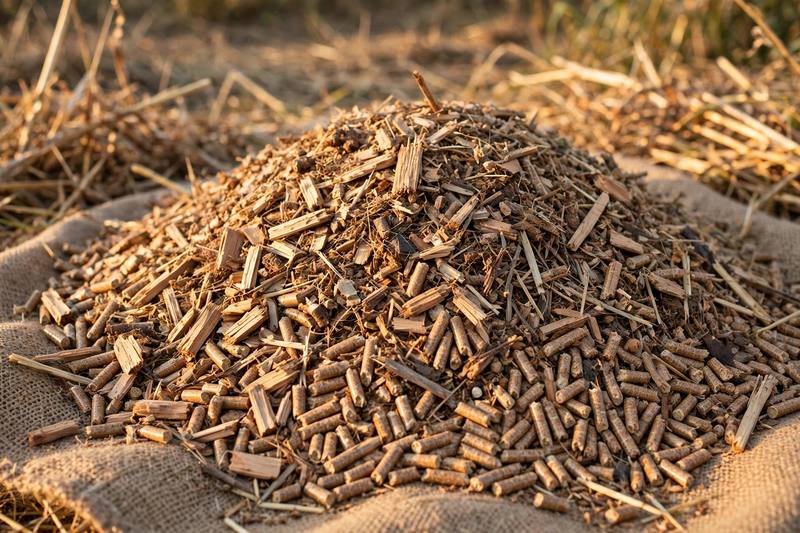



پادکست: طبیعت و محیط زیست
گفتوگوی امروز را گوش کنید.
📝 متن پادکست
Welcome to Muse English! I am Maya, and today Lena and I are talking about nature and the environment, from protected wetlands and green energy to some difficult questions about poverty and protest.
Hello, everyone. I am Lena. Last weekend I visited a bird sanctuary on the coast with my neighbour Daniel, who works on renewable energy, and the whole day gave us enough stories for a month of conversations.
Start with the weather, because I heard it was dramatic.
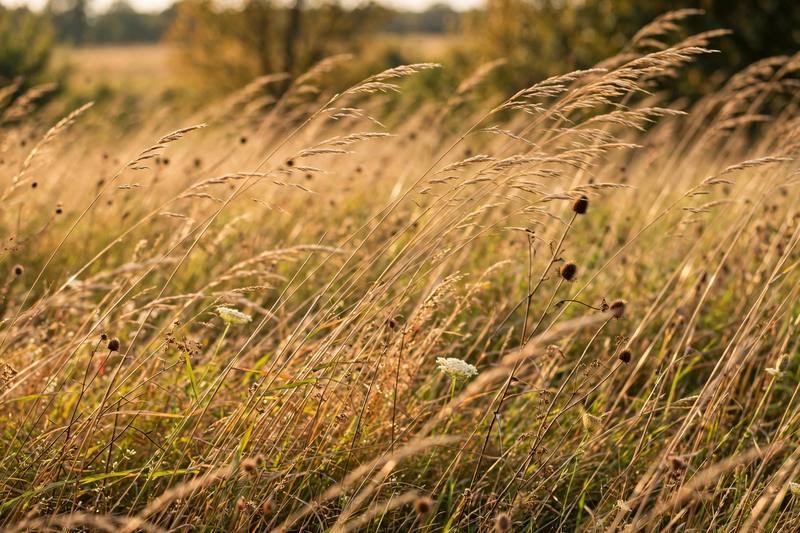
It really was. The morning was breezy and bright, the kind of breezy weather that makes you want to walk for hours. By midday, though, it turned properly blowy on the cliffs, and a blowy wind nearly took Daniel's hat into the sea.
A breezy start and a blowy finish. Those two words are close cousins, are they not?
Exactly. Breezy means pleasantly windy, light and fresh, while blowy describes stronger wind that pushes you around. A breezy afternoon is lovely for a picnic, but a blowy day can close boat trips and scatter leaves across every path in the bird sanctuary.
Tell our listeners about the bird sanctuary itself.
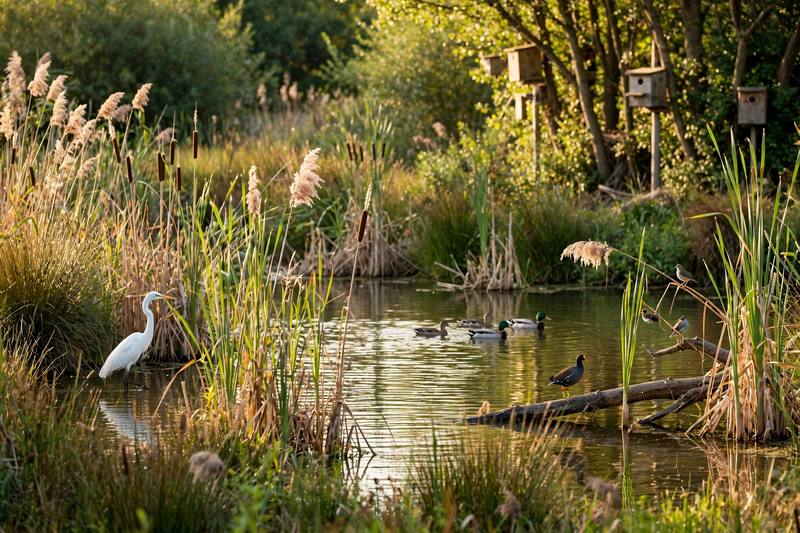
The bird sanctuary is a protected wetland where rare birds can live and breed safely. No hunting is allowed inside the bird sanctuary, dogs must stay on leads, and volunteers count the young birds every spring. Daniel said the bird sanctuary proves that careful protection really works, because species that vanished for decades are nesting there again.
That is encouraging. But I remember you mentioned an argument near the entrance.
Yes. A small group of protesters stood outside the bird sanctuary with signs against hunting in the wider county. Their leader argued that a blood sport has no place in a region that celebrates its wildlife. She said that calling a blood sport a tradition does not make a blood sport acceptable, especially when animals are injured for entertainment.
Strong words. How did people react?
Most visitors agreed with her. One older man said he had hunted as a young man, but after volunteering at the bird sanctuary he could no longer defend any blood sport. Daniel stayed quiet, because his uncle hunts, and family arguments about a blood sport can last for years, believe me.
Families and difficult topics. We will come back to that. First, Daniel's work, because he took you to see something unusual after lunch.
He did. Behind the visitor centre there is a small power plant that burns biomass to heat the buildings. Biomass means organic matter, like wood chips, straw, and plant waste, used as fuel. The sanctuary collects fallen branches and reed cuttings as biomass, so the biomass that would simply rot on the ground instead keeps the classrooms warm all winter.
So biomass turns waste into energy. Is biomass always green, though?
That is the debate. Daniel explained that biomass can be renewable when it comes from waste and fast growing plants, but critics warn that cutting whole forests for biomass can harm the very nature we want to protect. Good biomass policy, he said, means strict rules about where the biomass comes from and how quickly the land recovers.
Before we explore the harder stories from Daniel's trip abroad, let me share something that can genuinely help your English grow every single day. The Muse English app gives you a fresh lesson daily, with new advanced words, clear photos, and pronunciation you can hear and repeat. You get this podcast, shadowing stories where you speak along with a natural voice, smart quizzes, and complete grammar lessons, all in one place. It is free to install, and your points and leaderboard place keep you honest and motivated. Open the app after this episode and keep your streak alive.
I love that reminder, because advanced vocabulary like today's words only becomes yours when you meet it again and again, in stories, in quizzes, and in your own sentences.
Now, Daniel also volunteers with a food charity in his town, does he not?
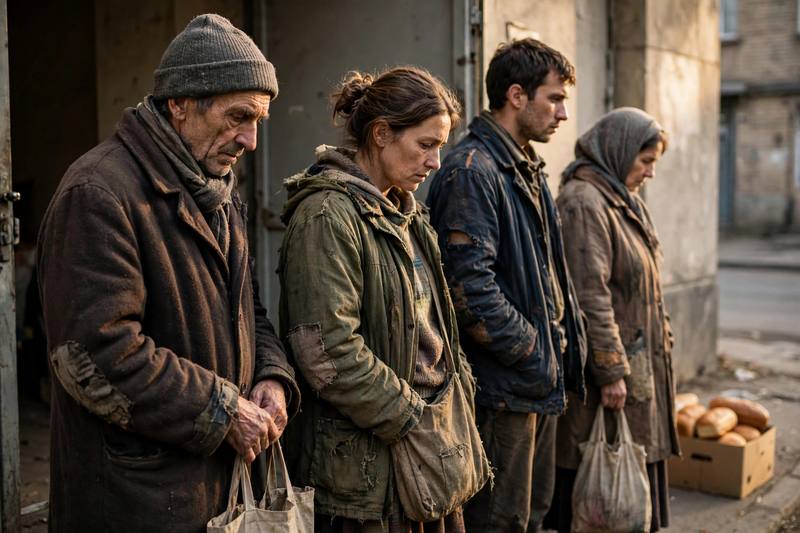
He does, and this part of the story stayed with me. Daniel told me that many working families in his town are now living on the breadline, which means they are extremely poor, with barely enough money for food and rent. He said the breadline is not some distant idea from history books. When energy prices rose, neighbours who had never asked for help found themselves on the breadline within months.
That connection between environment and poverty is important. Energy policy is never only about nature.
Exactly. That is why Daniel supports the biomass project so strongly. Cheap local biomass heating, he argues, can pull a community back from the breadline, because no family should choose between heating and eating. At the food charity, volunteers say the breadline grows longest in the coldest months, which is another reason the warm visitor centre opens its doors to everyone on a blowy winter afternoon.
And there was an international story in the news that weekend too, a much darker one.
Yes. While we drank tea, Daniel showed me reports about protests overseas, and about the brutal suppression of those protests by security forces. Journalists described the brutal suppression of students and workers who were simply asking for fair elections. Seeing the words brutal suppression in headline after headline made our quiet, breezy sanctuary feel very fragile and very precious.
How do you even discuss something like brutal suppression in an English lesson?
Carefully, but honestly. Our learners are adults, and words like brutal suppression belong to real news English. When people flee brutal suppression and arrive in a new country, they often start life on the breadline, rebuilding everything from nothing. Understanding both expressions helps you follow the news and understand the people in it.
That is a thoughtful link. Let us return to the coast for a moment, because your day ended more cheerfully, I hope.
It did. The wind dropped in the evening, and the air turned breezy again over the water. We walked the boardwalk as the sky went gold, and the breezy evening smelled of salt and rain. Daniel laughed that the same coast can be breezy at breakfast, blowy at lunch, and calm by dinner, and that a blowy forecast should never cancel a whole day outdoors.
Weather words really do carry feelings. Breezy sounds relaxed, almost carefree, while blowy sounds restless and a little wild.
That is true in conversation too. People describe a breezy person as cheerful and relaxed, but nobody hopes for a blowy meeting full of hot air and noise. Language borrows so much from nature, which is why a day at a bird sanctuary can teach you more English than a week indoors.
Speaking of learning in small daily steps, here is one more idea before we finish today's conversation. If you want words like these to stay with you, the Muse English app is built for exactly that. Every day you receive new words with photos and clear pronunciation, this podcast to hear the words in real conversation, shadowing practice to train your voice, quizzes that check what you remember, and grammar lessons that pull everything together. It costs nothing to install, and the leaderboard and daily points turn practice into a friendly competition. Try today's lesson in the app right after we say goodbye.
And when you practise, use the words about your own life. Describe a breezy walk you took, a blowy day you remember, or a place as peaceful as a bird sanctuary, and the vocabulary will settle in your memory far faster.
Before we finish, I should tell you about the school group we met on the way out, because their questions were wonderful. Their teacher asked Daniel whether biomass will ever power whole towns, and Daniel answered that biomass already heats a hospital and two schools in his county, using straw that farmers once burned in open fields.
Children ask the questions adults are afraid to ask.
They do. One girl asked why the bird sanctuary does not simply sell tickets and build a cafe, and the warden explained that the bird sanctuary belongs to everyone, including families on the breadline who could never pay for a day out. Free nature, she said, is one of the few riches that grows when you share it.
That answer connects everything again: nature, money, and fairness.
And one boy asked about the protesters. He wanted to know whether speaking up ever changes anything. Daniel told him that the campaign against that blood sport began with six people and a wet banner on a blowy Saturday, and three years later the county council was debating a complete ban. Change is slow, Daniel said, but silence never changed anything at all.
What a lesson for a school trip. Did the weather behave for the children, at least?
Mostly. It stayed breezy while they ate their sandwiches, and the sun came out over the reeds. The warden promised them that if they return in spring, the bird sanctuary will be loud with chicks, and every path will smell of warm grass instead of rain.
Let us gather today's threads together. Biomass can turn plant waste into useful energy, as long as biomass is gathered responsibly. A bird sanctuary shows what protection can achieve. A blood sport raises hard questions about entertainment and cruelty. Families on the breadline remind us that green policy must also be fair policy. And brutal suppression reminds us why free speech and free reporting matter everywhere.
Beautifully said. Nature, energy, money, and freedom turned out to be one connected story, which is often true at the advanced level. The deeper your English grows, the more those connections you can explain.
Thank you for a wonderful conversation, Lena, and thank you to everyone listening. Keep reading about nature in English, keep asking difficult questions, and we will see you tomorrow on Muse English.
Goodbye, everyone. Take a breezy walk today if you can, and tell someone about it in English.
🎙 تمرین شدوئینگ نمونهٔ رایگان
گوش کنید و همزمان با صدا بلند تکرار کنید. تمرین کامل شدوئینگ در اپ است: هر جمله را تکرار میکنید و میبینید اپ چند کلمه از آن را تشخیص داده است.
On a blowy morning, volunteers carried biomass to the small power plant near the bird sanctuary.
The bird sanctuary felt calm and breezy, even though the hills above it were blowy and cold.
Burning biomass can heat the visitor centre at the bird sanctuary on a breezy winter day.
صحبت کردن را تمرین کنید
در اپ Muse English همهٔ جملهها را شدوئینگ کنید. اپ گوش میدهد و نشان میدهد چند کلمه از جملهتان را تشخیص داده است.
📝گرامر: Participle Clauses (-ing, -ed, having done)
A participle clause gives information without a full clause with its own subject and conjunction. Instead of saying *As she opened the door, she saw the garden*, we say Opening the door, she saw the garden, and the sentence becomes shorter and more elegant.
Use an -ing participle for an active meaning, when two things happen at the same time or one is the reason for the other. Feeling the blowy wind, the wardens closed the gates of the bird sanctuary early.
Use an -ed participle for a passive meaning. Heated by biomass, the visitor centre stays warm all winter, and **
این گرامر را در اپ کامل یاد بگیرید
توضیح کاملتر، مثالهای بیشتر و تمرین تعاملی.
راهنمای کامل و تمرینها: Participle Clauses (-ing, -ed, having done) ←
هر روز ادامه بدهید
هر روز درس، پادکست و آزمون تازه؛ رایگان در اپ Muse English.